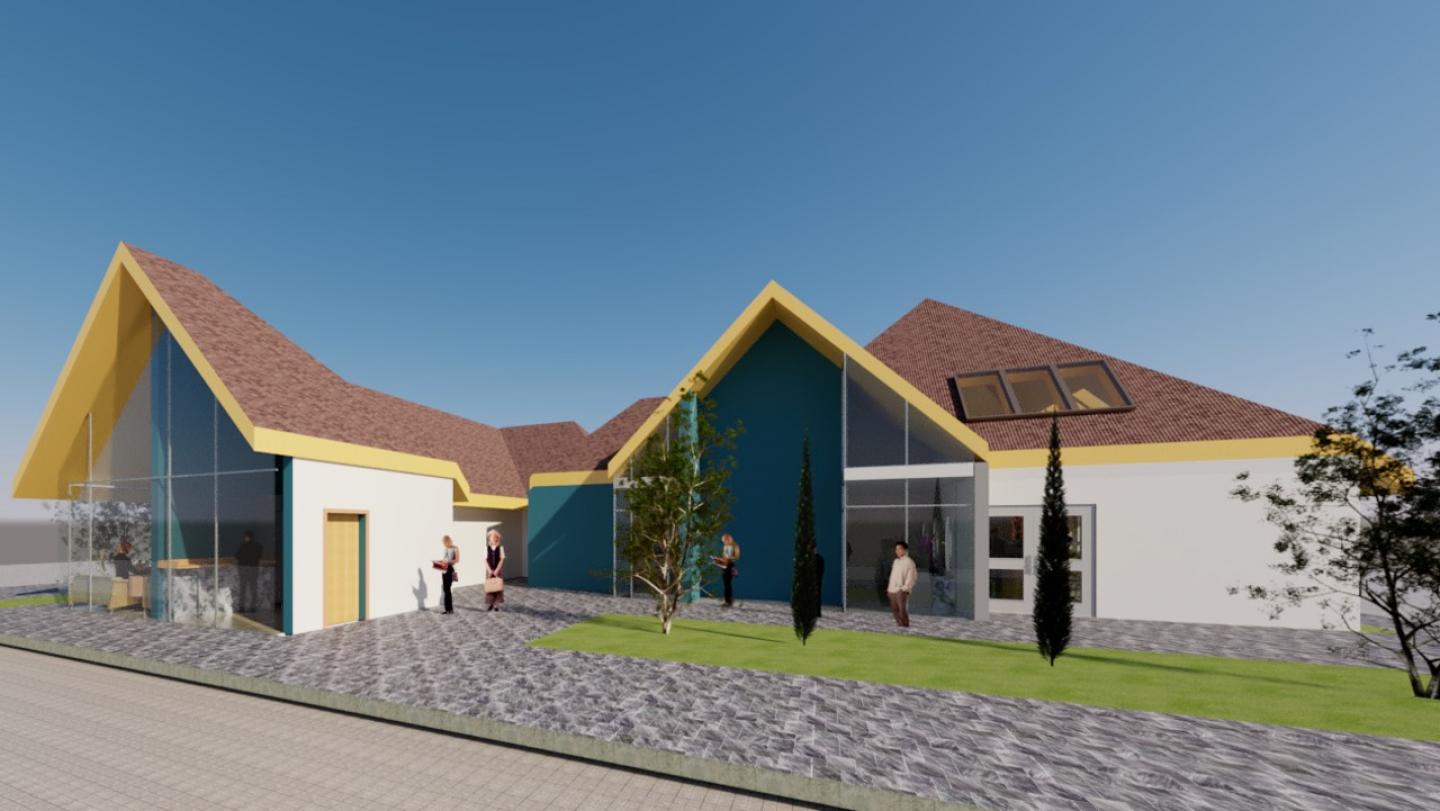
Emina Čamdžić
Magister of Architecture Emina Čamdžić is a BIM ( Building Information Modeling ) architect with more than 10 years of professional work experience, residing in Sarajevo, Bosnia and Herzegovina. Graduated from Architecture and Spatial Planning in 2009, then Magistered in the year 2011 direction Architecture and Spatial Planning. Continued education, completed programme " The Climate and Energy Challenge " at the Harvard University, programme at the Stanford University' School of Earth, Energy and Environmental Sciences in April 2020.
Aesthetically pleasing and environmentally responsible projects that contribute to the well - being of community and the ecological health. Focus of work is on innovative architecture projects, interior architecture, and research studies.
In the timescale from 2017 to 2024, has successfully presented exhibitions at the LFA ( London Festival of Architecture ).
Since 2018 is WA Country Reporter - volunteer from Bosnia and Herzegovina. In the year 2021 were published articles among 16 most - read, then in year 2023 among 10 most - read writings published on the World Architecture. Writings published as well on social media X and Instagram, where they can be followed.
More: EMINENT-ATELIER.COM
Architecture
University Sarajevo, then Stanford University
Architect
11 buildings
No posting
News Articles by Emina Čamdžić (42)
Favorited Contents (10)
Residential Housing and Sustainability in Bosnia and Herzegovina
Emina Čamdžić • Jun 10, 2020 • 8215
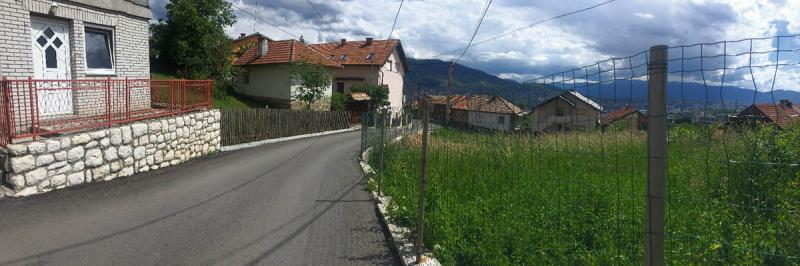
This is a traditional Bosnian house which is characteristic of the Ottoman period of architectural construction in Bosnia - Herzegovina. Of course, it certainly differs from the Turkish building style or indeed the surrounding ones in BH, due to the nature of the geography and traditions of where it is built. It is made from natural materials such as wood and stone, while the whole concept includes a building with a beautiful inner garden and wooden entrance gate.
Hidden in the hills of Sarajevo, there is a beautiful small, tiny Bosnian house, looking like one you might find in your story books.
It has stood there for more than one hundred years. It truly represents a monumental heritage. Traditional Bosnian houses are famous for (...)
Towns of Bosnia and Herzegovina: Town Pollution and Properties Quality
Emina Čamdžić • Feb 05, 2026 • 3014

Definitely, there is a significant and pressing problem with the town pollution and climate quality in many towns across Bosnia and Herzegovina, particularly in urban areas. The article by World Architecture reporter and architect Emina Čamdžić is discussing the raising problem of town pollution and climate quality. The upscaled number of cars on the roads, with an increase in construction that lacks proper regulation, contributes to a deteriorating environment and increased habituating of towns. The uncontrolled expansion of urban areas leads to a phenomenon where towns are growing in size also in population density. This development raises questions about the quality of life in these towns including the climate quality.
The influx (...)
The London Festival of Architecture 2026 on the theme "Belonging"
Emina Čamdžić • Oct 27, 2025 • 3938
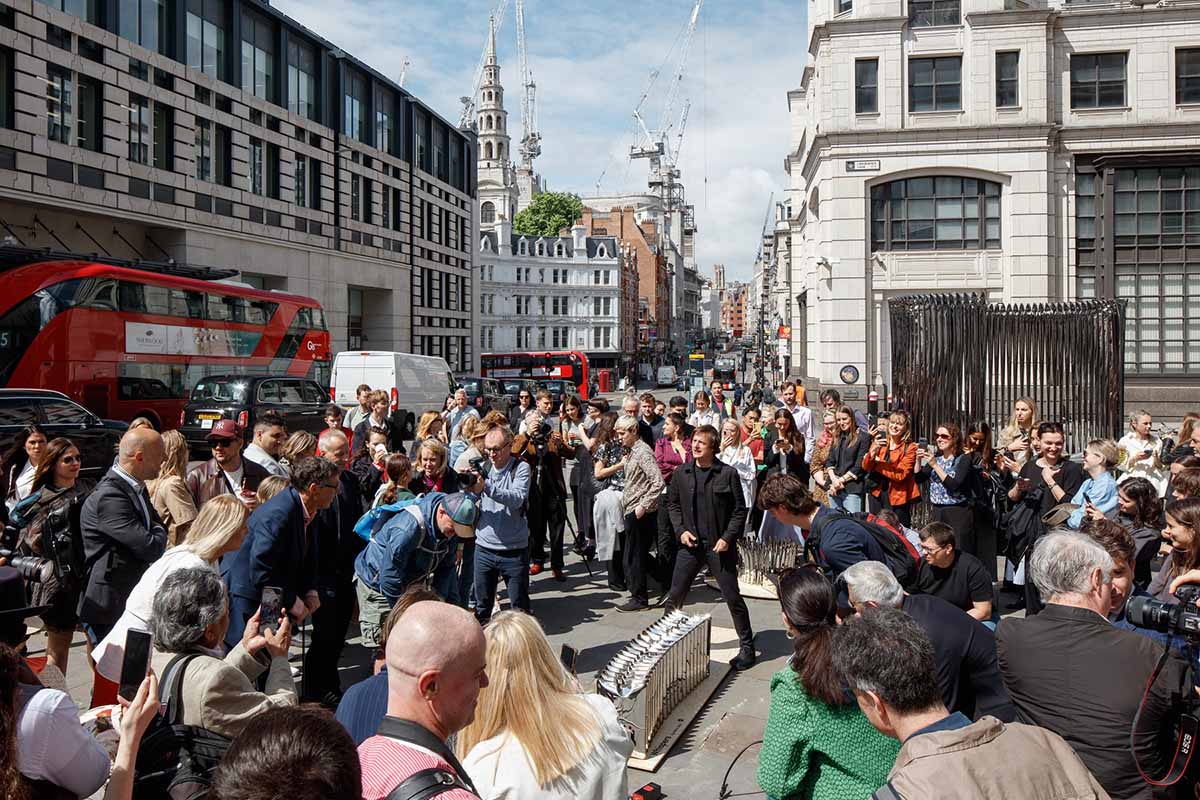
Discovering the news regarding the theme "Belonging" of the London Festival of Architecture (LFA) and the festival’s programme, written by architect Emina Čamdžić who has participated at the LFA programme and is the World Architecture Country Reporter. The reporting is covering development of events surrounding the LFA festival, explores the many elements of the LFA, highlighting the importance of architecture events, activities, commissions and projects that reflect the profound theme.
Image of the Art Park launch in London, the LFA2025 festival. Image © Nathan Piccio via the LFA
The London Festival of Architecture 2026 (LFA2026) theme
The London Festival of Architecture from the 1st to the 30st June 2026... (...)
Comparing Architectural Reconstruction: Svrzo’s House vs. Shakespeare's Globe Theatre
Emina Čamdžić • Apr 28, 2025 • 4549
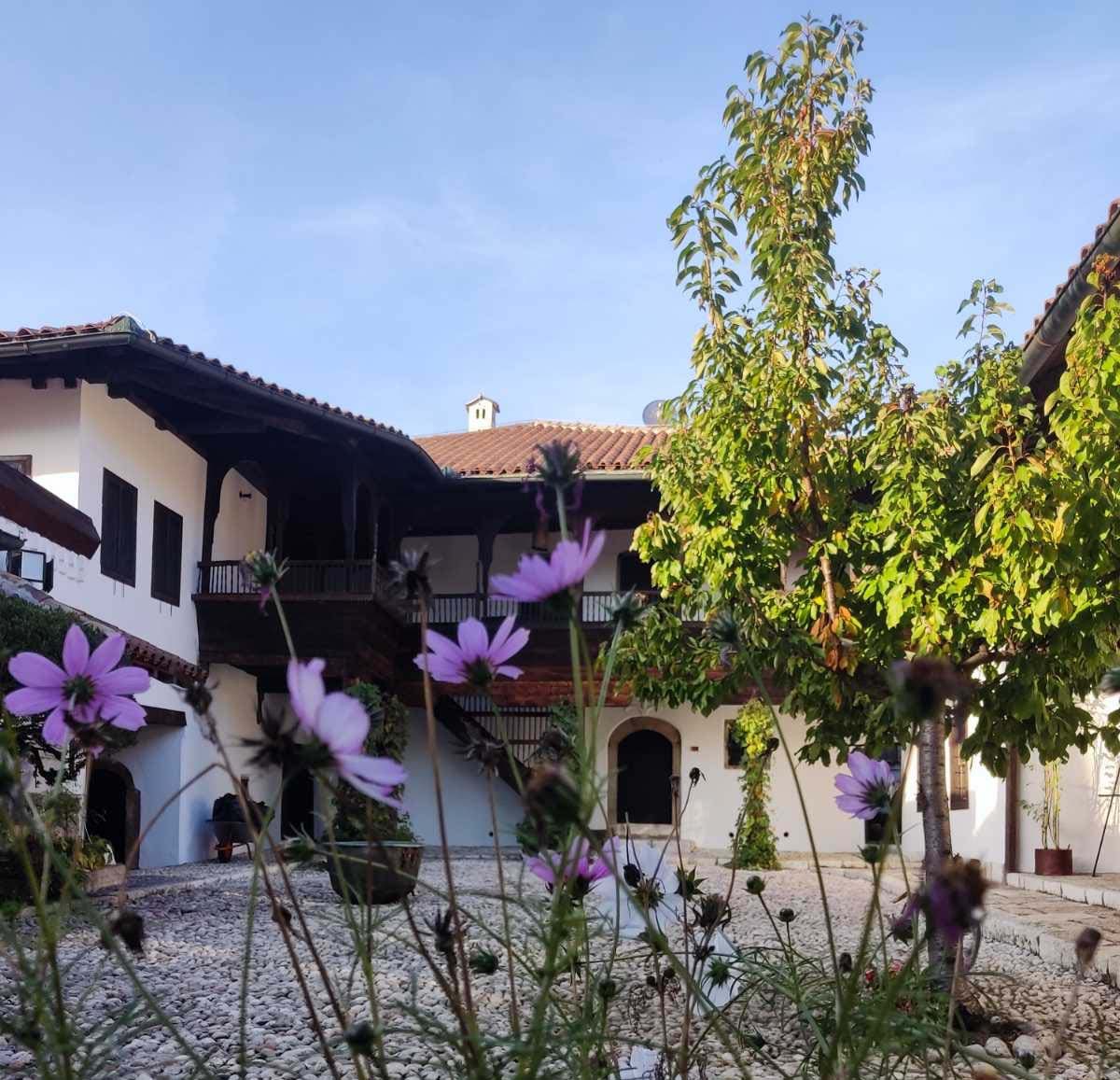
Svrzo's house, an iconic representation of the rich residential heritage in Bosnia and Herzegovina, has recently undergone a comprehensive and meticulous restoration and partial reconstruction as essential renovation works, and is now once again open for visitors. This historic house, which holds significant cultural importance in Bosnia and Herzegovina within the context of Sarajevo's architectural landscape, has been restored with a keen focus on maintaining its original character and integrity. The reconstruction efforts are ensuring that the cultural and historical essence of the building is preserved for future generations. The building is located in the Glodjina street in the municipality Old Town in Sarajevo.
Image of Svrzo’s (...)
Reflecting Panels: A Critical Review on Ethics in Architecture
Emina Čamdžić • Oct 03, 2024 • 4207

This article tends to examine and understand the way in Bosnia and Herzegovina the reflecting, mirror-like large-dimensioned surfaces are designed and constructed, their impact on the world of birds, and the ethics of the relation towards nature that surrounds us, writes Emina Čamdžić, World Architecture Country Reporter and architect. Currently, threats to migratory birds include habitat loss due to human activity, pollution and climate change, according to the State of the World’s Migratory Species report1 (the World Wildlife Fund page).
In the expertise of architecture, the use of innovative materials has been a cornerstone. However, the large-dimensioned uniformed, sleek façade surfaces of high buildings and skyscrapers (...)
The Elements of Climate Resilient Buildings
Emina Čamdžić • Aug 19, 2024 • 8408
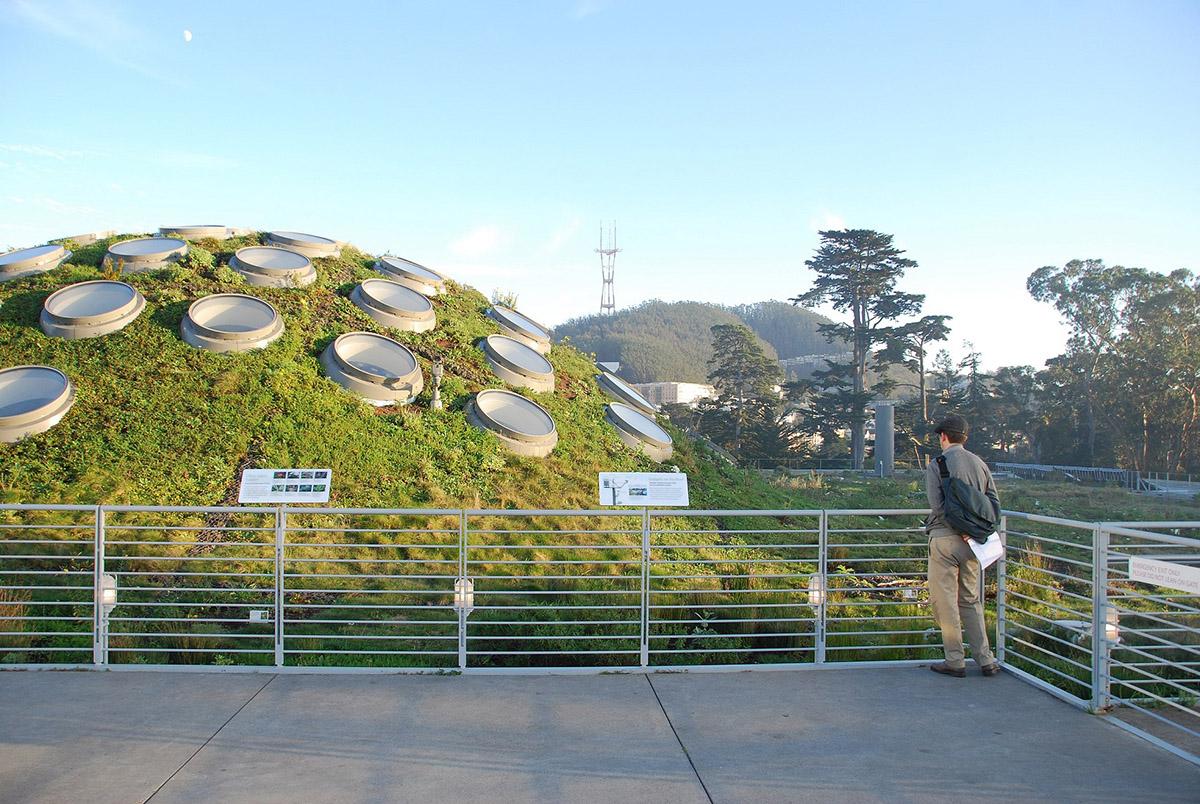
This article, written by the World Architecture Community's Bosnia and Herzegovina Country Reporter and architect Emina Čamdžić, shows how particular elements of buildings introduce resilience to climate change.
In general knowledge, it’s visible nowadays that during the summer are numerous examples of extreme climate changes such as too high air temperatures not usual for the summer days, or winds with storms and huge ice cubes falling from the sky while the winds take away the roofs and break tree branches. Only in several months, the climate has impacted daily life so drastically that weather warnings and heat warnings have been a common thing to watch out for. Nevertheless, for people, it is hard to get used to such weather, (...)
Tackling Climate Change With Prevention Within Environment and Resources on Example of Exhibitions
Emina Čamdžić • Aug 09, 2023 • 3259

Climate change has become a major challenge and is affecting everyone.
On this theme published are also numerous articles by architect Emina Čamdžić, WAC’s Bosnia and Herzegovina Country Reporter, which you can have a look here at the link. During this year’s London Festival of Architecture (LFA) are included exhibitions and was discussed about climate change in different aspects such as the climate emergency. On the top image is shown one of the main exhibitions in the London exhibition pavilion organized by the author of the exhibition - architect Emina Čamdžić from Sarajevo as part of the LFA festival in London. This year, the LFA's 2023 theme is "In Common" as mentioned on the LFA website that explores ways to (...)
The Path to Clean Air in Strategies in Bosnia and Herzegovina
Emina Čamdžić • Mar 07, 2023 • 4147
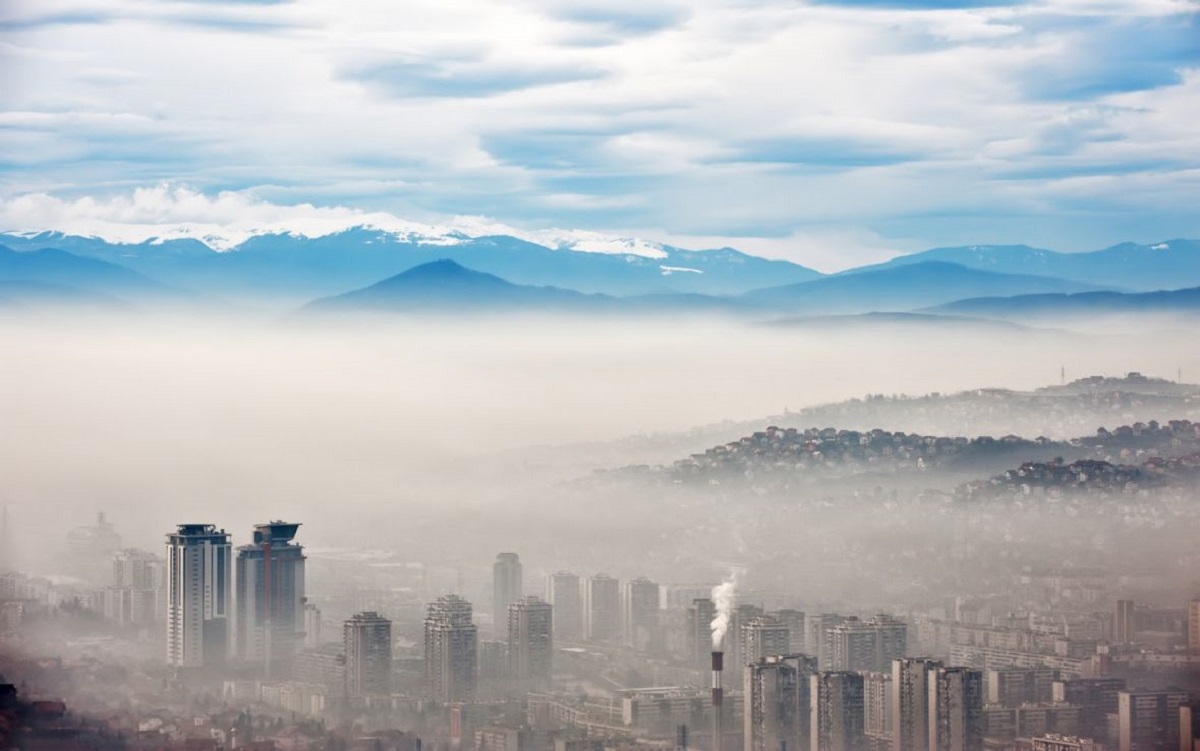
Air pollution is affecting human health which means that the exposure to larger amounts of CO2 in the air is known to cause a variety of negative health impacts such as inflammation, low cognitive performance, headaches or lung issues. To reduce the negative impact of CO2 in the air to your organism go for a walk up to five kilometres by foot from the old city of Bascarsija to up – the – hill Sedrenik in the heart of Sarajevo where the clean and non – polluted air will get you in the happy, good mood and healtier lifestyle. It is said that in the healthy body is the healthy spirit.
Sedrenik represents an urban residential area and local community located in the northeast of the Sarajevo town and belongs to the municipality (...)
Green Urban Planning
Emina Čamdžić • Apr 29, 2021 • 7311
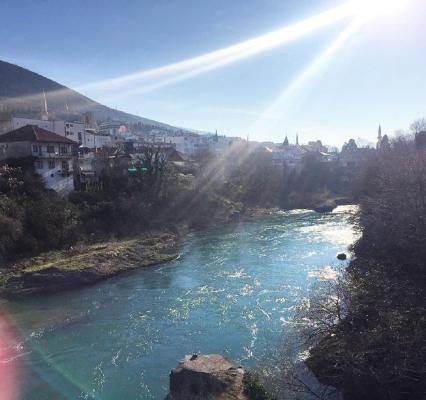
How to make the most of spring. Data and research show that when producing hundreds of tons of GHG emissions in the atmosphere, there must be planted some thousands of hectares of forest land. "Global CO2 emissions declined by 5.8% in 2020, or almost 2 Gt CO2", meaning that while increasing continuously with some declines in the data period of the last 20 years, it has fallen from 33,4 gigatons in 2019 to 31,5 gigatons in 2020 as mentioned on the graphs in the latest International Energy Agency Report. While there is predicted a rapid uptake on clean end-use technologies and cars and trucks in 30 to 50 percent by 2030, there is a need for governance and analyzes of community social capital in energy modelling (University College London presentations). (...)
Post - Pandemic Practice Sustainability
Emina Čamdžić • Jun 10, 2020 • 6146
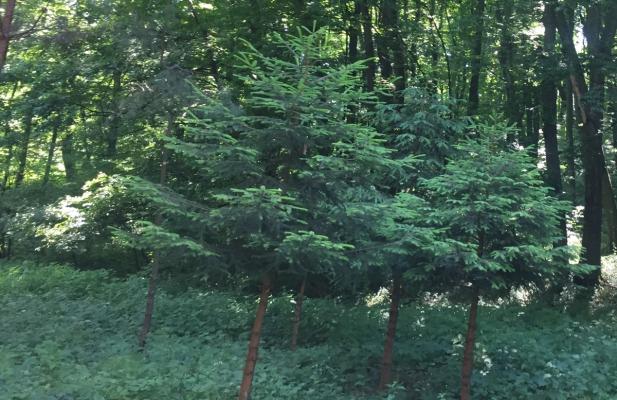
Considering the different stages of the current, prolonged pandemic crisis, it's important to consider a creative way to improve the post-pandemic transition. A RIBA competition is questioning what aspects of life should be improved and your ideas, as architects, offering a positive and tangible response to one or more of the issues arising from the coronavirus. This competition is in collaboration with the international ARUP Group.
While some employees are working from home, with reduced hours, some not working at all. If you have been working as a full - time employee at an office, then you should understand and accept that it's going to be a bit different in the post - pandemic period. A RIBA article explains' "many practices (...)
Projects by Emina Čamdžić

Favorited Projects (7)