Submitted by WA Contents
Fran Silvestre Arquitectos revives tradition with a seamless restoration of a farmhouse in Girona
Spain Architecture News - Dec 03, 2025 - 05:49 3019 views
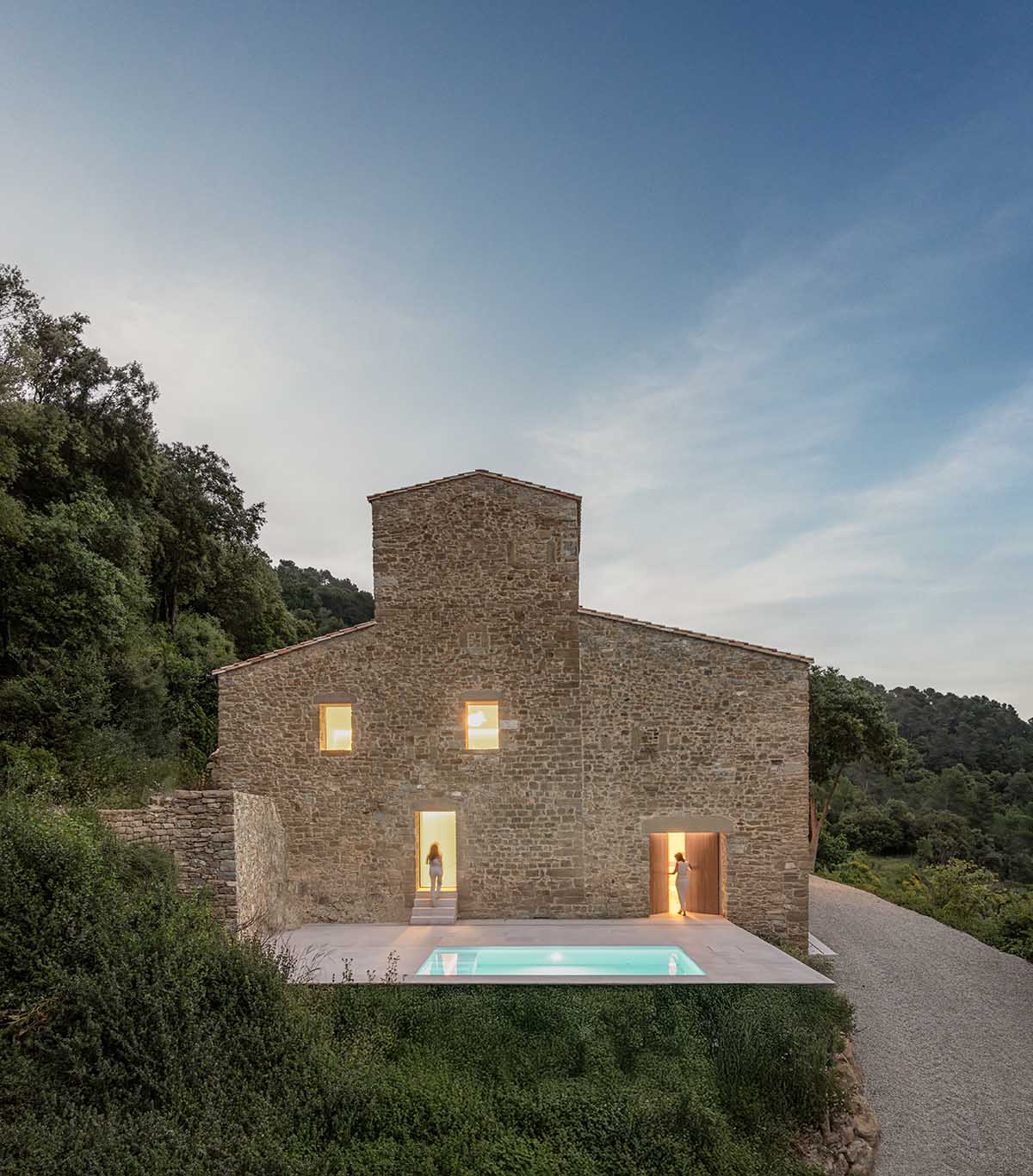
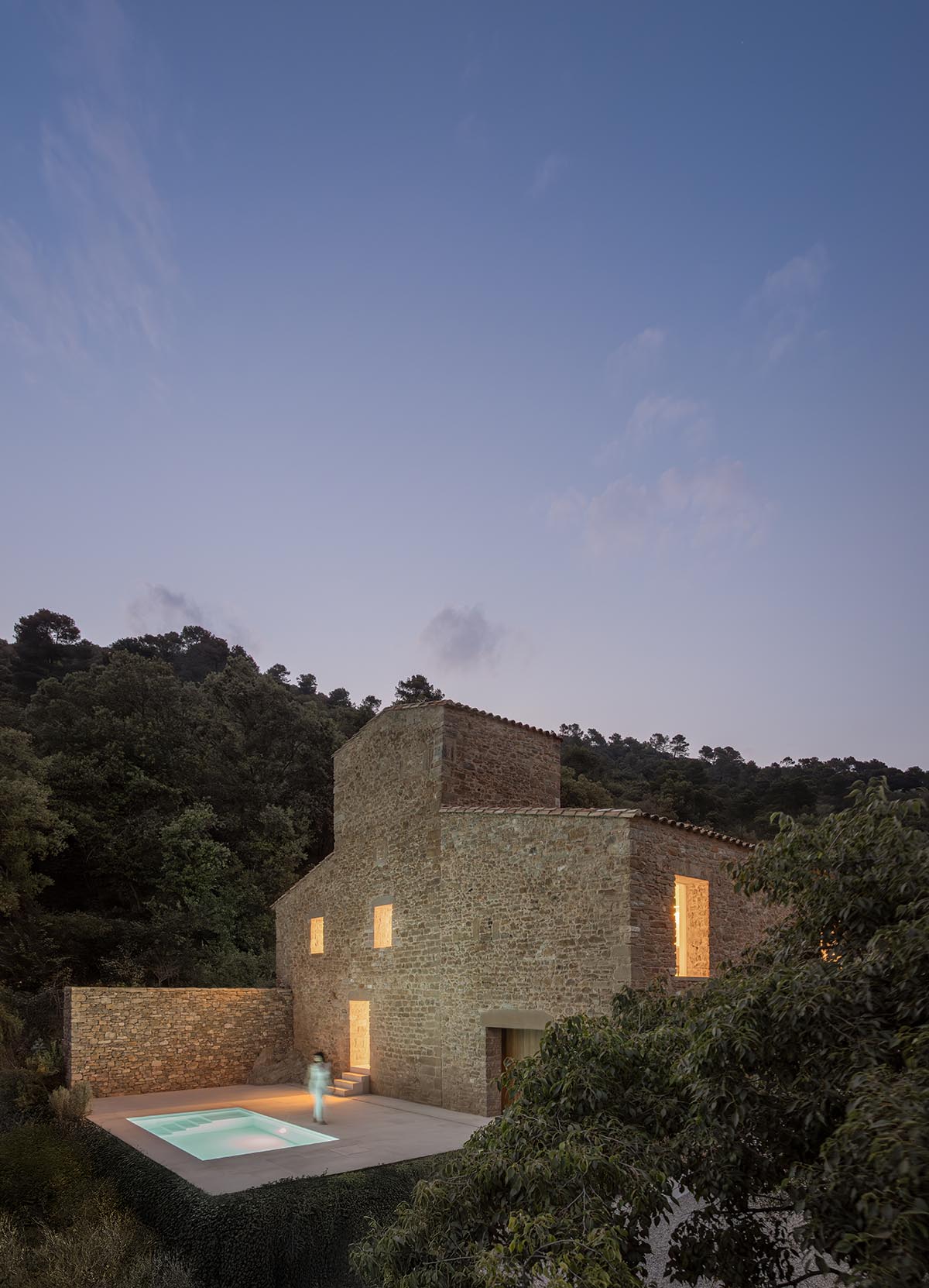
Spanish architecture firm Fran Silvestre Arquitectos has revived a tradition with a seamless restoration of the Serrat de la Cadalt farmhouse in Girona, Spain.
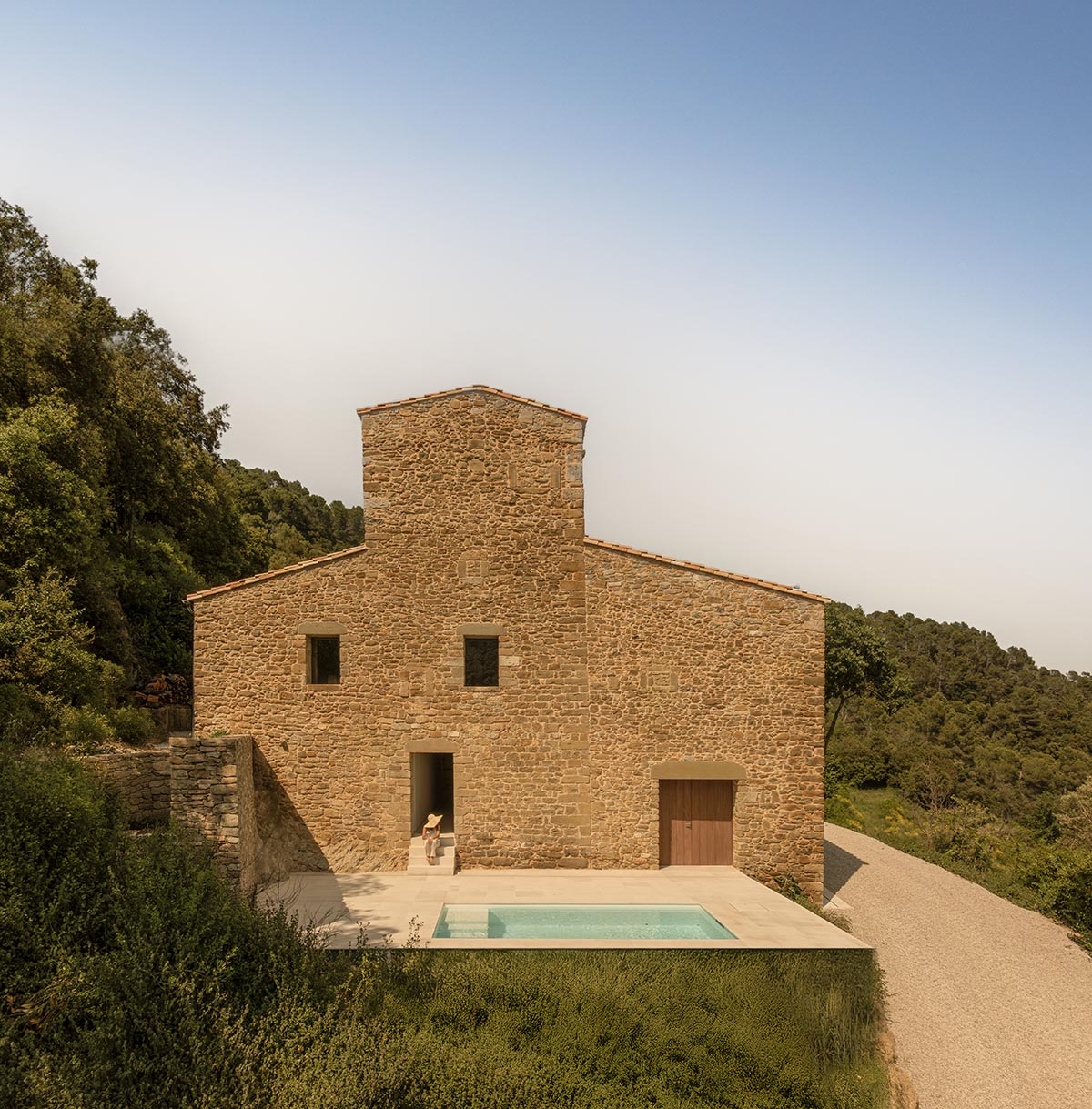
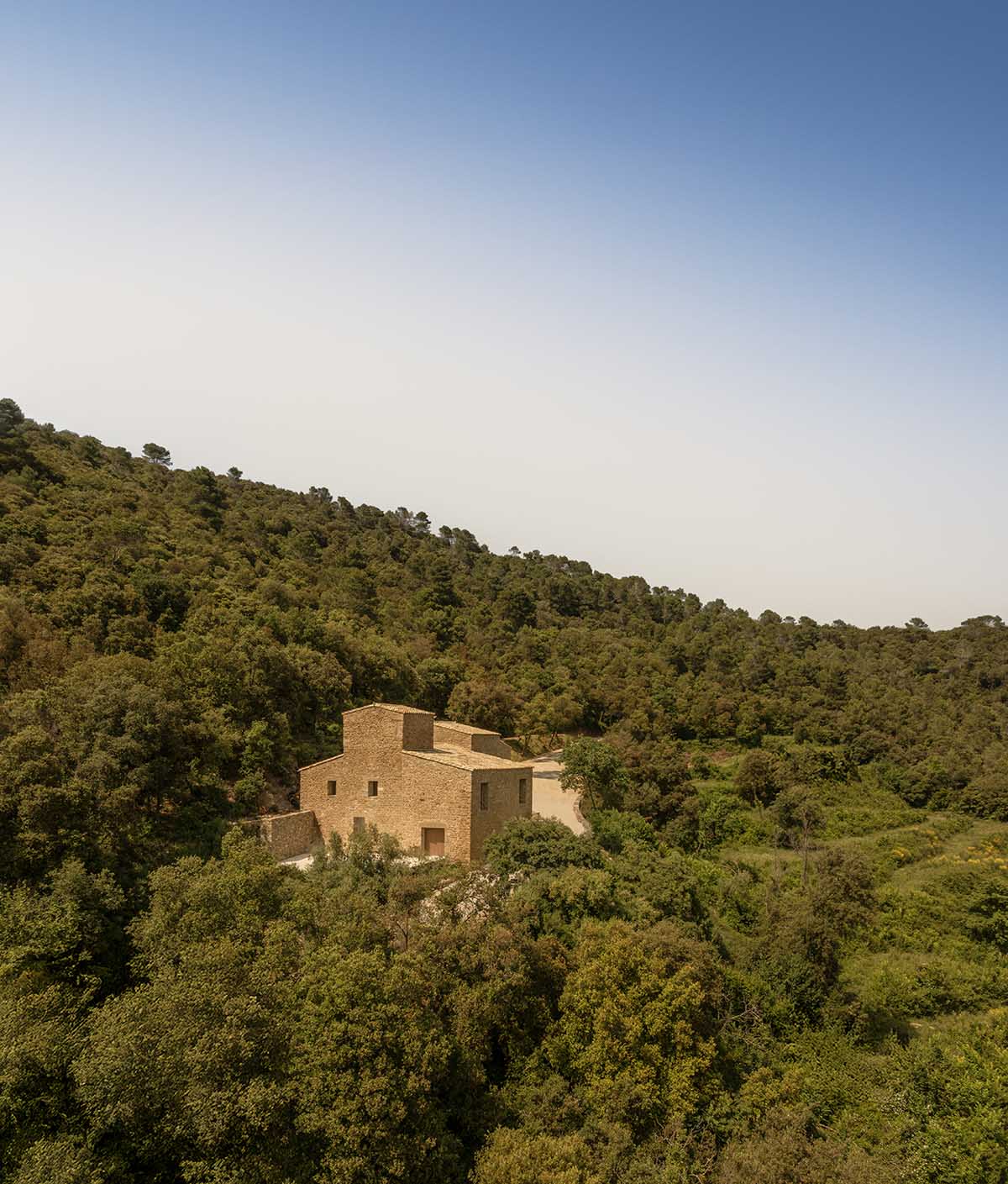
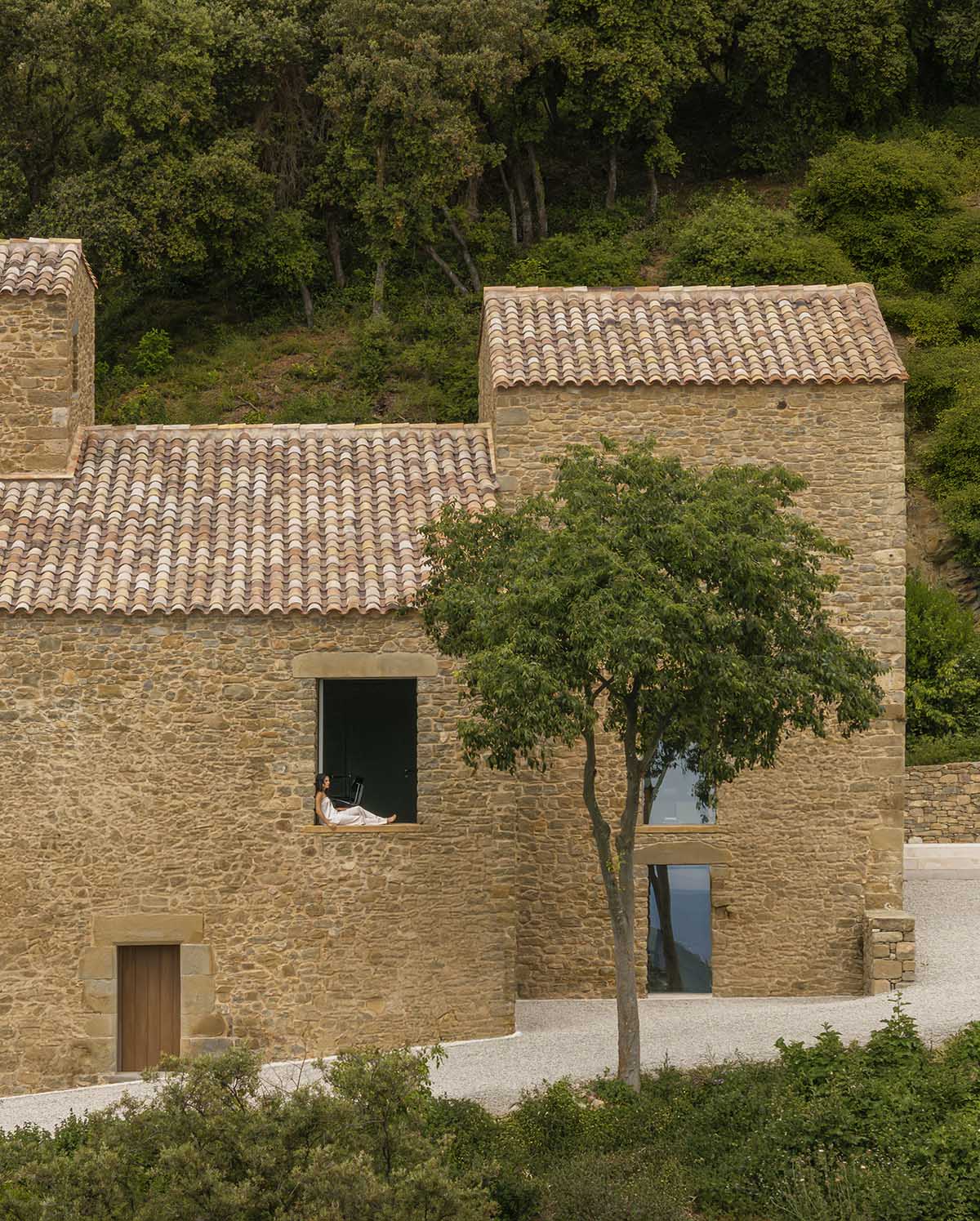
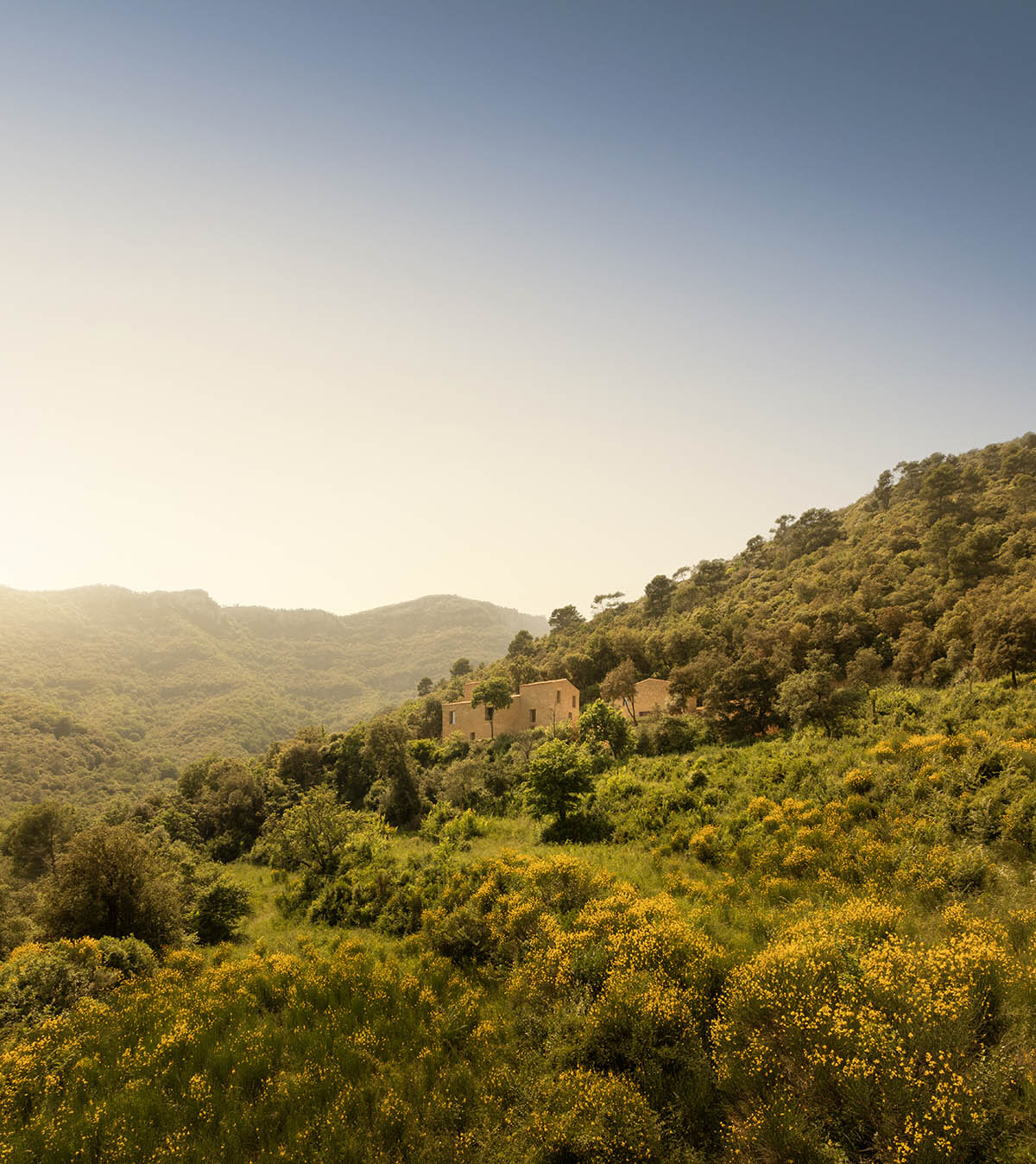
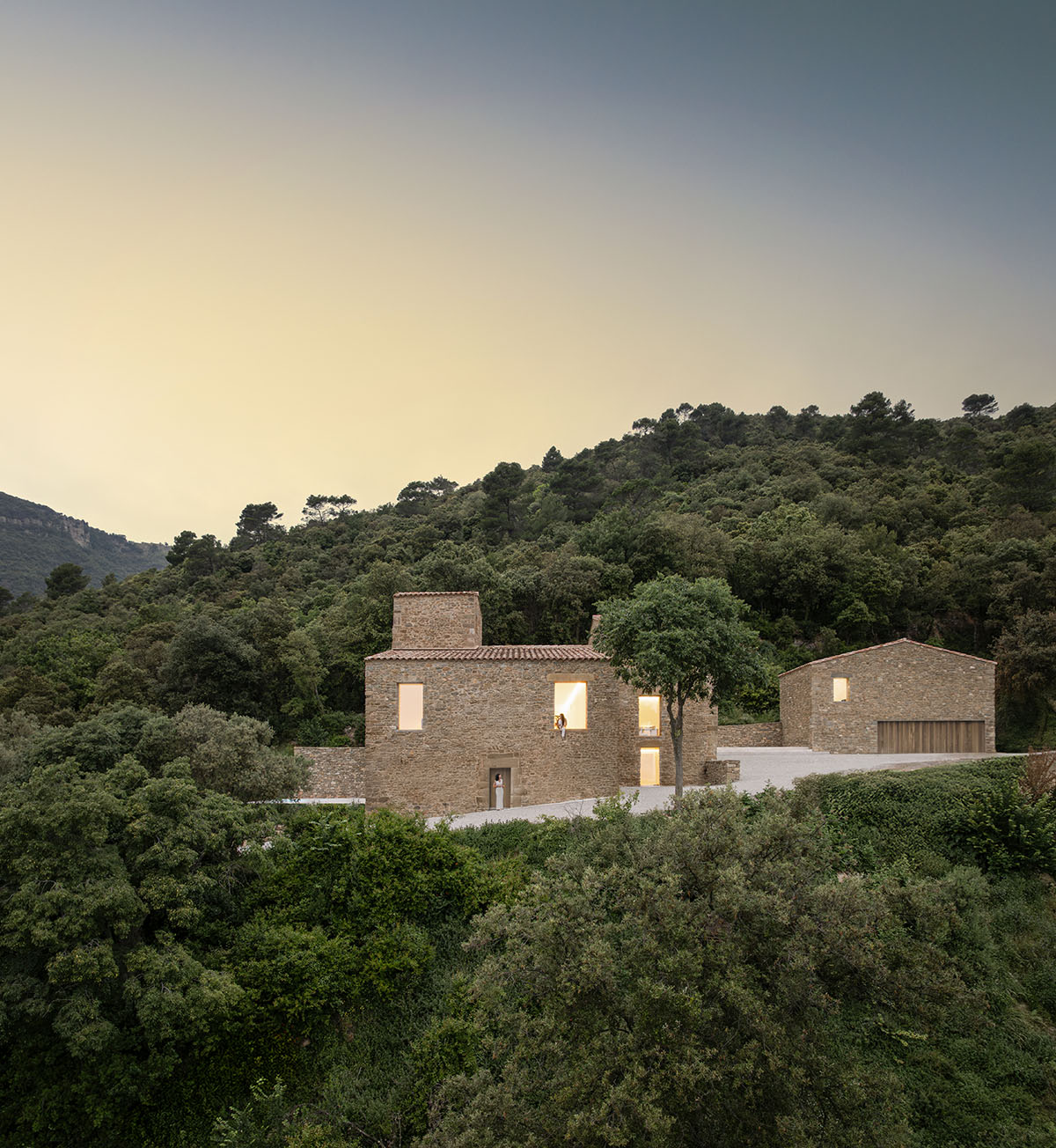
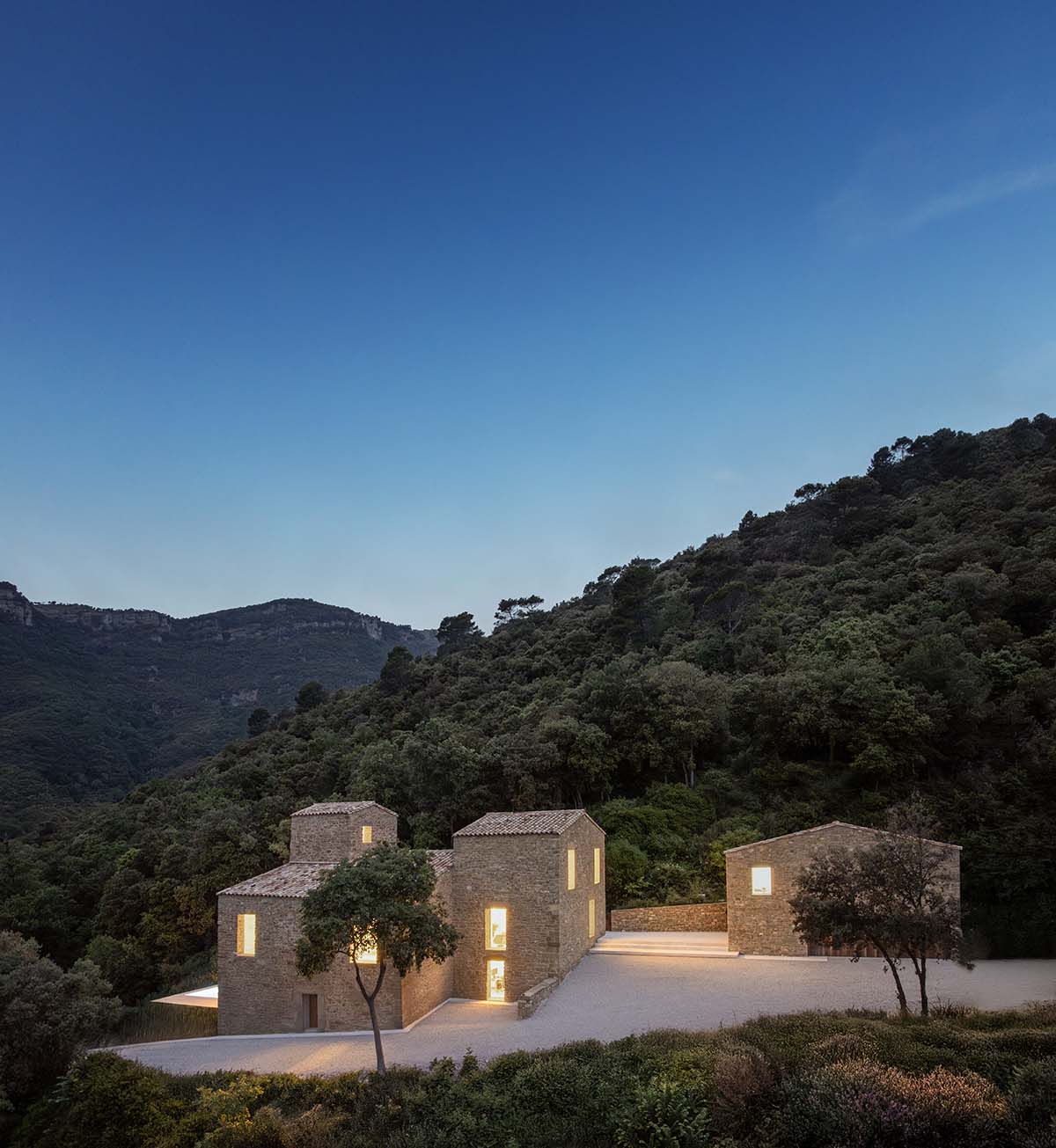
Named Mas Cadalt, the 385-square-metre house is located in the heart of Serrat de la Cadalt. The commission consisted of updating an abandoned farmhouse and adapting it to contemporary needs.
The studio explored the concept by asking: "Can we restore a way of life? Is it possible to do so with the same care used to recover an ancient object?".
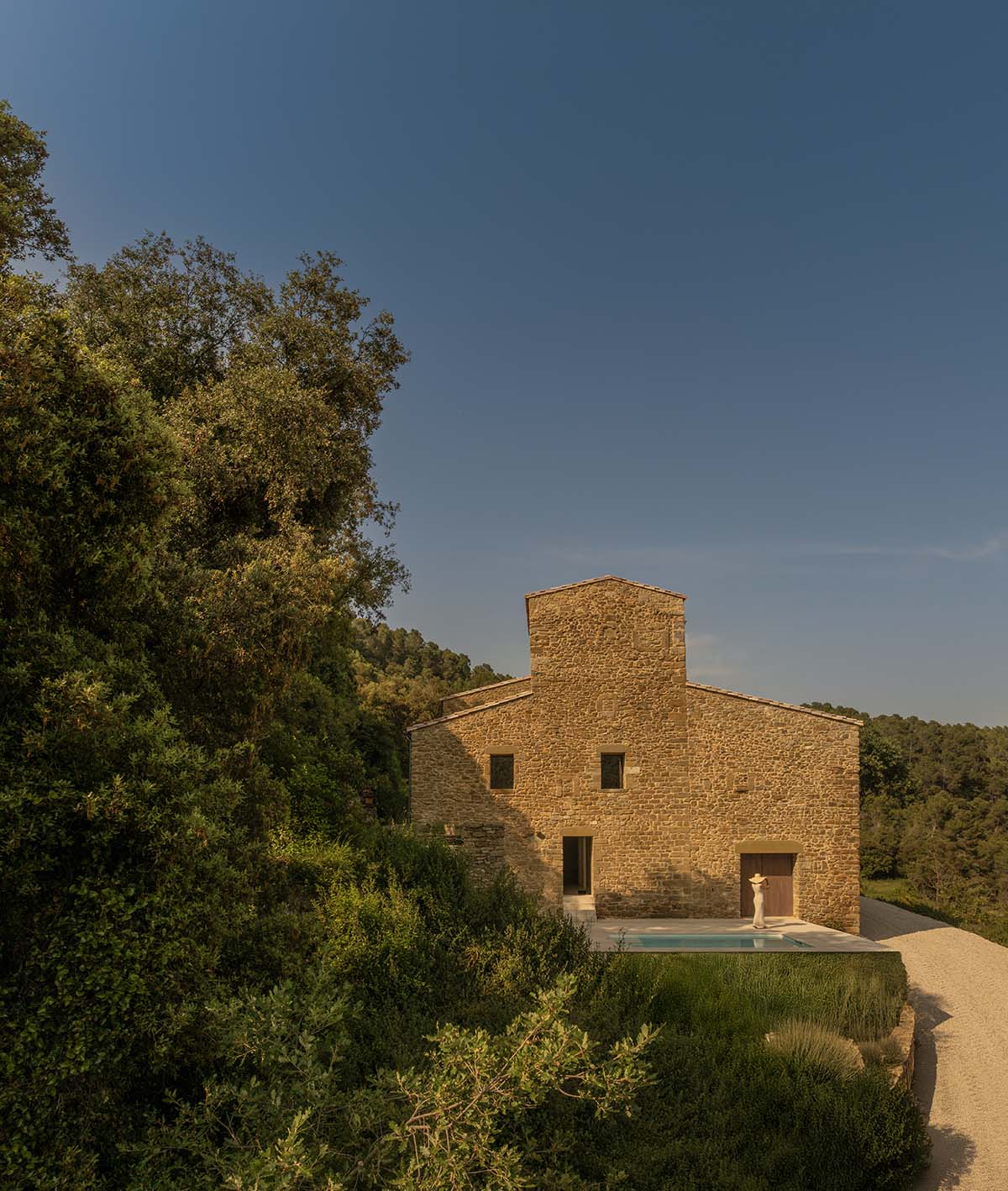
The original volume and typology are maintained through a reinterpreted tradition, altering only what is necessary. Each of the old spaces is in line with a certain aspect of the new program, and their scale has been respected.
The new residents moved to Girona, which is surrounded by trees, serene, and light, to start a new chapter in their lives after leaving London.
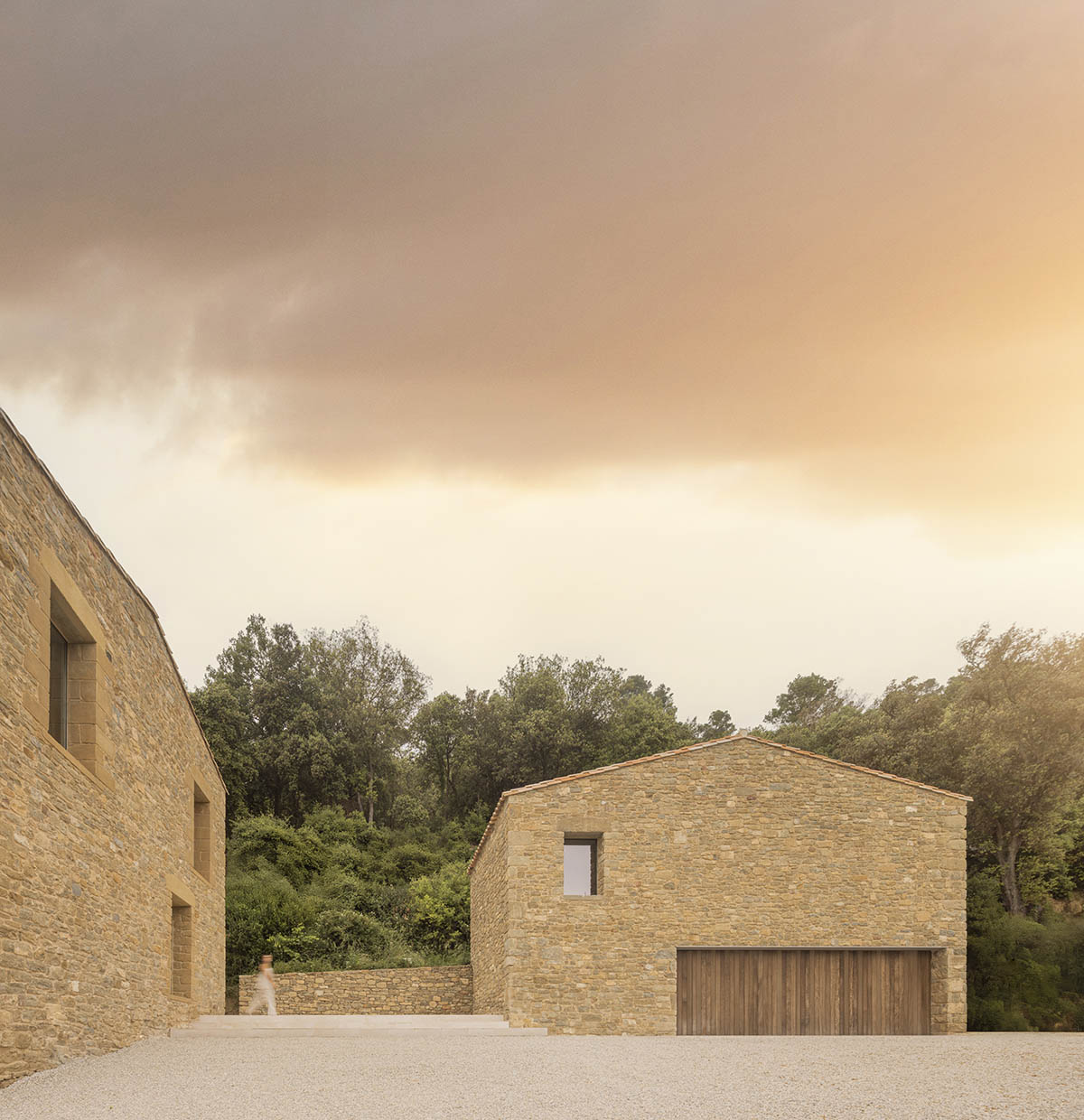
This project may also serve as an excellent illustration of a concept that started to emerge in the 1990s: the ability to operate remotely. Although it is now conducted in a remarkable natural environment, the professional activity they developed in London remains intact.
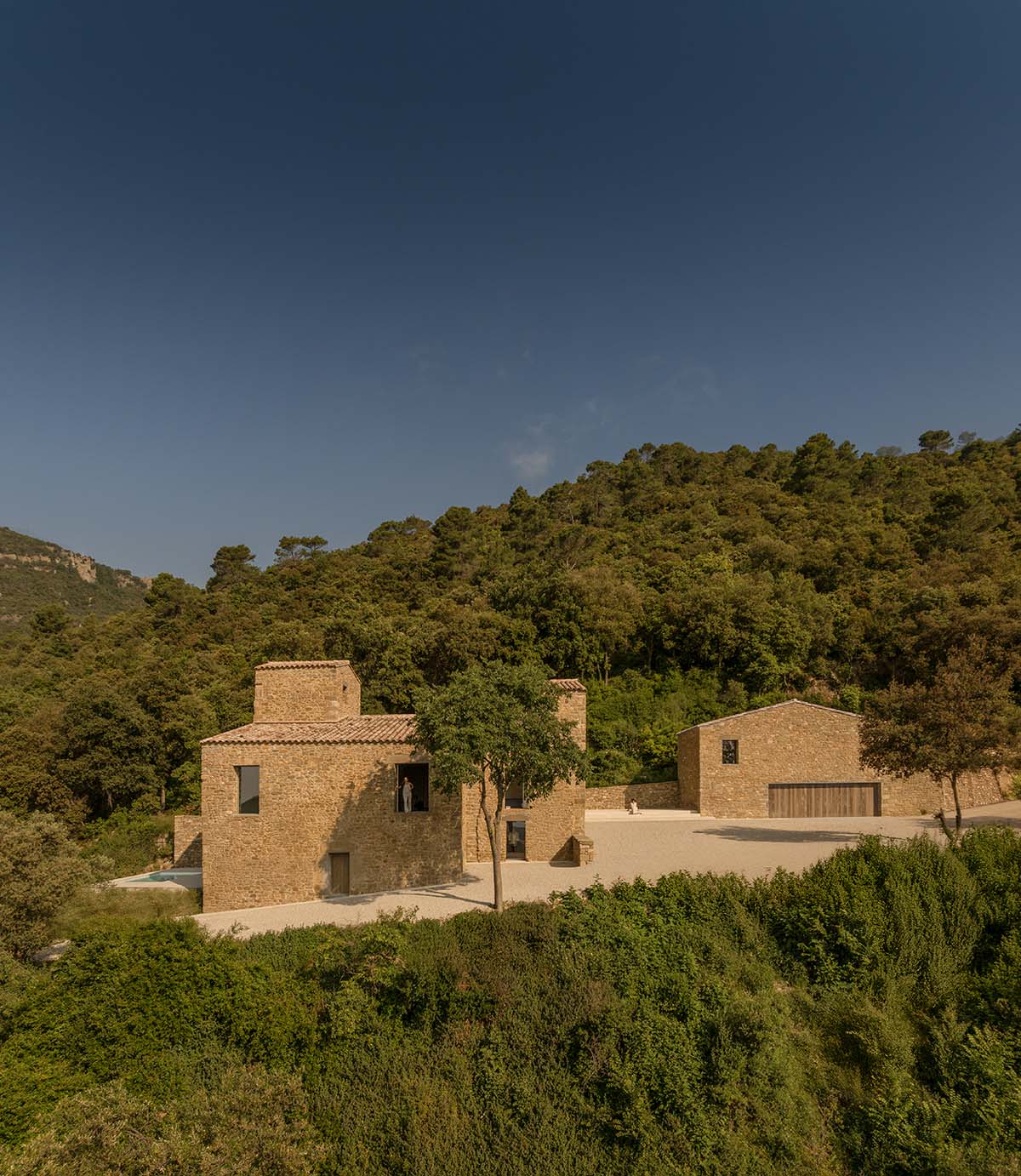
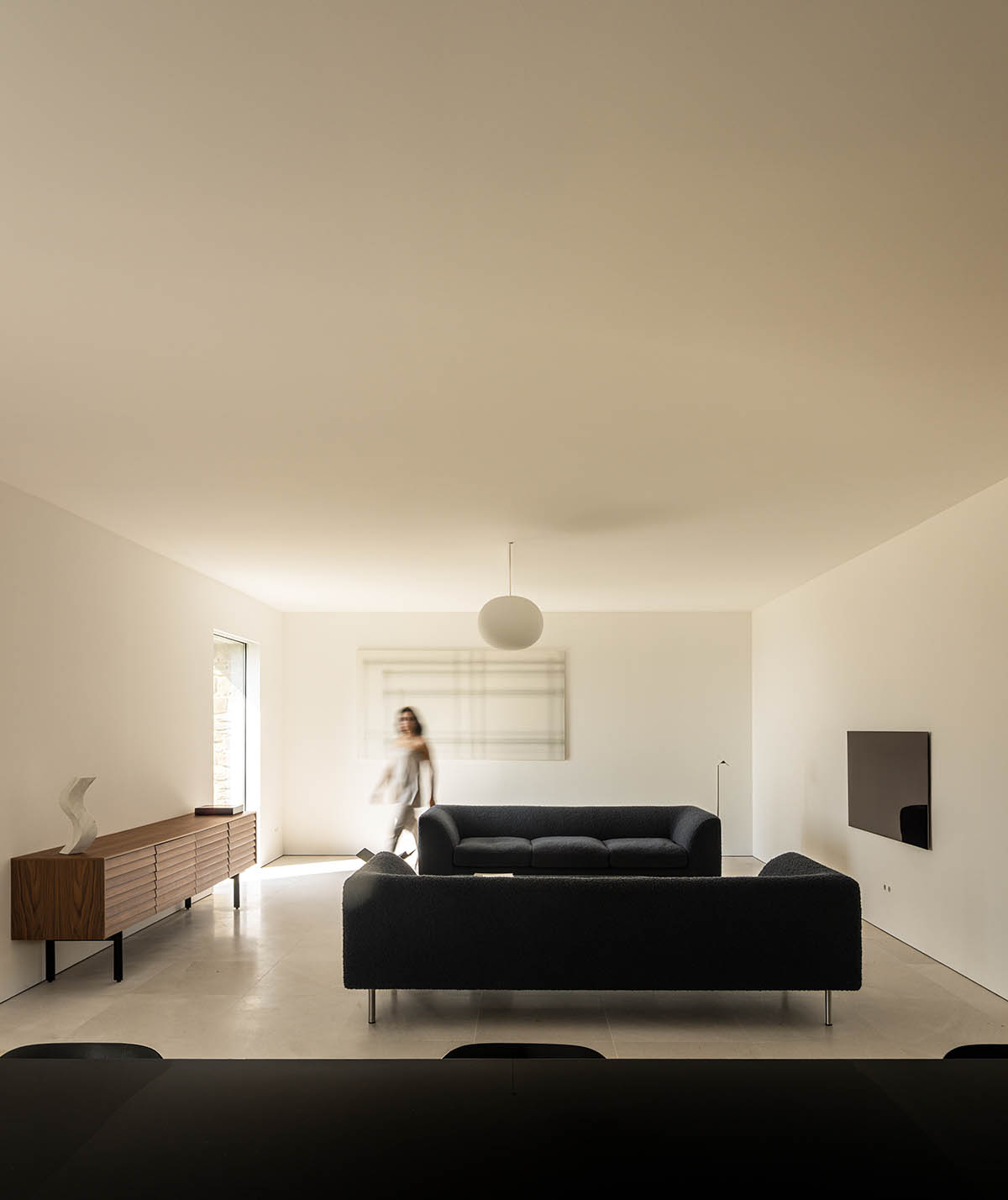
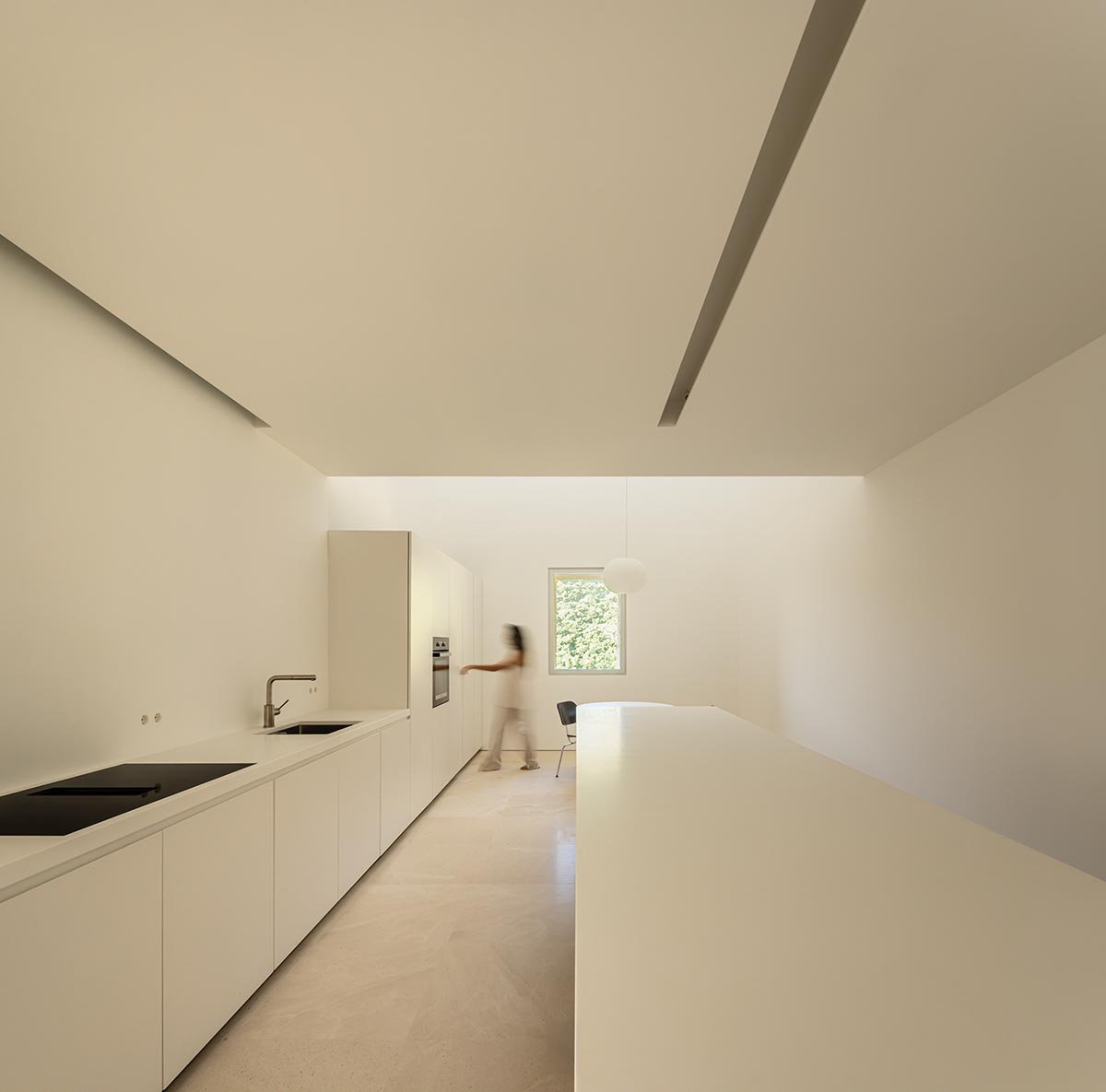
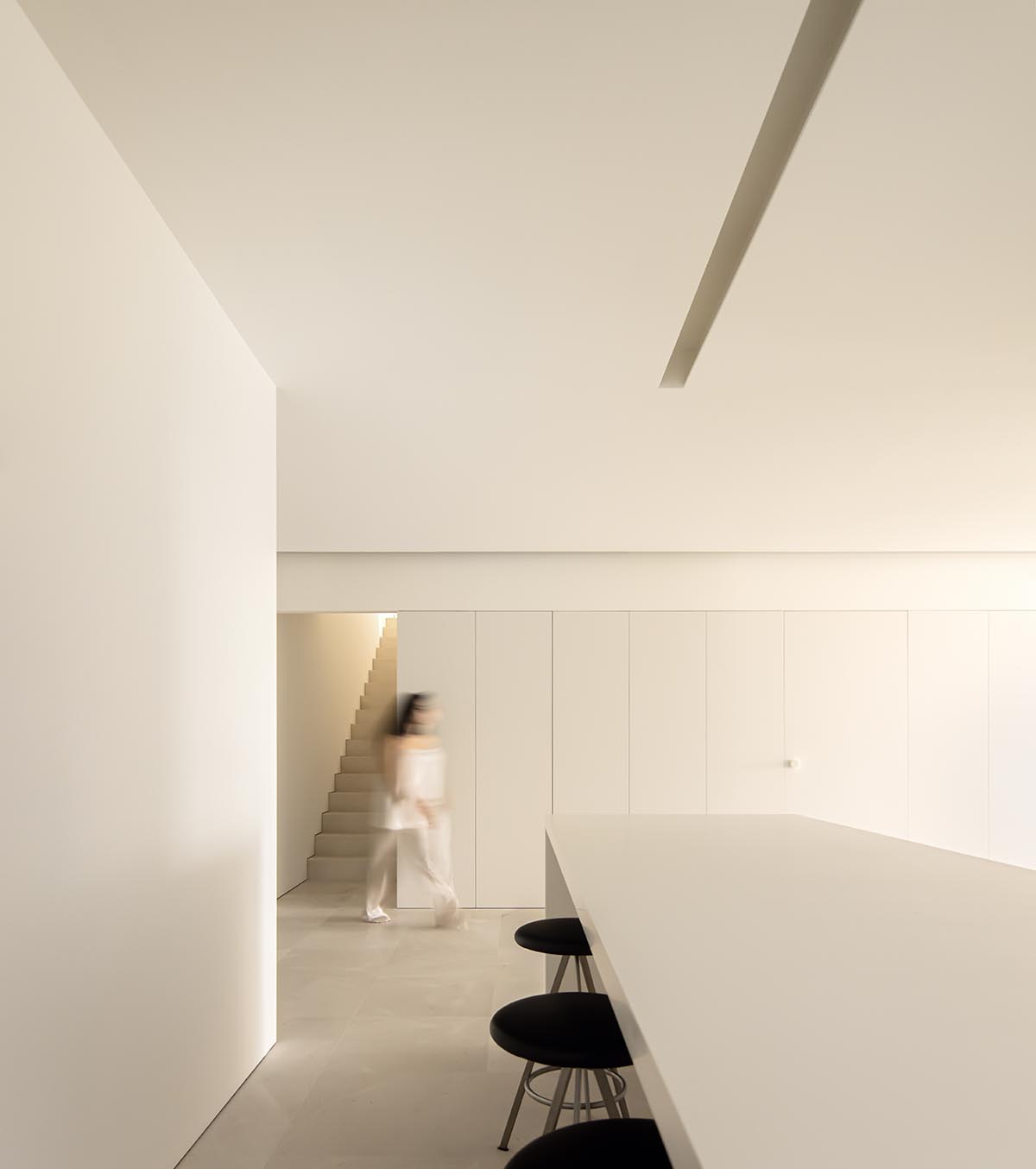
The kitchen, which incorporates the current tower's triple height, and the living room, which has views of the Sierra de la Cadalt, are located on the entrance level.
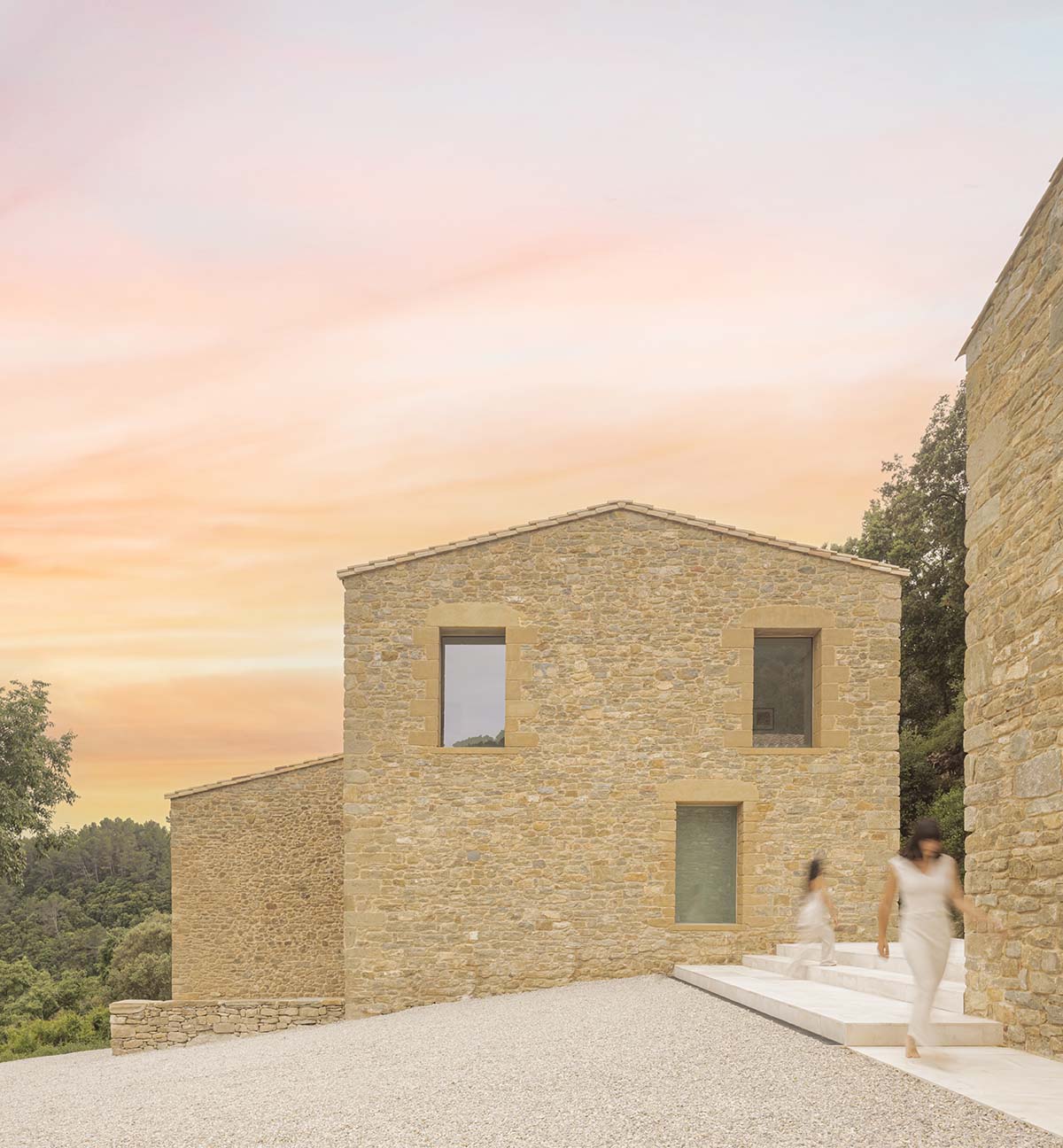
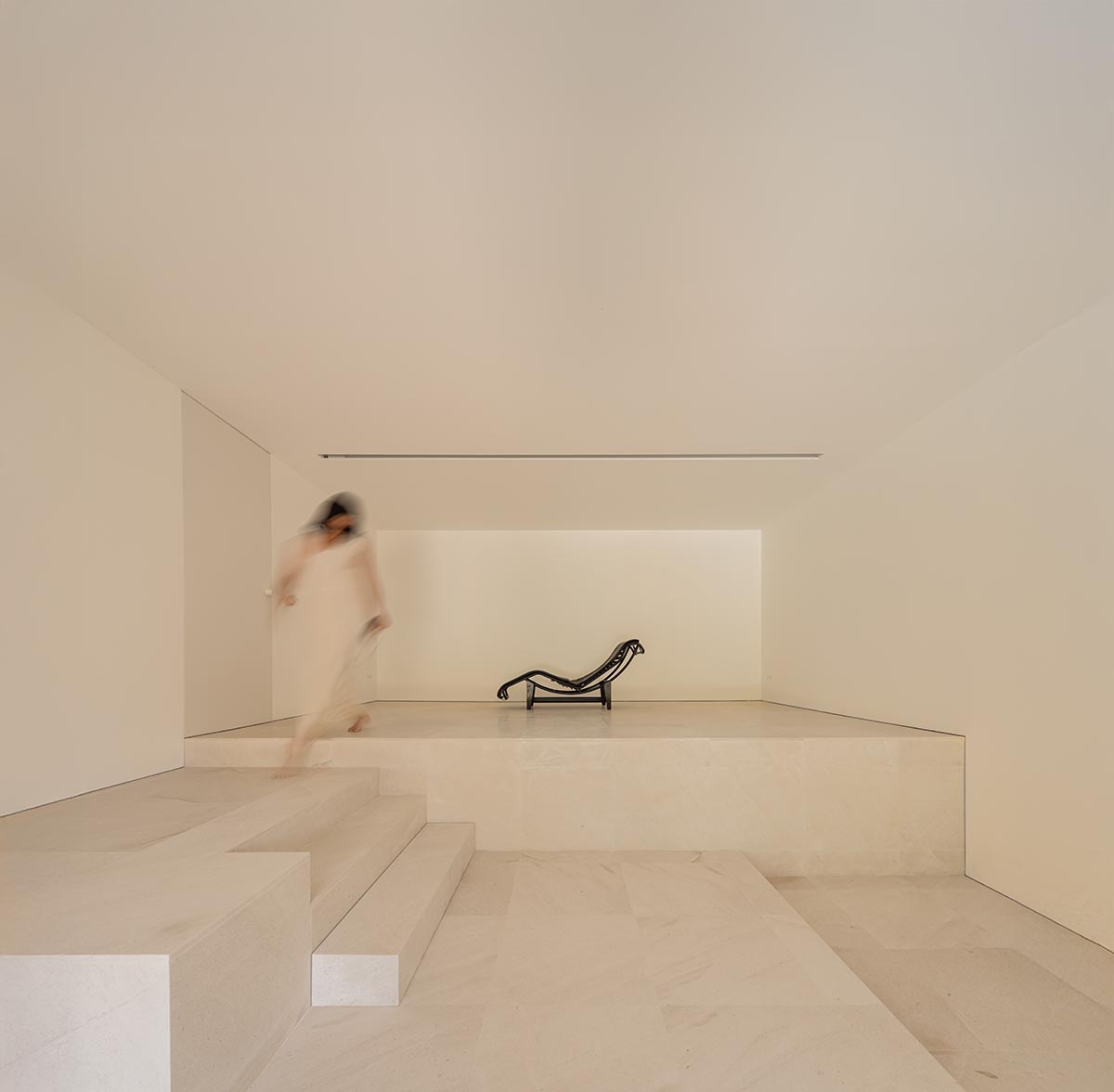
Two bedrooms have been set up on the upper floor, and a multipurpose area has been created on the bottom level that was formerly used for animals.
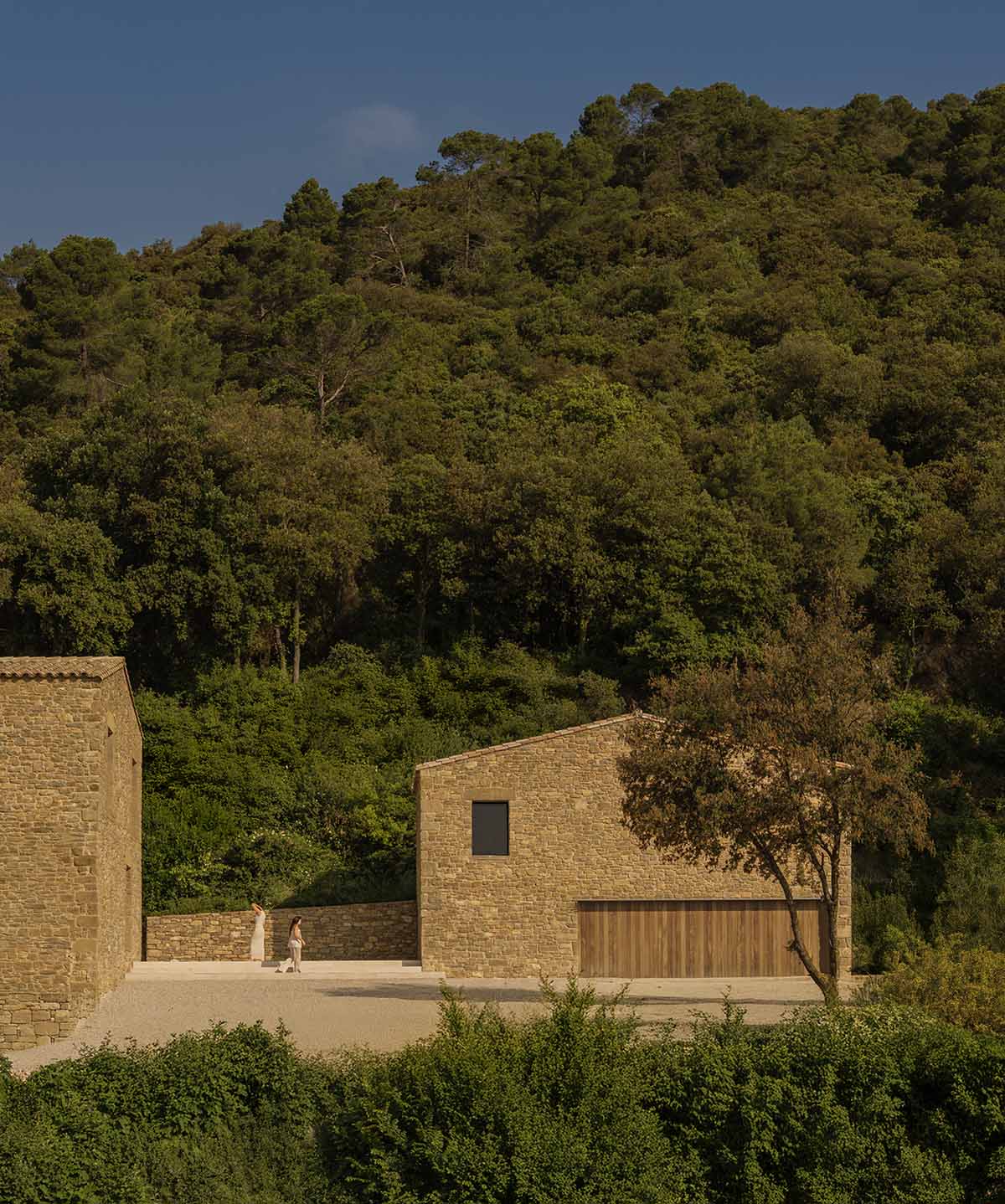
Designer Terence Woodgate now works out of an upper-floor studio in the next volume, which was formerly used as a garage for farming equipment.
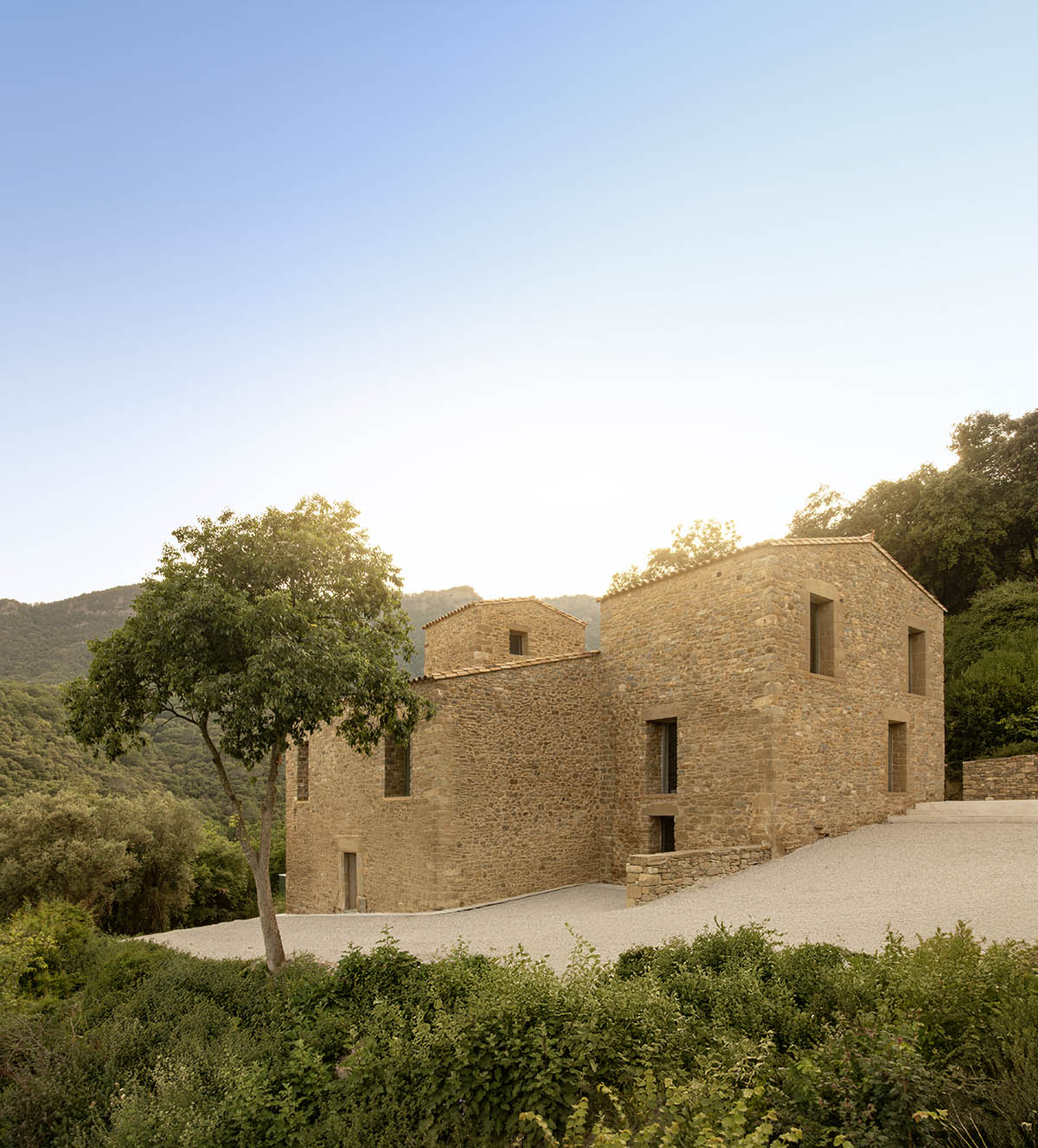
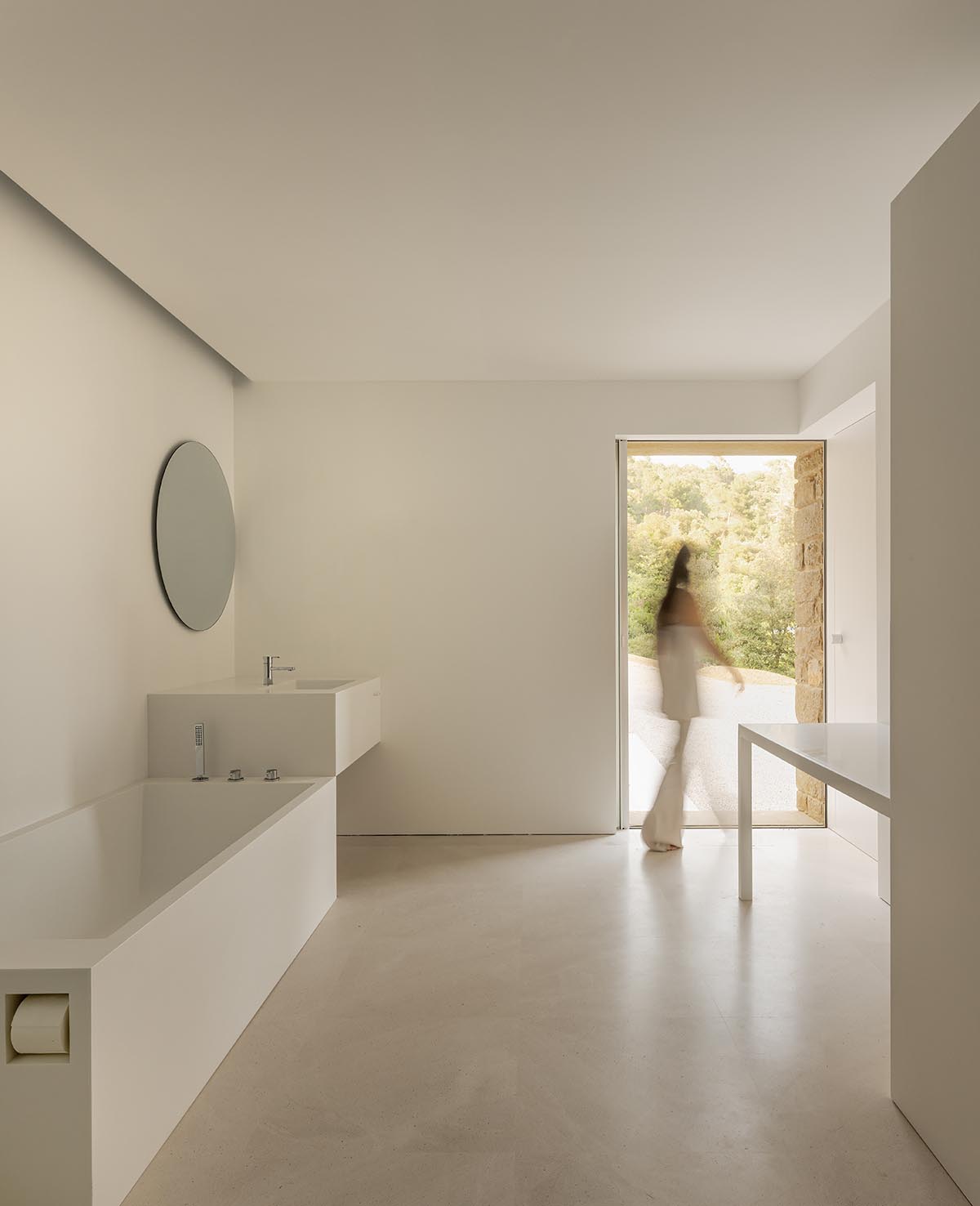
These Girona farmhouses are characteristic of the Empordà region's traditional construction technique, which is based on load-bearing walls composed of uneven limestone masonry bound with lime mortar.
Finely carved ashlar blocks were used to construct the corners, lintels, and jambs, giving the entire structure solidity and accuracy. Inside, walls were usually completed with a layer of slaked lime on top of a lime and sand plaster. Above all, this polish increased the interior areas' brightness and made cleaning simpler.
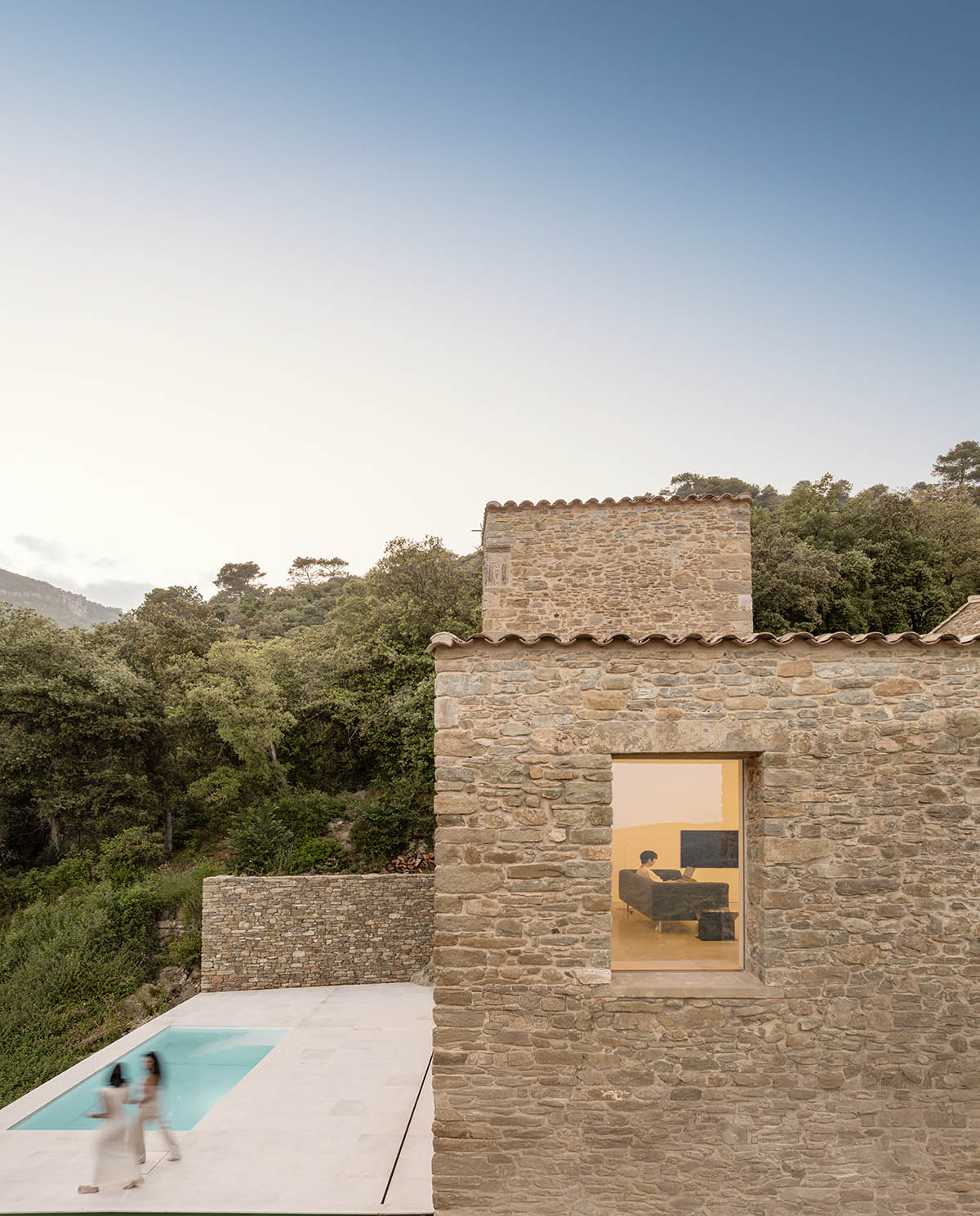
In order to improve energy performance, a layer of cork-based thermal insulation was added to the limestone bearing walls after they had been rebuilt and repaired.
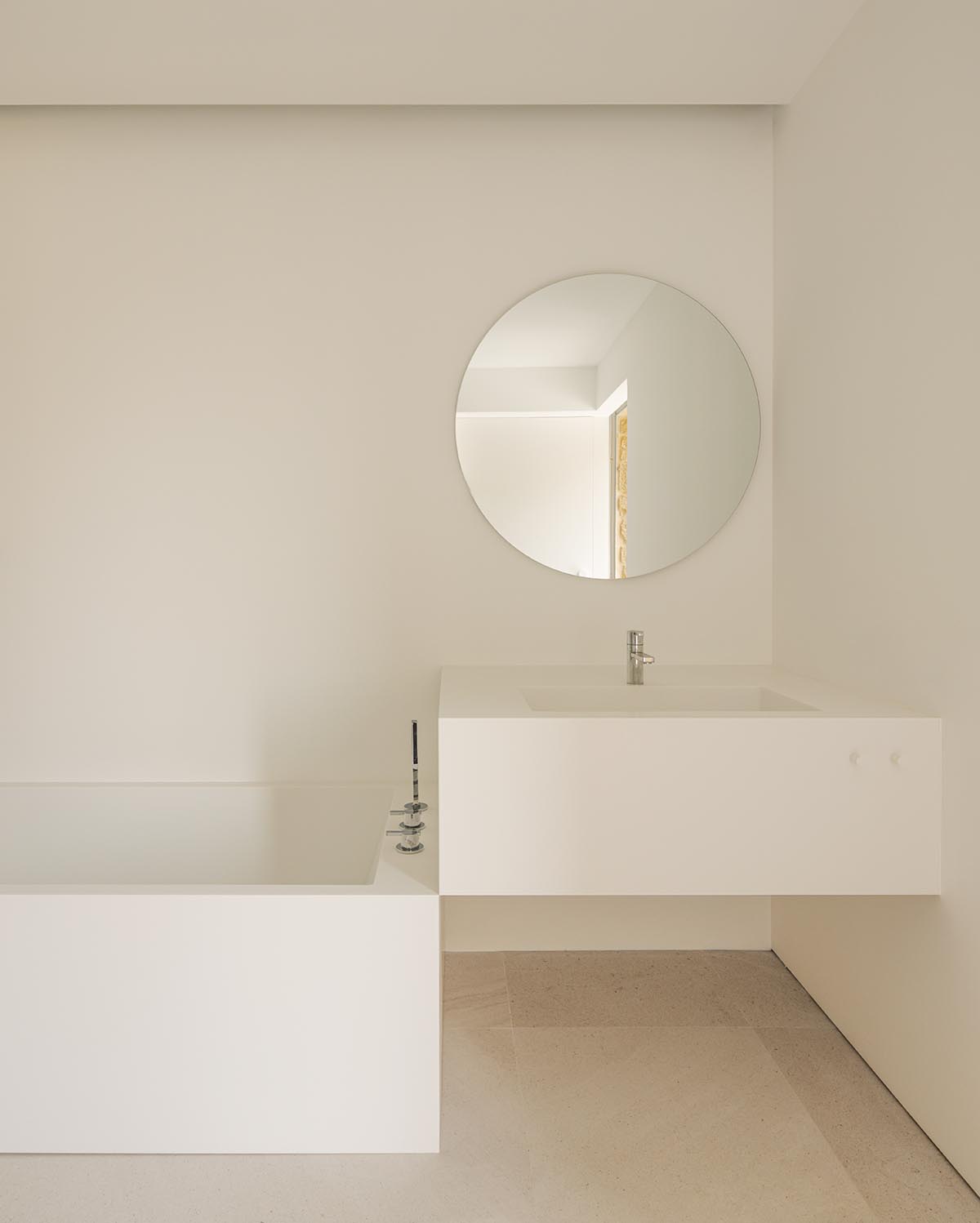
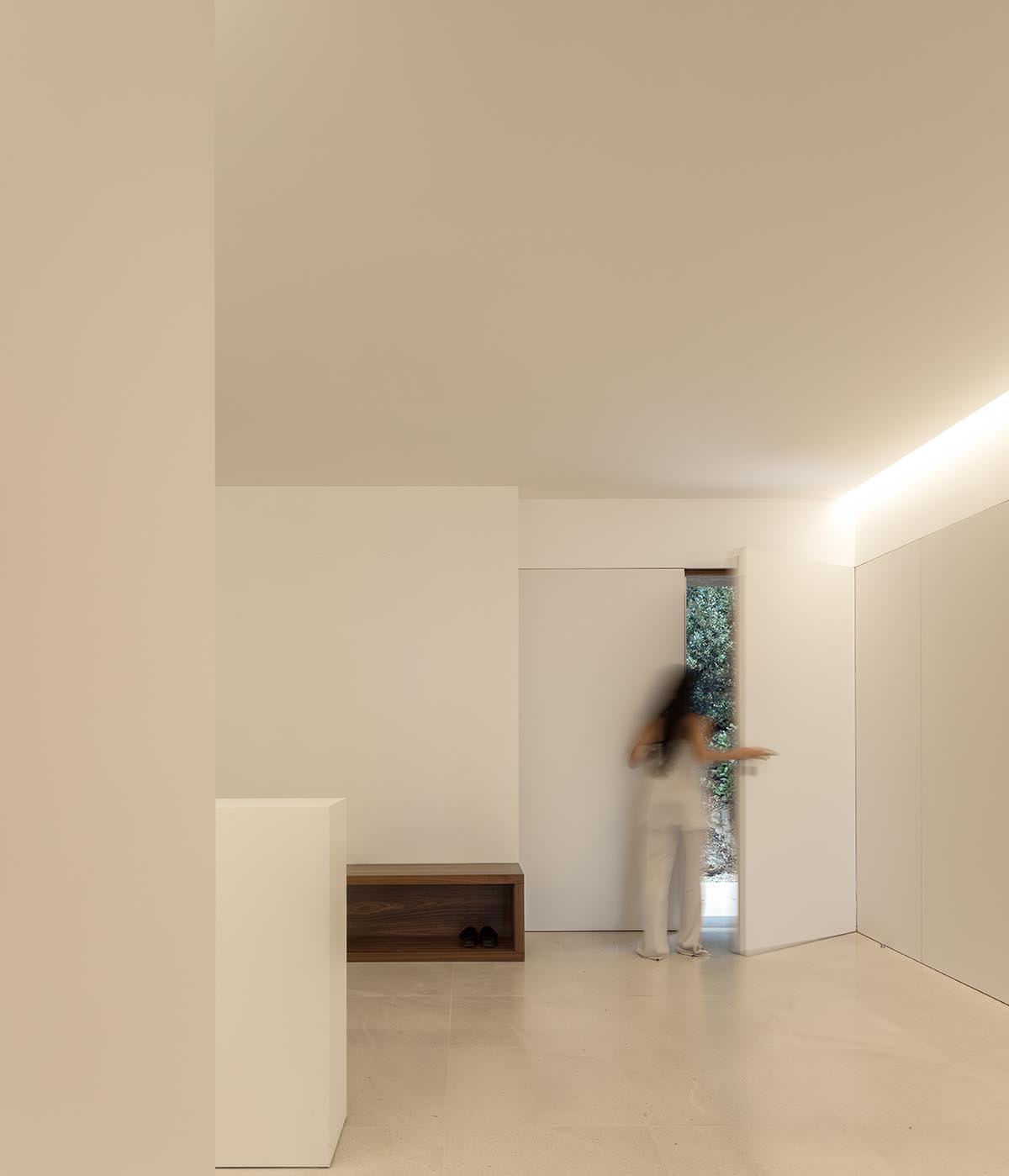
In order to enhance maintenance conditions, boost brightness, and covertly include all the devices required for modern living, a second skin was built within. Throughout the project, the limestone flooring preserves material coherence.
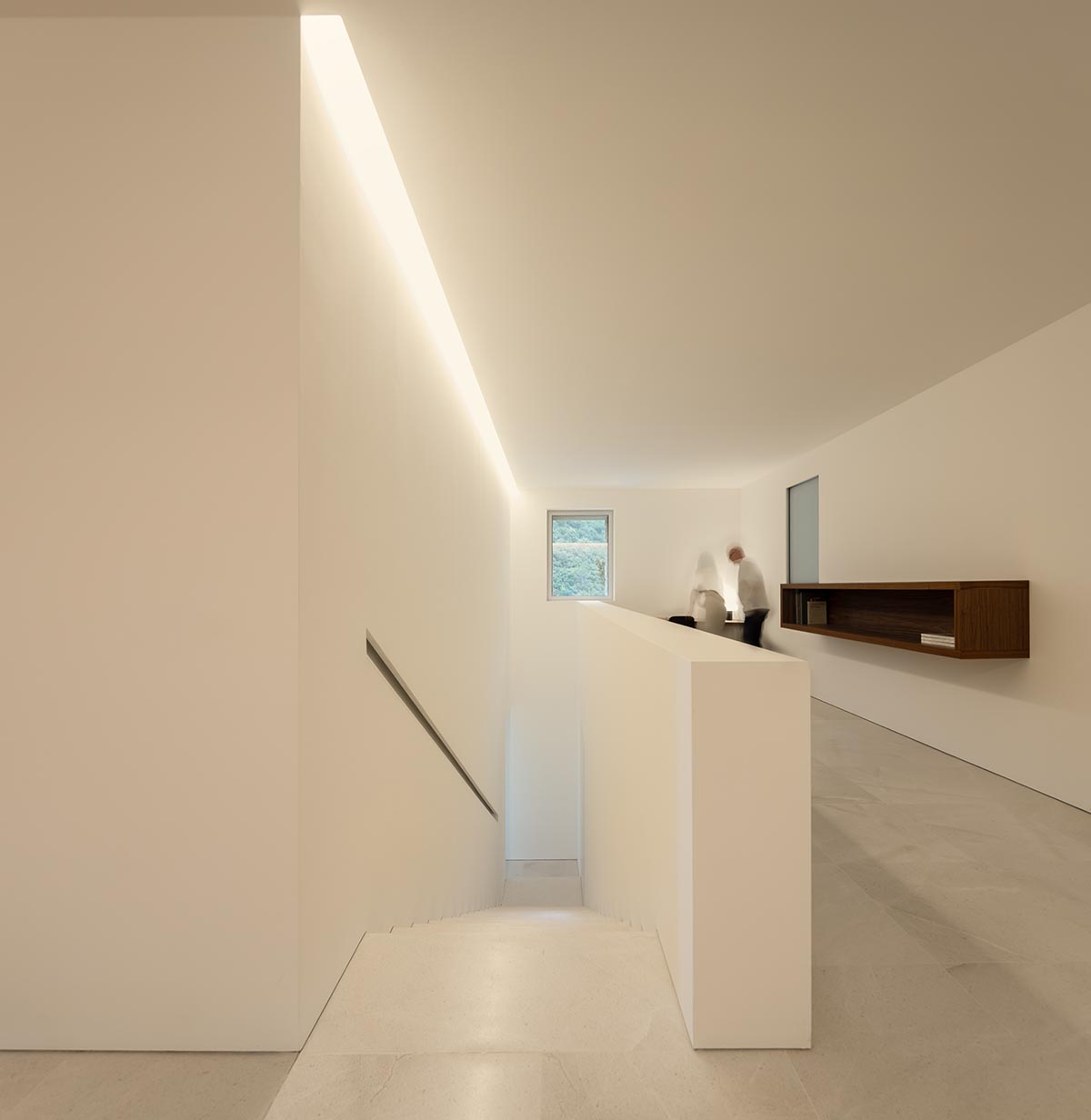
The interior has been imagined as a place that exists between product design and architecture. In this way, construction components come together at a single place, electrical outlets are flush with the walls, and every choice aims to be truthful with the time period in which the intervention was executed—creating a precise conversation between the existing and the current.
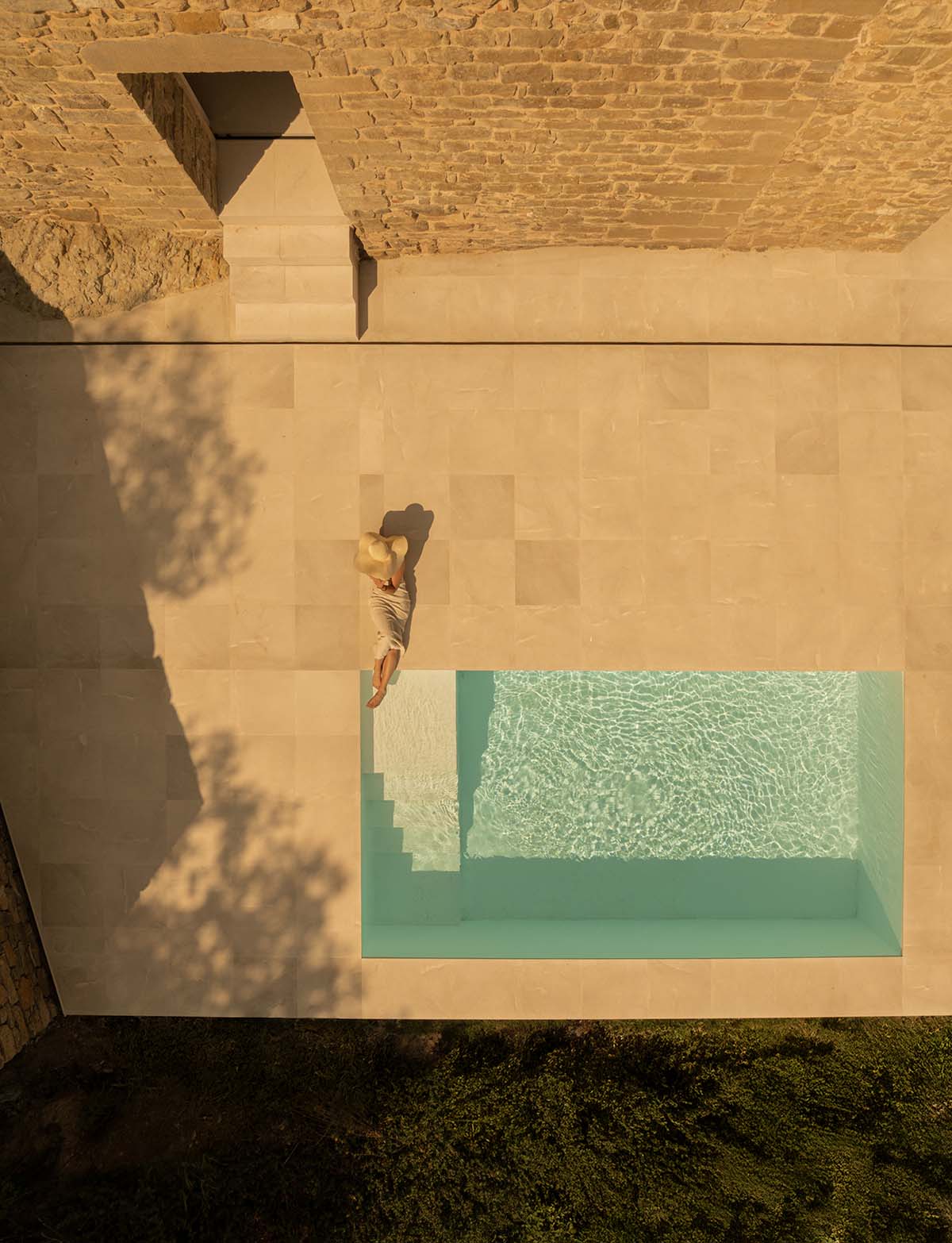
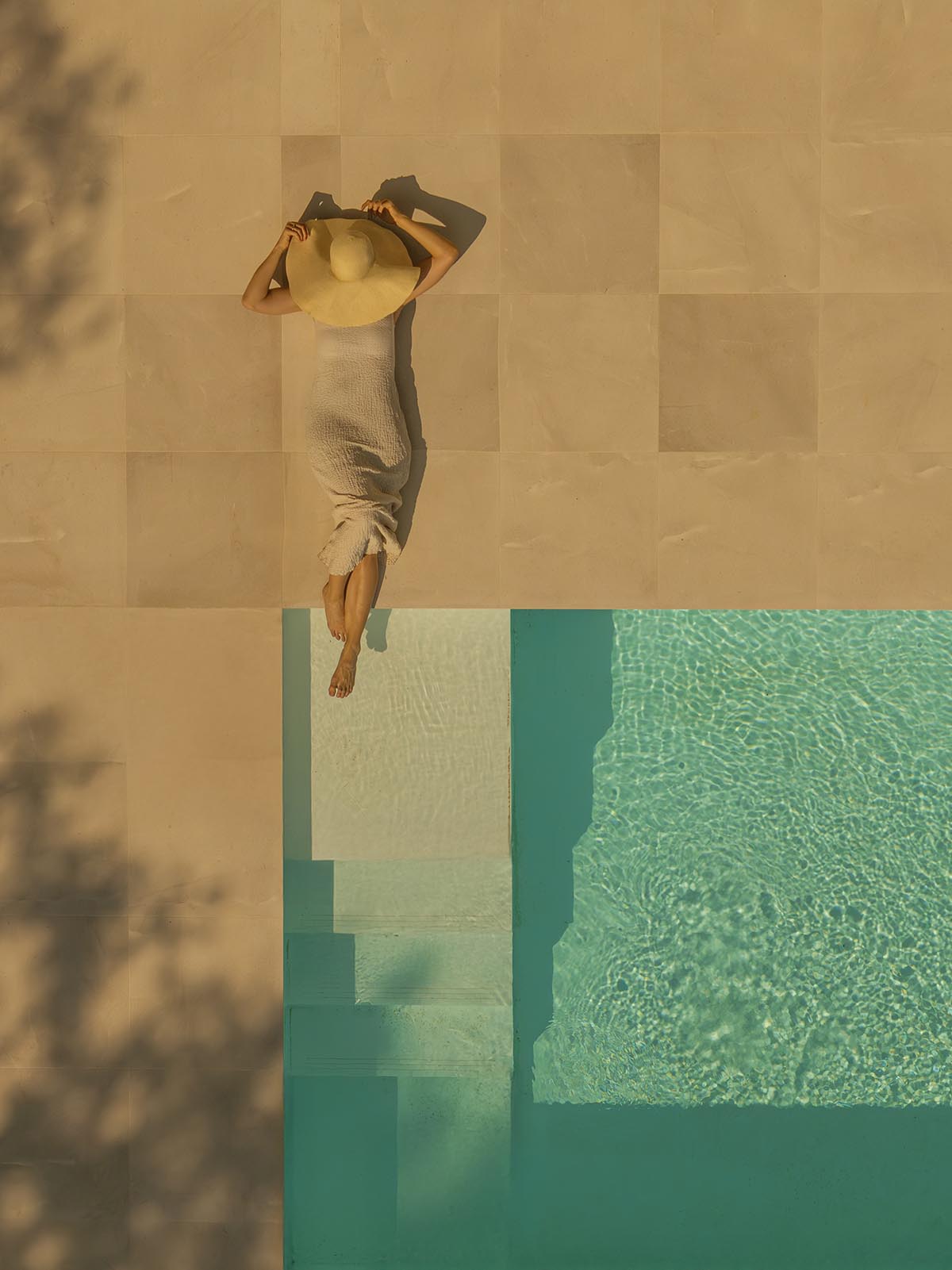
In terms of water and energy, the house is entirely self-sufficient. The residence attains a high degree of autonomy because of the installation of photovoltaic panels with batteries and a system of specially made cisterns. A cooling pool has been created out of one of the cisterns. The British couple who reside in the farmhouse can easily get enough food from the nearby hectares of land, some of which are cultivated.
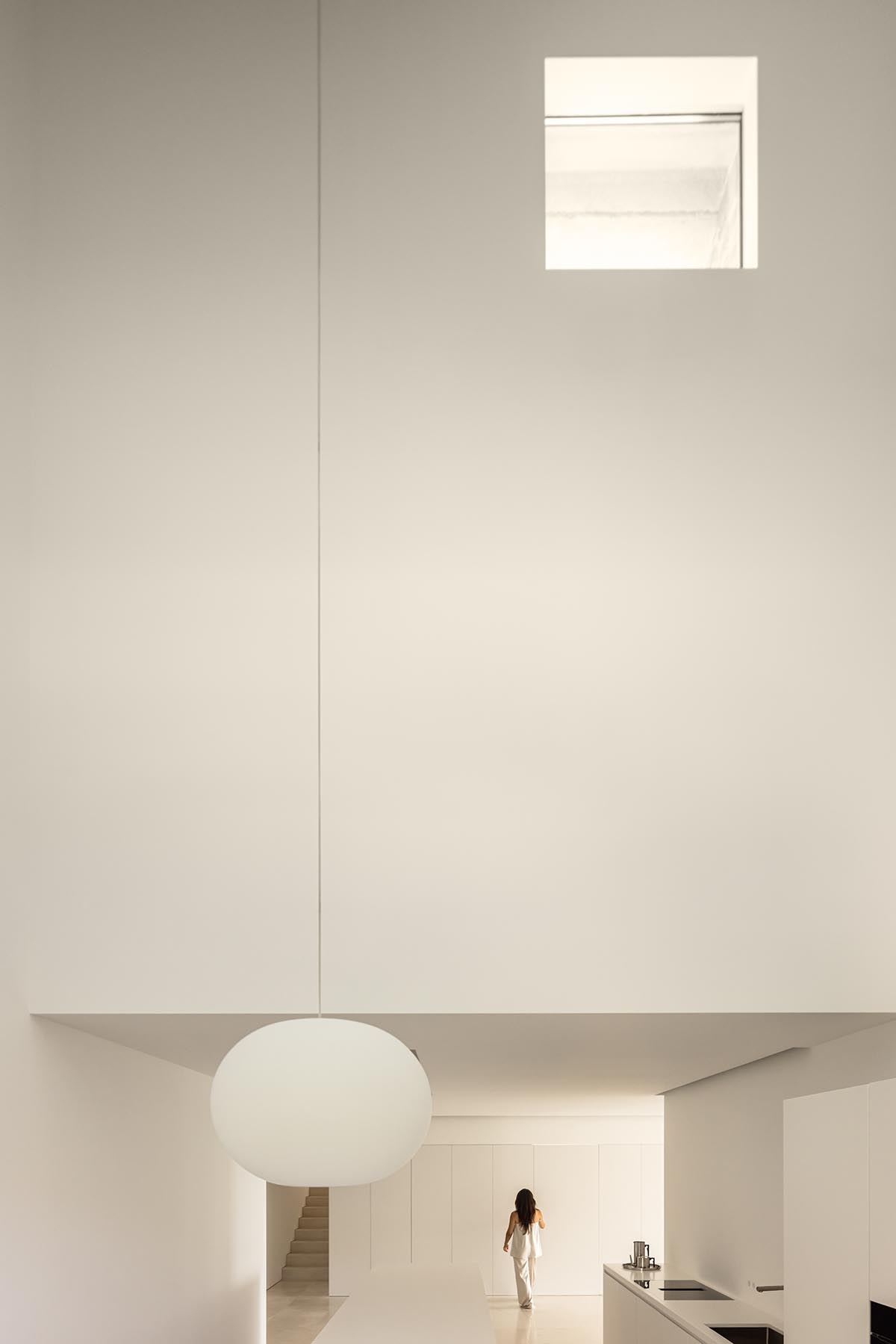
It's a common belief that when someone starts a creative project, their studio is filled with memories, worries, wants, friends, and adversaries. However, if one takes the required time, they all gradually dissipate, and if one is lucky, the self eventually vanishes as well.
The studio prefers to believe that this project was created with the same mindset, with the naturalness of adding only the missing pieces and repairing the damaged ones.



Roof plan

Basement floor plan

Ground floor plan

First floor plan

Sections
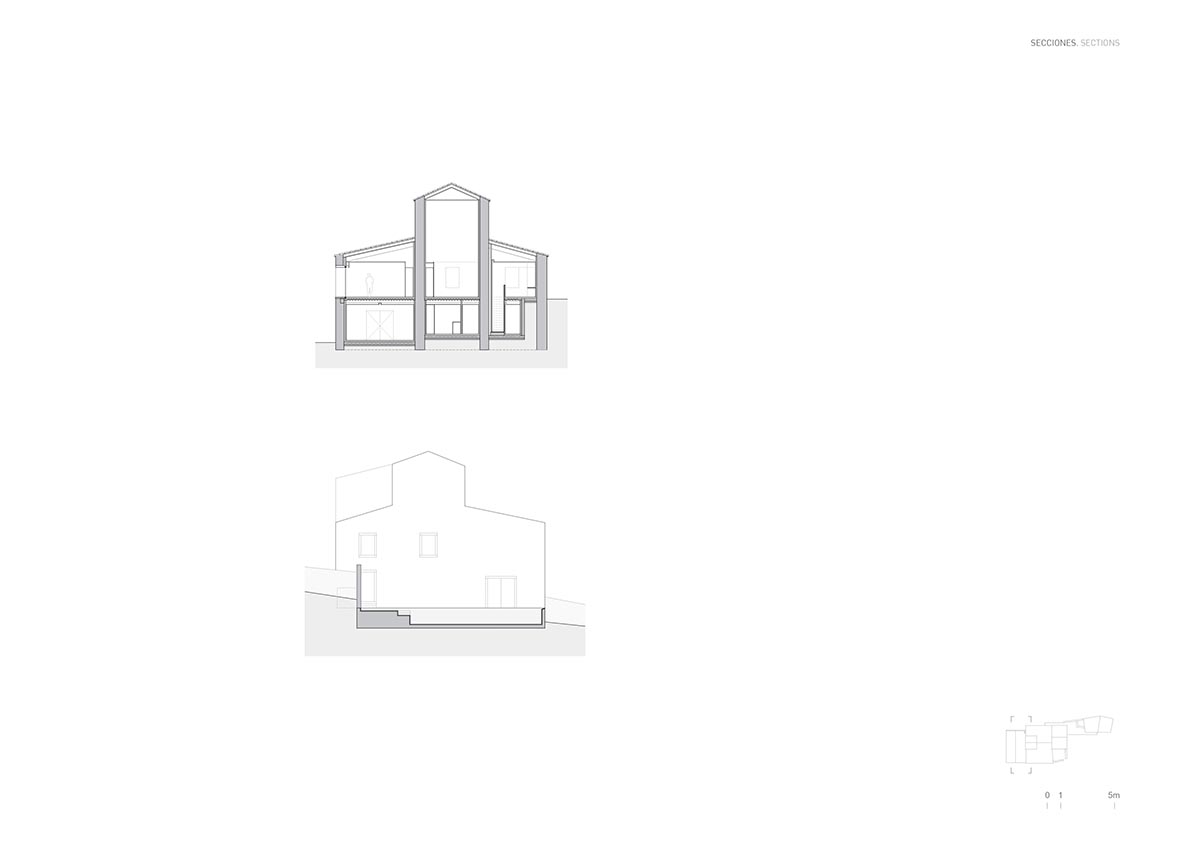
Sections
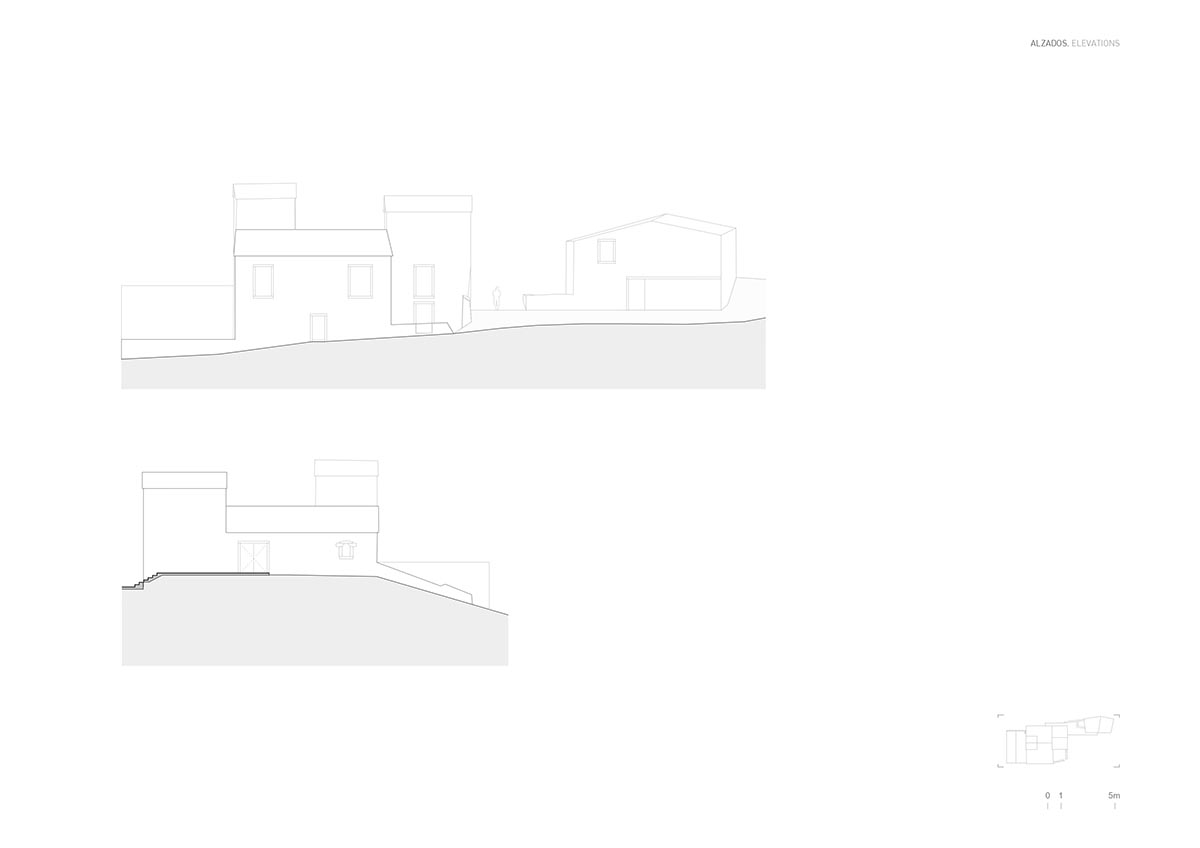
Elevations

Elevations
Fran Silvestre Arquitectos revealed design for a house composed of three circular volumes in Sotogrande, Spain. In addition, the firm unveiled design for a winery with curvacious form adressing winemaking process in Zayas de Báscones, Soria, Spain. Moreover, the studio designed a house featuring irregularly shifted volumes on an irregularly shaped plot within Altos de Valderrama, in Sotogrande, Spain.
Project facts
Project name: Mas Cadalt
Architects: Fran Silvestre Arquitectos
Project team: Fran Silvestre (Principal in Charge), María Masià (Collaborating Architect), Susana León (Collaborating Architect).
Interior Design: Alfaro Hofmann
Developer: Terence & Paula Woodgate
Technical architect: Xavier Baldrich
Structural engineer: Windmill Structural Consultants
General contractor: Construccions Costa Burch S.L.
Project team: Pablo Camarasa, Ricardo Candela, Estefania Soriano, Carlos Lucas, Sevak Asatrián, Javi Herrero, Facundo Castro, Anna Alfanjarín, Laura Bueno, Toni Cremades, Susana León, David Cirocchi, Neus Roso, Nuria Doménech, Andrea Raga, Olga Martín, Víctor González, Pepe Llop, Alberto Bianchi, Andrea Blasco, Laura Palacio, Carlos Perez, Jovita Cortijo, Claudia Escorcia, Diana Murcia, Olga Fernández, Daniel Fenollosa, Andrés Jiménez, Álvaro Navarro, Diana Chilingaryan, Maria Barberá, Roberto Marañón.
Location: Canet, d’Adri, Girona, Spain
Completion year: 2025
Plot area: 675.746 m2
All images © Fernando Guerra / FG+SG Architectural Photography.
All drawings © Fran Silvestre Arquitectos.
> via Fran Silvestre Arquitectos
farmhouse Fran Silvestre Arquitectos Girona restoration tradition