Submitted by WA Contents
Finalists' concepts are revealed for a new museum Bethany, Jordan
Jordan Architecture News - Nov 05, 2025 - 05:50 3705 views
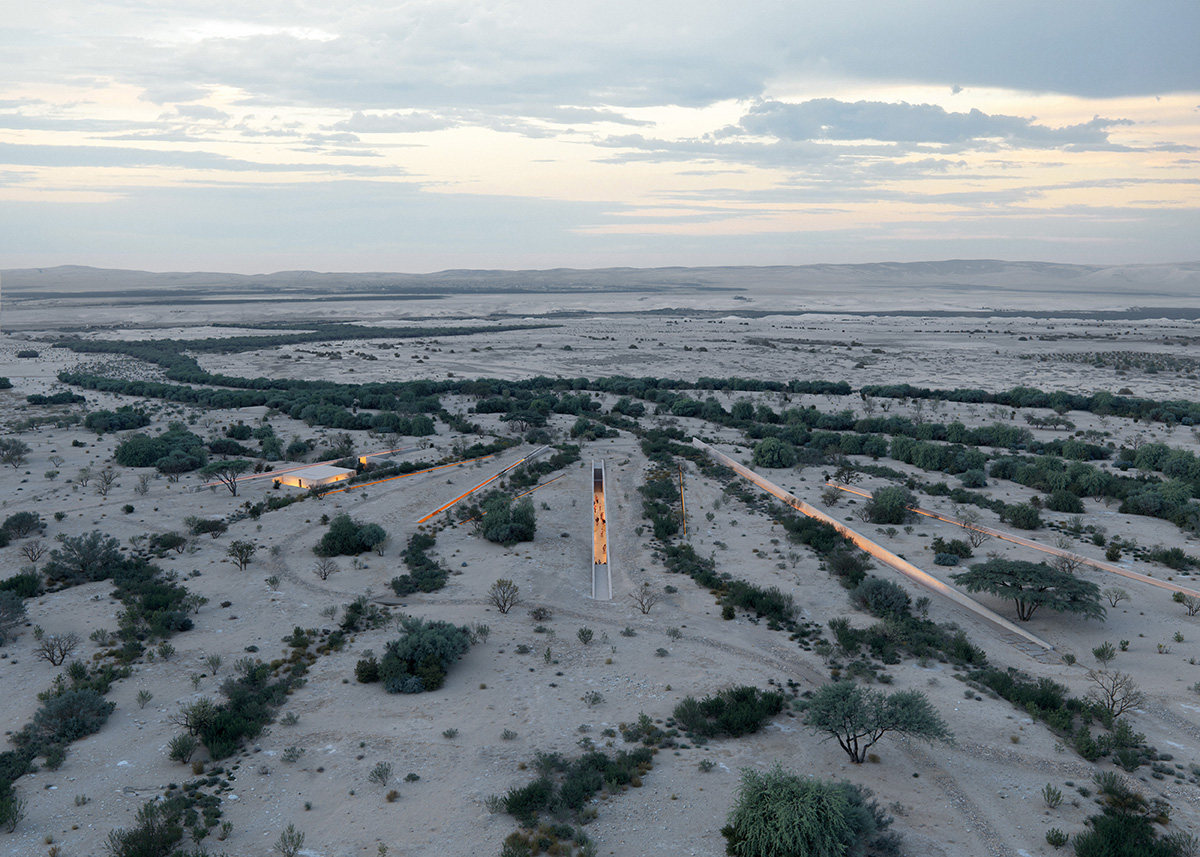
The shortlisted concepts for a new museum honoring Jesus Christ's baptism in an international design competition have been revealed.
Presented in an online gallery, international multidisciplinary teams led by AAU Anastas (Palestine, France, and Jordan), heneghan peng architects (Ireland), Níall McLaughlin Architects (UK), Studio Anne Holtrop (Bahrain, Netherlands), Tatiana Bilbao Estudio (Mexico), Toshiko Mori Architect (US), and Trahan Architects (US) are the finalists competing for the new museum in Jordan.
The seven concept concepts have been submitted for the international competition for a new museum in Bethany, Jordan, have been revealed to the public by the Foundation for the Development of the Lands Adjacent to the Baptism Site (the Foundation).

AAU Anastas' proposal with With Landscape Design – Florent Clier; Exhibition Design – dUCKS; Engineering – Webb Yates; and Lighting Consultant – Studio Gelatic. Image © AAU Anastas
AAU Anastas's museum is designed as a sinuous stone path made from local basalt, guiding visitors through the natural landscape while promoting thermal awareness and a deep connection with the surrounding environment. Rather than focusing on preservation, it fosters a dynamic relationship with the land, memory, and the changing climate, embodying sustainability as a form of intelligence.
The museum will be an internationally significant spiritual and cultural monument when it opens in 2030 to commemorate the bimillennial of Christ's baptism. It will enhance the experience of visiting the Baptism Site, which is situated on the east bank of the Jordan River. Al-Maghtas, also known as "Bethany Beyond the Jordan," has been a Christian pilgrimage site for centuries and is generally acknowledged as the location where John baptized Jesus.
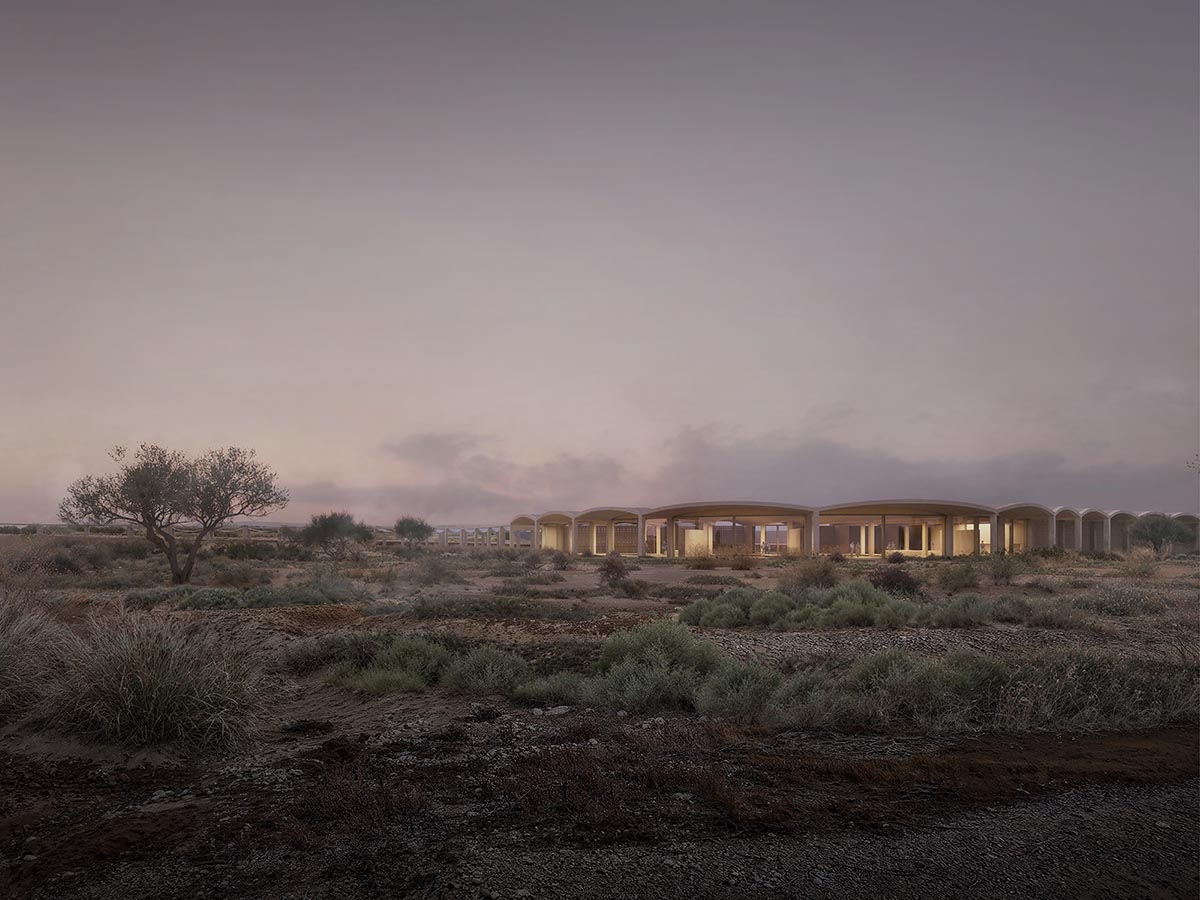 heneghan peng architects' proposal together with Landscape Design – Agence Ter and Lara Zureikat; Exhibition Design – Cookies; Engineering – Arup; and Lighting Consultant – Kardorff. Image © heneghan peng architects
heneghan peng architects' museum at Al-Maghtas focuses on preserving its ancient spirituality by engaging deeply with the site's geology and stratigraphy, allowing the land's whispers to guide its narrative. Though the river has dried up, its legacy endures in the soil, symbolizing the potential for spiritual and ecological renewal as water may one day flow there again.
Malcolm Reading Consultants is overseeing the invited competition for a multidisciplinary team lead by an architect that includes landscape design for the new museum.
In response to a brief request for an exemplary story-led museum and garden in a sacred location surrounded by a preserved wilderness—a setting devoted to the history and significance of baptism in the Christian faith—the seven shortlisted teams have spent the last few months creating concept proposals.

Níall McLaughlin Architects' proposal together with Landscape Design – Kim Wilkie Landscape; Exhibition Design – Nissen Richards Studio; Engineering – Arup; and Lighting Consultant – Studio ZNA. Image © Níall McLaughlin Architects
Níall McLaughlin Architects' proposed museum features a journey through contrasting spaces, merging permanent allegorical elements with flexible galleries, all constructed from local materials. Visitors transition from an arid wilderness garden to a lush paradise, with the design emphasizing spiritual connections through symbolic entrance ways and vistas of the Jordan River valley.
"In recent years museums have become as interested in creating experience and atmosphere as being artifact guardians: they’ve energized the dialogue between architectural and landscape design," said Barry Bergdoll, Advisory Panel member.
"Now for the very spot of Jesus’ baptism our finalist design teams are crafting – on and in the land – an experience that activates the topography of a site alive with spiritual and historical significance. And, doing so within the context of a UNESCO-designated wilderness and wadi landscape that faces epochal environmental challenges."
"A new engagement with the land “beyond the Jordan River” in its biblical, botanical, geological and ecological dimensions promises to enrich this astonishing place with design approaches attuned to what is latent in the site, with placemaking of the highest order," Bergdoll added.

Studio Anne Holtrop's proposal together with Landscape Design – Atelier Miething and Mazen Daqaq; Exhibition Design – Imagination; Engineering – Atkins Realis; and Lighting Consultant – Rogier van der Heide. Image © Studio Anne Holtrop
Studio Anne Holtrop's proposal for the Museum of Jesus’ Baptism integrates harmoniously with the surrounding pristine wilderness, emphasizing the site's spiritual and historical significance through a single expansive roof that enhances the natural landscape. It features a tree nursery, green corridors, and preserves existing wilderness to promote ecological resilience and provide meaningful spatial experiences.
Later in the fall, a panel of distinguished experts in the domains of architecture, landscape, museums, and heritage will convene to interview the finalists and provide a recommendation to the Board of the Foundation.
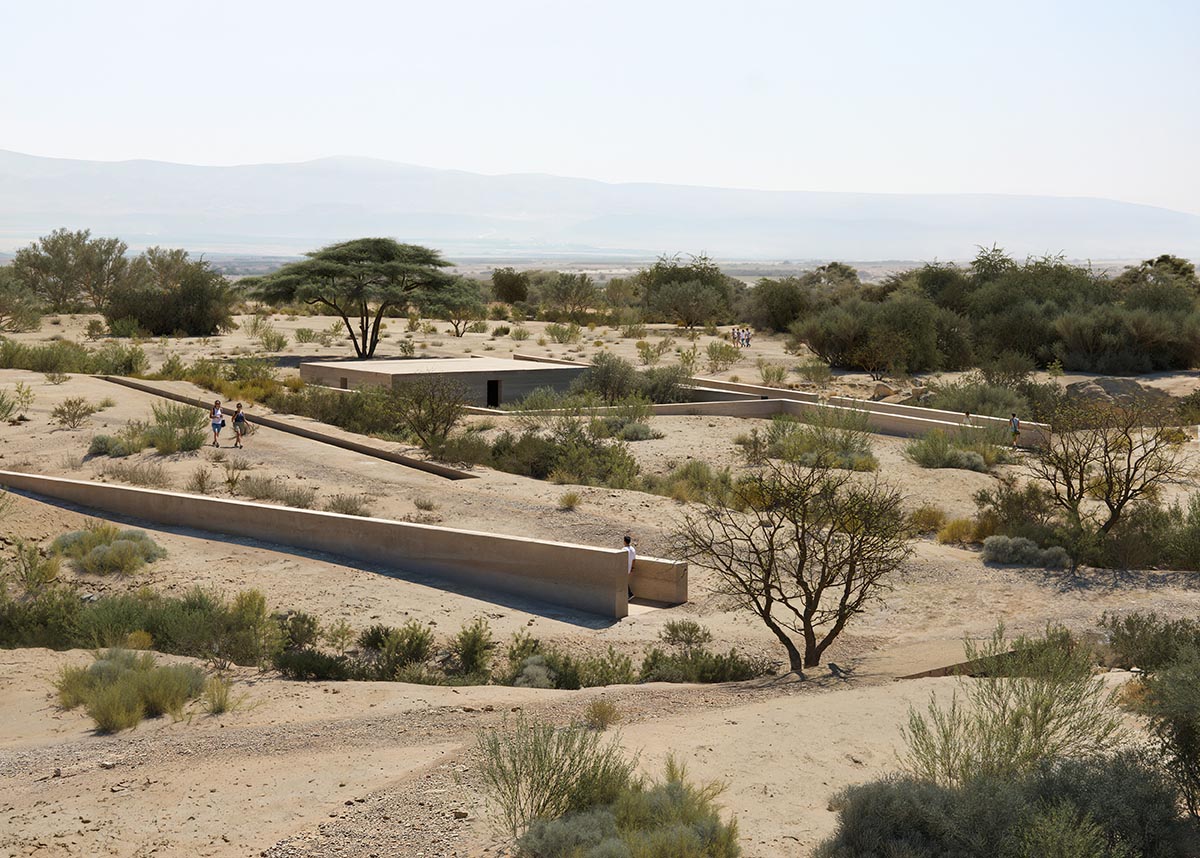
Trahan Architects' proposal with Landscape Design – Doxiadis+; Exhibition Design – Ralph Appelbaum Associates; Engineering – Buro Happold; and Lighting Consultant – Tillotson Design Associates. Image © Trahan Architects
Trahan Architects' Museum of Jesus’ Baptism aims to restore the ecological network of wadis that channel water to the Jordan River, enhancing the surrounding landscape while providing a serene space for contemplation. Its design features underground galleries and tranquil paths that guide visitors on a pilgrimage, reflecting the sacred act of Baptism through humble, locally sourced architecture.
The winner is anticipated to be announced early in 2026. Following the choice, the Foundation will collaborate closely with the chosen architect to develop the design in collaboration with UNESCO, local communities, and other relevant parties.
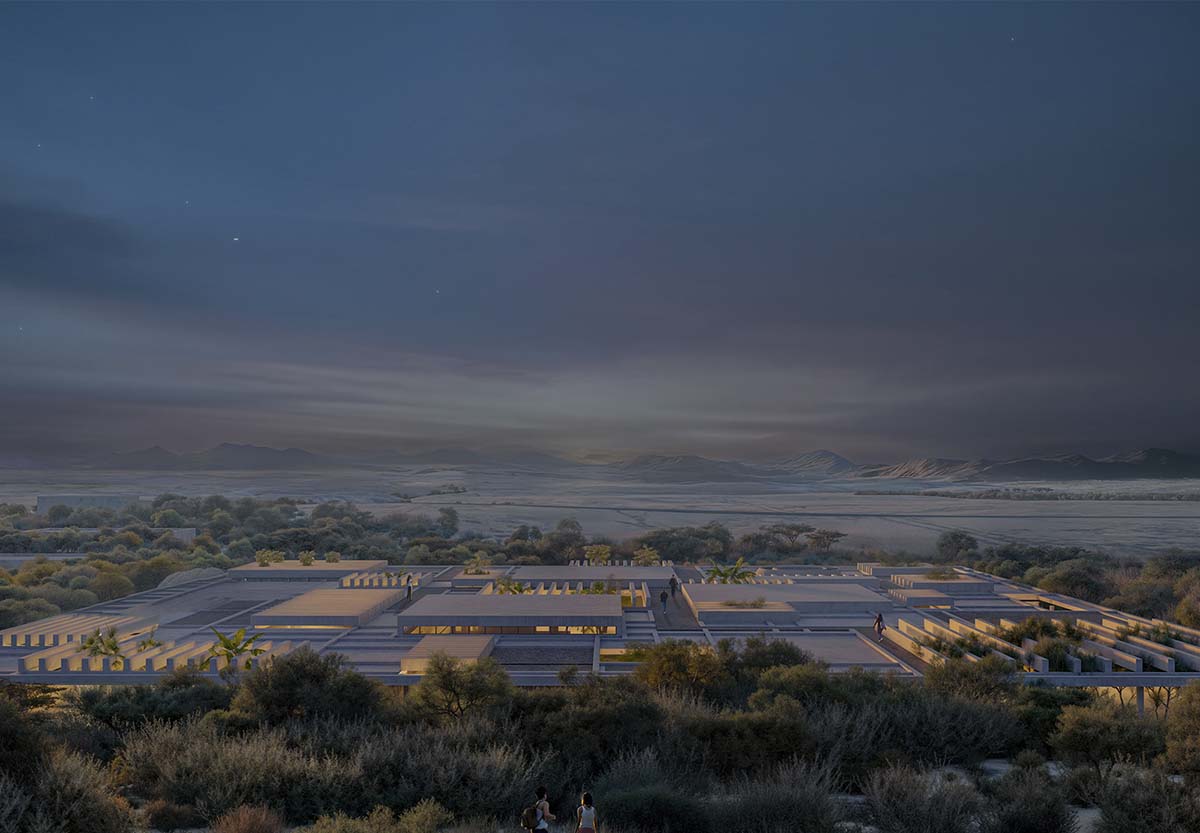
Tatiana Bilbao Estudio's proposal with Landscape Design – Bureau Bas Smets; Exhibition Design – Tatiana Bilbao ESTUDIO; Engineering – Sener; and Lighting Consultant – CUBE.BZ. Image © Tatiana Bilbao Estudio and CGVeron
Tatiana Bilbao Estudio's project is designed at the intersection of geometric order and the natural flows of wadi systems, creating a space that embodies both structure and movement. Central to the concept is the idea of baptism as immersion, with water playing a vital role in shaping the atmosphere and transforming the experience into one of connection with the landscape and spirituality.
Given its location in an area where many traditions have coexisted for millennia, the new museum will have a Christian focus while being friendly and inviting to everyone. It will provide an area for introspection and education and, depending on the visitor, get them ready for a deep spiritual connection. The museum will take tourists to the pilgrimage road that leads to the river, serving as both a literal and symbolic entrance to the actual Baptism Site.
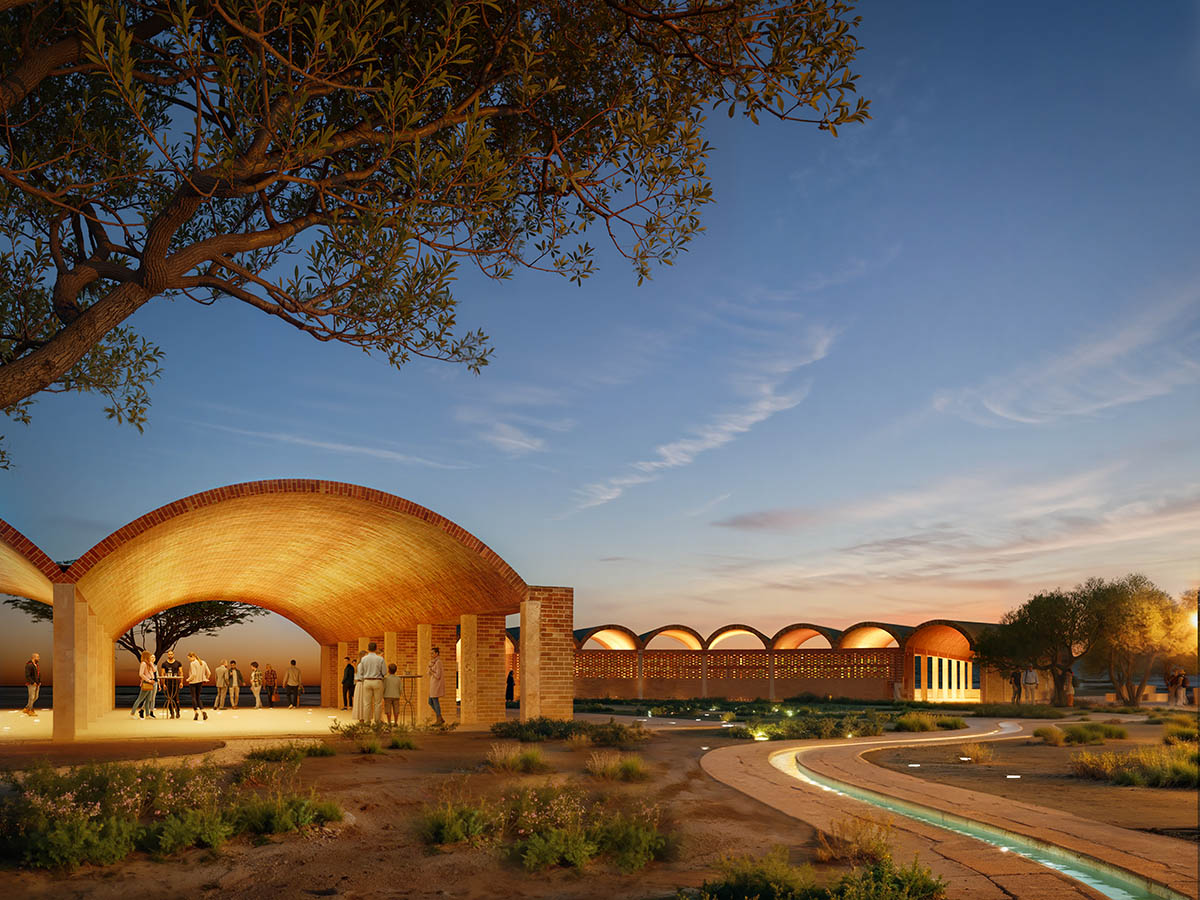
Toshiko Mori Architect's proposal together with Landscape Design – West 8; Exhibition Design – Atelier Tsuyoshi Tane Architects; Engineering – Arup; and Lighting Consultant – Kilt Planning. Image © Toshiko Mori Architect
Toshiko Mori Architect's project for the Museum of Jesus’ Baptism is designed as a humble and contemplative sequence of structures that reflect authenticity and reverence for the site, drawing inspiration from John the Baptist's simple dwelling. It features pavilions and gardens that intertwine nature, culture, and faith, creating a peaceful space for reflection and engagement with the sacred landscape of Bethany Beyond the Jordan.
The museum will serve as the focal point of the larger Baptism Development Zone (BDZ) masterplan, which will provide pilgrims, researchers, and tourists from all over the world a variety of visitor experiences. The museum is projected to get 400–450,000 visitors a year based on current patterns and projected expansion.
With funding secured, it has a working construction budget of about $30 million. The winning design from the competition will be evaluated in accordance with UNESCO's Guidance and Toolkit for Impact Assessments.
The top image in the article: Trahan Architects. Image © Trahan Architects and Mir.