Submitted by WA Contents
MVRDV creates a hill-shaped pavilion blending nature and architecture in Chengdu
China Architecture News - Dec 22, 2025 - 05:30 4671 views

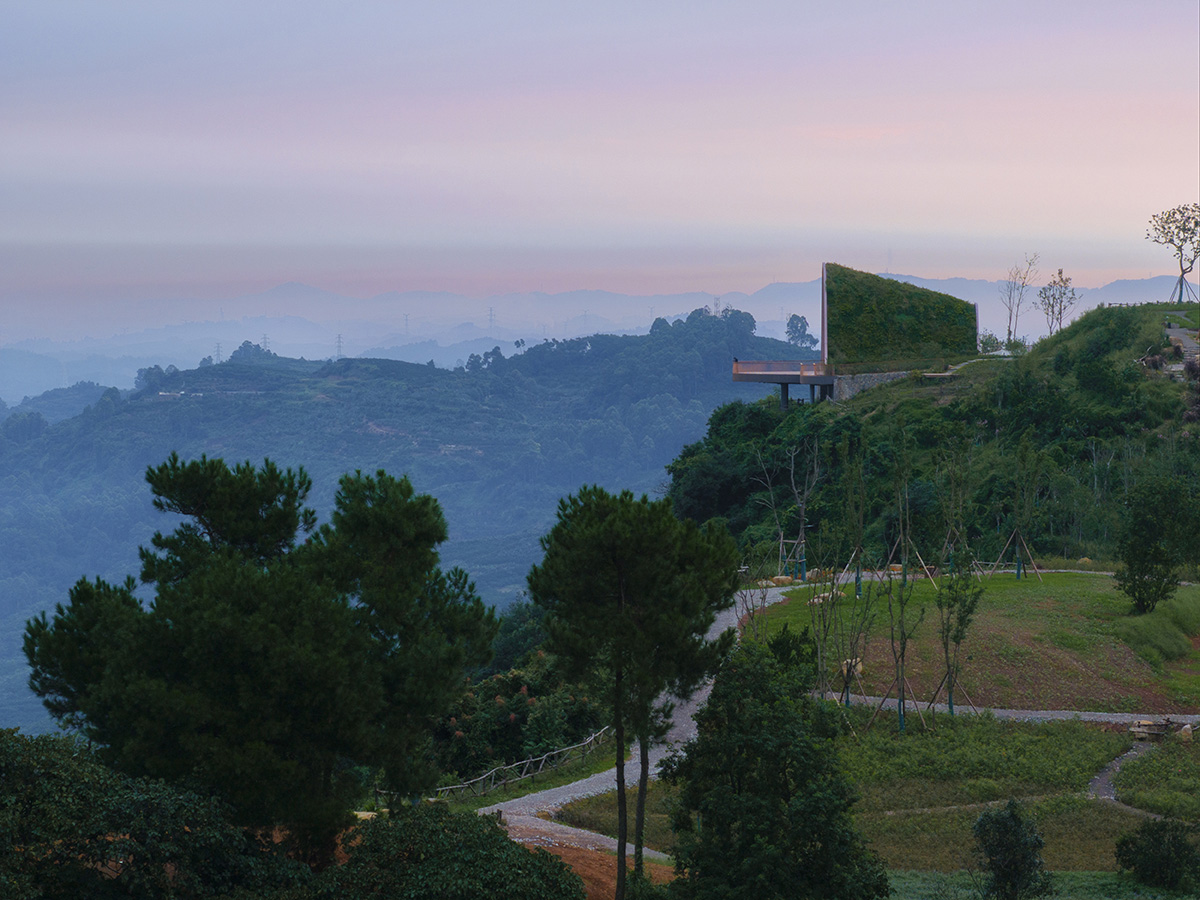
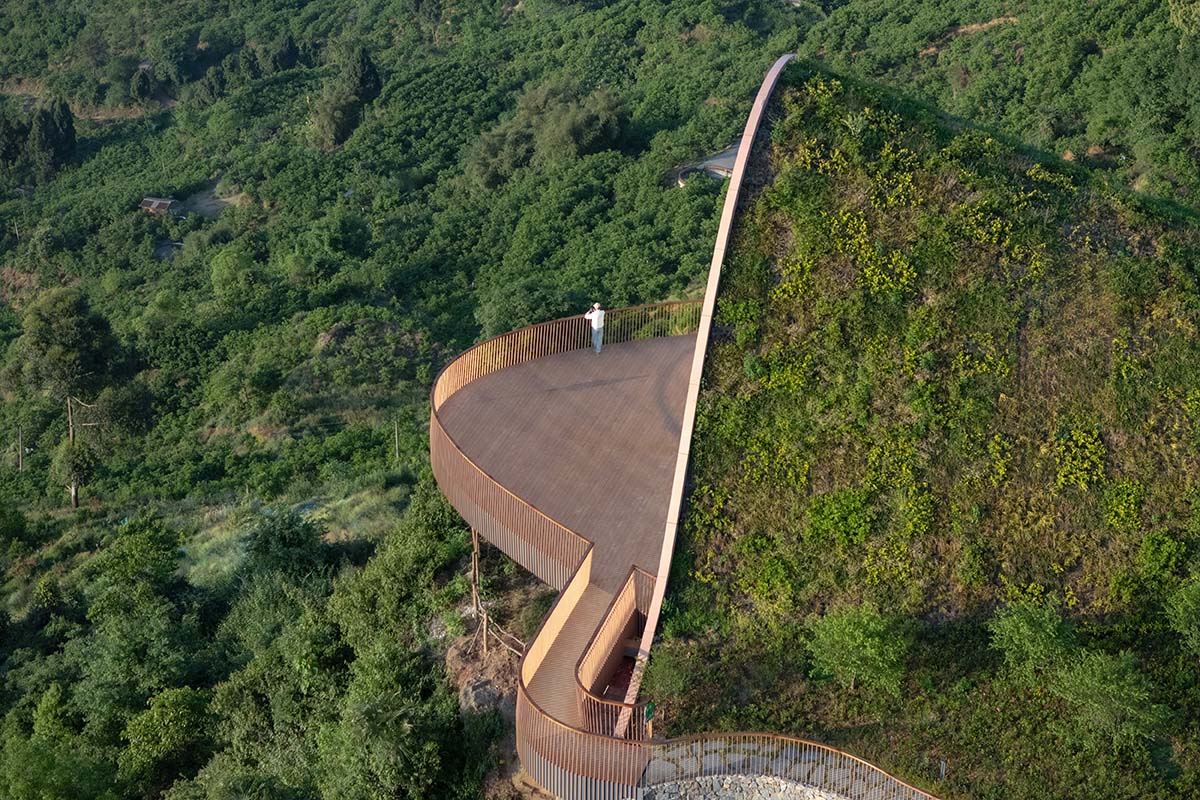
The Pujiang Platform, a viewpoint consisting of an arched, earth-covered timber pavilion situated among the hills south of Chengdu, has been completed by MVRDV.
Utilizing central China's breathtaking natural beauty, the project doubles as a tourist attraction and an event venue.
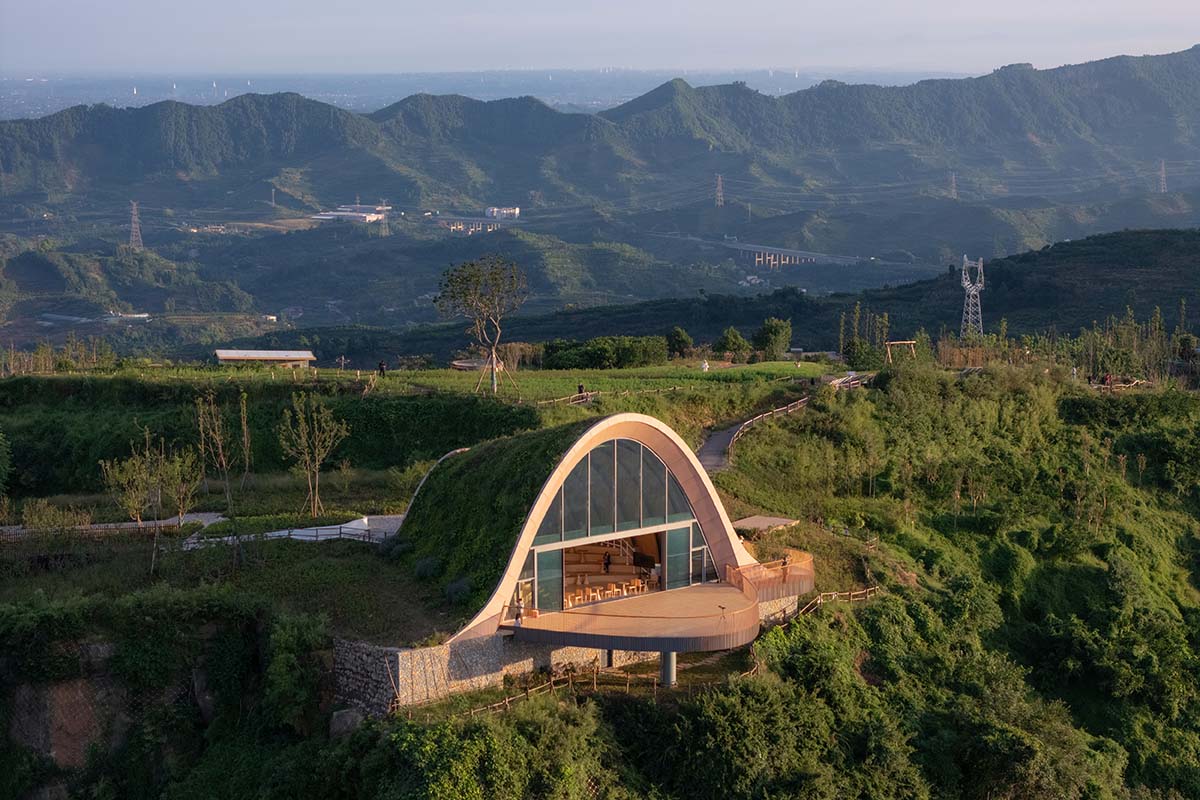
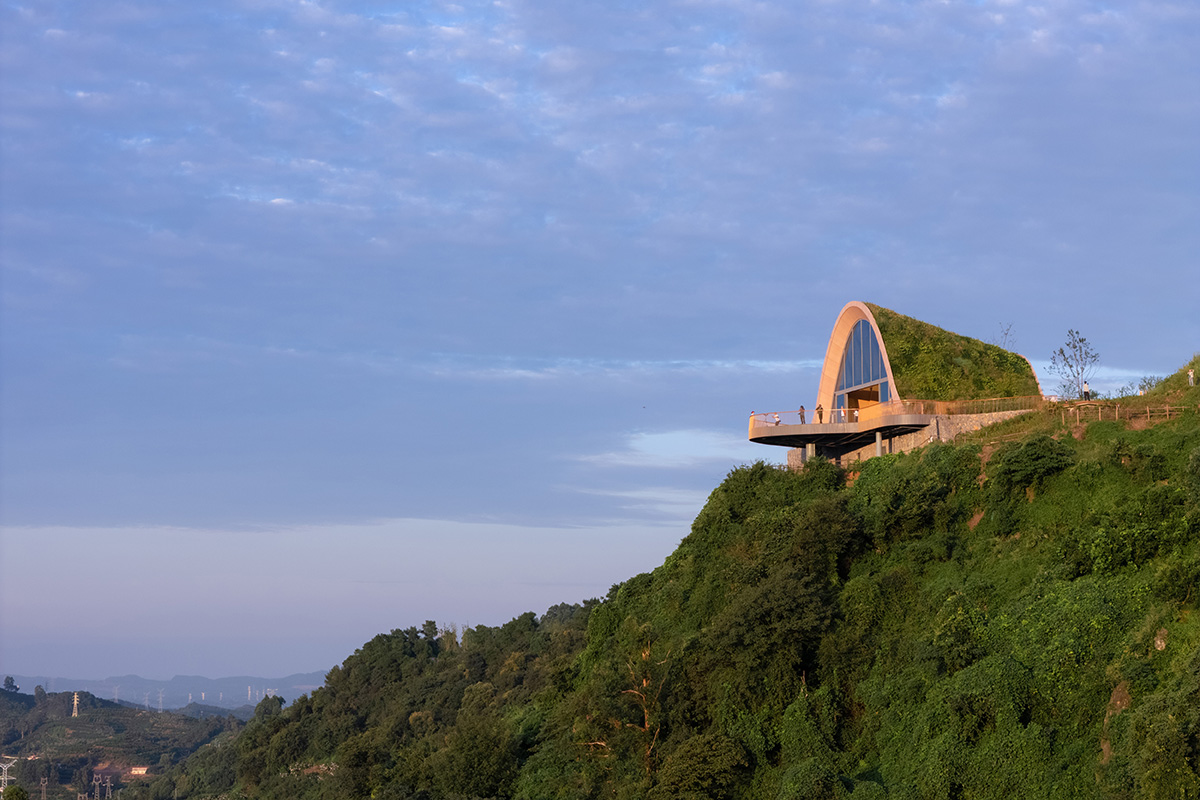
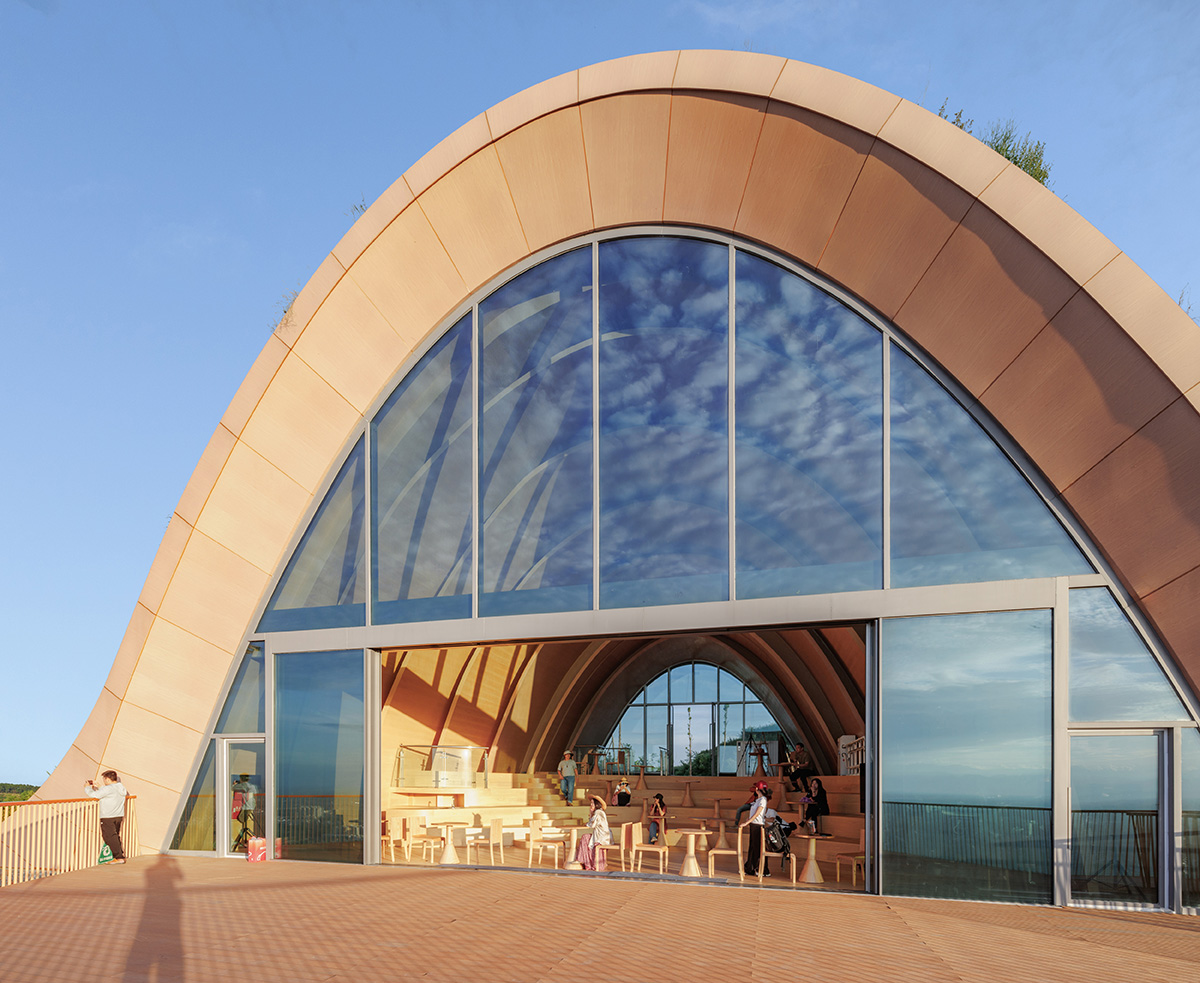
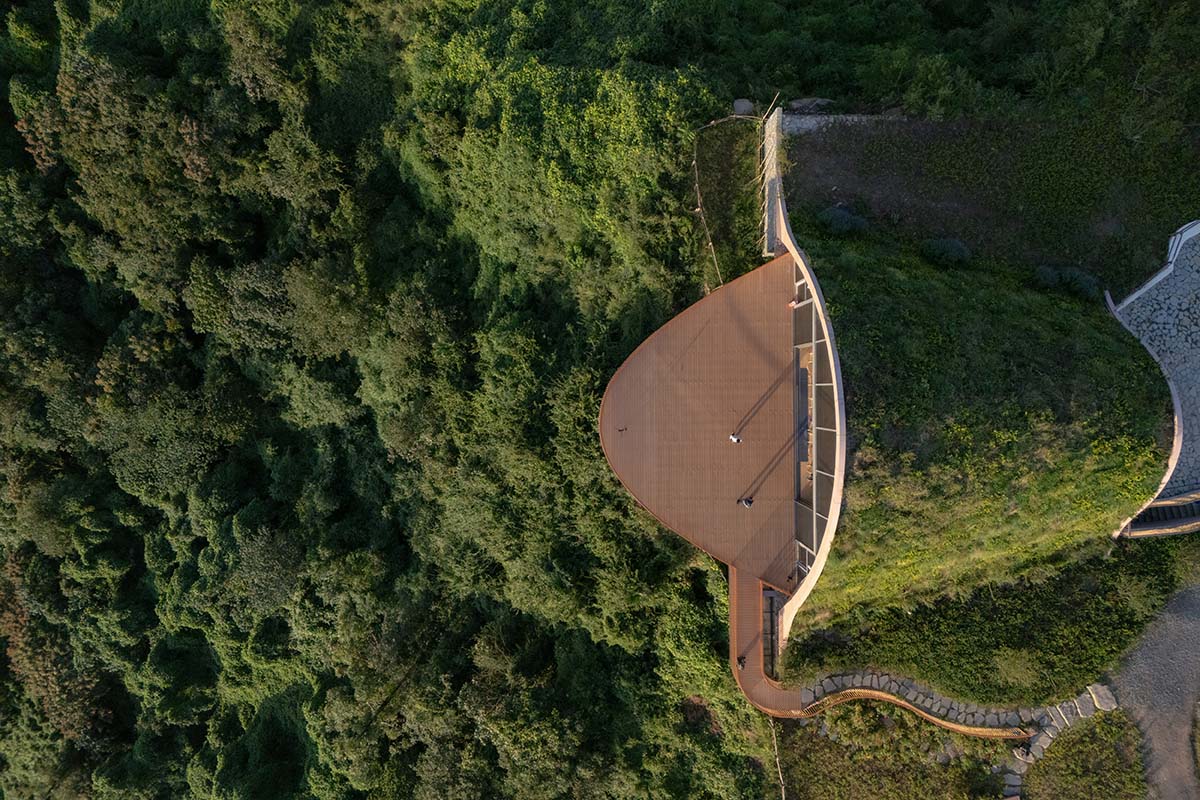
The 414-square-metre project consists of an event pavilion and a viewing platform. The building of earth-covered timber arches acquires a telescopic shape, attracting people to the large viewing window and balcony that protrudes over the slope.
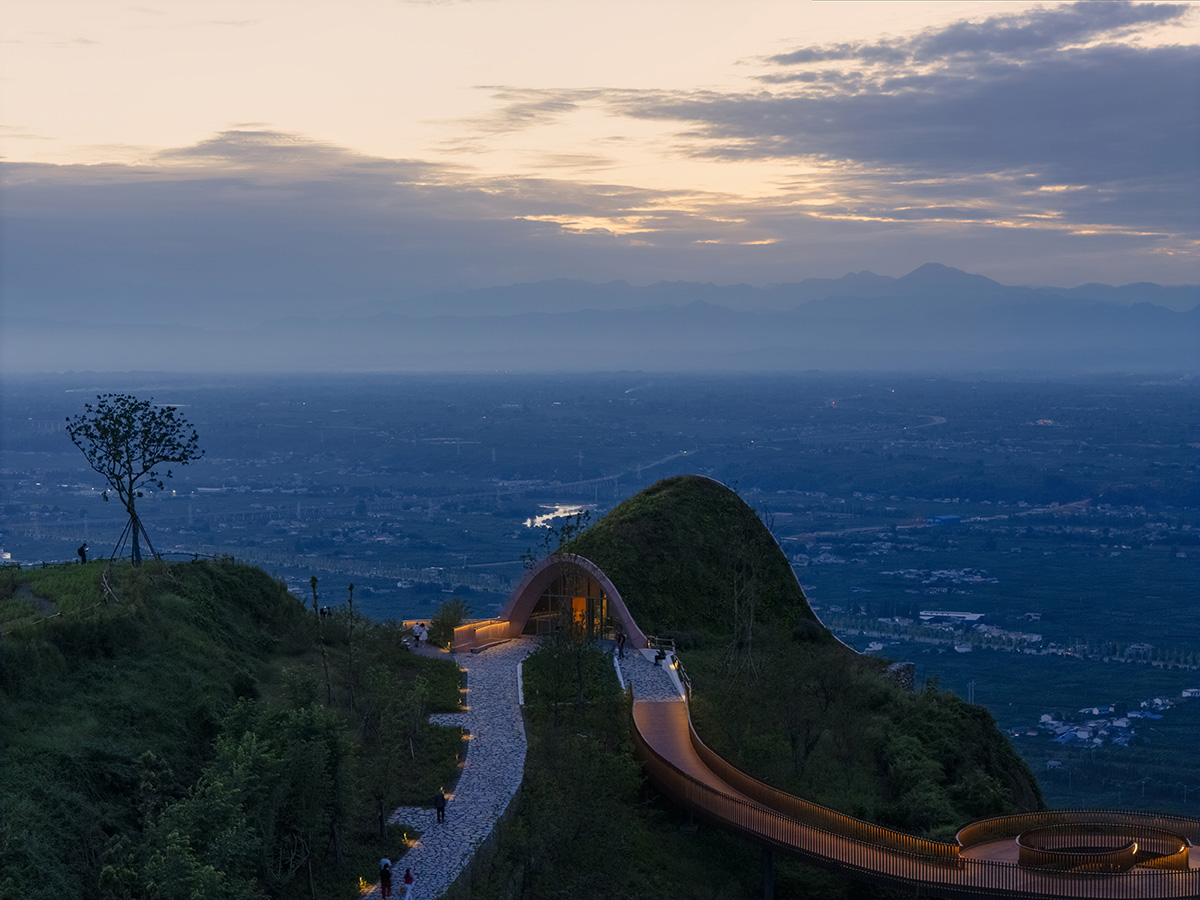
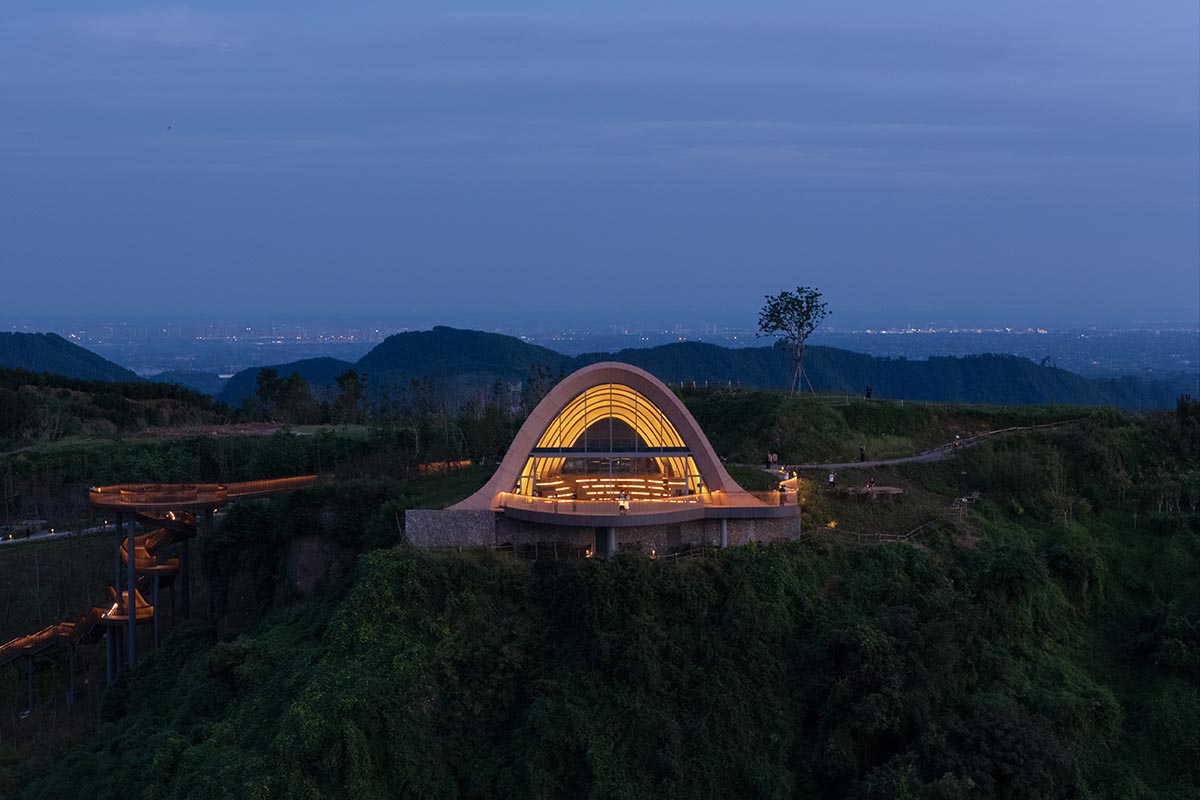
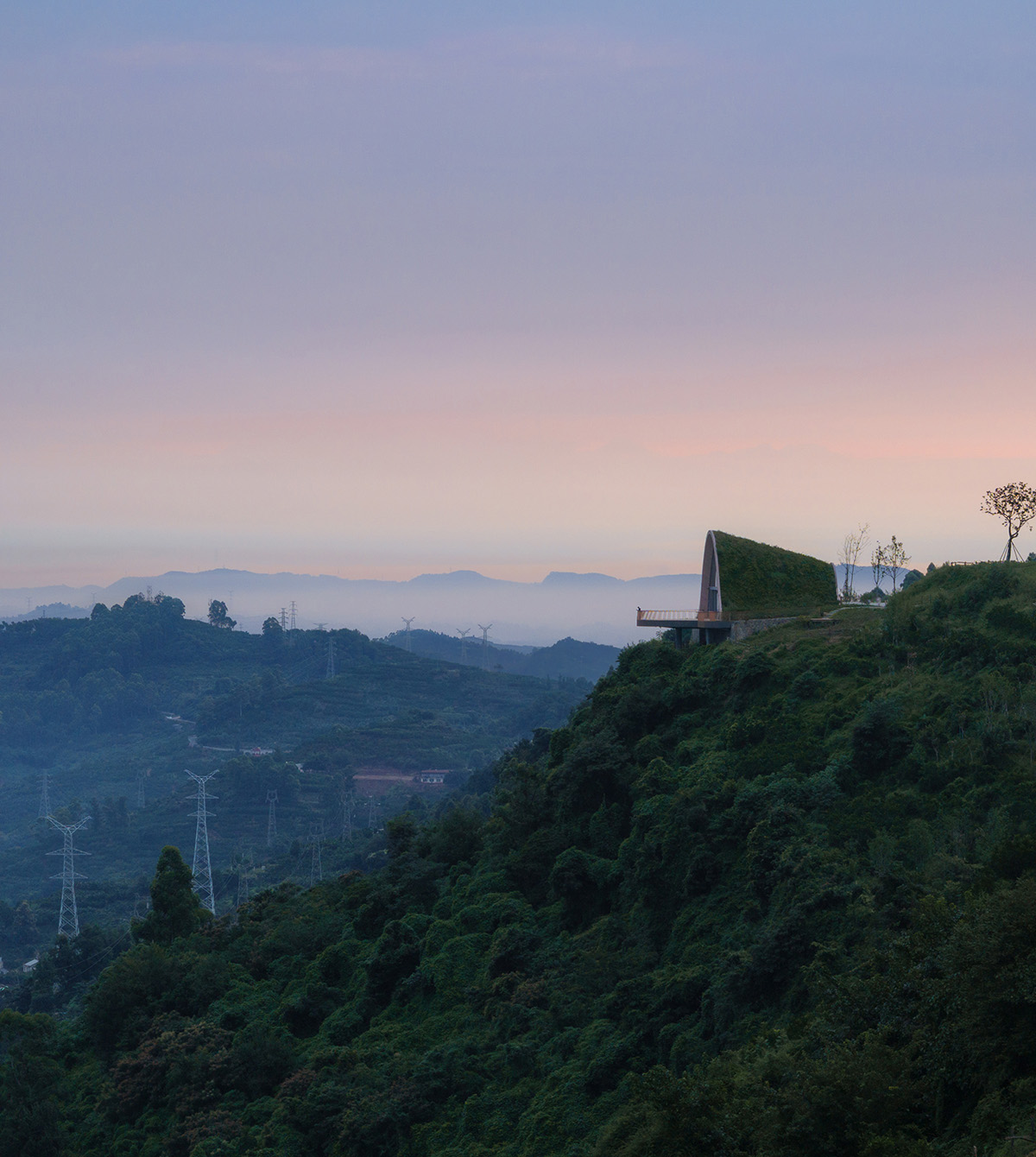
The pavilion s intended to blend in with the surroundings while simultaneously standing out as a beacon when viewed from the plains below.
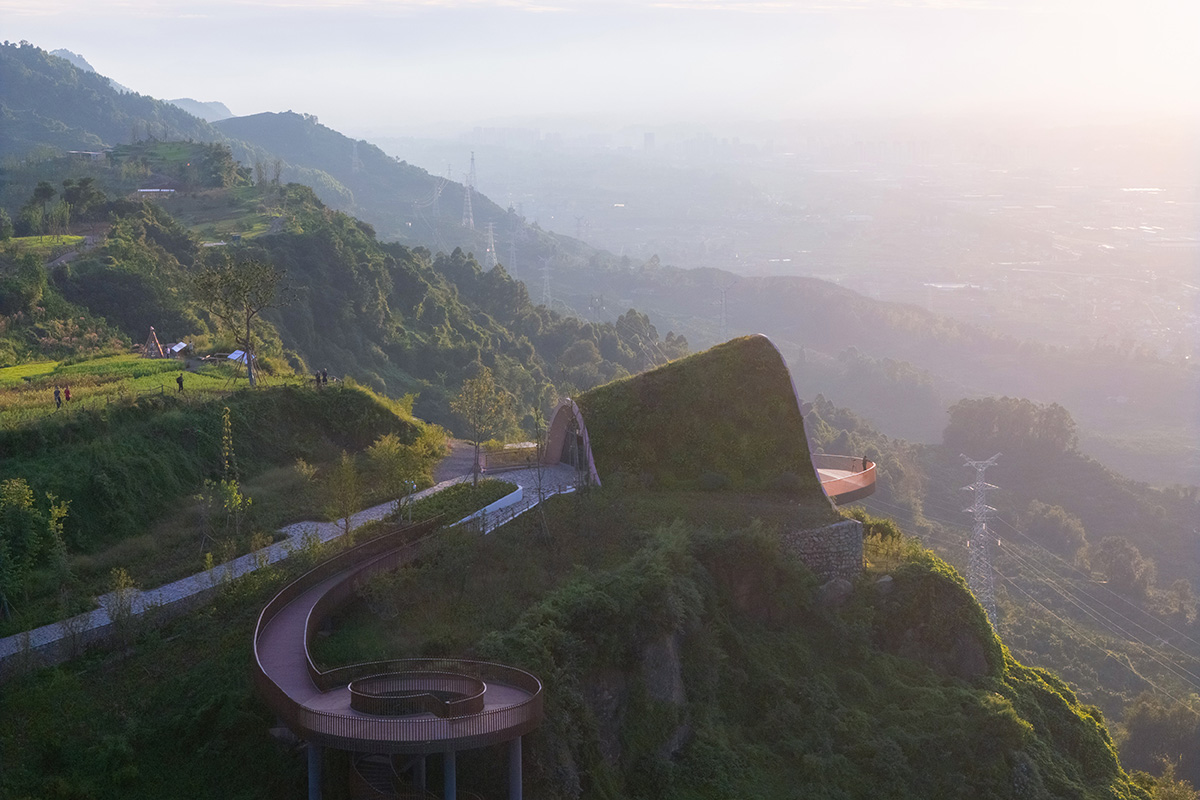
To the southwest of Chengdu, a new town called Pujiang is presently being developed with the goal of providing its citizens a superior, sustainable way of life. A straightforward existing overlook on the hills east of Pujiang provided spectacular views of the expanding town and the expansive Qionglai Mountain range behind it.
The Pujiang County Planning and Resources Bureau commissioned MVRDV to renovate this viewpoint, making it a popular tourist destination and a venue for events ranging from government meetings to weddings.
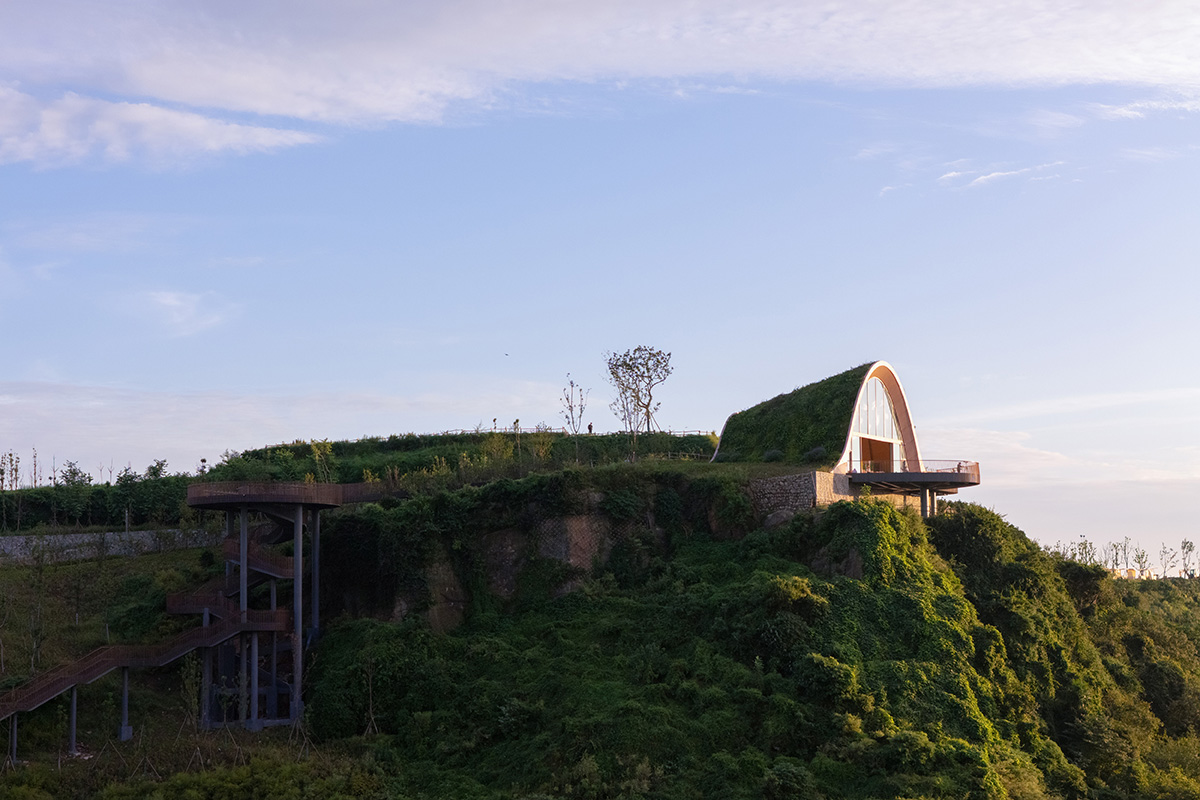
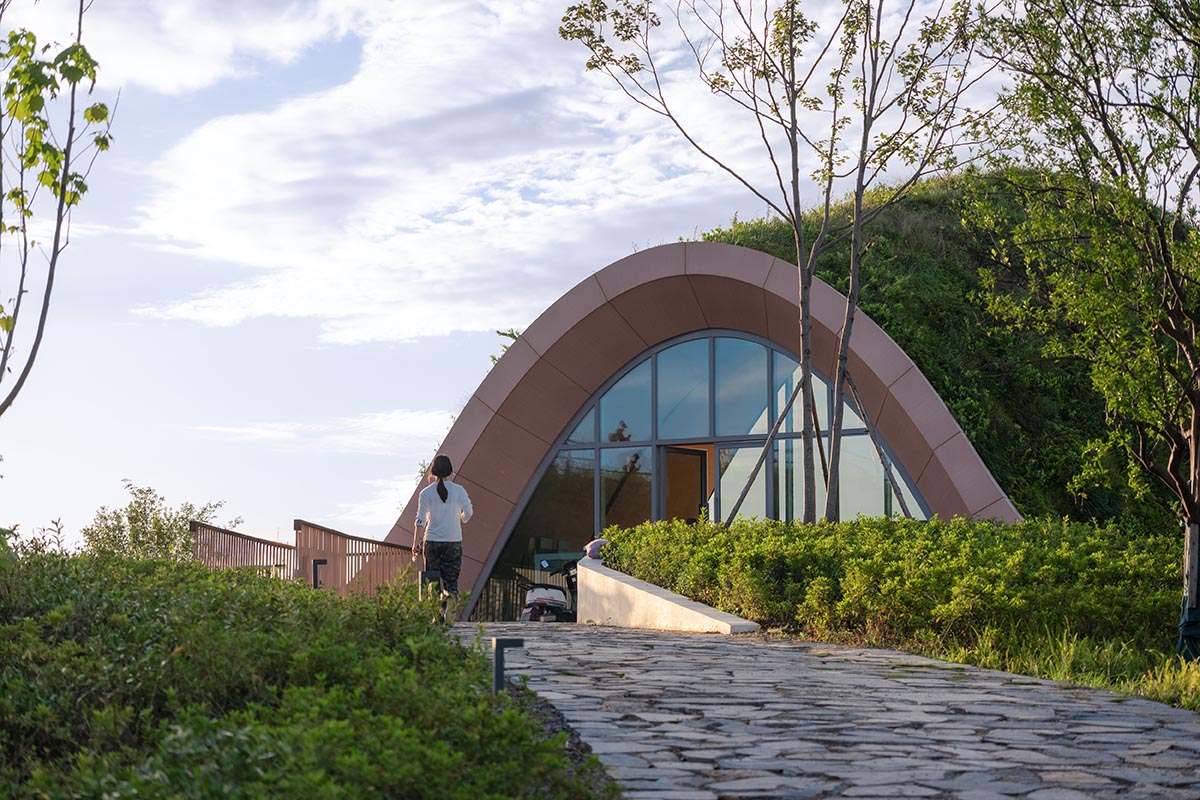
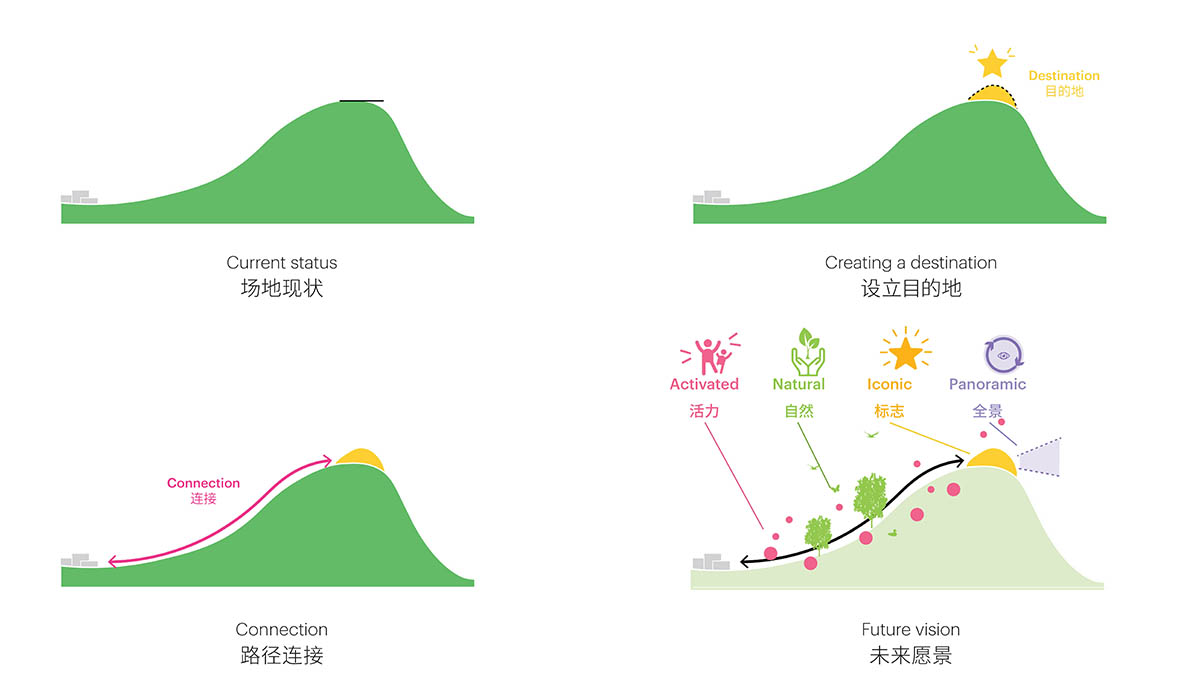
The finding that the hill had been leveled during the building of the previous viewing platform served as the catalyst for MVRDV's design. The design echoes the previous hill by building an arched pavilion covered with an earth berm that blends in with the surroundings.
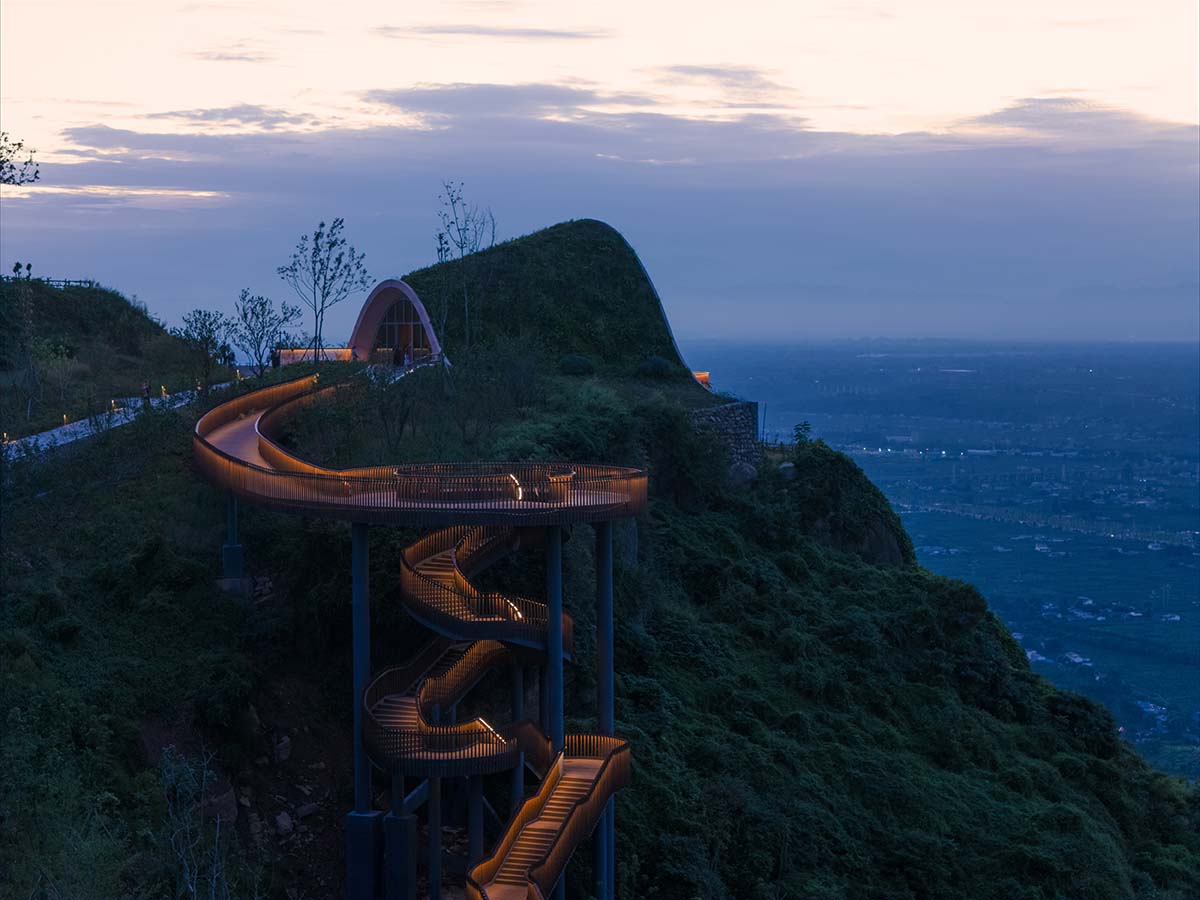
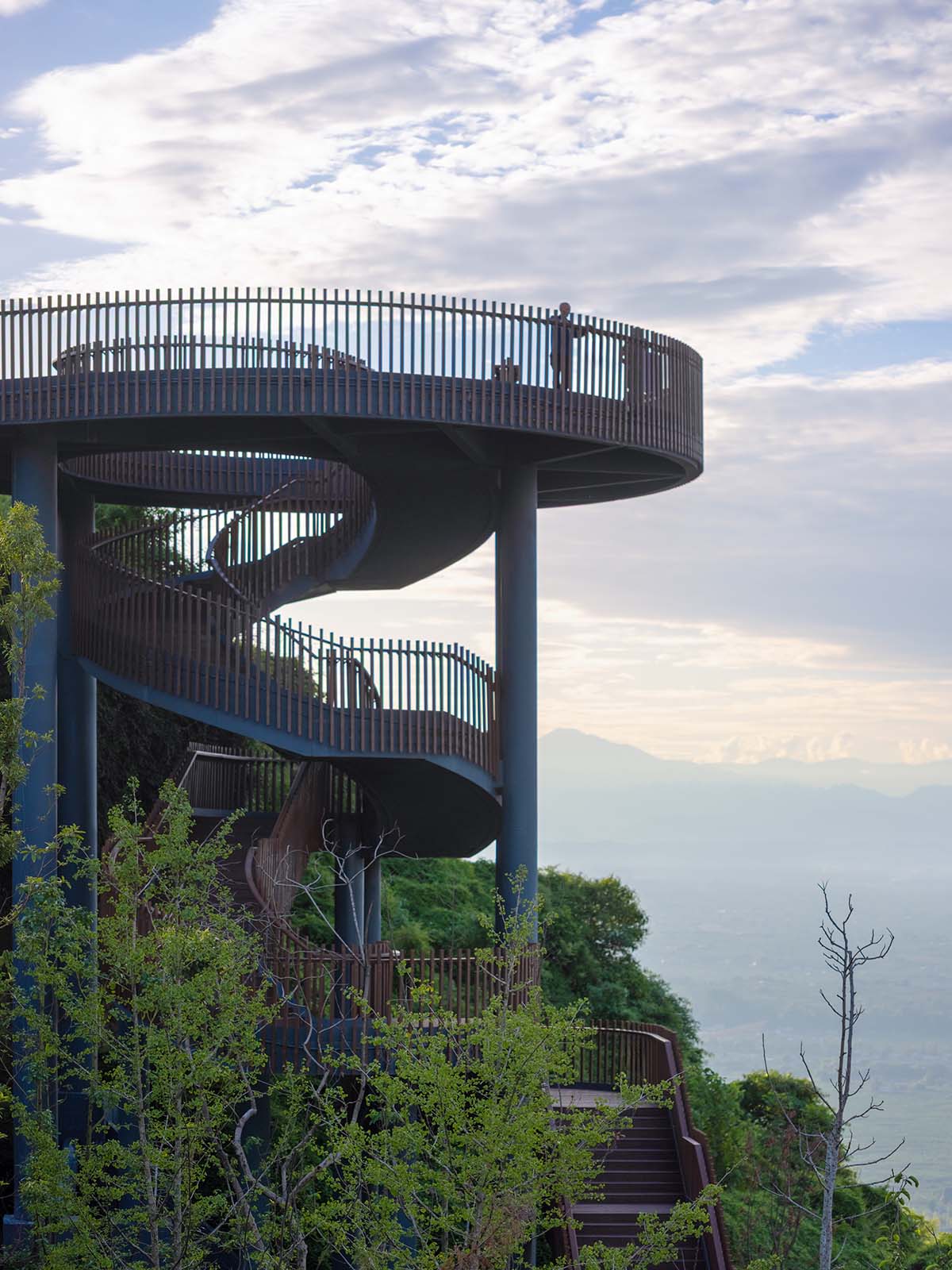
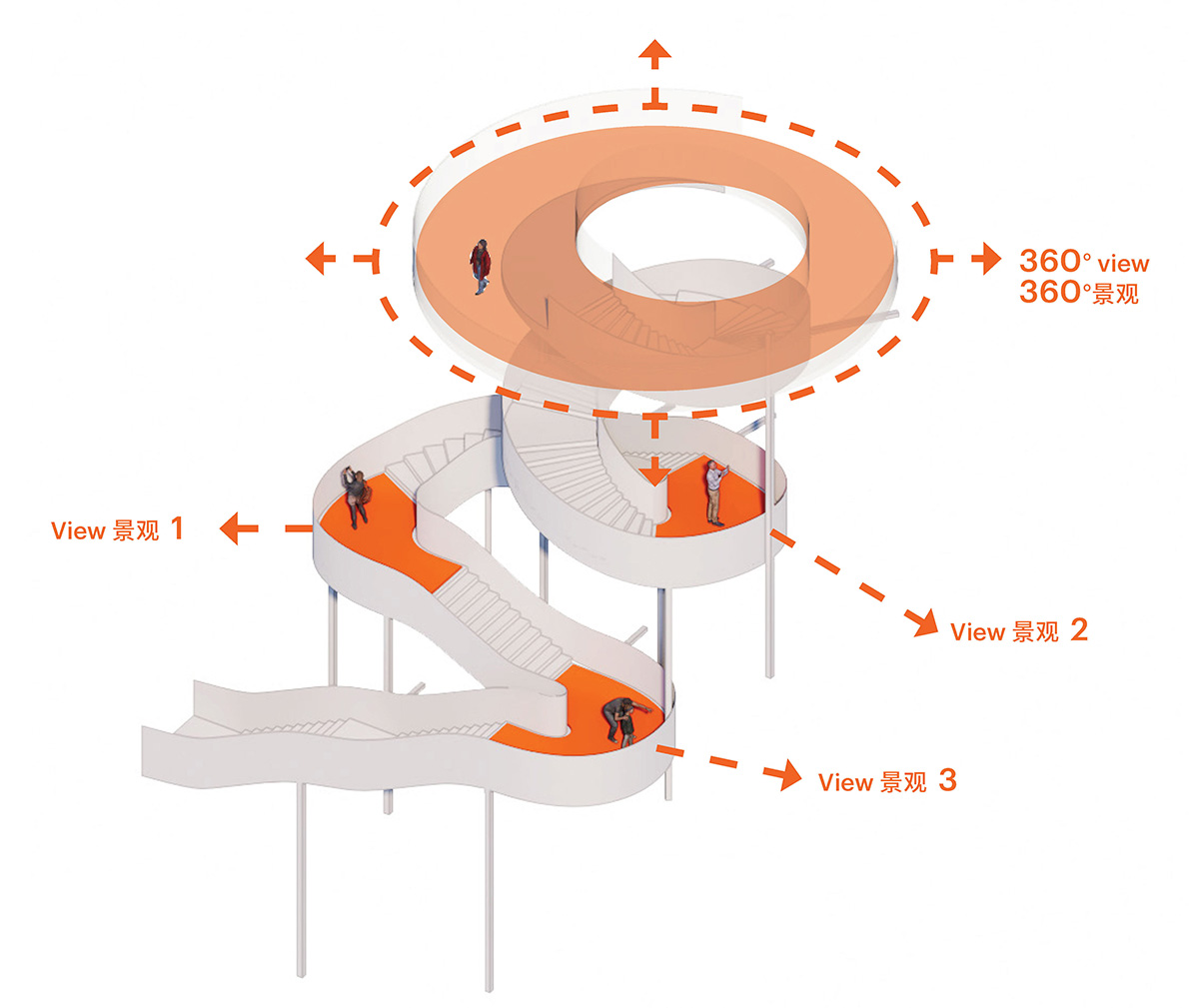
Additionally, by including a secondary observation platform inside a twisting staircase structure, the design enhances the path network to add various routes to the perspective.
Despite the advantages of wood in lowering carbon emissions, Chinese regulations and industry as a whole are still reluctant to adopt the material on a large scale.
The pavilion itself is constructed using a timber structure, which serves as an example to promote greater adoption of wood in the Chinese construction industry.
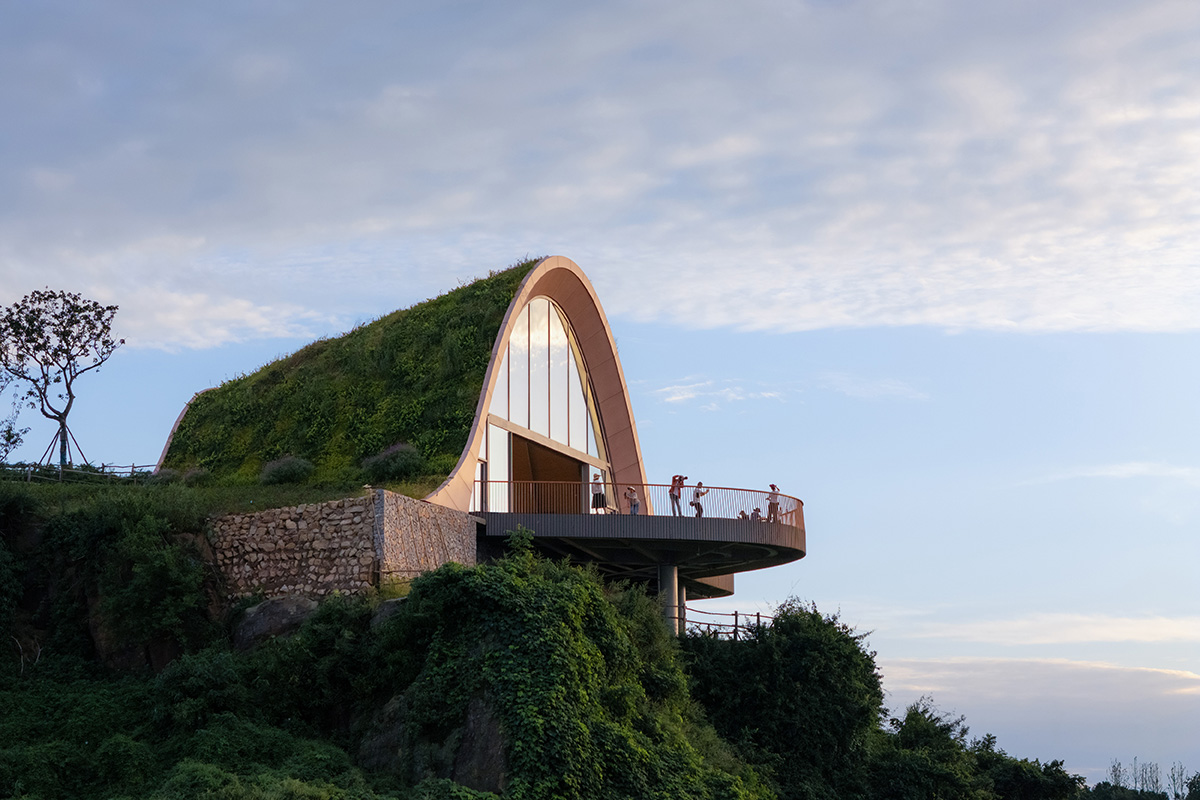
On the southeast side of the building, a tiny glass façade set into the earth berm leads to the pavilion. Inside, the floor dips downward and the roof slopes upward to match the hill's slope.
The 10-meter-tall glass façade at the opposite end of this slope creates a tribune that is perfect for presentations or just sitting to enjoy the scenery.
In order to maximize the link between inside and out and enable the balcony to function as an extension of the inner space when needed, this façade has two large sliding doors that open the interior to the observation balcony outside.
"The hills of this region are truly a spectacular sight, so one of the challenges we faced was to make the most of those views while reducing the impact on the landscape," said MVRDV founding partner Jacob van Rijs.
"By adding a hill-shaped pavilion with a green roof we not only minimise our own impact, but we recreated the hill that was there before. This act of preserving and respecting nature is the essence of the design, which is continued in the construction approach, using bio-based materials such as wood that are more sustainable and thus have less impact on natural environments such as this one," Van Rijs added.
The project's landscape design aims to improve the site's current features. The earth berm above the pavilion's roof, which has a soil depth of 10 centimeters and can support a diverse range of grasses, flowers, and small bushes, is one example of how the plants utilized represent the site's current biodiversity. In the meanwhile, current streams are utilized for irrigation and rainwater gathering.
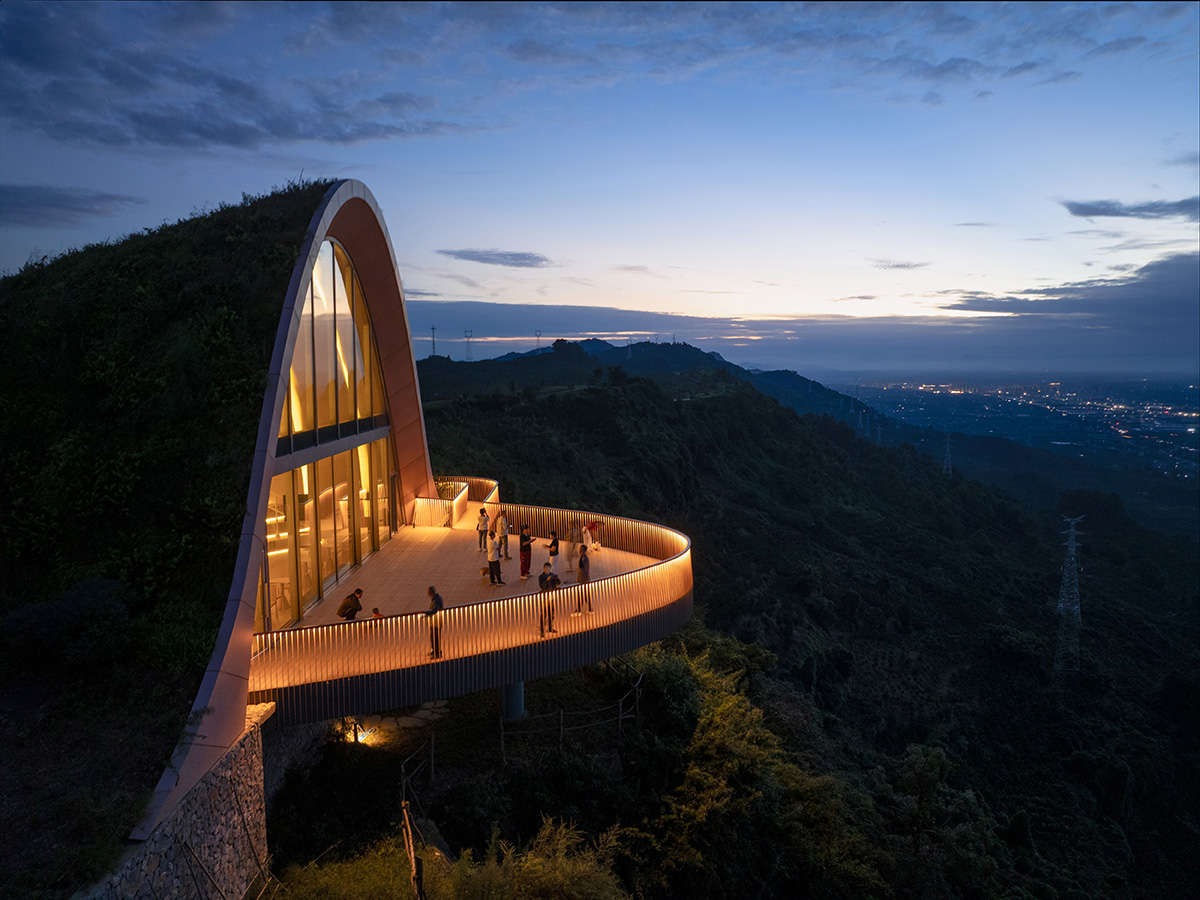
The site's existing pathways are incorporated into the design, and a stairway is added to connect them into a loop. The circular secondary observation platform, which provides 360-degree views of the surrounding landscape and the far-off mountains, is located atop the stairway.
The design uses a number of techniques to lower operational emissions in addition to the project's wood structure, which contributes to its low embodied carbon emissions.
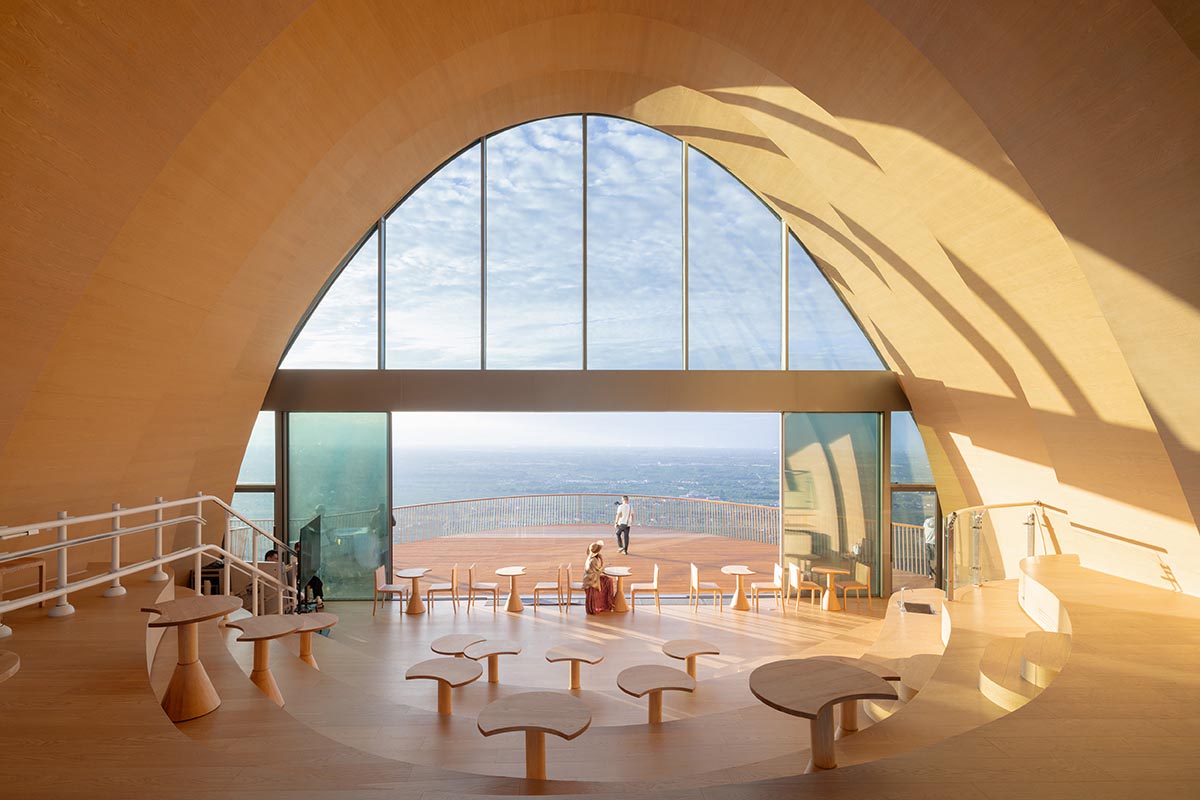
While the ceiling is layered to allow natural airflow to cool the area, the earth berm and its vegetation offer a substantial amount of insulation and thermal mass, lessening the impact of temperature variations.
The huge window's north-facing orientation, the roof overhang, and the surrounding trees that shield the smaller entrance wall from direct sunlight all help to minimize solar gain. In the meanwhile, a geothermal heat pump supplies some of the pavilion's energy needs.
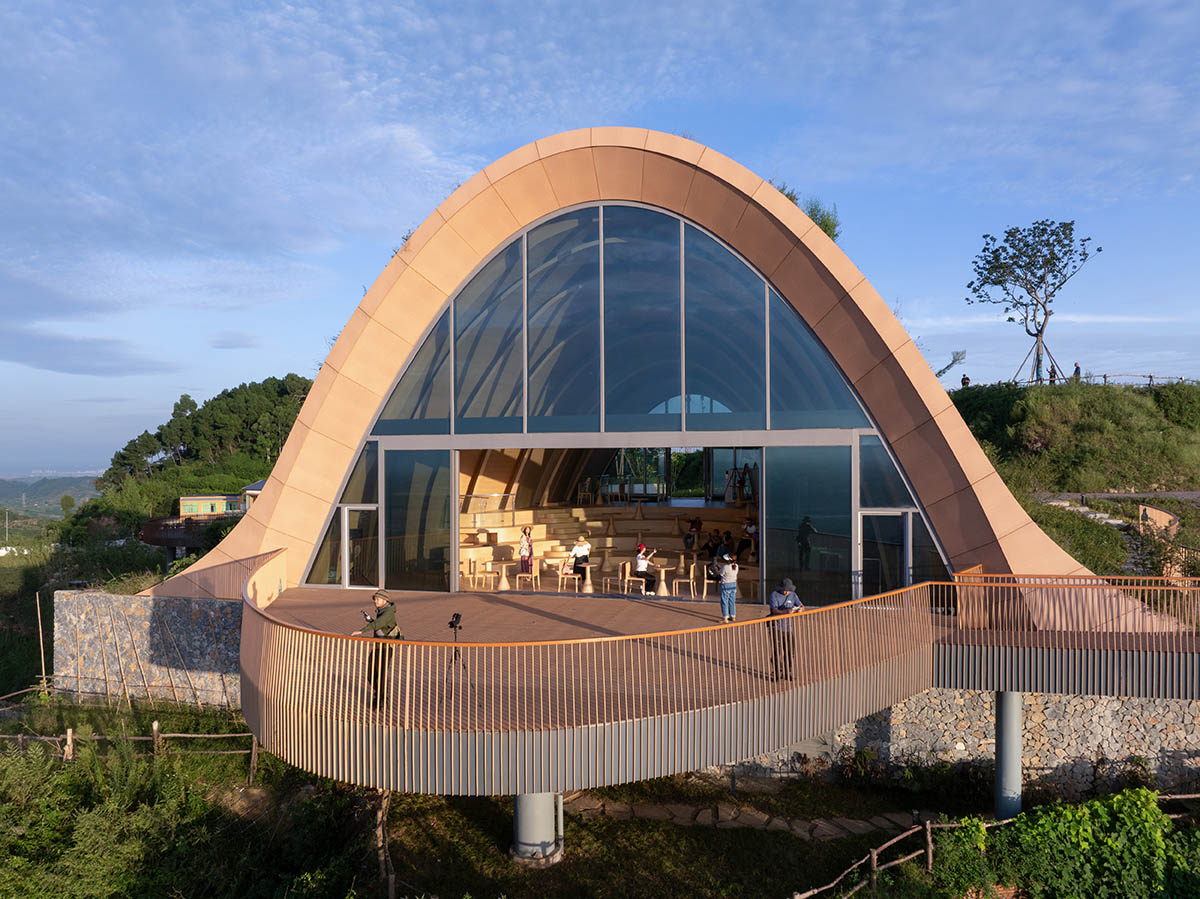
The Pujiang Platform represents the uniqueness of the developing sustainable community at the base of the hill thanks to these sustainable features.
When locals and visitors alike visit, they witness an example of sustainable construction that blends in perfectly with its natural surroundings. At night, the light from its windows transforms it into a beacon in the hills that is easily seen from the plains below.
Pujiang Platform Masterplan concept
Pujiang Platform Observation deck concept
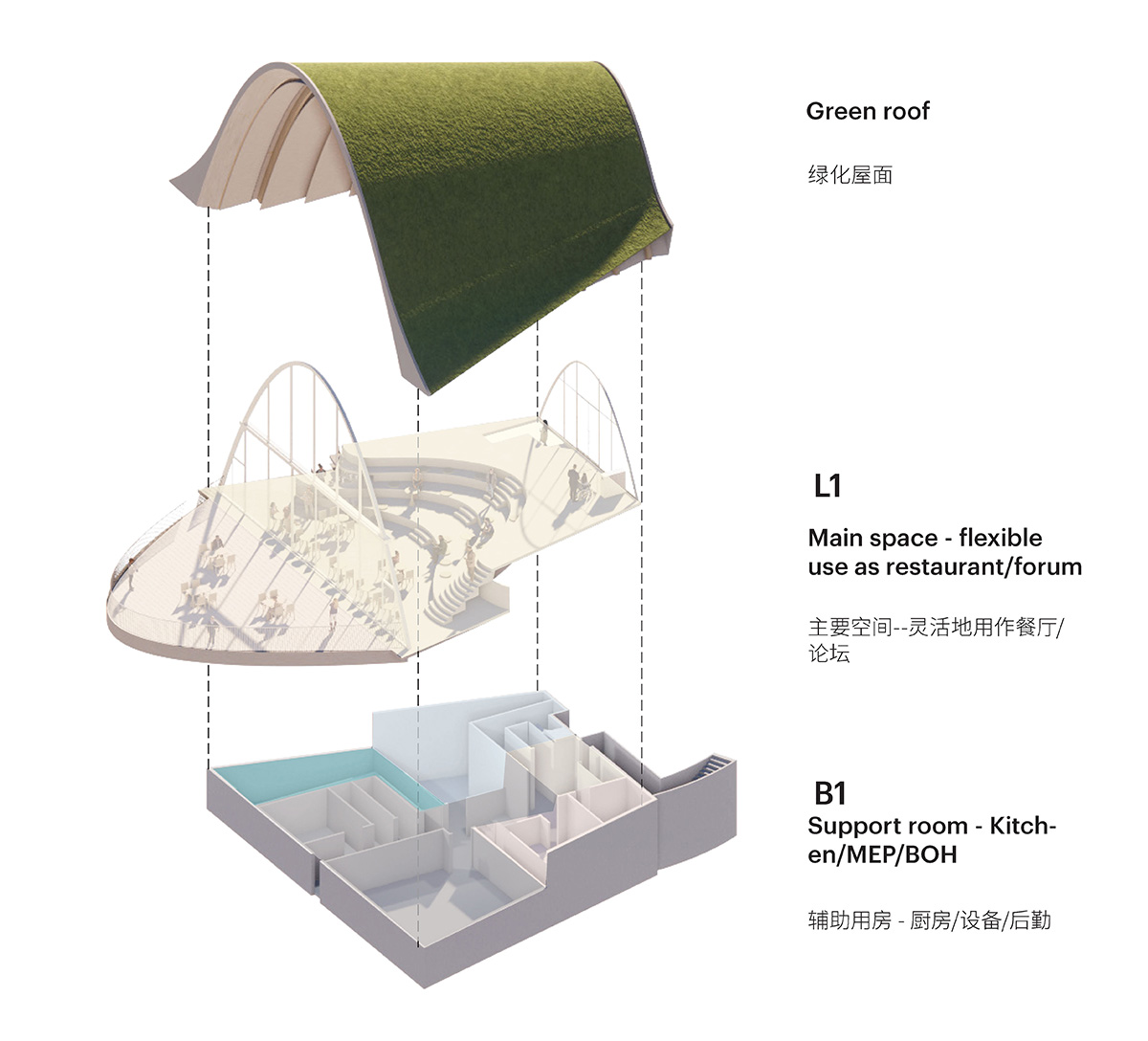
Pujiang Platform spatial strategy
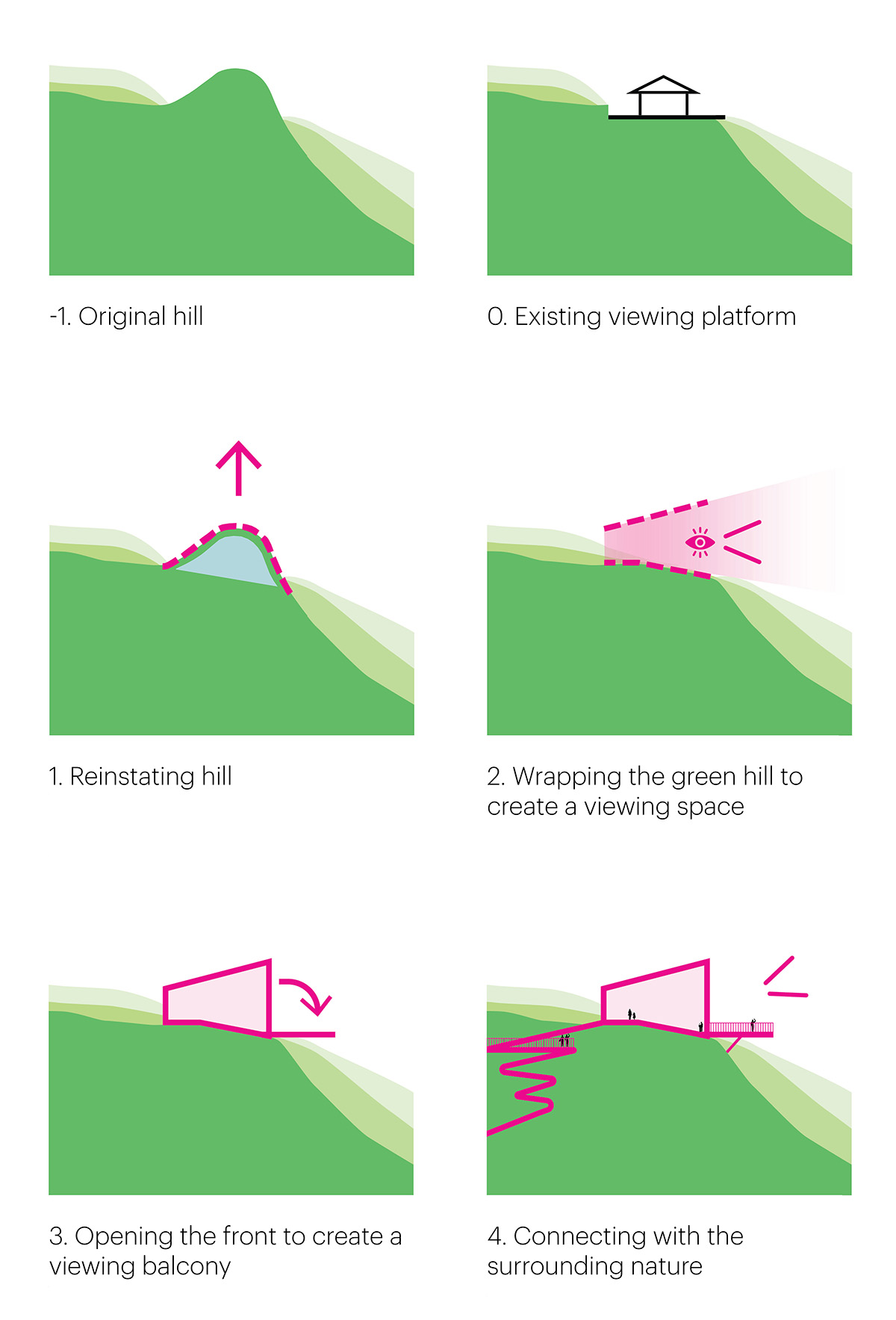
Pujiang Platform Architecture concept
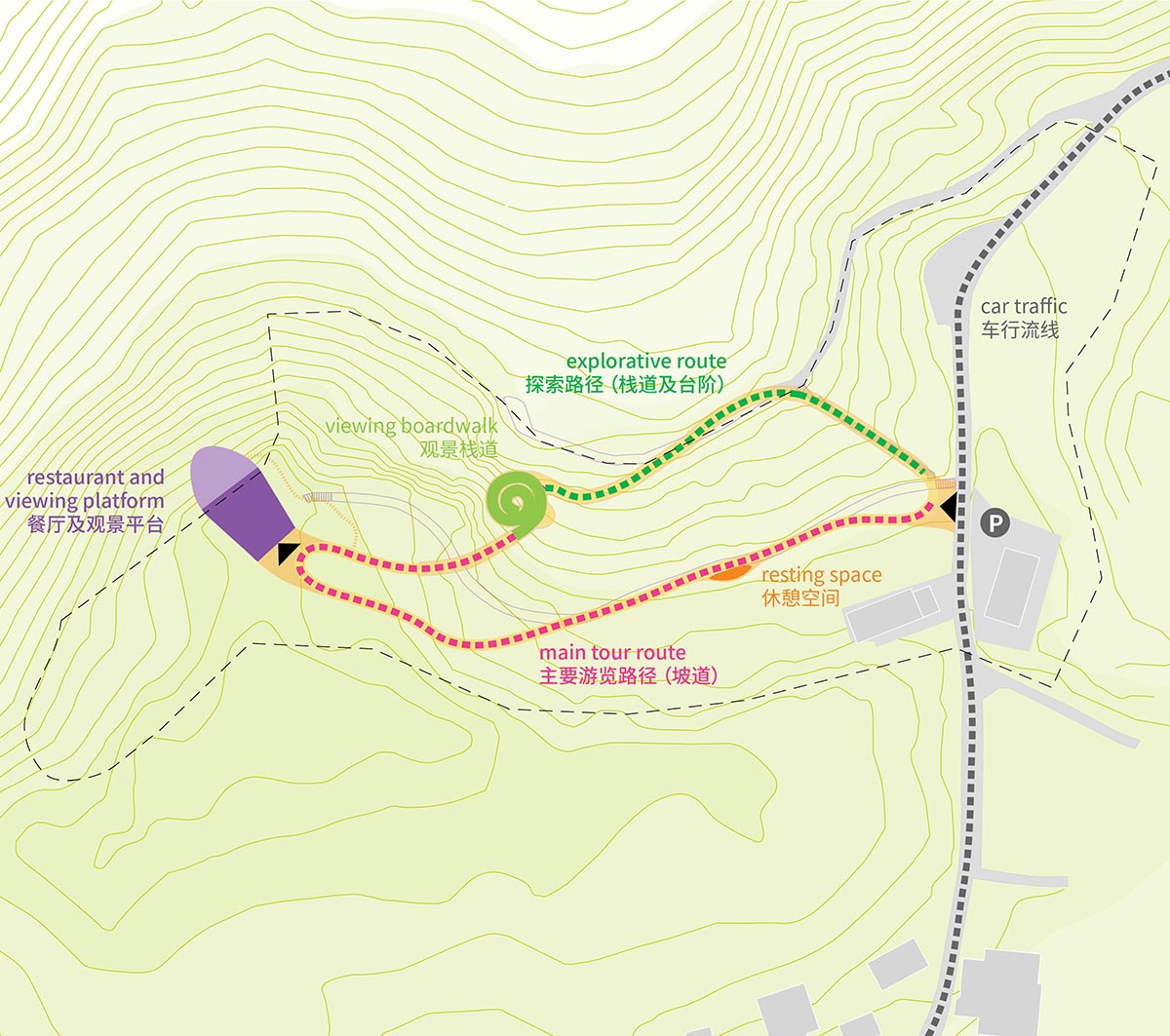
Pujiang Platform A3 Booklet SD100
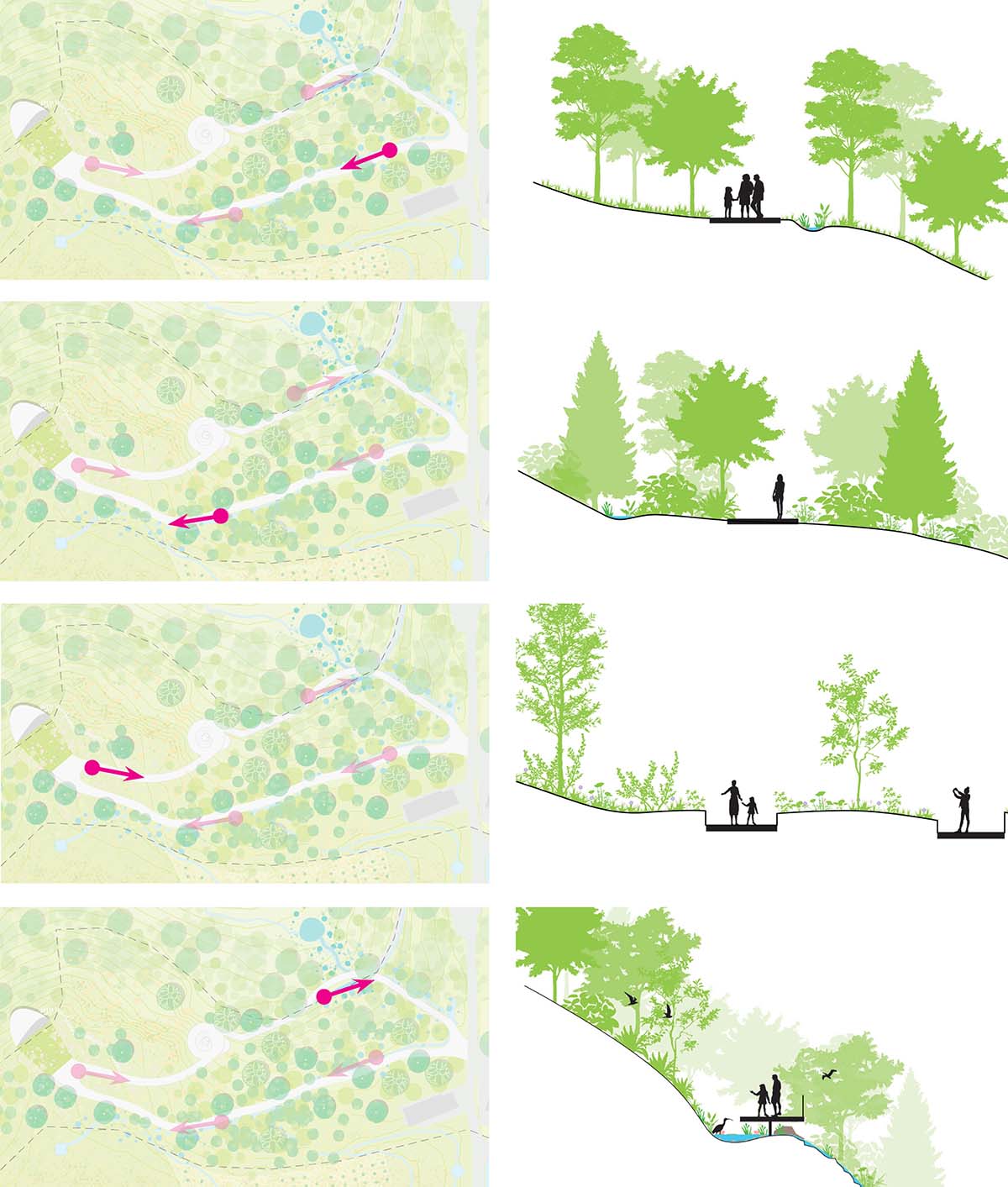
Path sequence
MVRDV recently revealed plans for "a monumental" spherical sports arena in Tirana, Albania. In addition, the firm together with HWC Architects unveiled design for the renovation of Jialeshui, a popular scenic spot in Taiwan's southernmost region. Moreover, MVRDV has contributed to Shanghai's growing collection of West Bund cultural projects by transforming a former cement factory into a cultural and recreational space.
Project facts
Project name: Pujiang Platform
Location: Pujiang, China
Year: 2022–2025
Client: Pujiang County Planning and Resources Bureau
Sustainability certification: China Green Building
Label: 2 Stars
Architect: MVRDV
Founding Partner in charge: Jacob van Rijs
Partner: Wenchian Shi
Director MVRDV Shanghai: Peter Chang
Design Team: Kyo Suk Lee, Olga Marelja, Geert Folmer, Guido Boeters, Cai Zheli, Shanshan Wu, Alexander Forsch, Ilaria Furbetta, Yihong Chen, Jiamen Li, Shing Yat Tam, Yifei Zhang, Cai Huang, Seunghan Yeum, Gioele Colombo, Xinyuan Zhang
MVRDV Climate: Alexander Forsch
Visualisations: Antonio Luca Coco, Angelo La Delfa, Fady Yassa, Lorenzo D'Alessandro, Ciprian Buzdugan, Luana La Martina, Marco Fabri, Stefania Trozzi
Partners:
Co-architect: Sichuan Provincial Architectural Design and Research Institute Co., Ltd.
Contractor: Chengdu Third Construction Engineering Of CDCEG
All images © Arch-Exist.
All drawings © MVRDV.
> via MVRDV