Submitted by WA Contents
Yunlu Wetland Museum becomes a harmonious sanctuary for egrets and nature in China
China Architecture News - Dec 23, 2025 - 05:29 3339 views
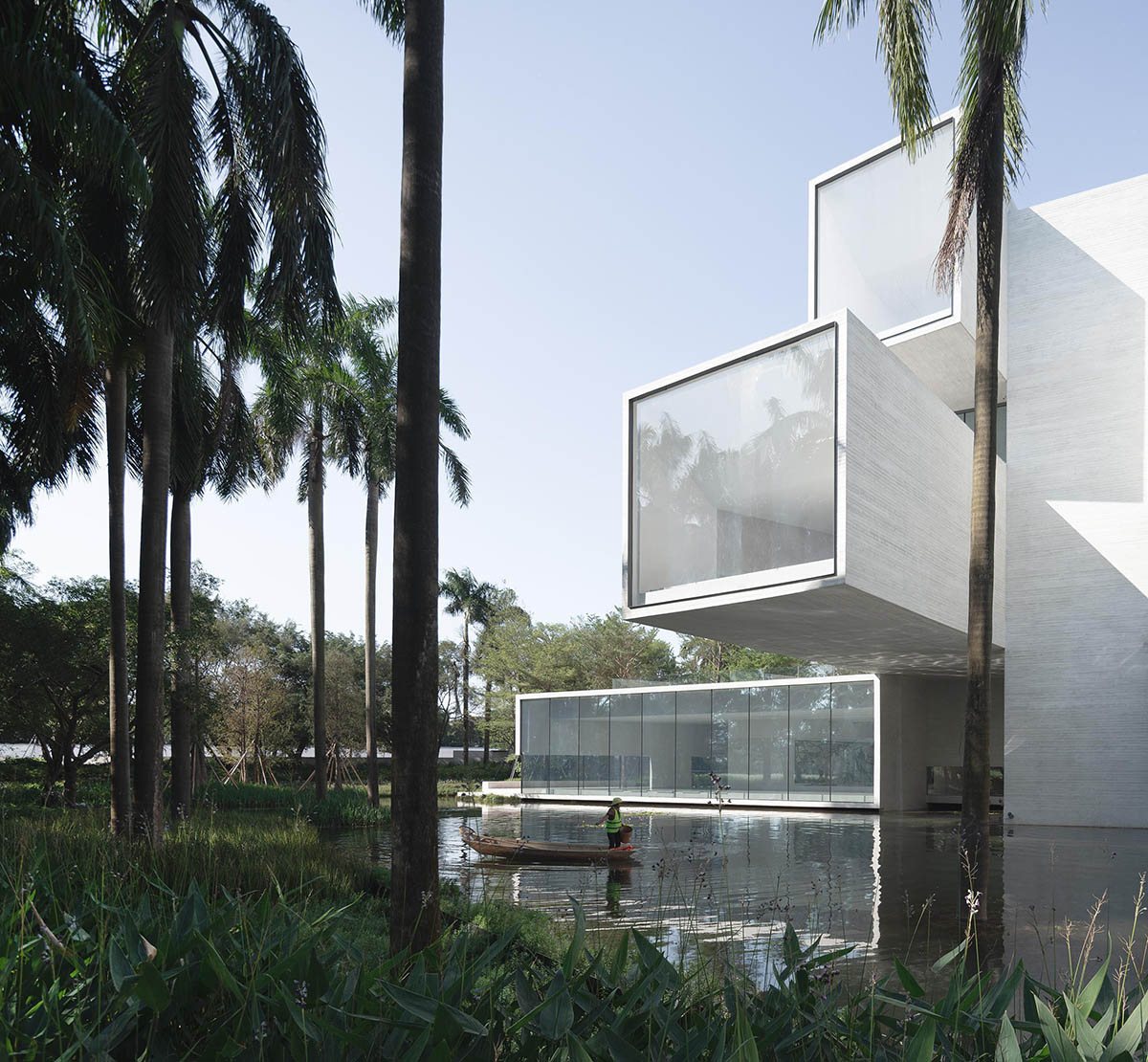
New York City-based architecture practice Studio Link-Arc designed a museum situated in Yunlu Wetland Park in Shunde, next to an ecological island that is home to 25,000 egrets.
Named The Yunlu Wetland Museum, this 1,800-square-metre facility combines a bird-watching tower with a wetland museum, aiming to enhance visitors' understanding of the wetland ecosystem while providing a unique bird observation experience.
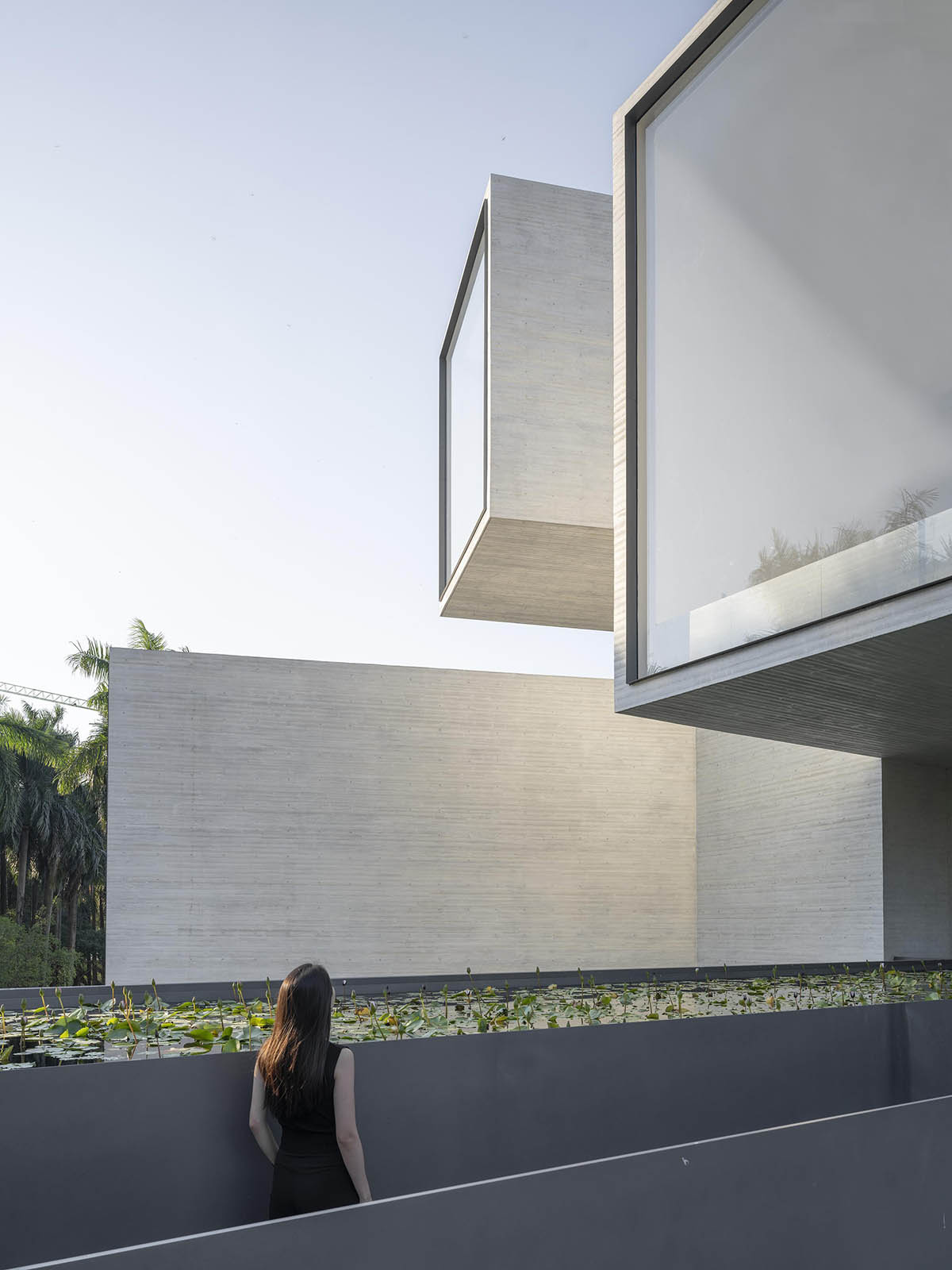
View of the viewfinders from the second-floor terrace. Image © Tian Fangfang
The project began 26 years ago when "Uncle Bird," Xian Quanhui, planted a bamboo grove. Over decades of work, Uncle Bird's good intentions turned this area into a "egret paradise" due to the influx of many egrets.
By working with scientists, engineers, and designers to improve bamboo forests, repair water systems, and transform this area into Yunlu Wetland Park, the Shunde government has now increased the protected area of Egret Paradise by thirteen times.
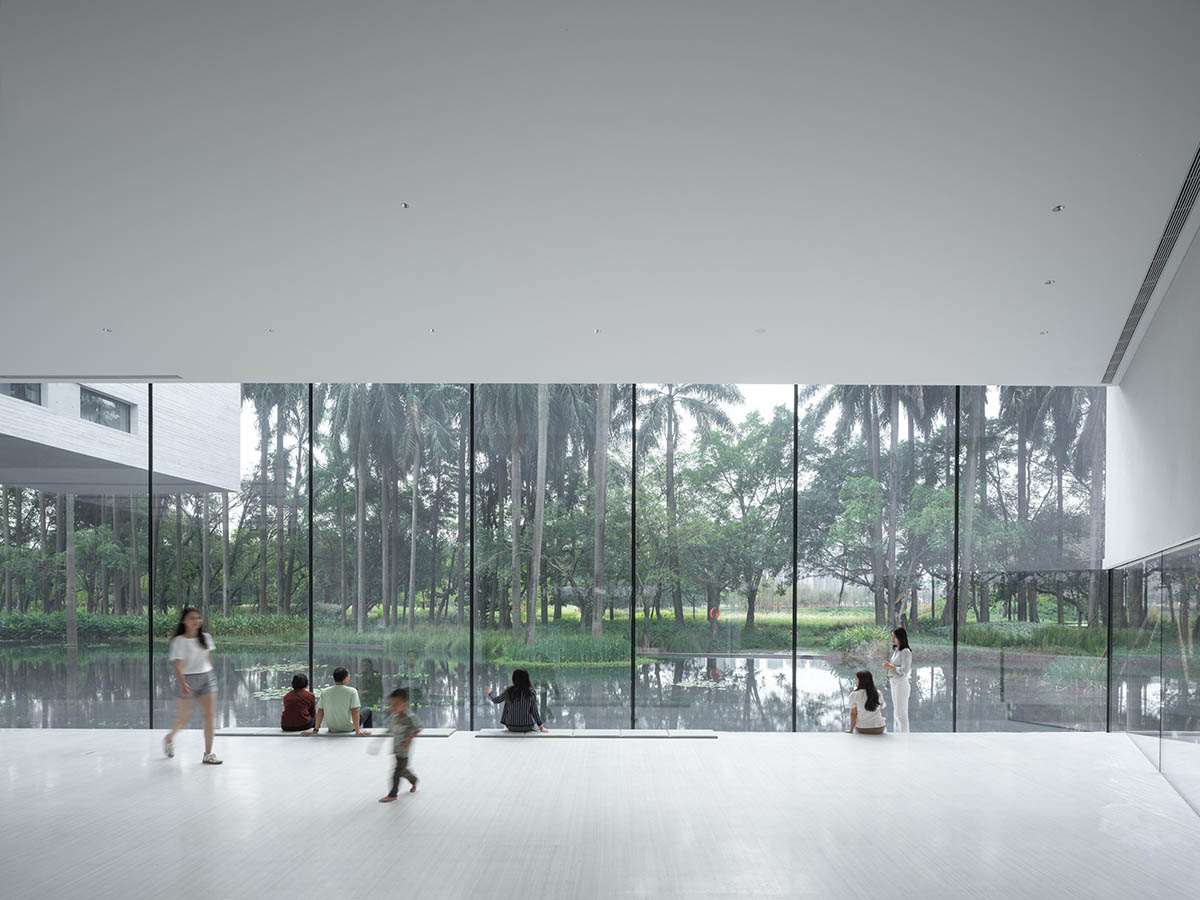
Wetland gallery. Image © Tian Fangfang
The structure was created by Studio Link-Arc to blend in with a row of cedar trees that were already existing. Its four vertically stacked concrete tubes, which mimic four horizontally spinning "lenses" that record egrets' activity, make up its structure.
The goal of the design is to reduce the building's aesthetic effect while enabling it to live in harmony with the surrounding fauna. The museum appears to "disappear" into the verdant subtropical forest when viewed from Egret Island.
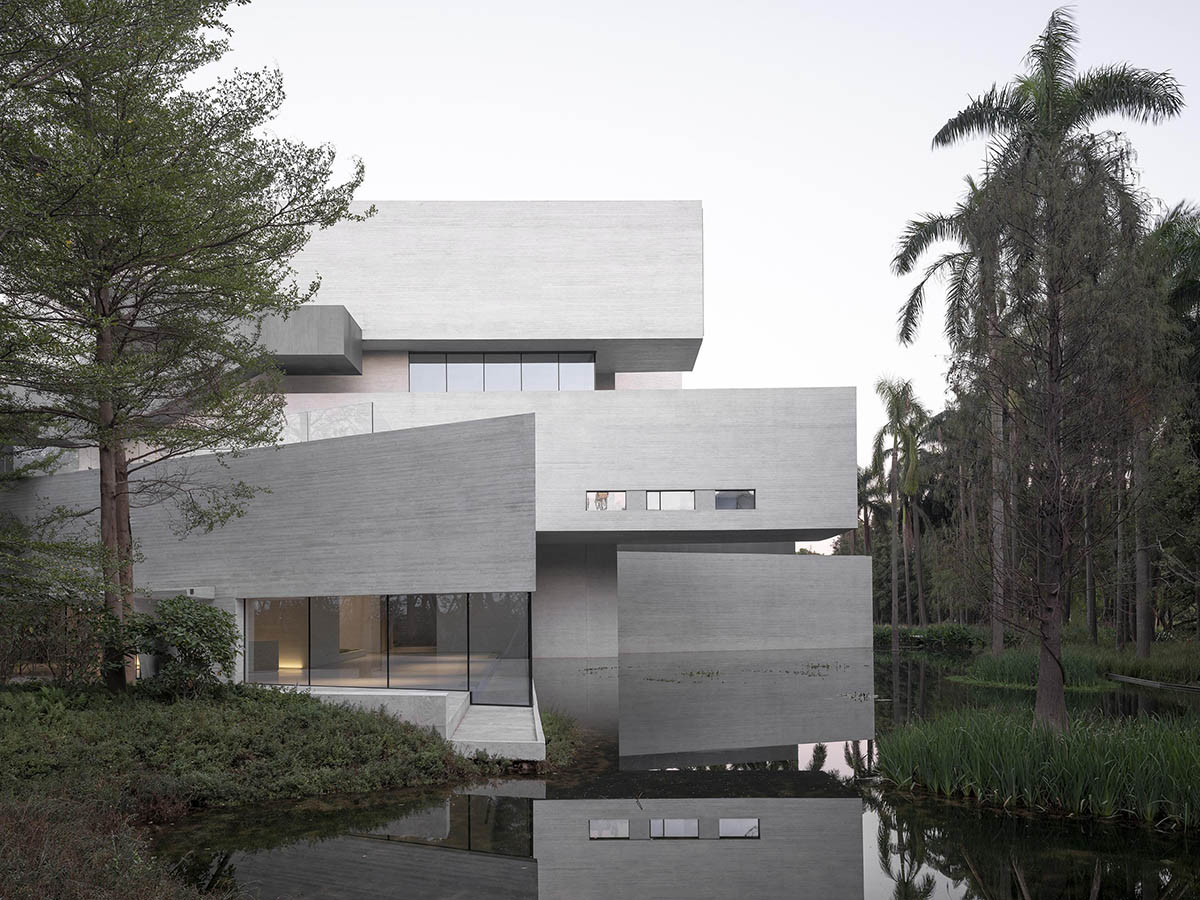
West elevation of the wetland museum. Image © Tian Fangfang
Staggered "framing frames" are created inside the museum by orienting each tube to offer the best views possible depending on the surrounding surroundings. The floors 1 through 4 face various facets of the tree crowns, trunks, roots, and summits.
From different heights within the structure, visitors may see the fluttering of birds and the flowing shadows of trees on Egret Island. This method converts the conventional human-centered architectural perspective into a dispersed, nature-focused perspective.
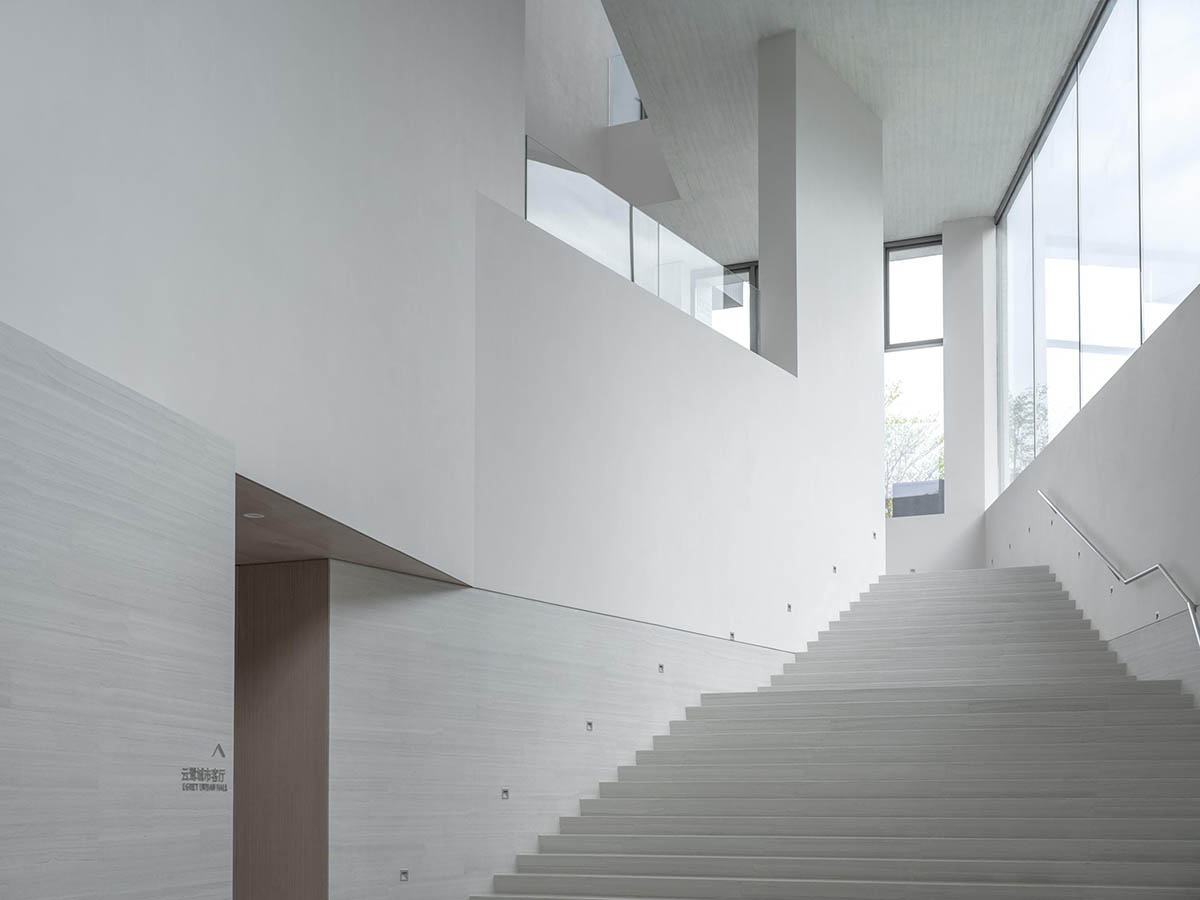
North-side stairs. Image © Tian Fangfang
A vertical triangular atrium, created utilizing a Boolean difference to connect the volumes of the four floors, connects the museum's four stacked tubes. This atrium functions as a shared "viewpoint," enabling guests to concurrently look in various directions into nature through the tubes. Each tube's viewfinder window resembles a collection of thoughtfully chosen landscape paintings on exhibit.
The structure uses a box-type concrete structural system, with each tube's base, roof, and side walls cooperating to give overall load-bearing support. The room is softly lit by sunlight that enters through skylights in the roof. From inside the structure, visitors may literally witness how the seasons and the natural world change.
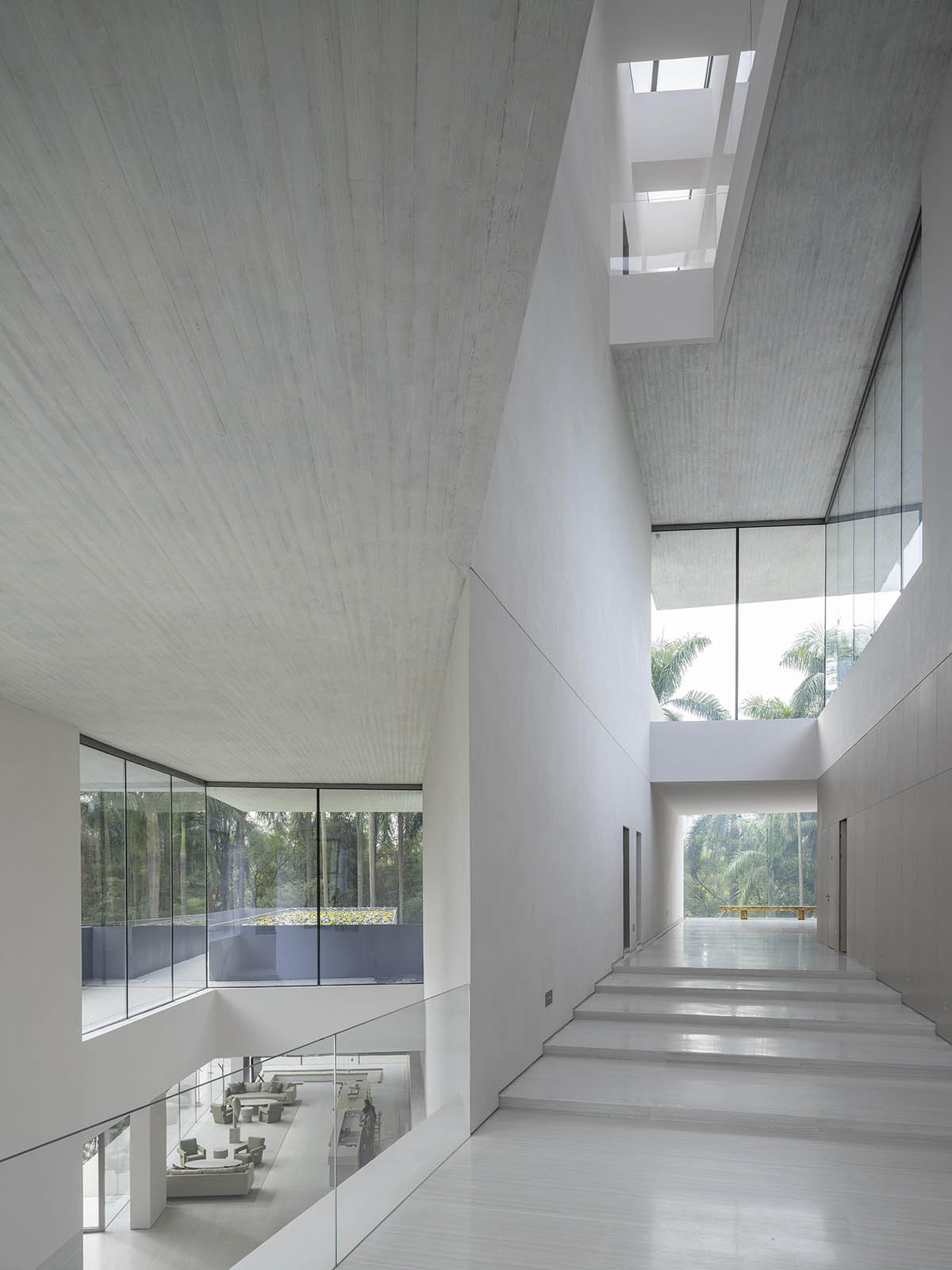
View of atrium from the second floor. Image © Tian Fangfang
The architect carefully considered the position of the building by surveying the 560 existing trees in order to preserve the wetland habitat. In order to maximize bird-watching vistas and eliminate the need to remove any native trees, the footprint was reduced and each floor's volume was rotated.
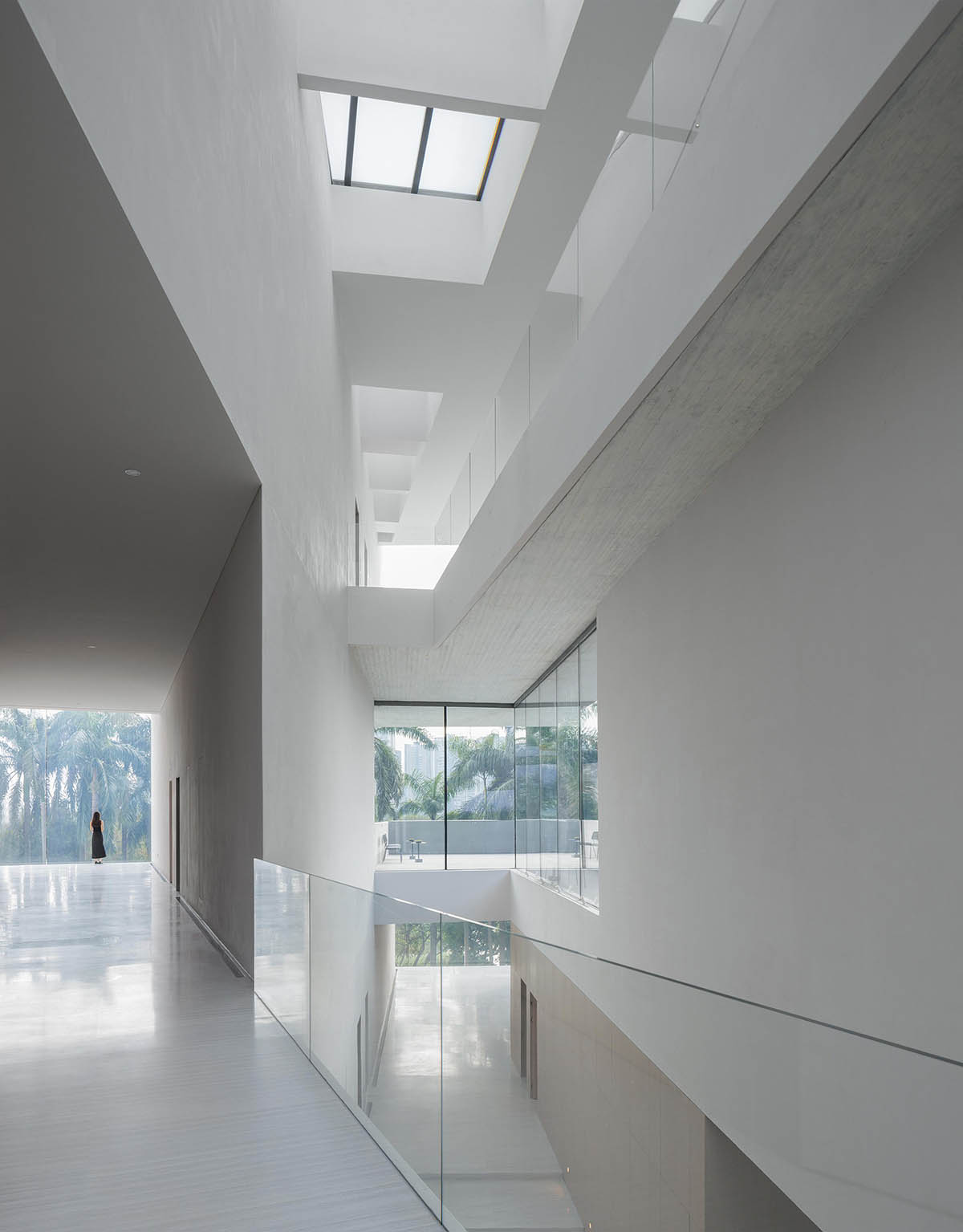
View of atrium from the third floor. Image © Arch-Exist
The exterior of the structure is composed of pine wood-molded cast-in-place concrete. The pine's fine grain gives the facade a natural feel that reflects the lush forest around it.
Lotus ponds are also located on the roof, and the biological water features decrease the building's visual effect from above.
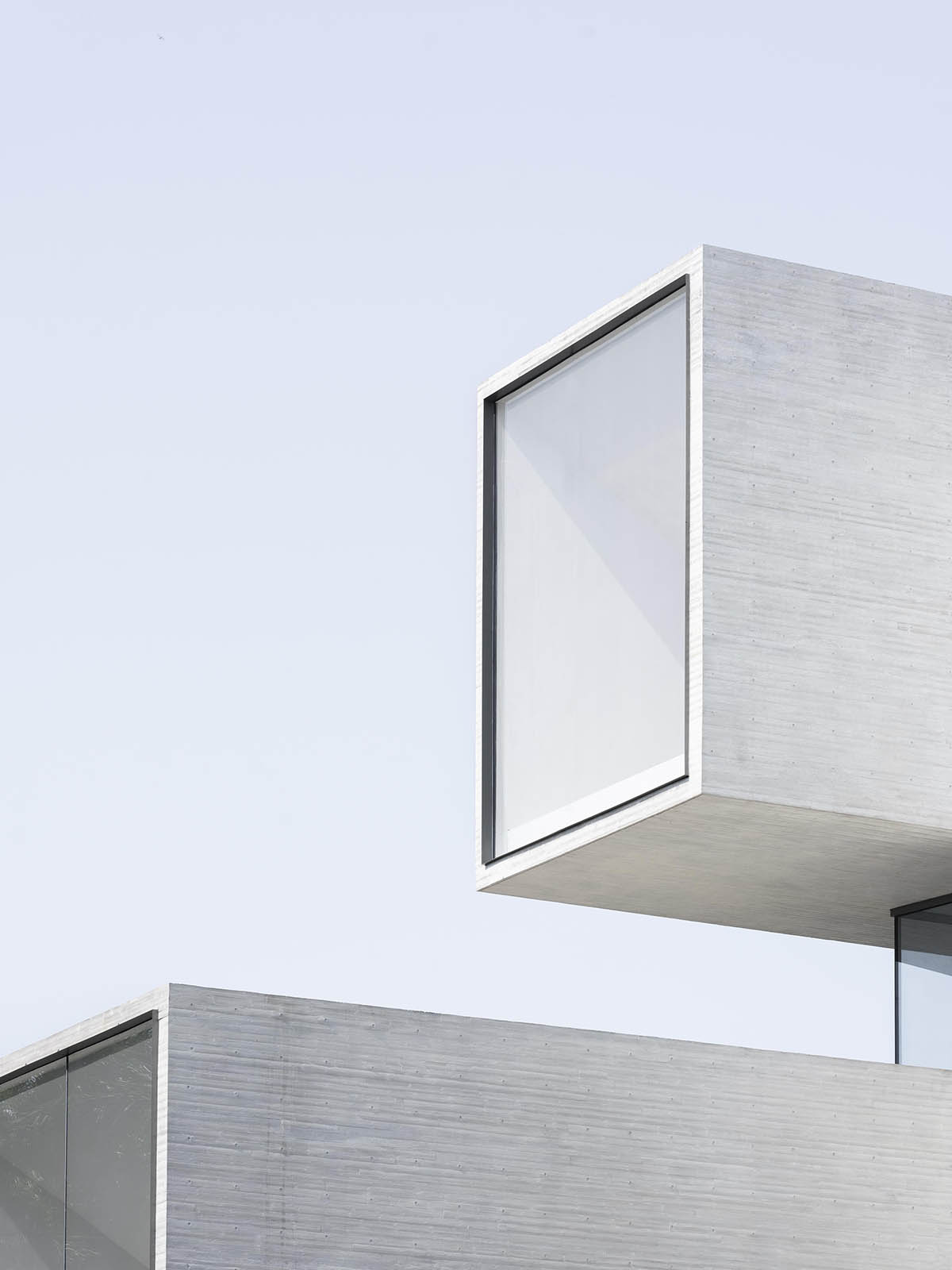
View of the viewfinders from sequoia forest. Image © Tian Fangfang
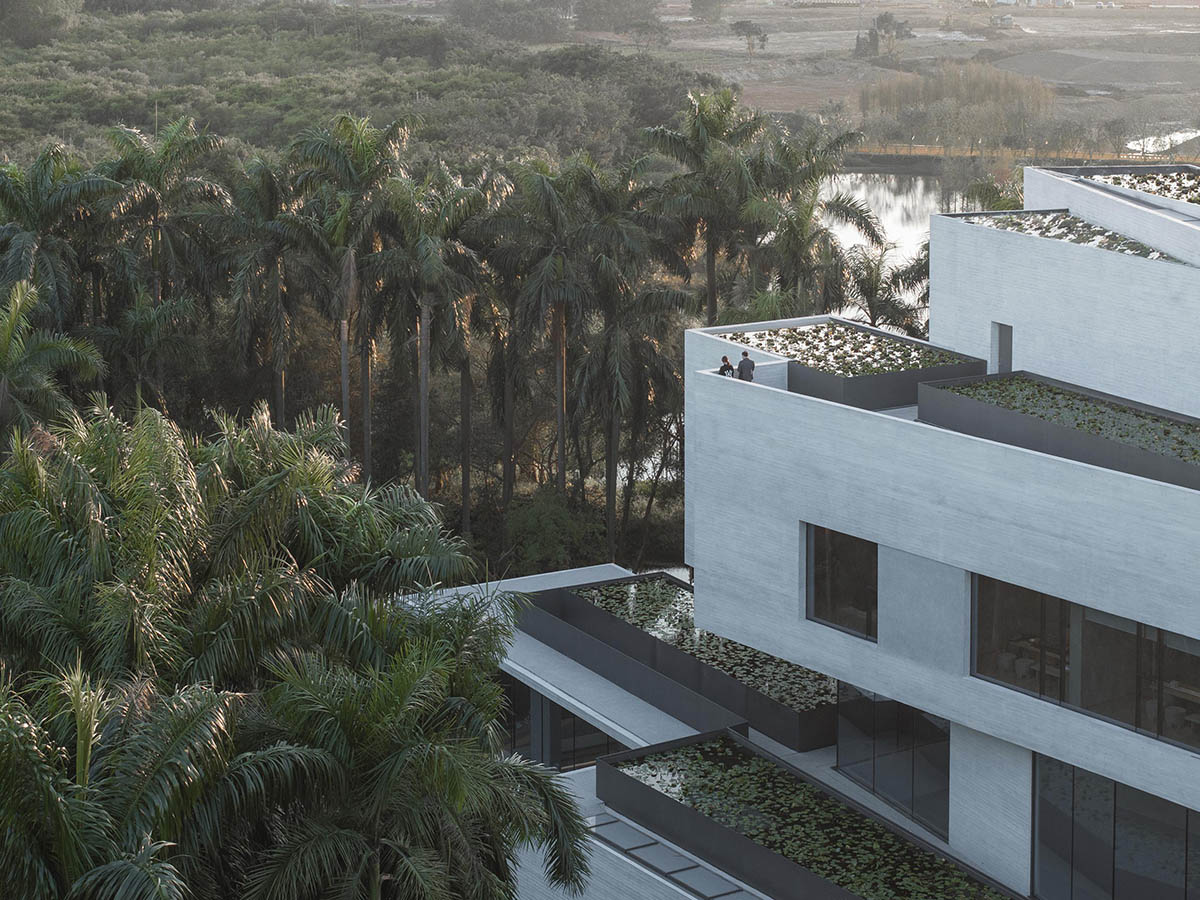
Fifth elevation. Image © Tian Fangfang
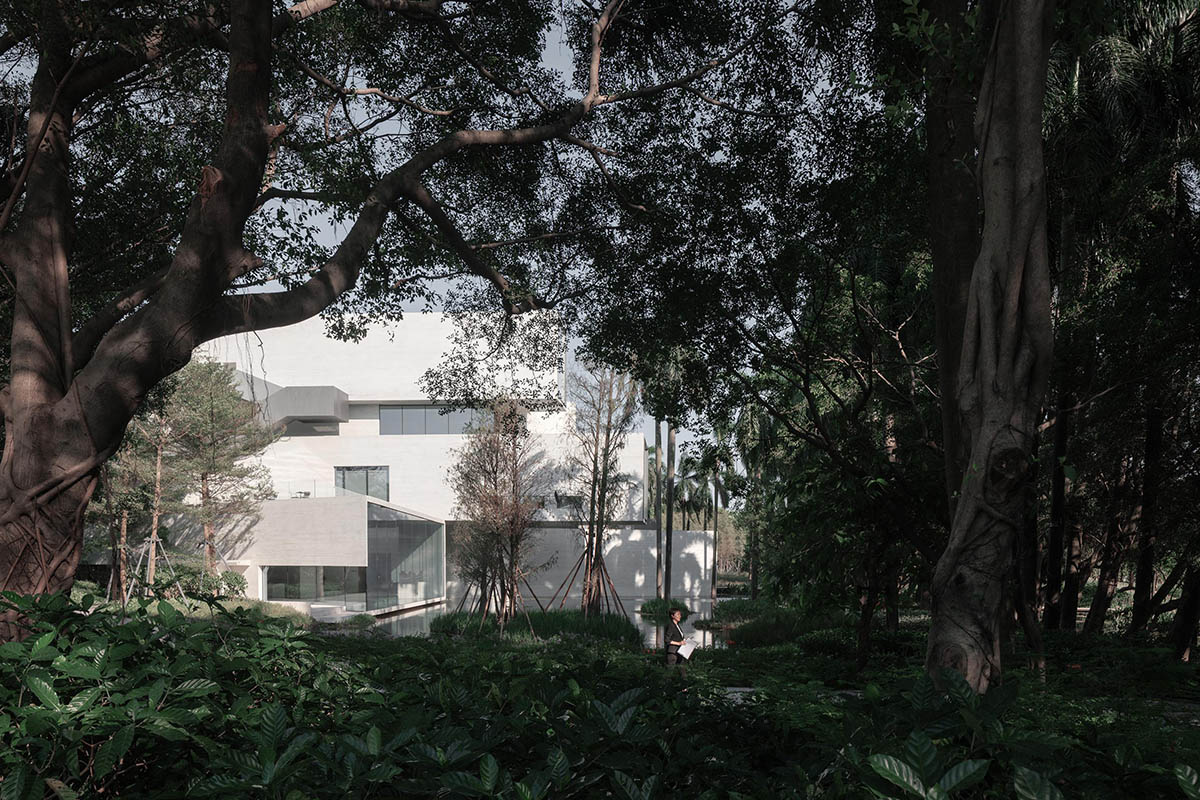
A corner of the museum through the lush forest. Image © Arch-Exist
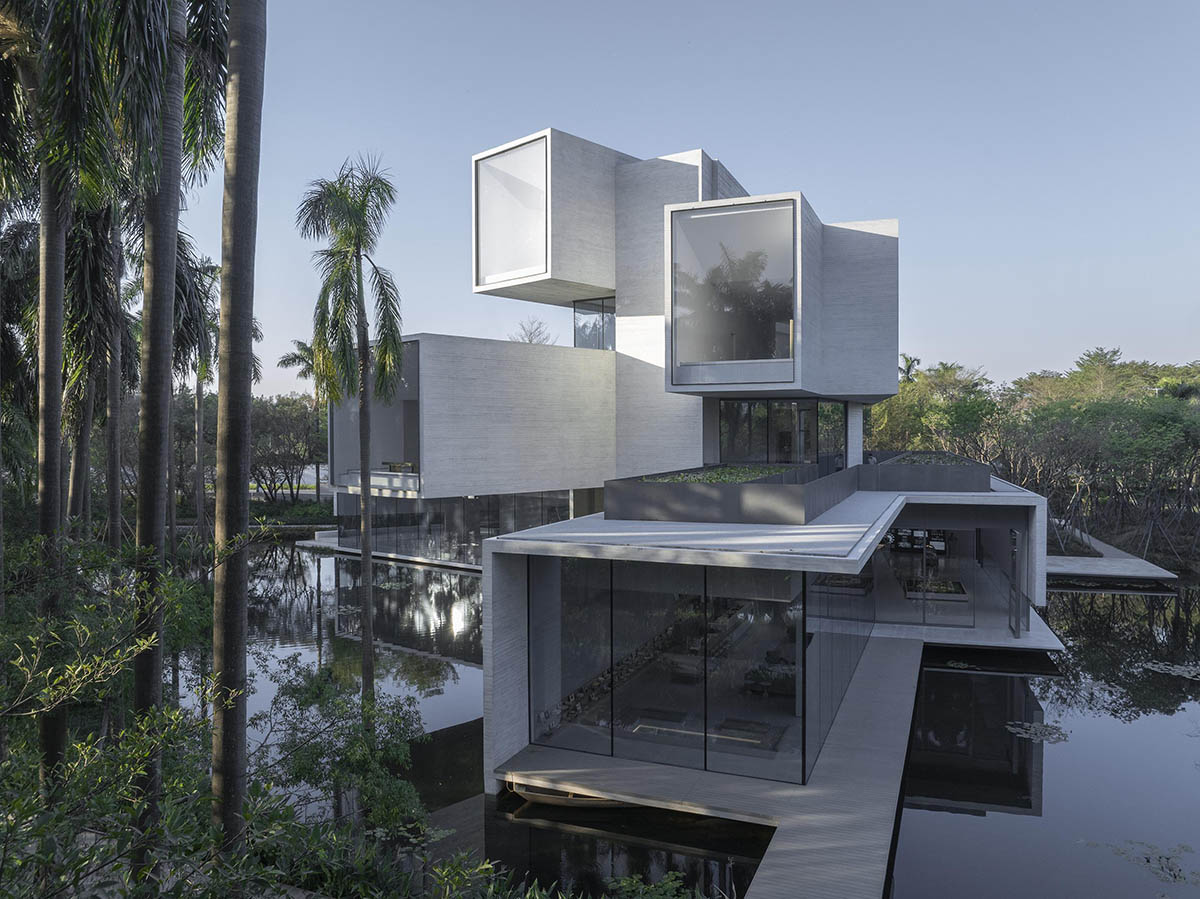
View of the four viewfinders. Image © Tian Fangfang
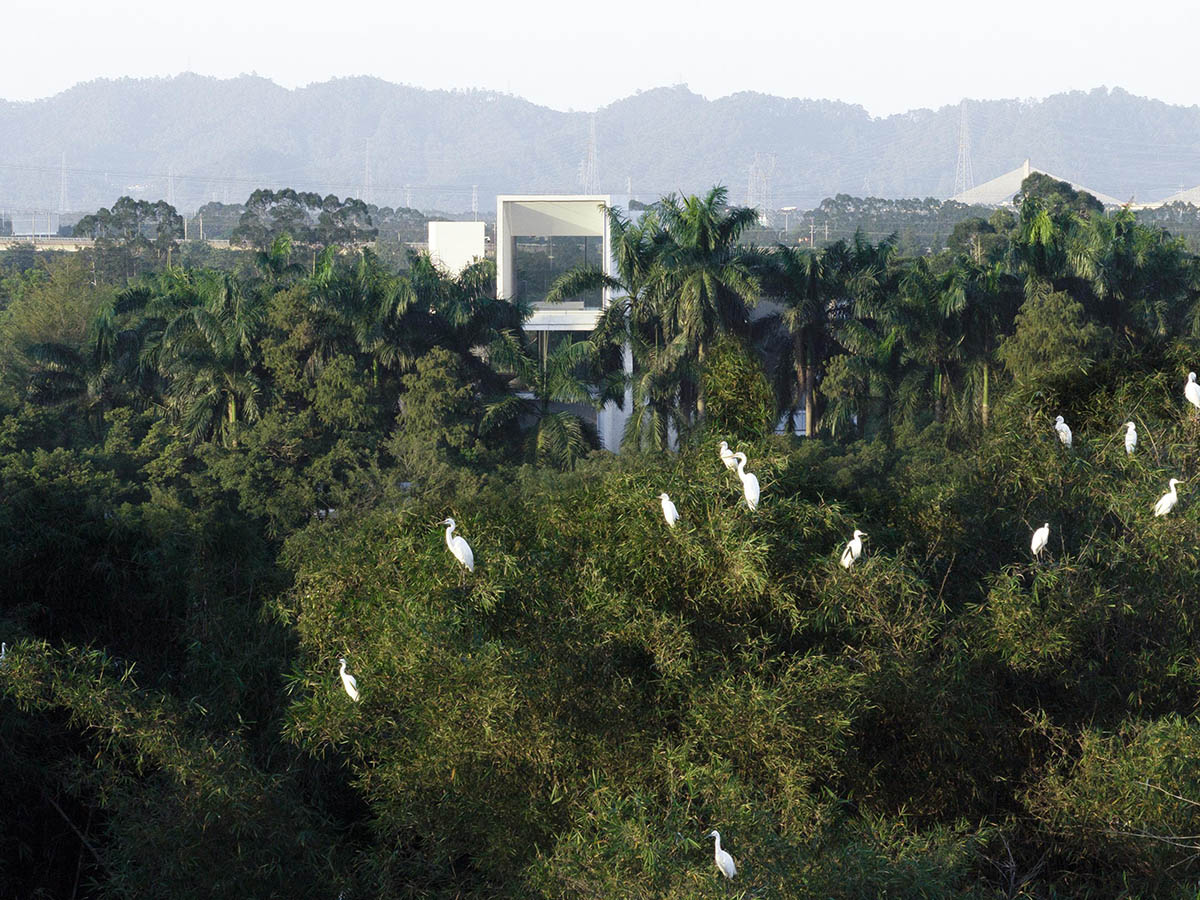
View of the wetland museum from the egret island. Image © Arch-Exist
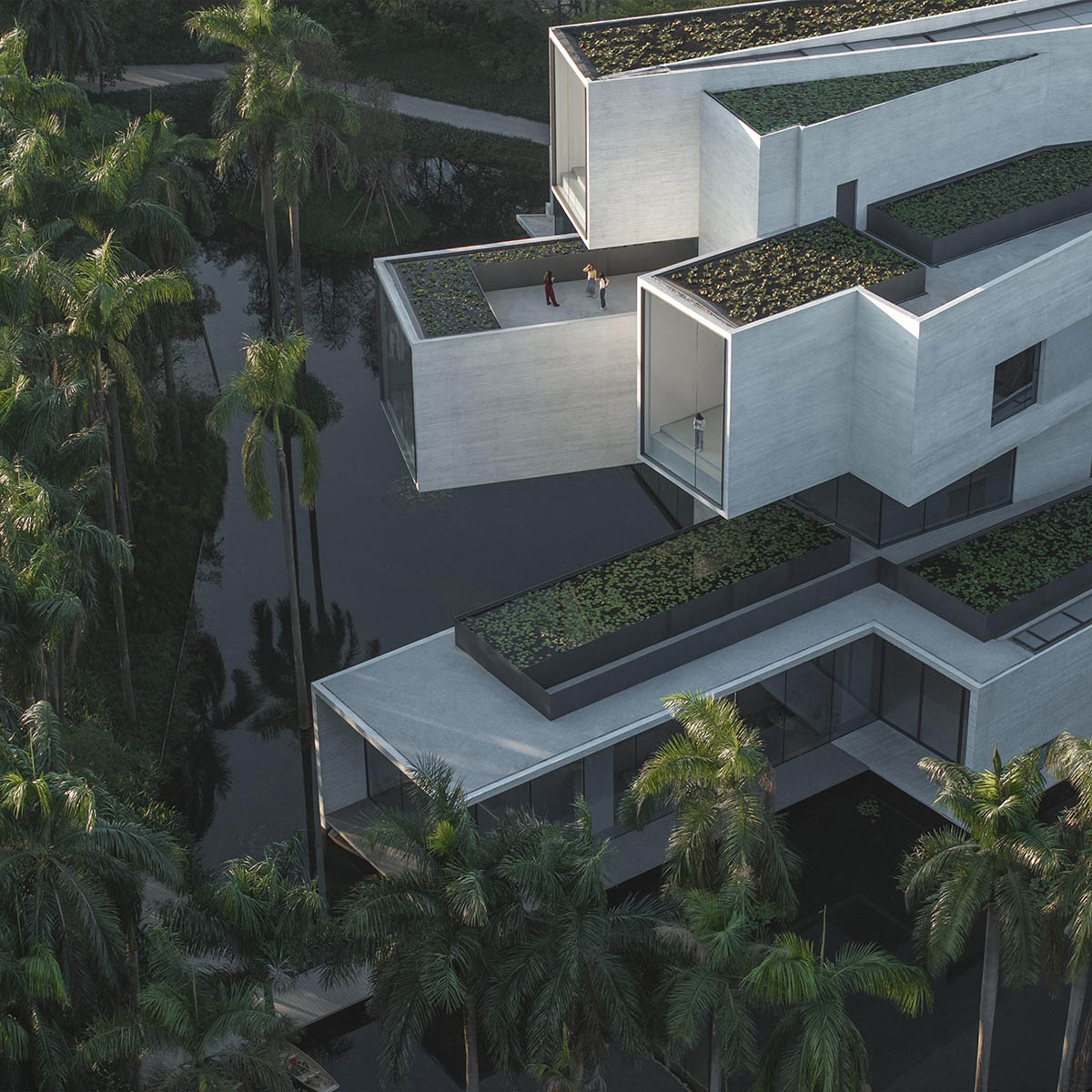
Aerial view of the wetland museum. Image © Tian Fangfang
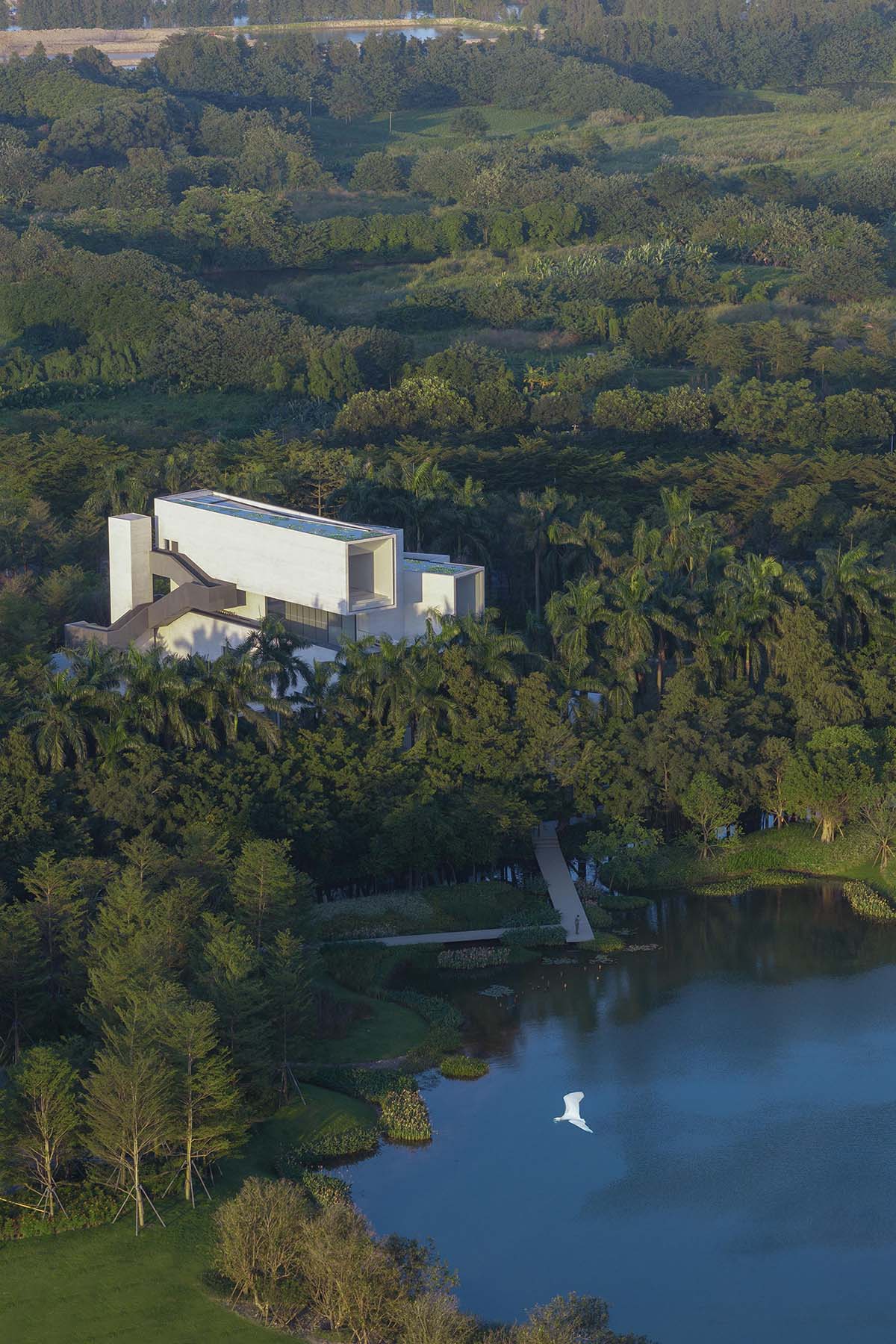
View of the museum from the wetland park. Image © Arch-Exist
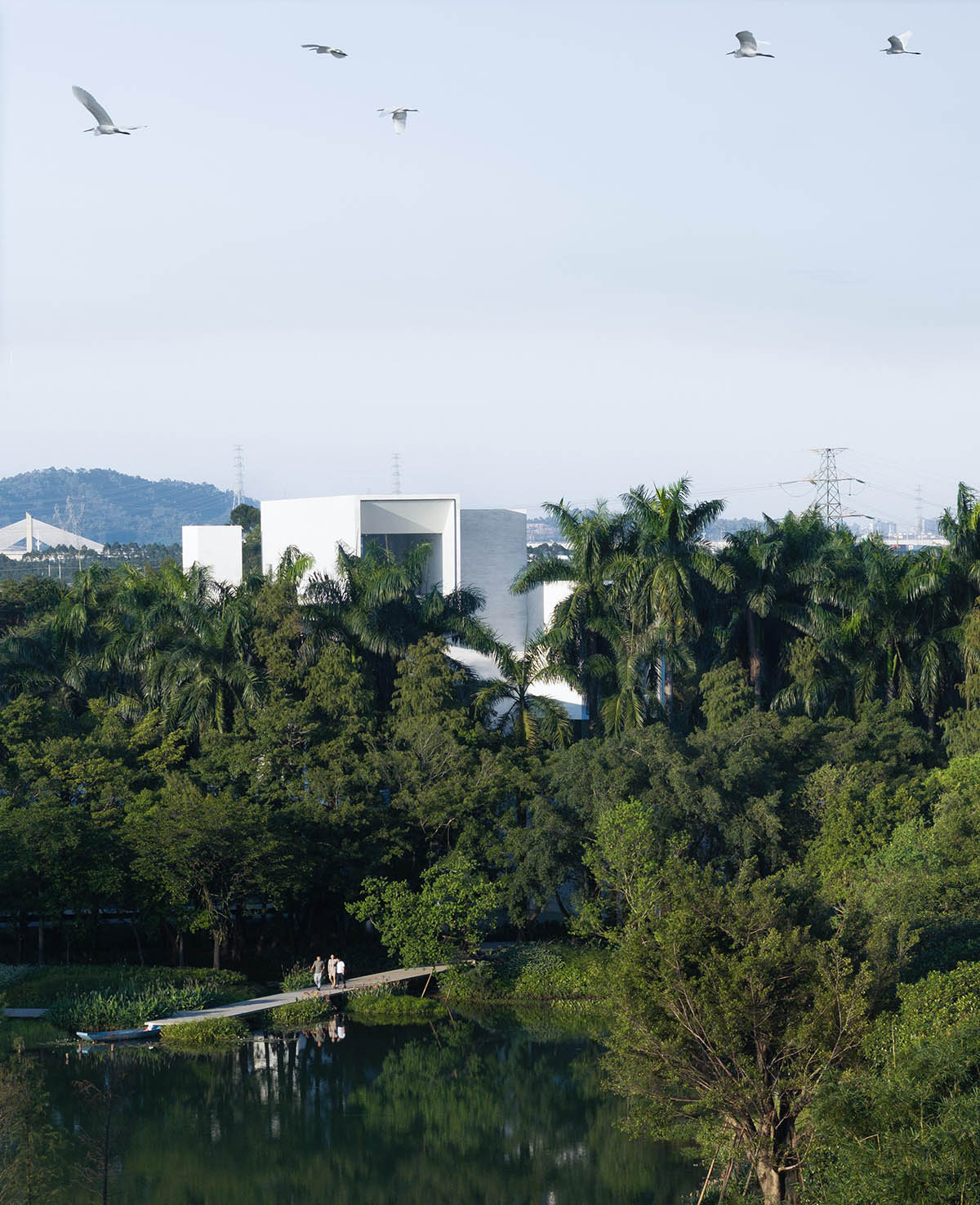
View of the museum from the wetland park. Image © Arch-Exist
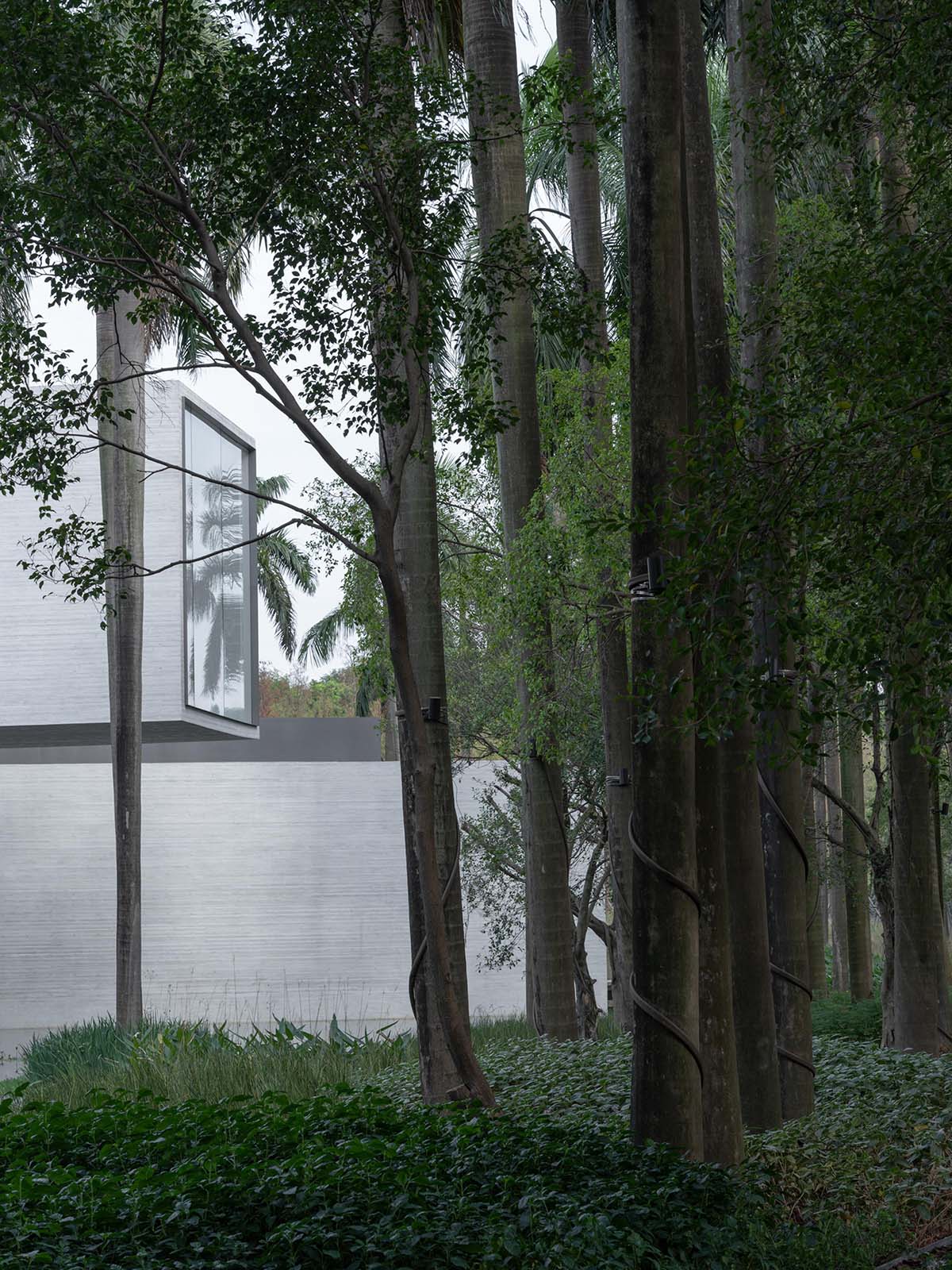
View of the wetland museum from the sequoia forest. Image © Tian Fangfang
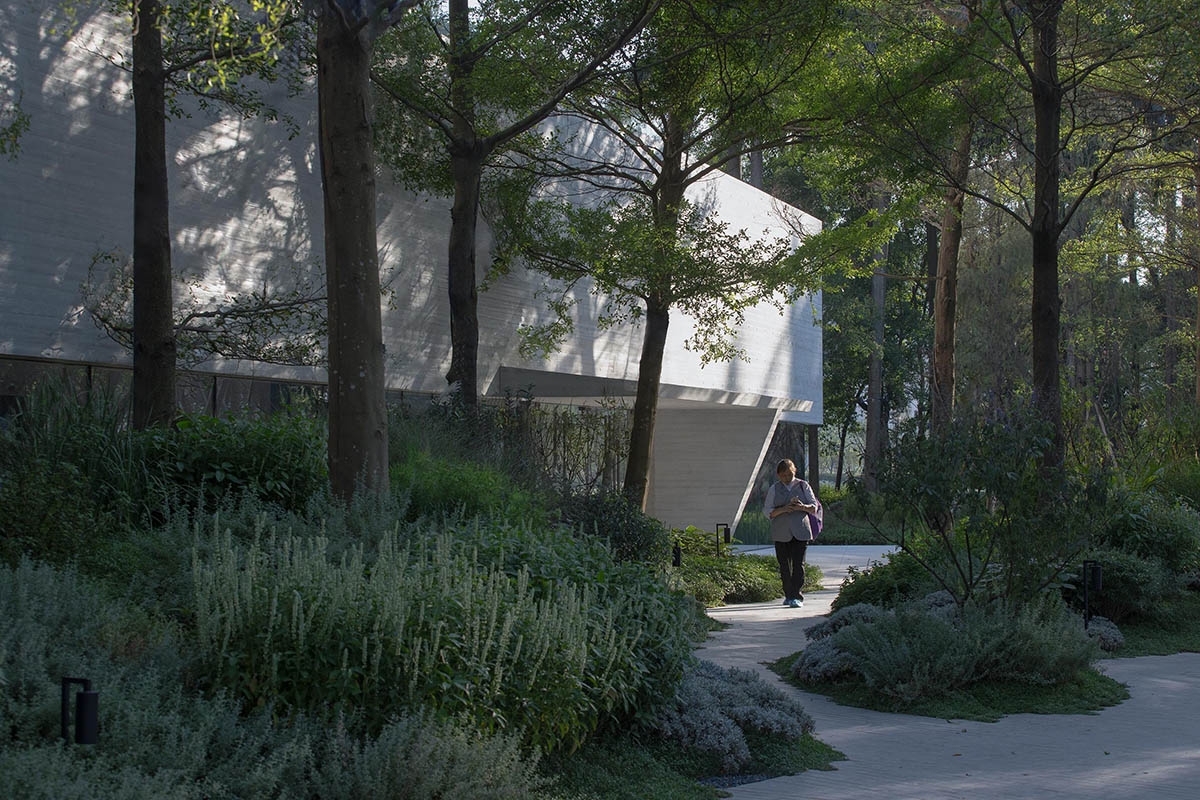
Entrance of the museum. Image © Tian Fangfang
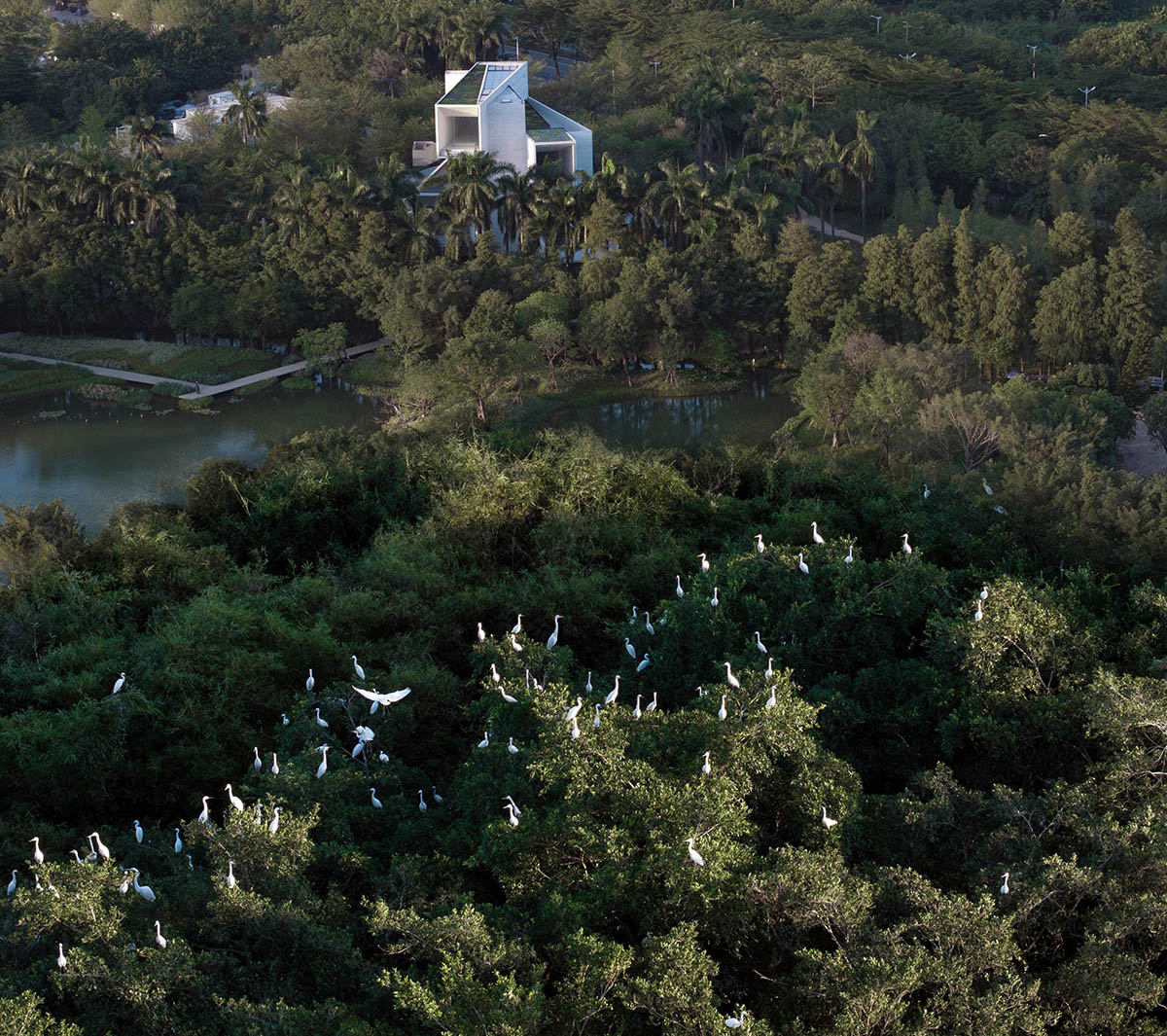
View of the museum from a distance. Image © Arch-Exist
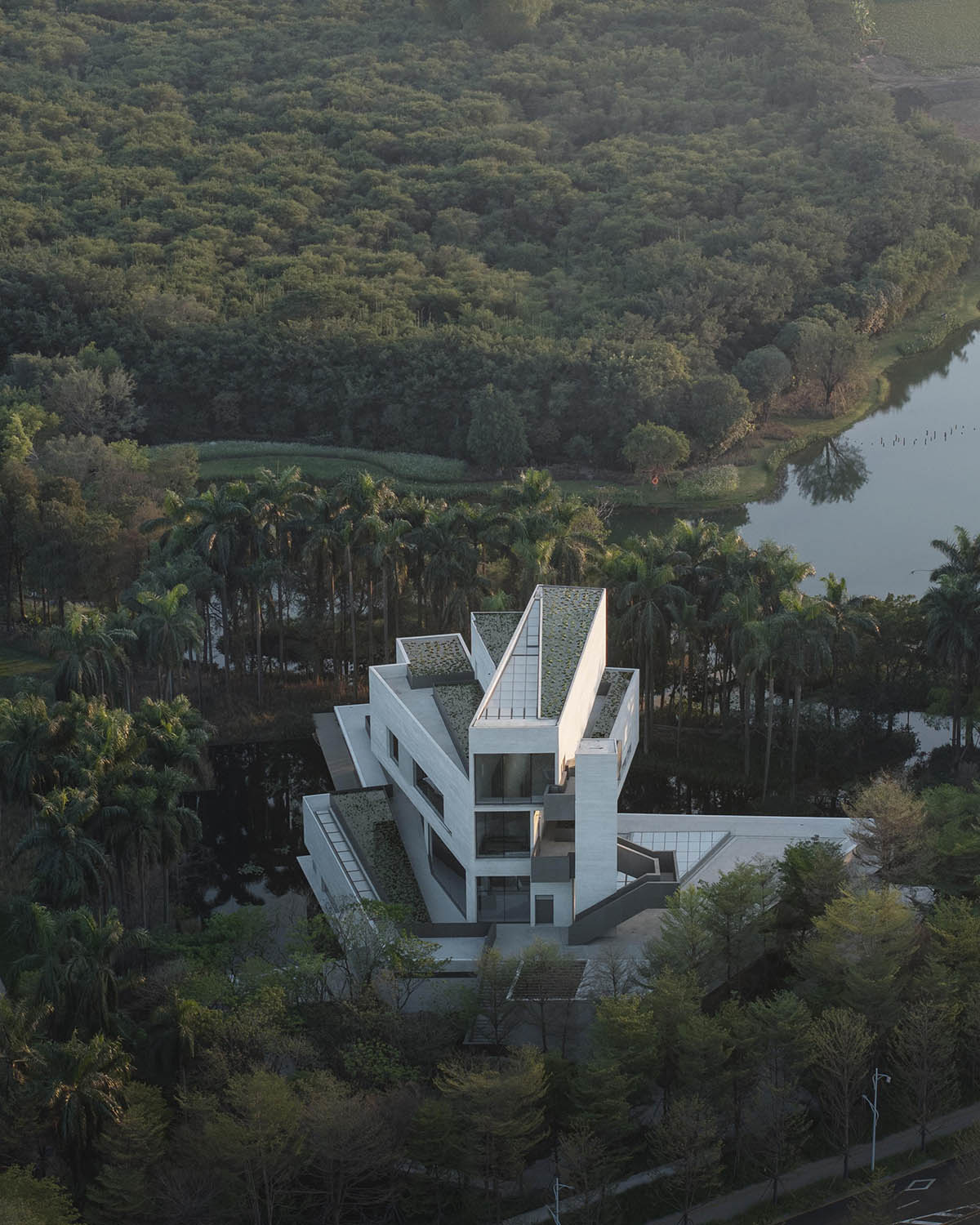
View of the wetland museum from north. Image © Tian Fangfang
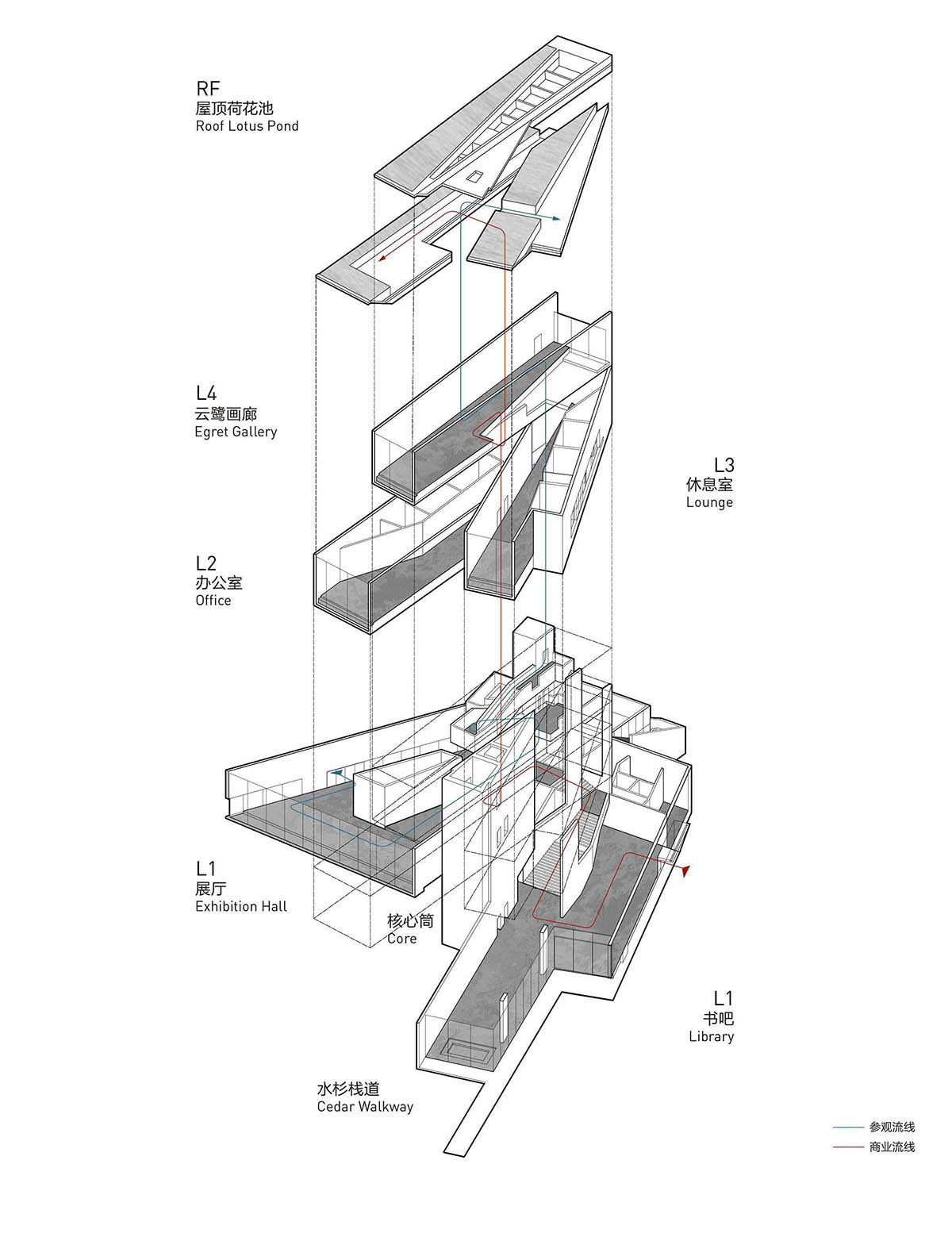
Circulation axon diagram
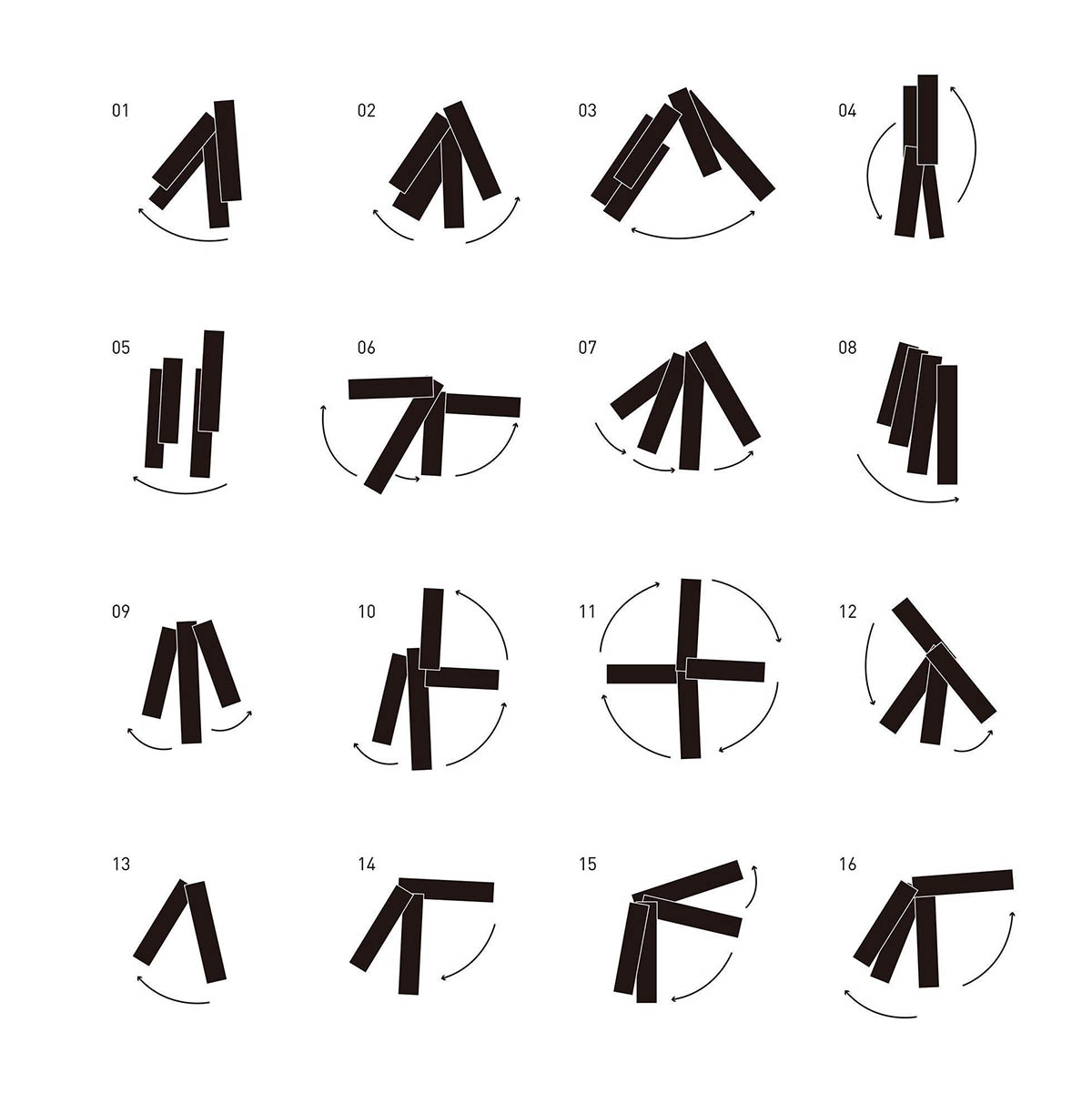
Four rotating tubes
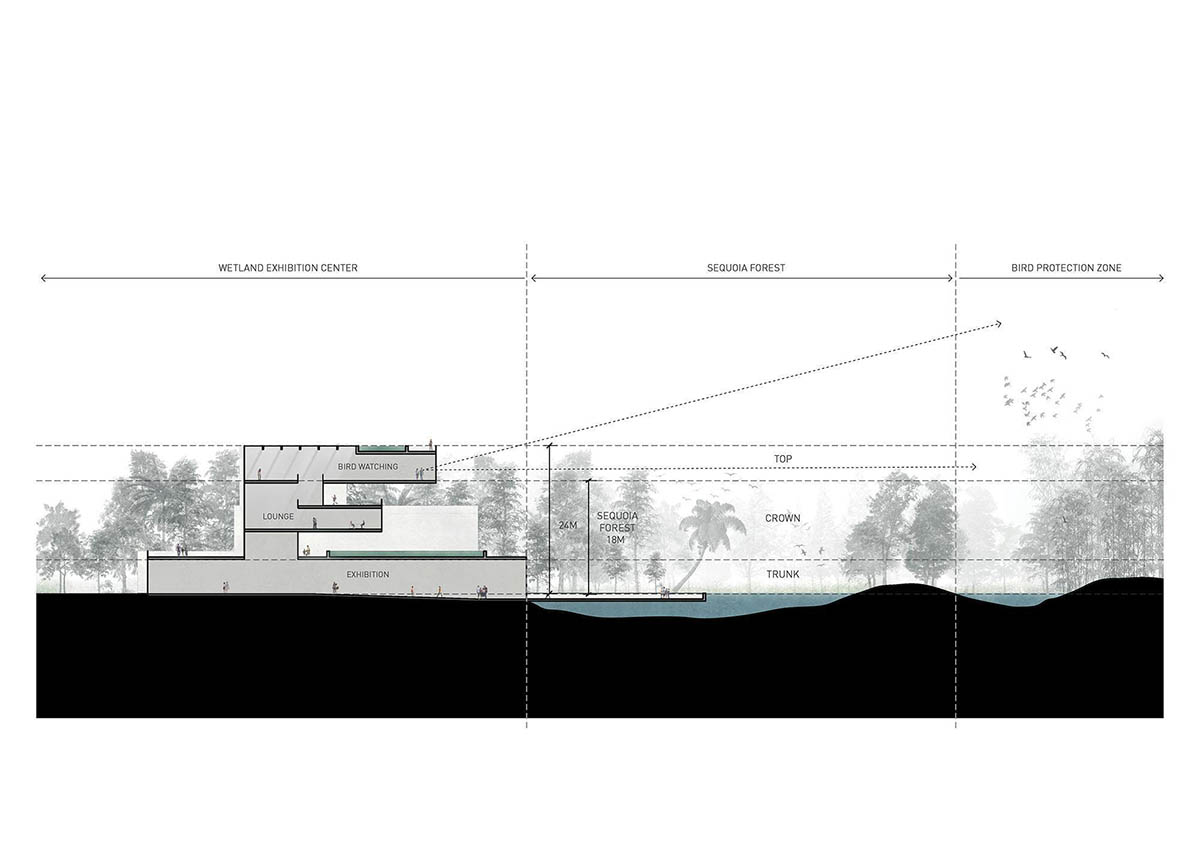
Section and sight analysis
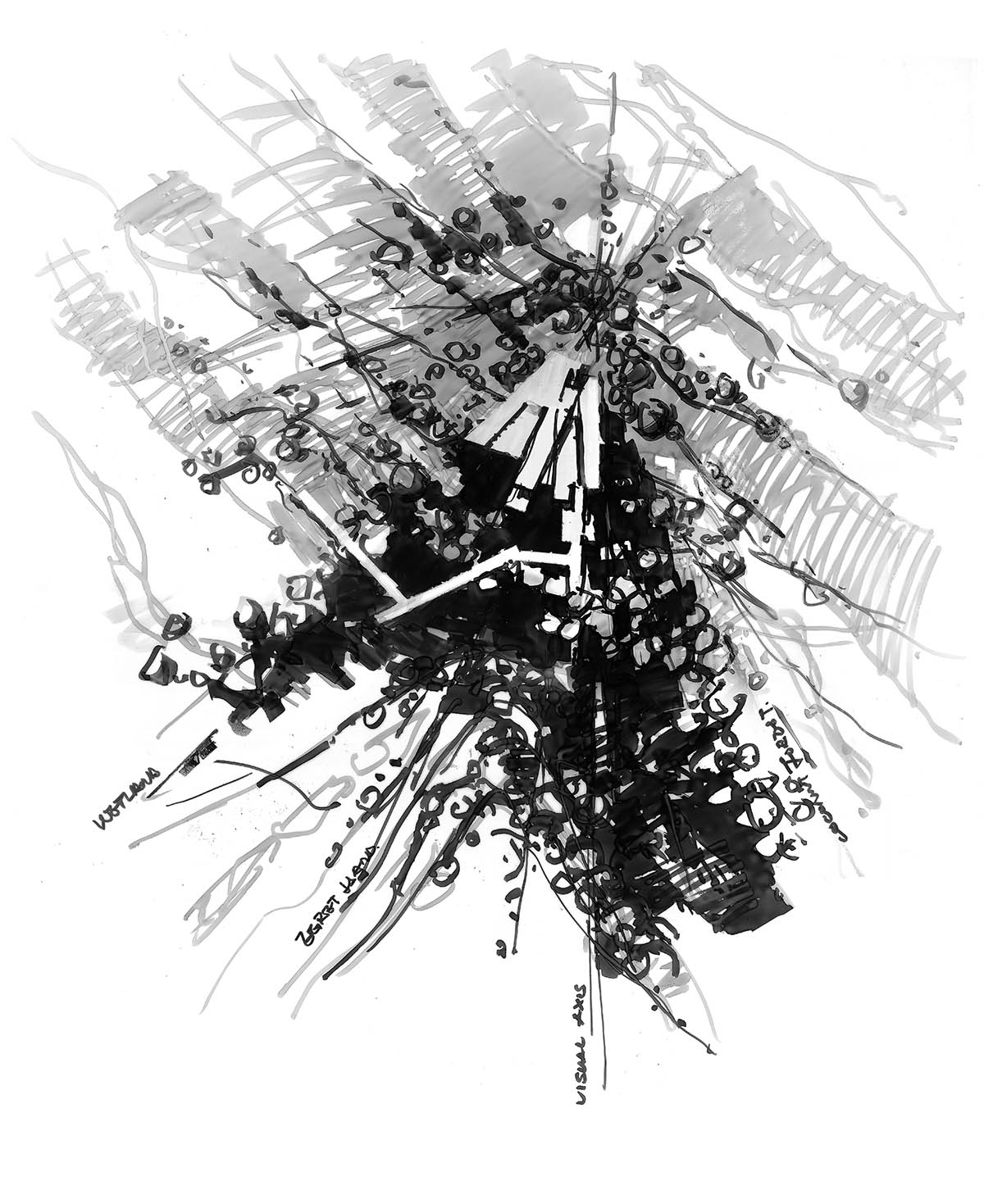
Sketch
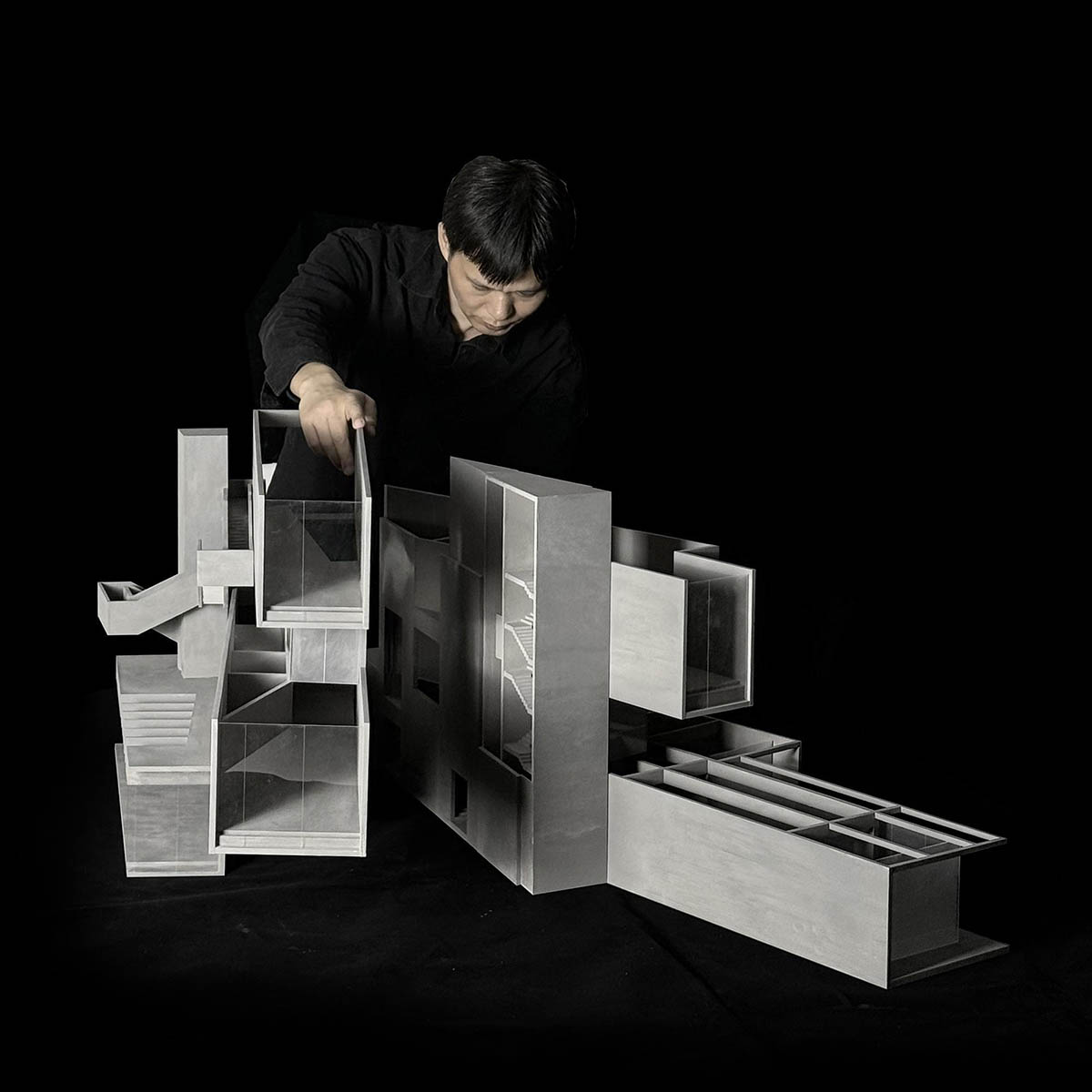
Model
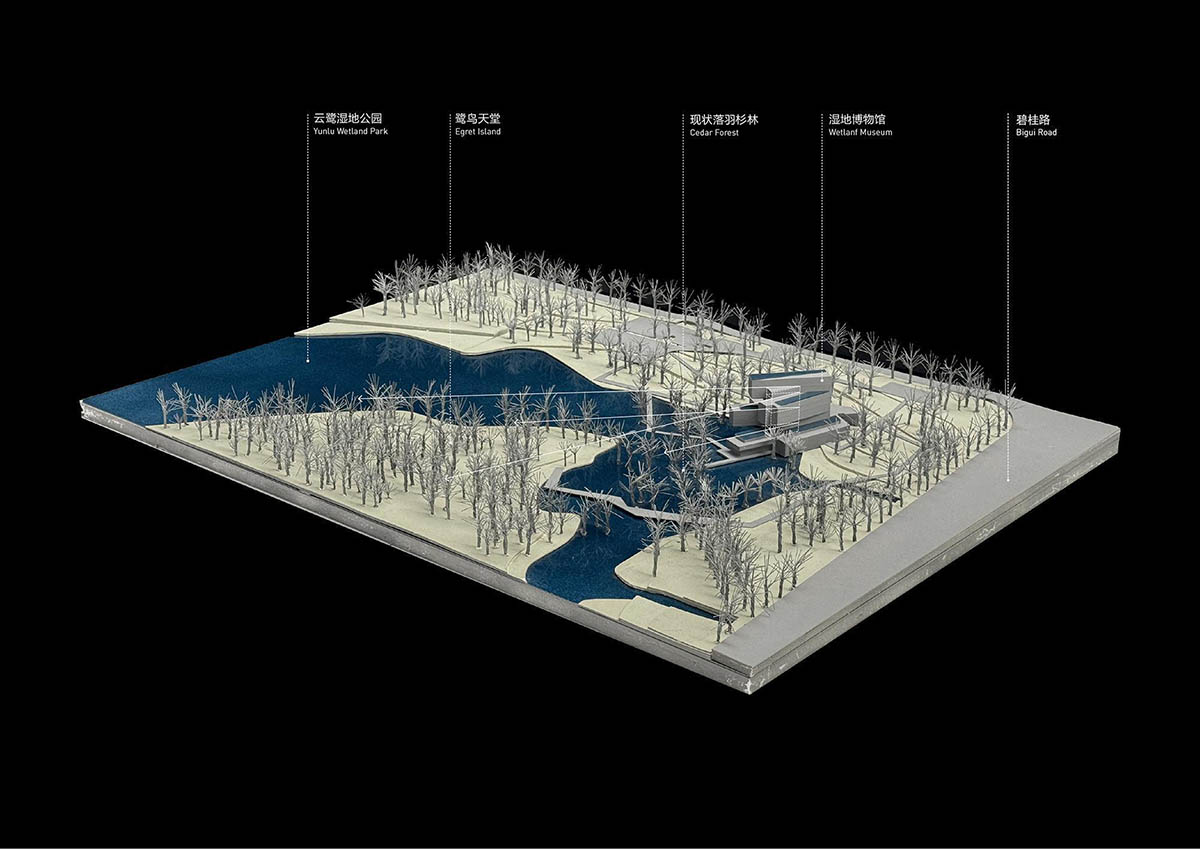
Site model
Studio Link-Arc, LLC is a multinational architectural and design firm with its headquarters in New York City.
The collaborative character of the company and its goal of working across disciplines to generate strategy and design in the domains of urban planning, architecture, spatial art, and landscape are reflected in the firm's name, Link-Arc.
Project facts
Project name: Shunde Yunlu Wetland Museum
Architects: Studio Link-Arc
Project location: Guangdong, China
Project type: Cultural Architecture-Museum, Gallery
Area: 1,800m2
Client: CR Land, Shunde People’s Government of Foshan
Design Stage: 09/2023-04/2024
Construction Stage/Completion: 09/2024
Chief Architect: Yichen Lu
Project Manager: Shiyu Guo
Project Team: Rui Zhou, Jiaqi Zhang, Zhenwei Zhong, Zida Liu, Jingbing Cheng, Luis Ausin, Lingyun Yang, Feng Qi, Jiarui Xu, Xinning Hua, Sarah Kenney, Zishi Li, Isabella Chong
Design Scope: Architectural Design, Interior and Landscape Conceptual Design
Architect & Engineer of Record: Shenzhen A+E Design Co., Ltd.
Structural Consultant: Shenzhen WS Engineering Design Consultant Ltd. / Shenzhen A+E Design Co., Ltd.
Curtain Wall Consultant: Zheng Xiang Consultant
Landscape Designer: CHANGE
Interior Consultant: Yu Studio
Lighting Consultant: Gradient Lighting Design
Building Structure: box structure, steel structure
Main Building Material: pine moulded fair-faced concrete, glass curtain wall, stainless steel plate
Main Interior Material: woodgrain stone, texture paint, wood veneer
Supplier: Beijing Yihuida Architectural Concrete Engineering Co.,Ltd..
The top image in the article: View of the wetland museum under the palm tree. Image © Arch-Exist.
All drawings © Studio Link-Arc.
> via Studio Link-Arc
cultural building museum nature sanctuary Studio Link-Arc wetland museum