Submitted by WA Contents
MVRDV creates a pavilion that showcases Chiayi's timber heritage
Taiwan Architecture News - Jan 19, 2026 - 05:22 2713 views
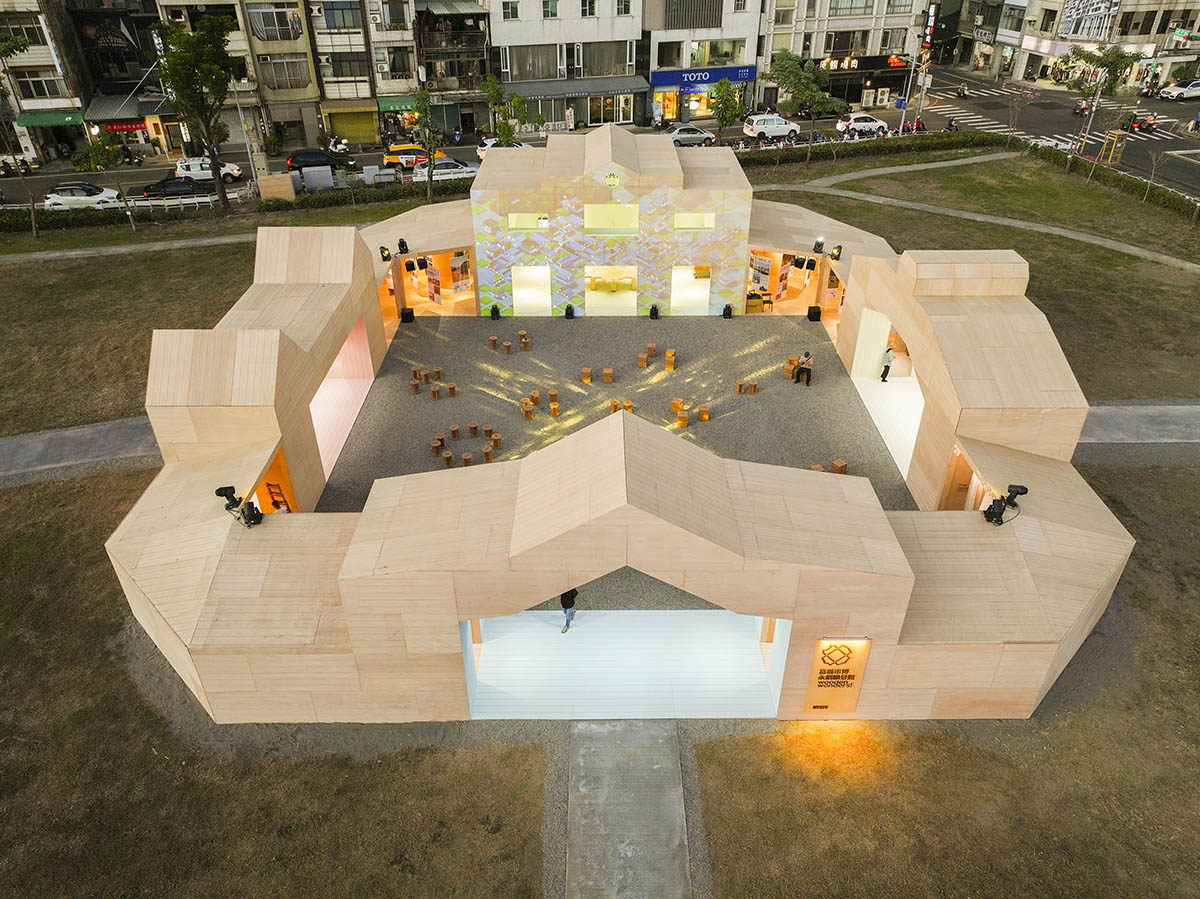
MVRDV completed a temporary timber pavilion that will house an exhibition on wood manufacturing, crafts, and construction in honor of the 321st anniversary celebrations of Chiayi City's foundation in Taiwan.
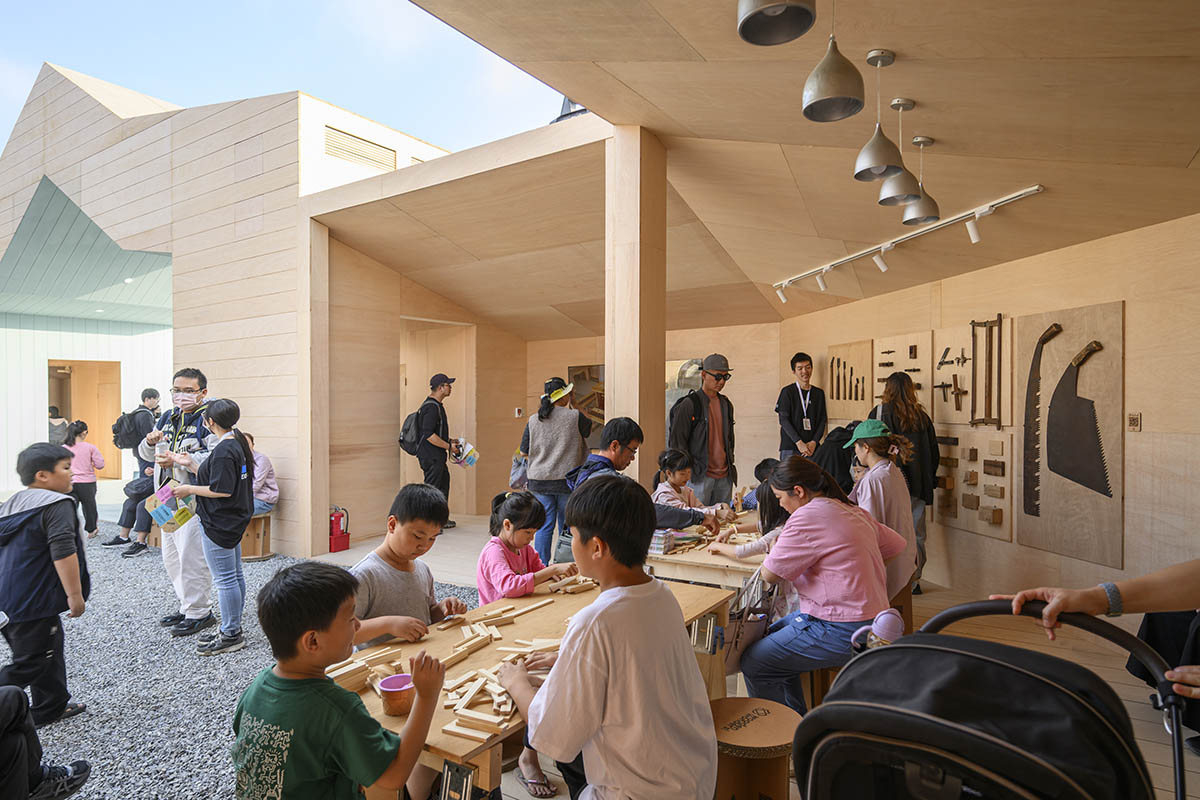
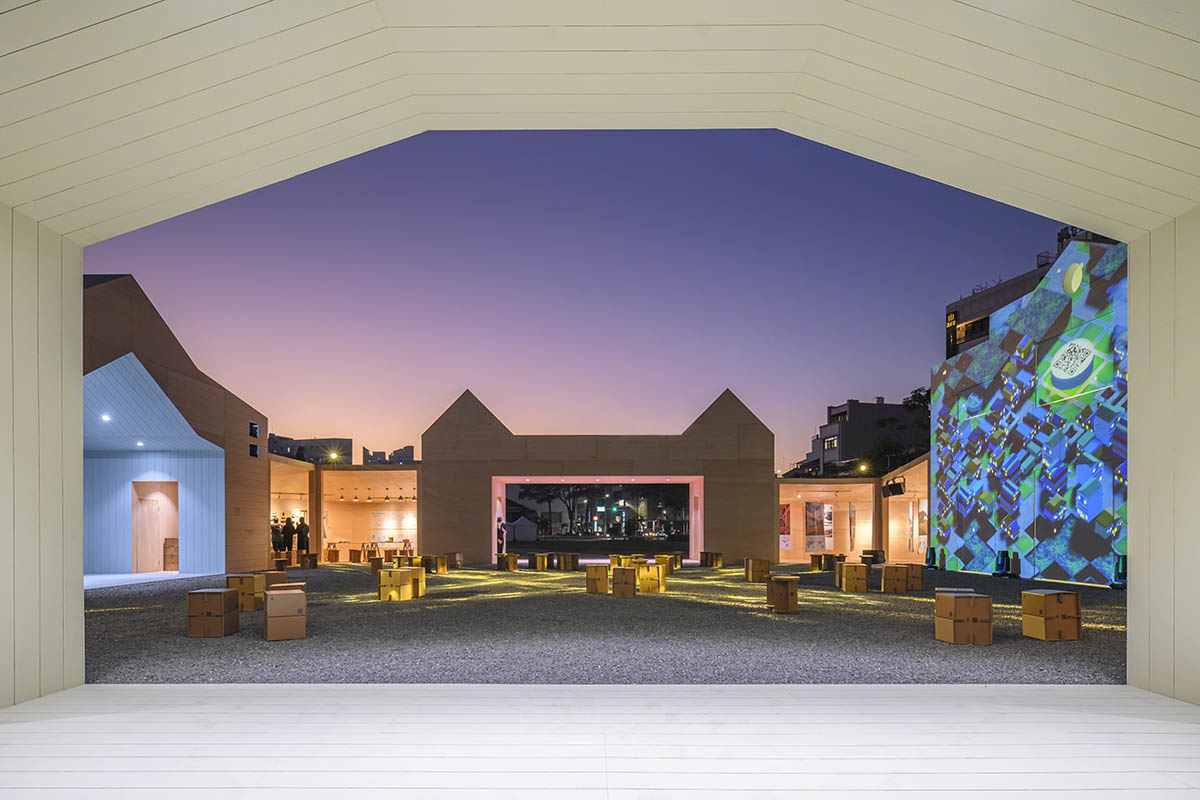
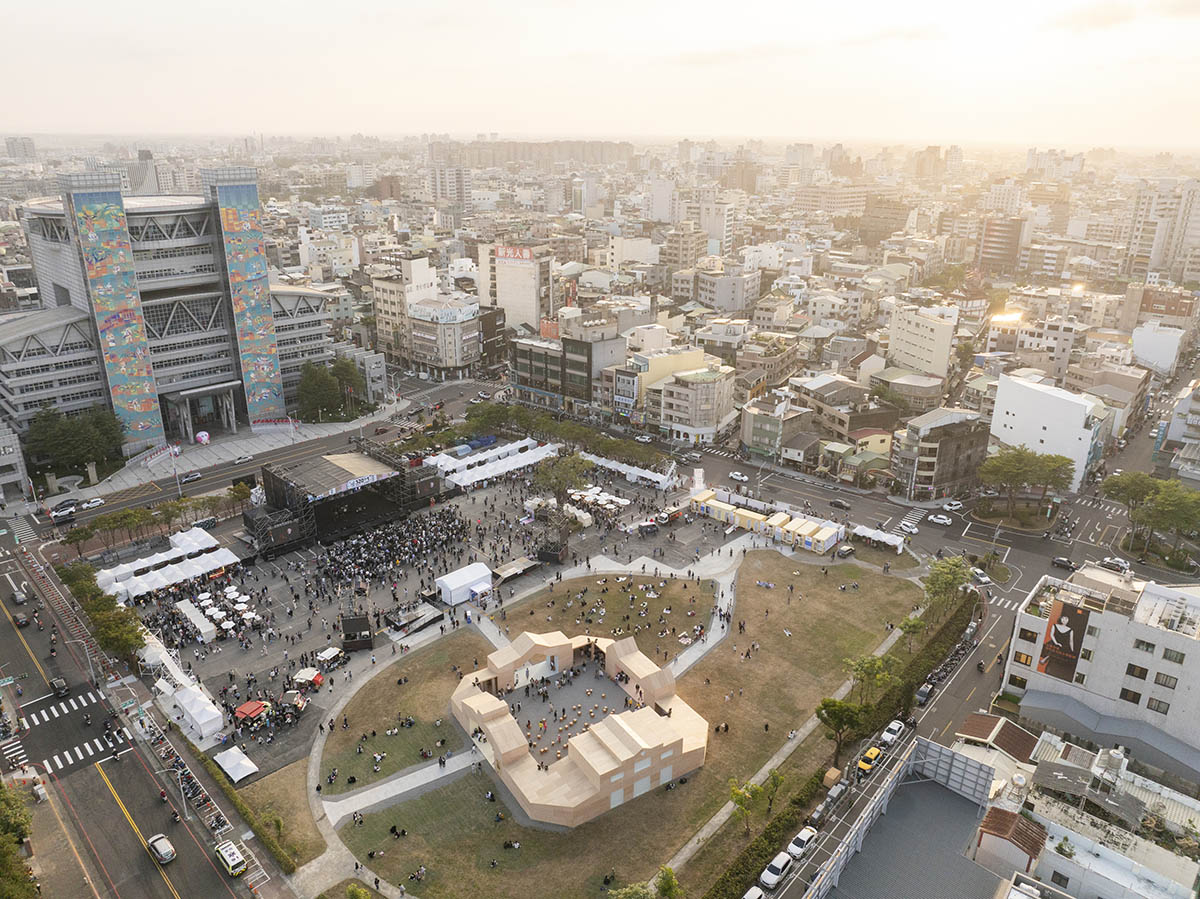
The Wooden Wonders pavilion, which is situated opposite from Chiayi's city hall, encloses a square courtyard. Its perimeter structure was shaped by extensive research into the city's history of timber construction.
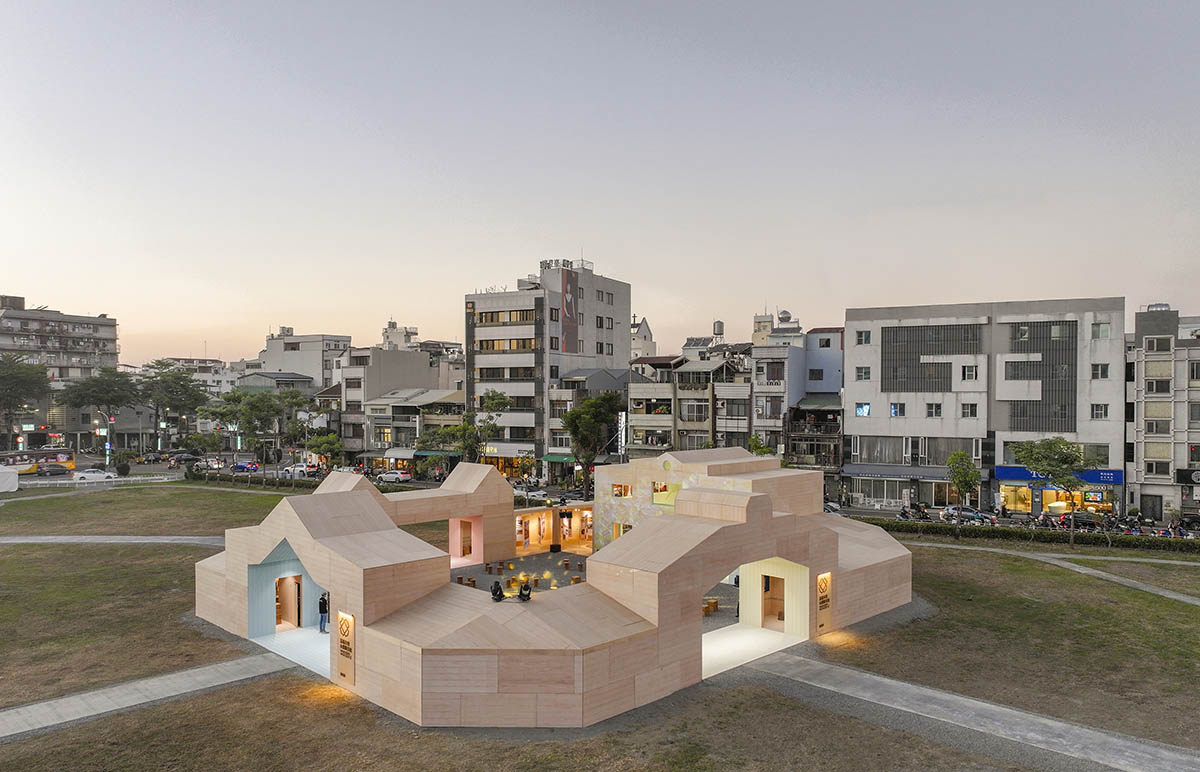
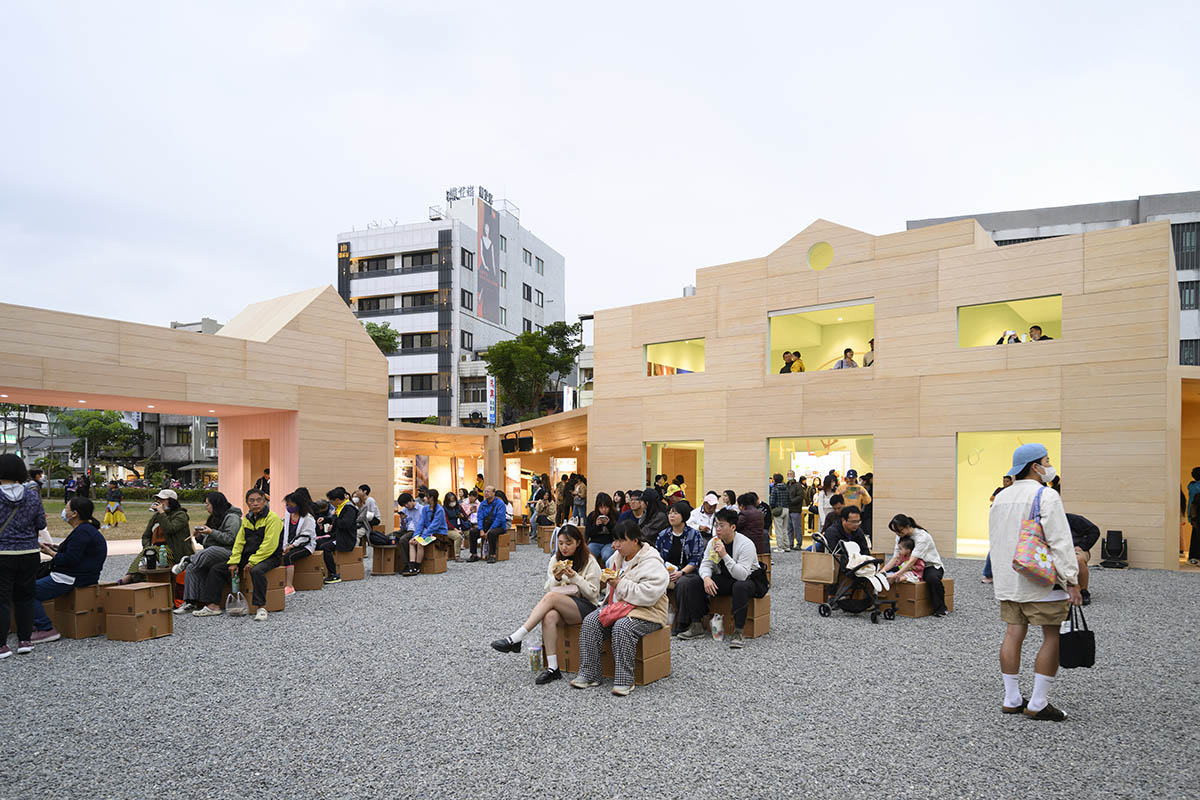
From December 12 to 28, the project will be on display as part of Chiayi's anniversary festivities, giving locals a place to gather, learn about the city's history, and talk about its "timber future."
The timber industry was essential to Chiayi's historical development because of its proximity to the lush woods in Taiwan's mountainous center. The city produced a variety of wooden goods, including structures, toys, and furniture.
Many of the locals have forgotten the knowledge and skills that gave rise to this tradition, and the trees that formerly supported this economy are now protected.
However, the city still possesses more than 6,000 timber buildings, a legacy that the local administration has just recently begun to acknowledge, preserve, and repair.
The municipality thus asked MVRDV to create a pavilion and exhibition that examines the city's relationship with wood as part of Chiayi's anniversary celebrations, from honoring the region's natural forests to highlighting the potential of contemporary wooden architecture.
The pavilion's emphasis on sustainability and history preservation takes a risk in Taiwan, where many people view wood as a less respectable or dependable building material and seismic rules make the renovation of existing buildings uncommon.
"The story of timber construction in Chiayi really mirrors how attitudes to timber have changed globally," said MVRDV founding partner Jacob van Rijs.
"Once a pragmatic and widely available construction material, timber became ‘old-fashioned’ when materials such as concrete and steel became cheaper and more efficient."
"Yet nowadays, the climate crisis forces us to look from a different angle: wood stores carbon, while concrete and steel release huge quantities of it into the atmosphere; meanwhile decades of research and innovation have made modern buildings increasingly viable with engineered timber techniques. Now is a perfect moment to talk about timber again," Van Rijs added.
The architects started designing the pavilion by conducting an architectural analysis of Chiayi's existing timber structures. The design team discovered an eclectic mix, with timber buildings representing a wide range of eras and styles.
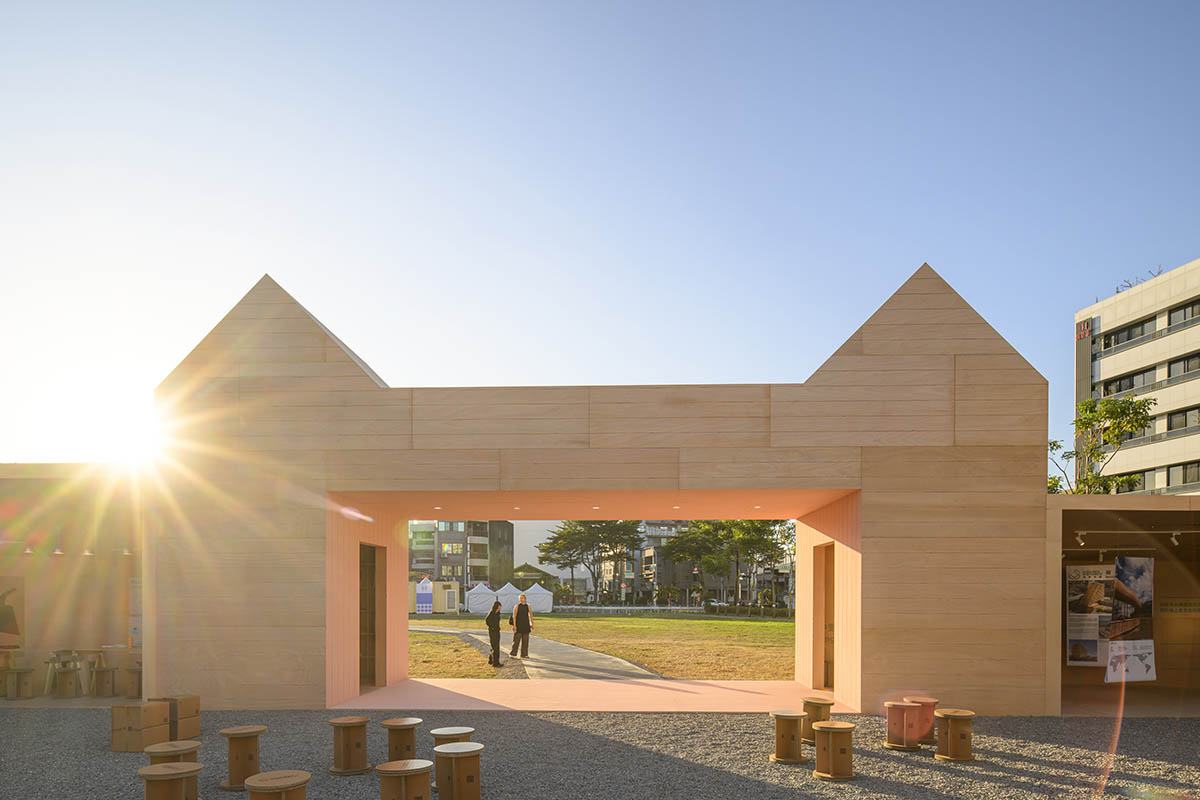
However, they did recognize several common elements that set Chiayi's timber architecture apart, such as intricate rooflines resulting from ornamental crowns and decorative façade elements, and diagonal cuts to highlight street corners.
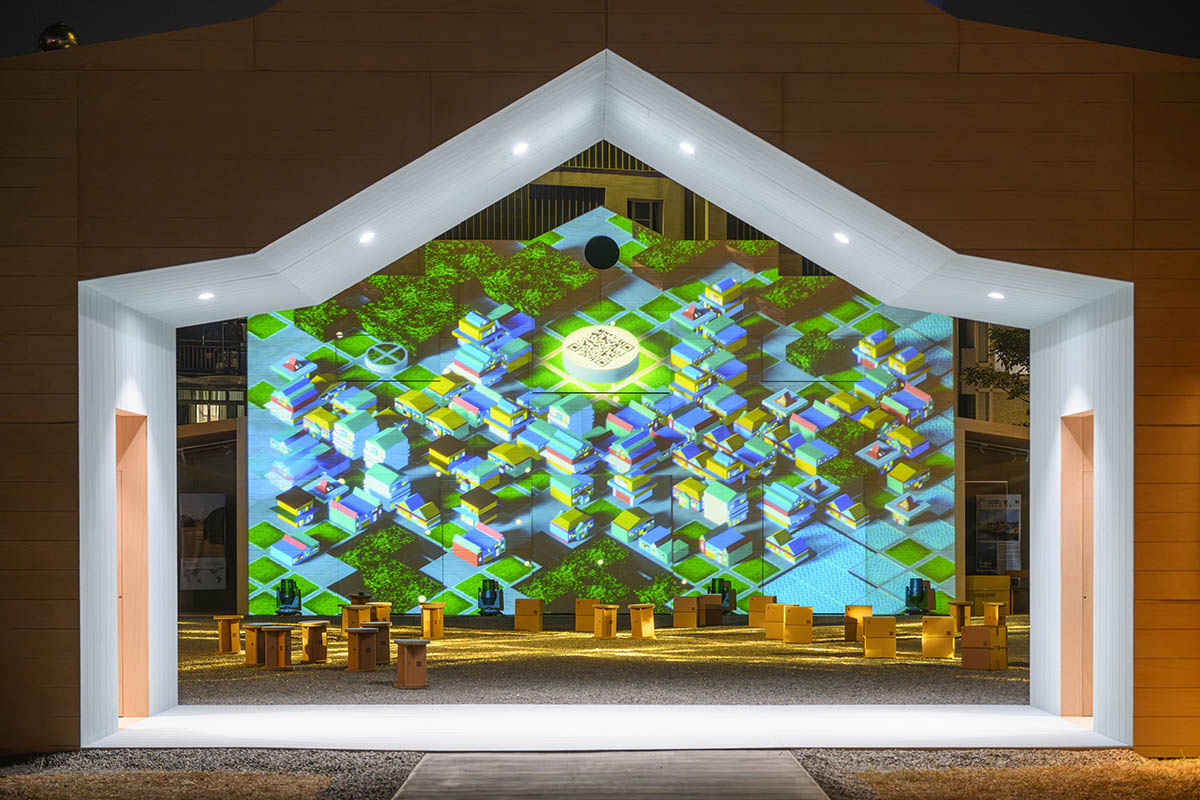
These features are reflected in the pavilion's architecture, which features four chamfered corners that resemble the city's corner eateries and cafés. The pavilion's roofline, which draws inspiration from famous timber structures like a police station and museum, highlights each side of the structure.
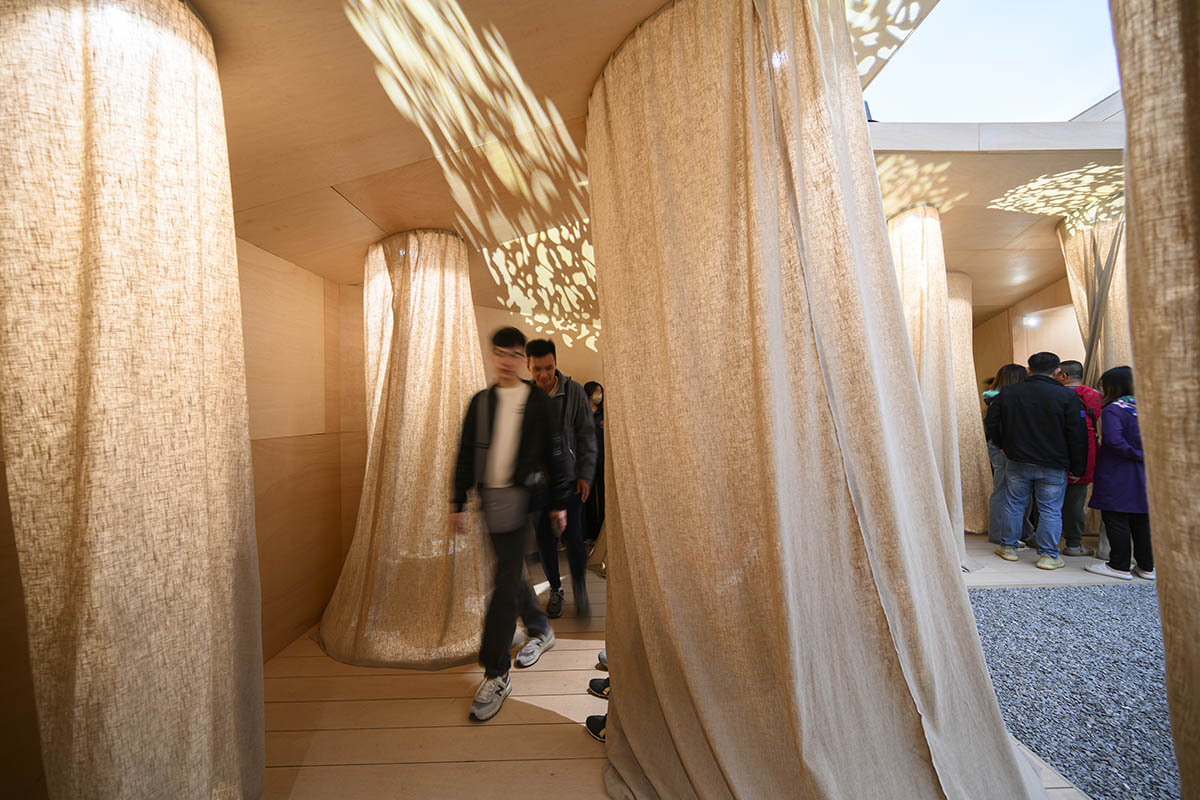
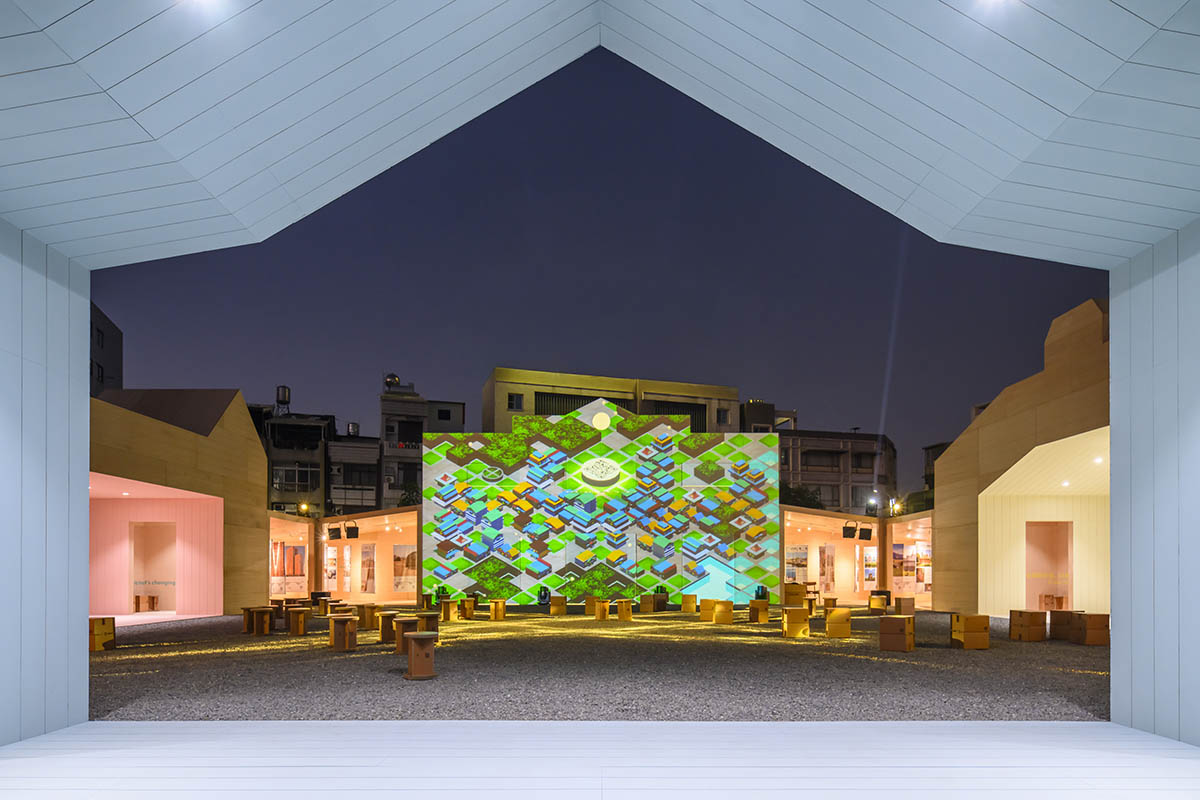
With their pastel interior colors, which also allude to the colors of the original houses they depict, three of these sides serve as entrances to the courtyard, welcome guests into this urban living space.
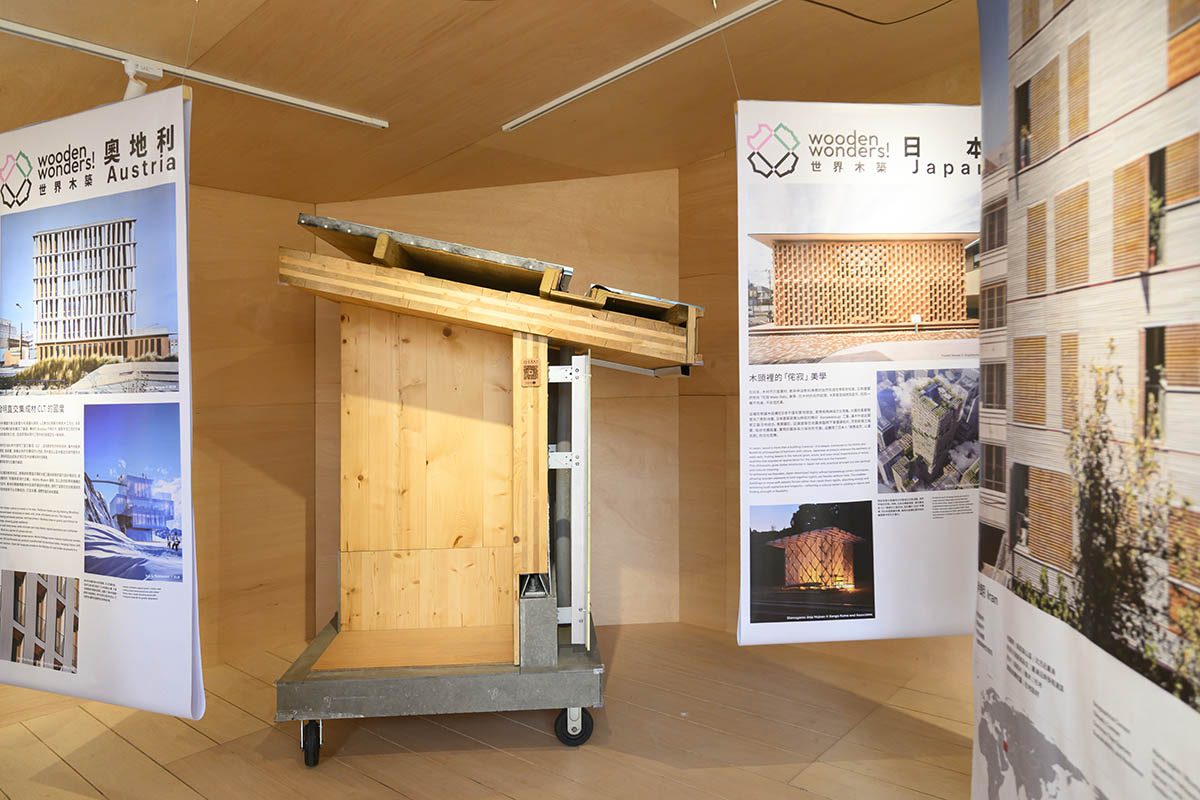
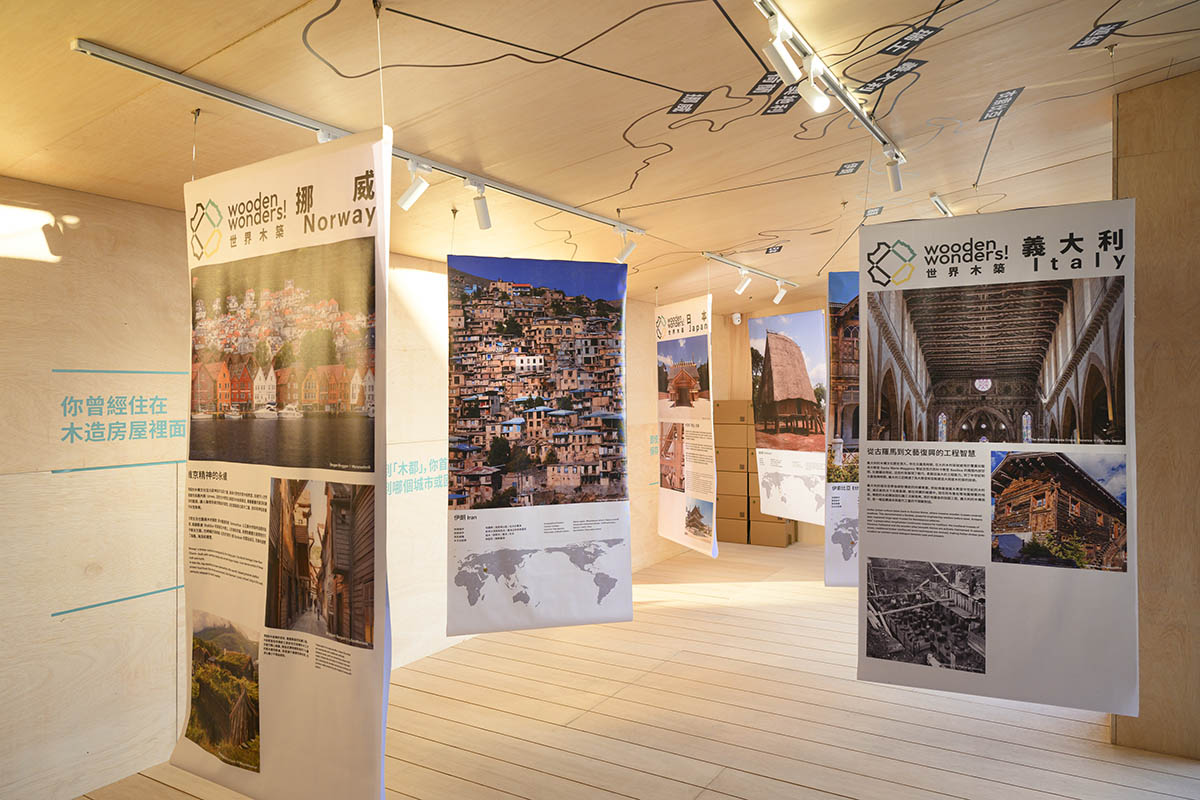
The show, which is divided into five pieces, takes up the peripheral area surrounding this courtyard. One of these areas is devoted to the forest, with an exhibit that appeals to all five senses that demonstrates the production and harvesting of timber. The second is called the workshop and honors Chiayi's traditional handicraft.
Chiayi's potential as Taiwan's "Wood Capital" is the focus of the final three sections. The exhibition makes comparisons to various parts of the world, such as Norway and New Zealand, demonstrating how other locales evolved their wood traditions and how they have adjusted to contemporary circumstances to preserve this culture to this day.
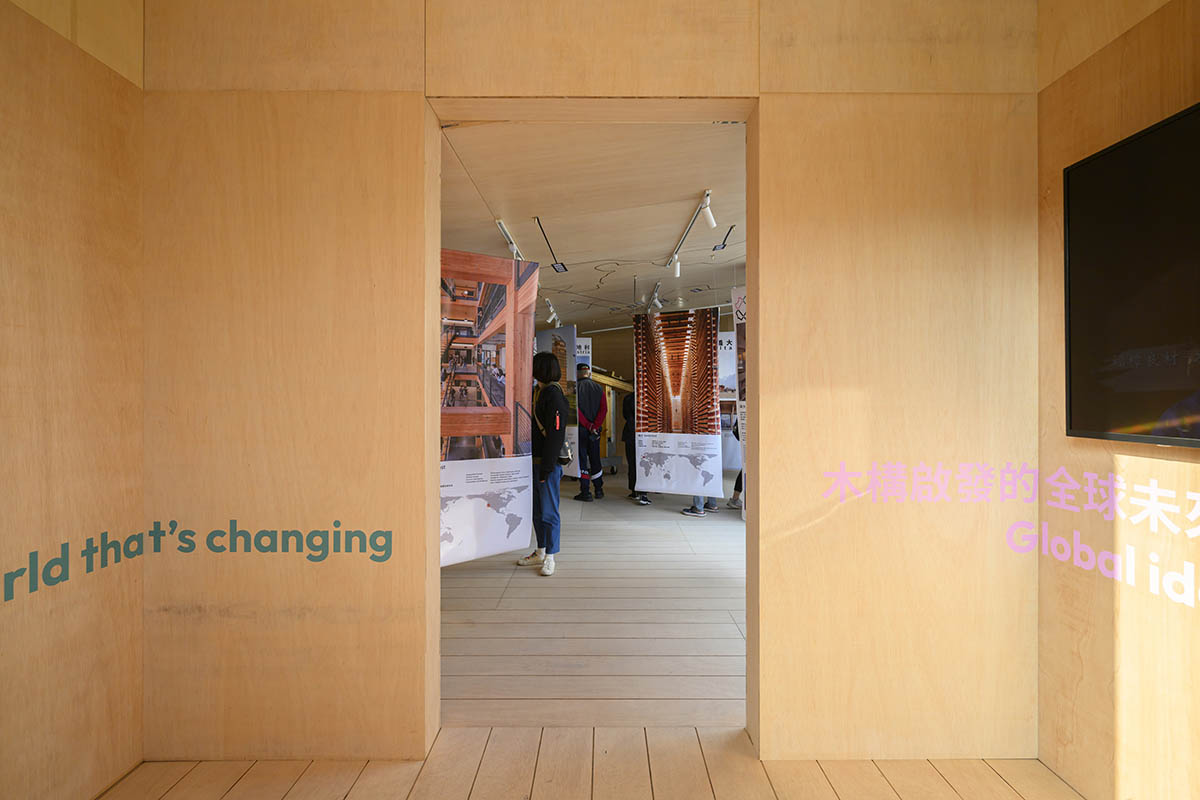
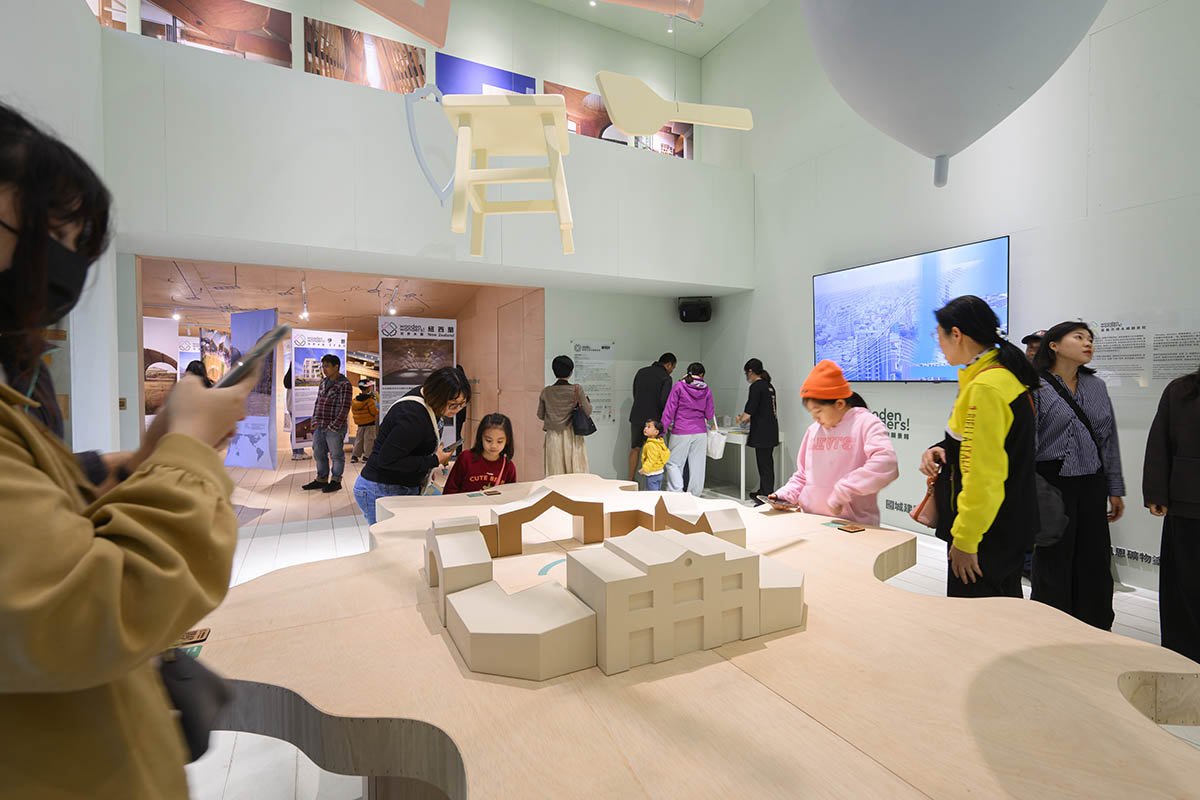
The exhibition showcases Chiayi's timber future in the main hall, a two-story area that occupies the pavilion's northern side. It invites people to envision what life can be like with a revitalized wood culture and to offer proposals for the city's future growth.
The Wooden Wonders pavilion will be a major gathering place during the city's centennial celebrations thanks to its large main hall and courtyard area, where a light show will be projected onto the pavilion's façade every evening.
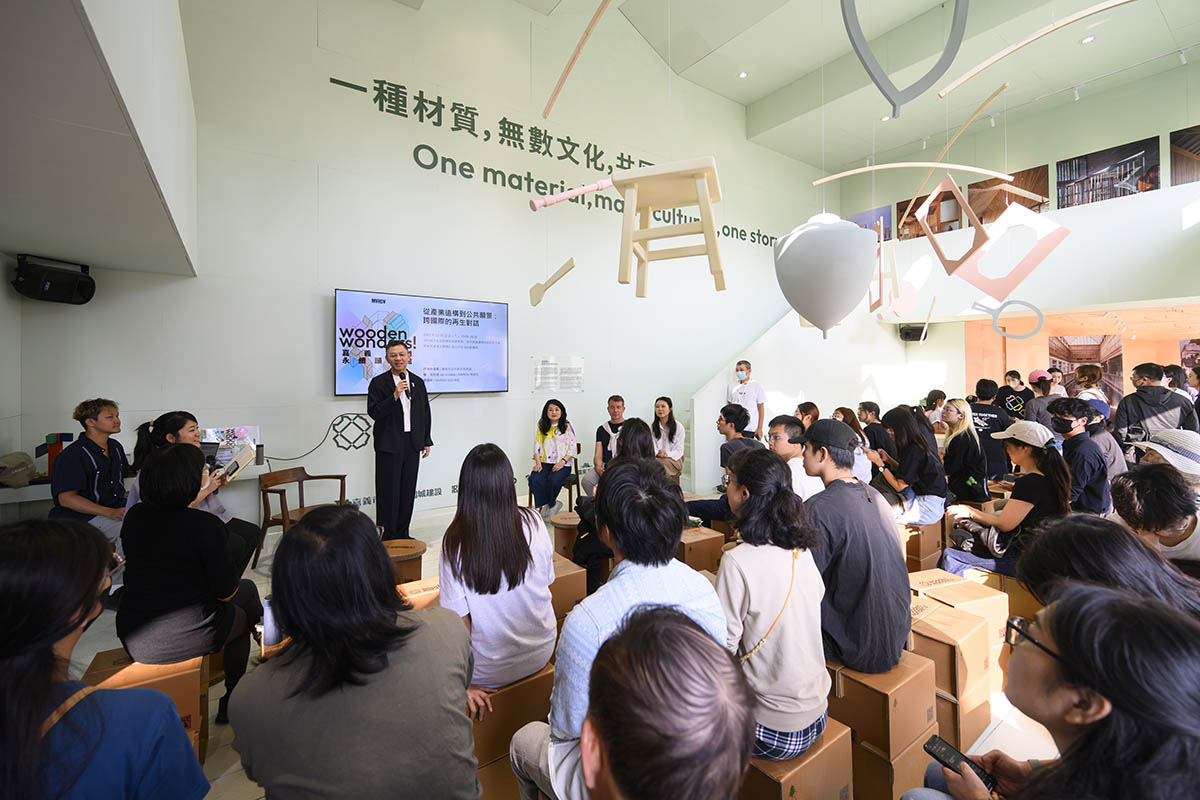
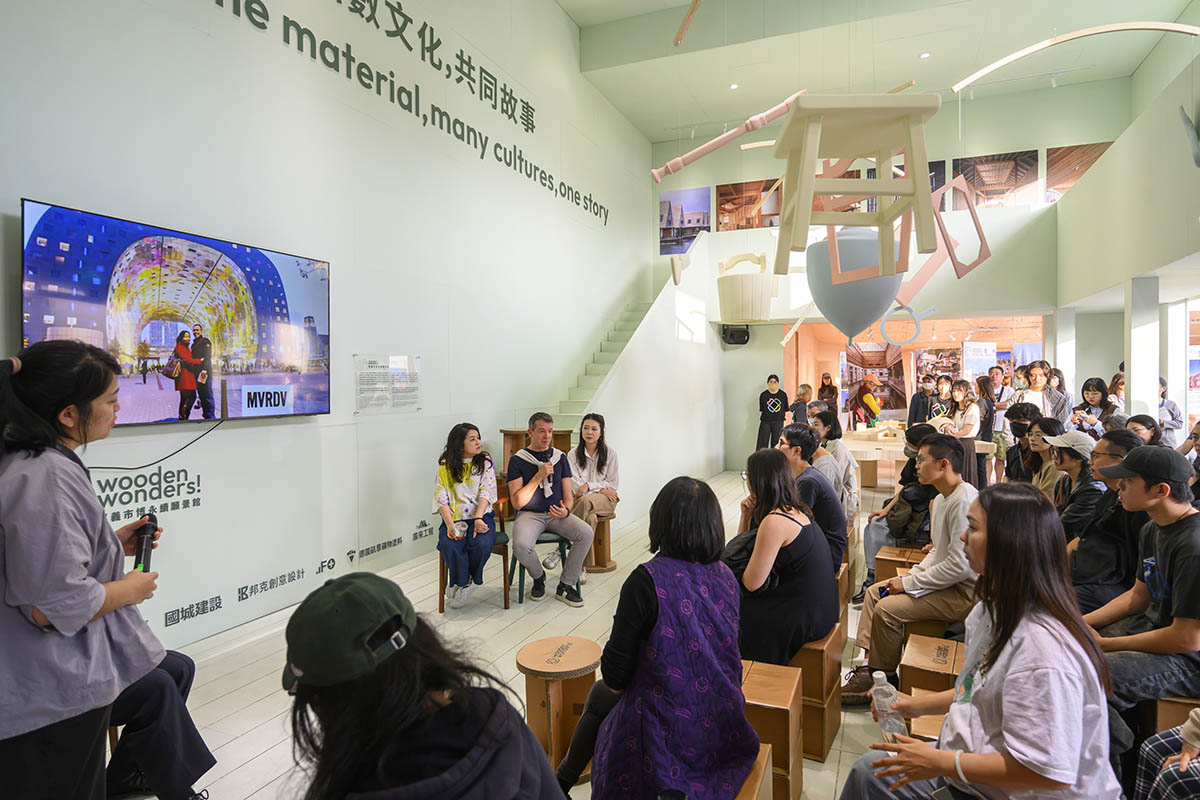
As a result, it will hold a number of public events, such as discussions with MVRDVs Partner Jan Knikker and Head of Taiwan Hui Hsin Liao, as well as Huai-chun Hsu, Chiayi's Director of Urban Development, and Cheng-che Chen, Dean of the College of Arts and Design at Nanhua University. Additionally, architect Herng Tzou and MVRDV project leader Veronica Della Ventura will give three talks.
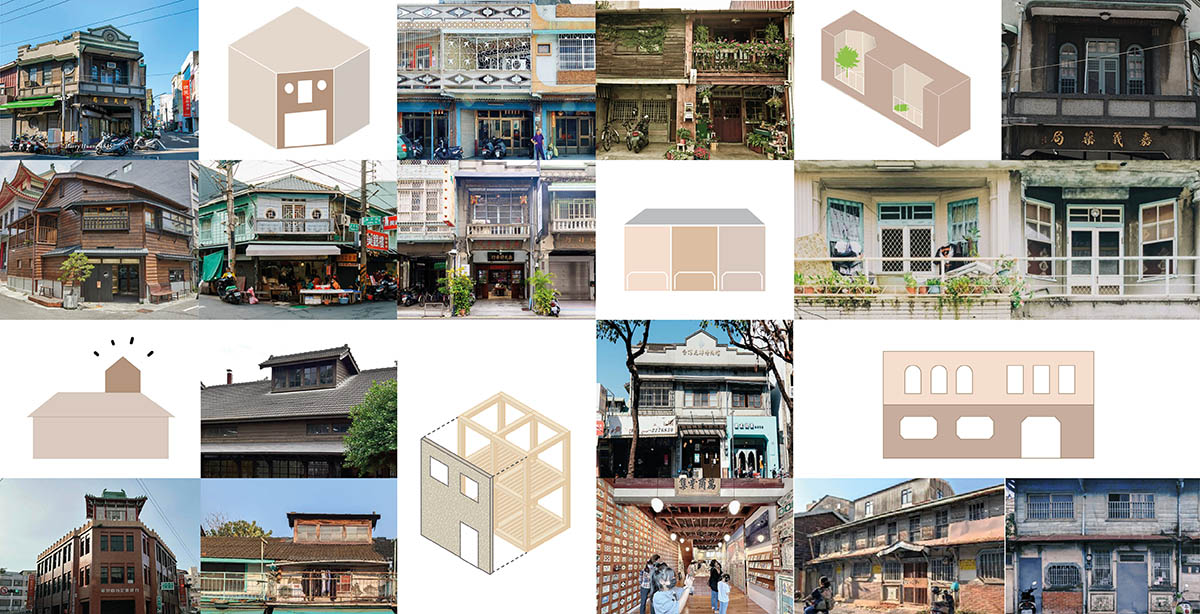
Research diagrams
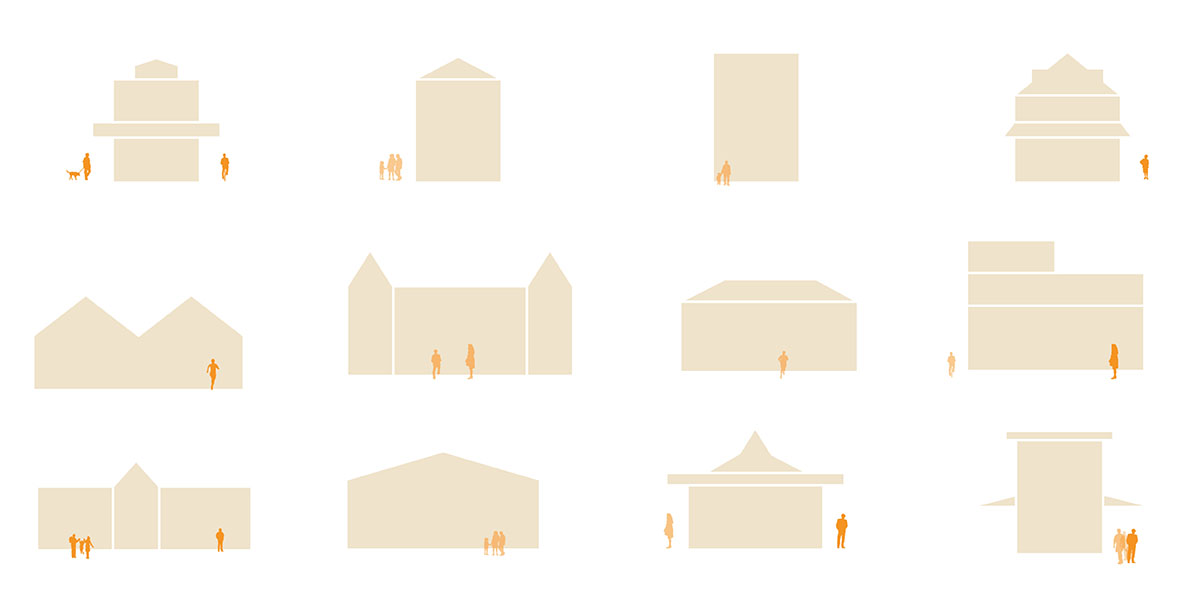
Research diagrams
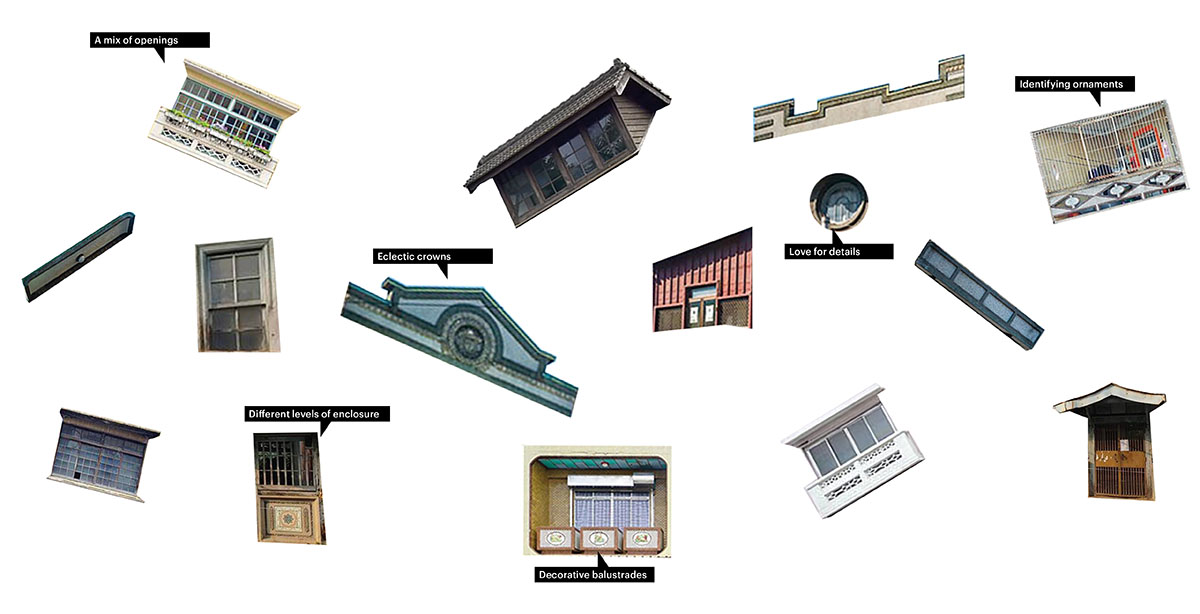
Research diagrams
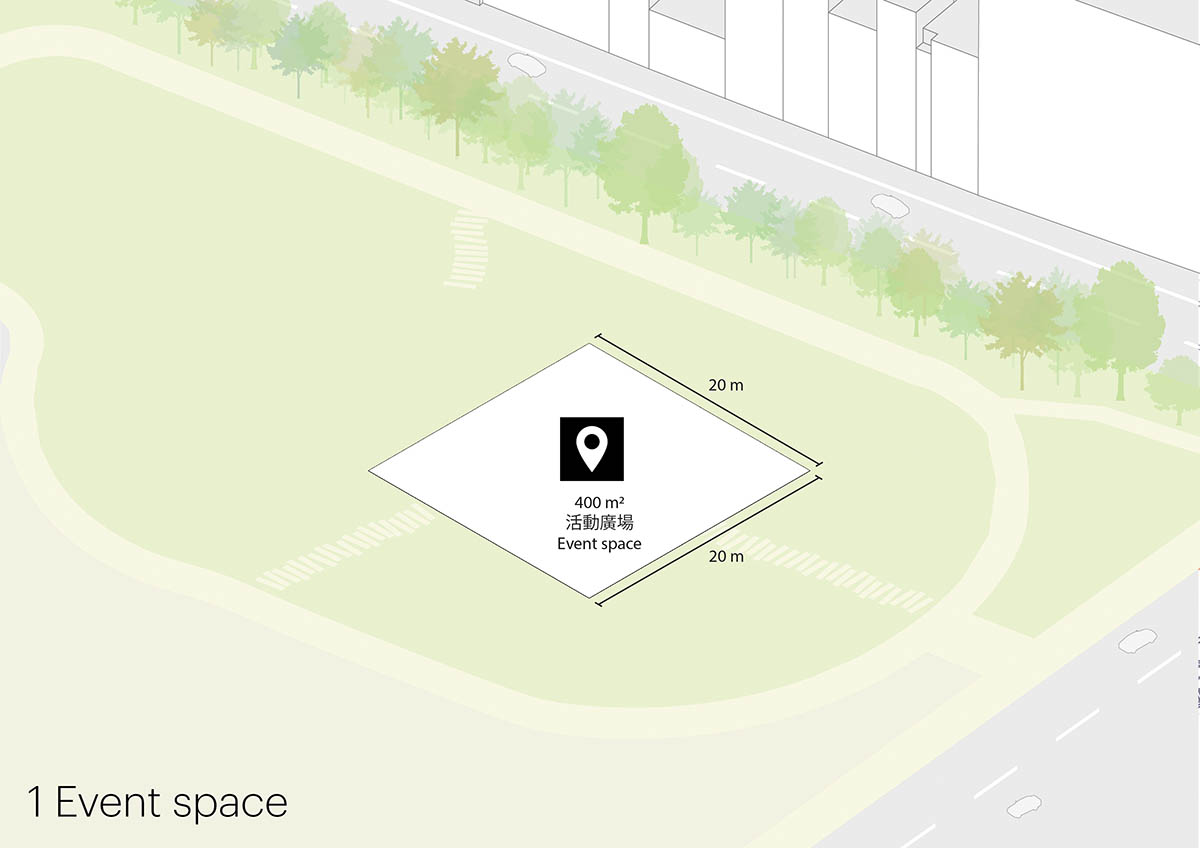
Event space
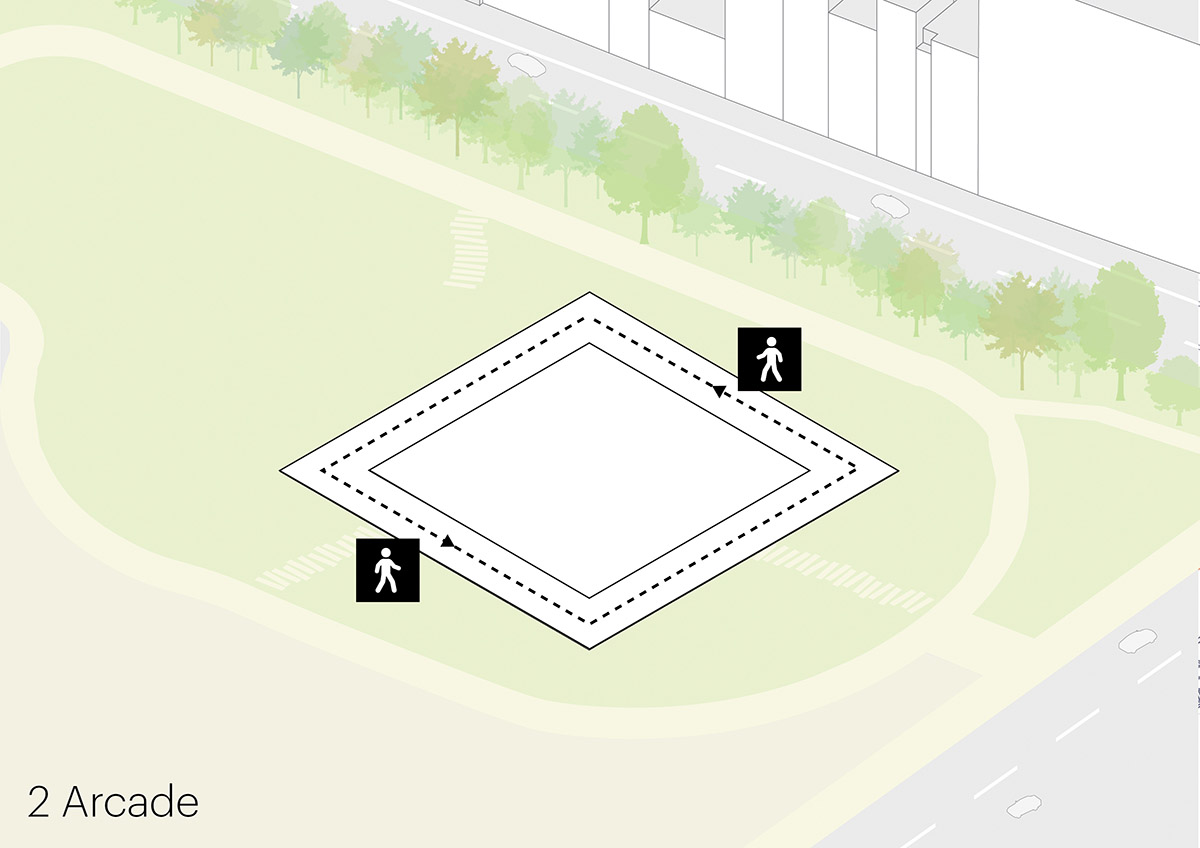
Arcade
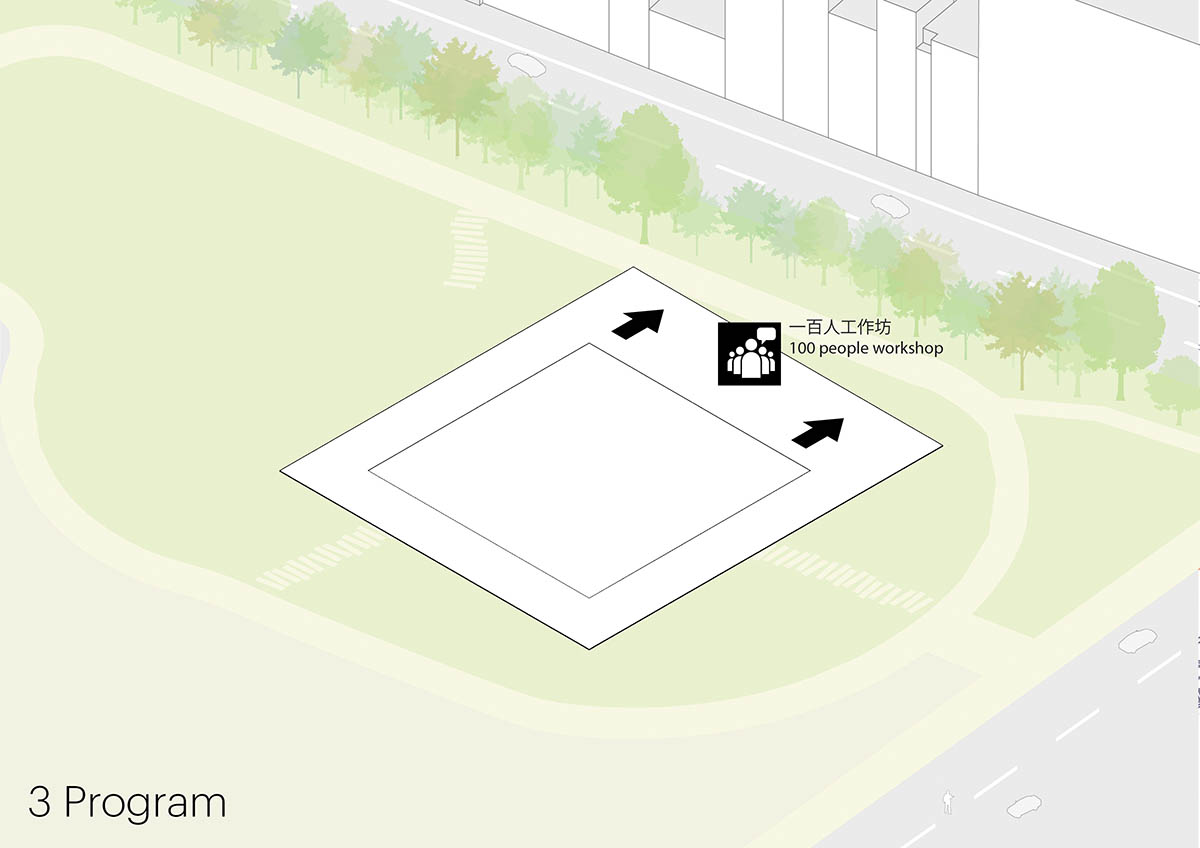
Program
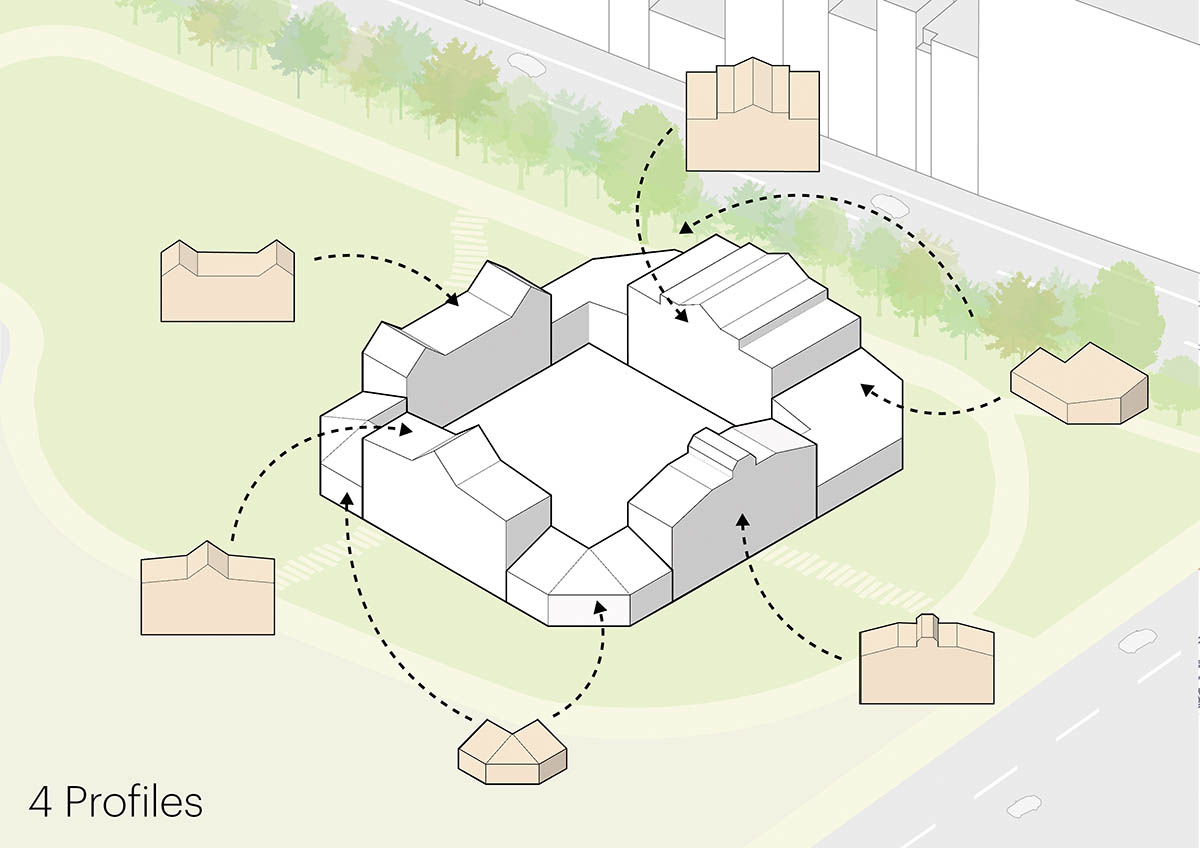
Profiles
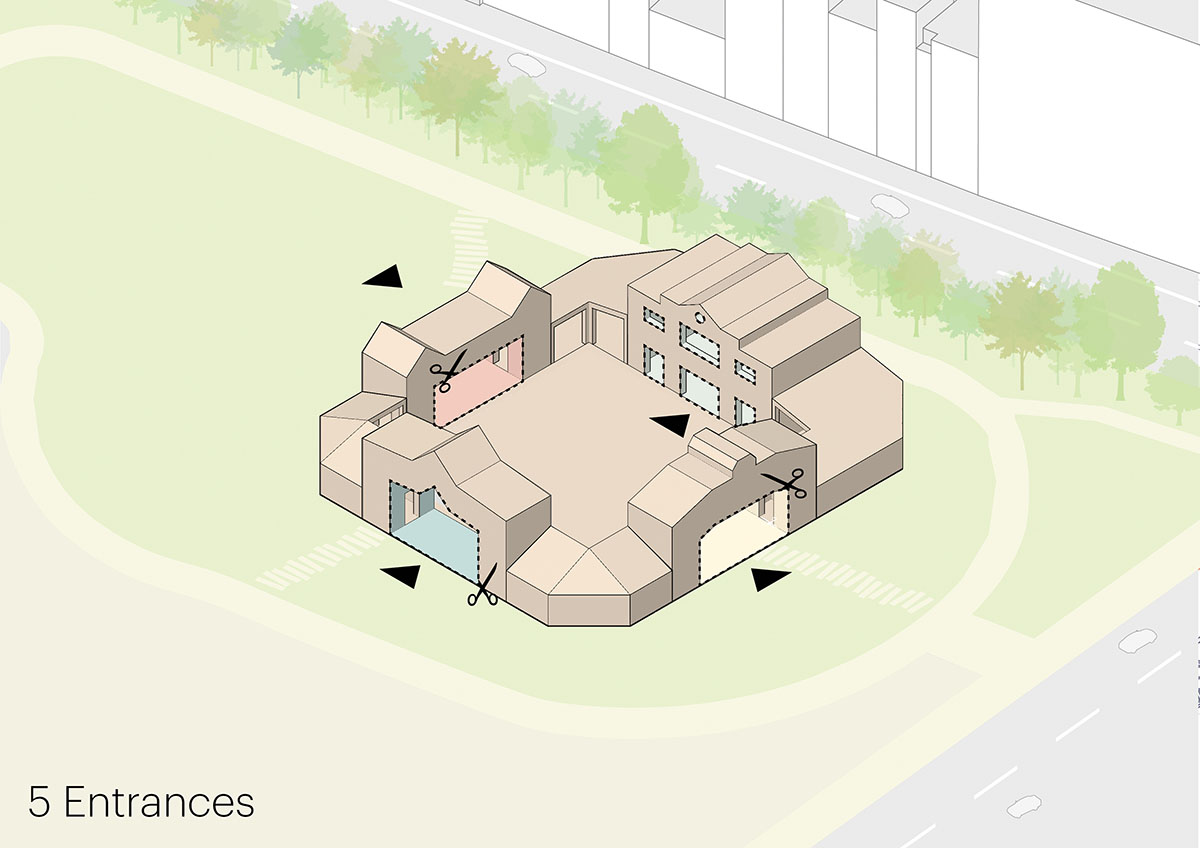
Entrances
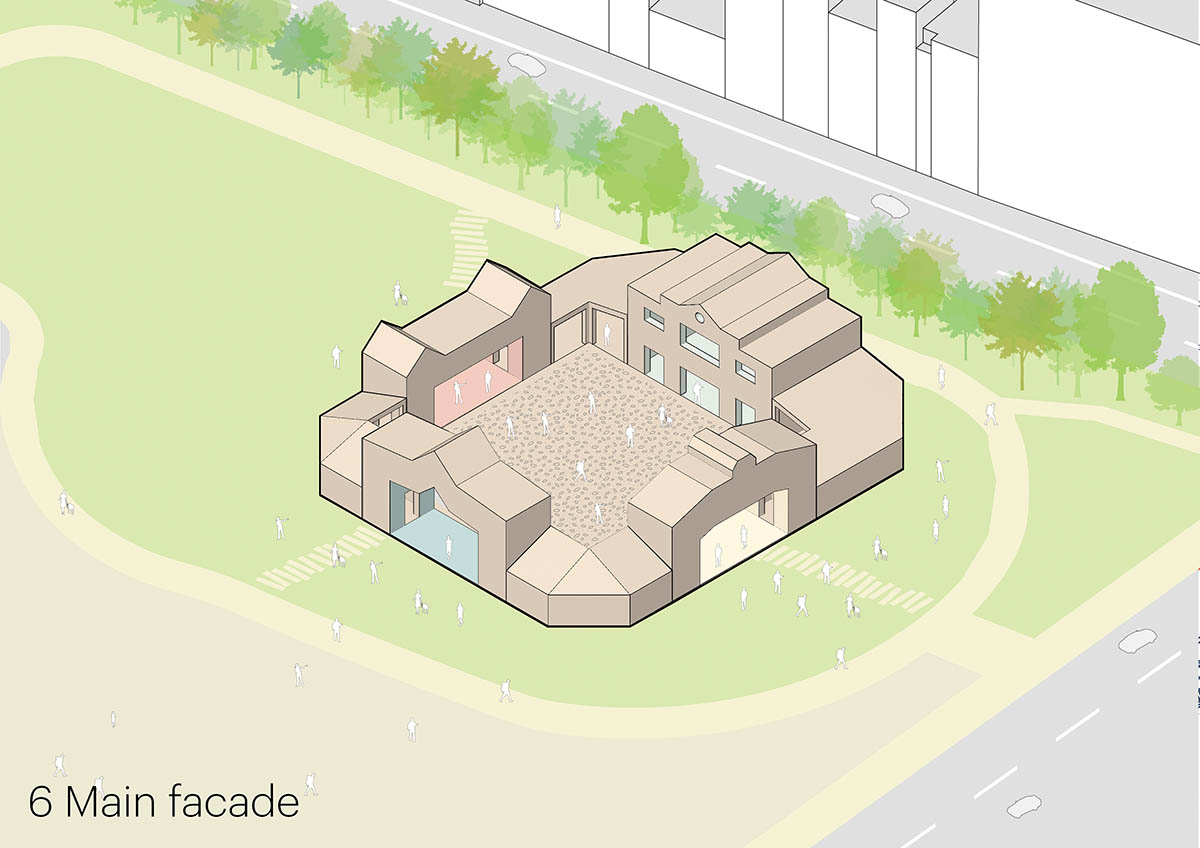
Main facade
MVRDV recently completed an earth-covered timber pavilion on the hills south of Chengdu, China. In addition, the firm revealed the design of The Island, a 21-story residential tower in Taichung, Taiwan. Furthermore, the studio designed plans for "a monumental" spherical sports arena in Tirana, Albania.
Project facts
Project name: Wooden Wonders – Chiayi City Expo
Location: Chiayi, Taiwan
Year: 2025 – 2025
Client: Chiayi City Government
Size and Programme: 780m2 Pavilion + Exhibition
Architect: MVRDV
Founding Partner in charge: Jacob van Rijs
Curator: Jan Knikker, Hui Hsin Liao
Co-curator: Herng Tzou
Design Team: Jacob van Rijs, Jan Knikker, Hui Hsin Liao, Veronica Della Ventura, Samuel Tam, Miruna Duna, Ciprian Buzdugan, Laura Travnikova, Antonio Luca Coco, Teresa Papachristou, Lorenzo D’Alessandro, Yayun Liu, Andreana Vasilatou, Lodovica Chiaravalli.
Local Executing Team: Bunkder Design
Wood Structure: Guanglai Construction
Projection Mapping: IF Plus
All images © Shephotoerd.
All drawings © MVRDV.
> via MVRDV