Submitted by WA Contents
The RCA announces plans to create an ambitious transformation for the Kensington Campus
United Kingdom Architecture News - Oct 20, 2025 - 04:27 2250 views
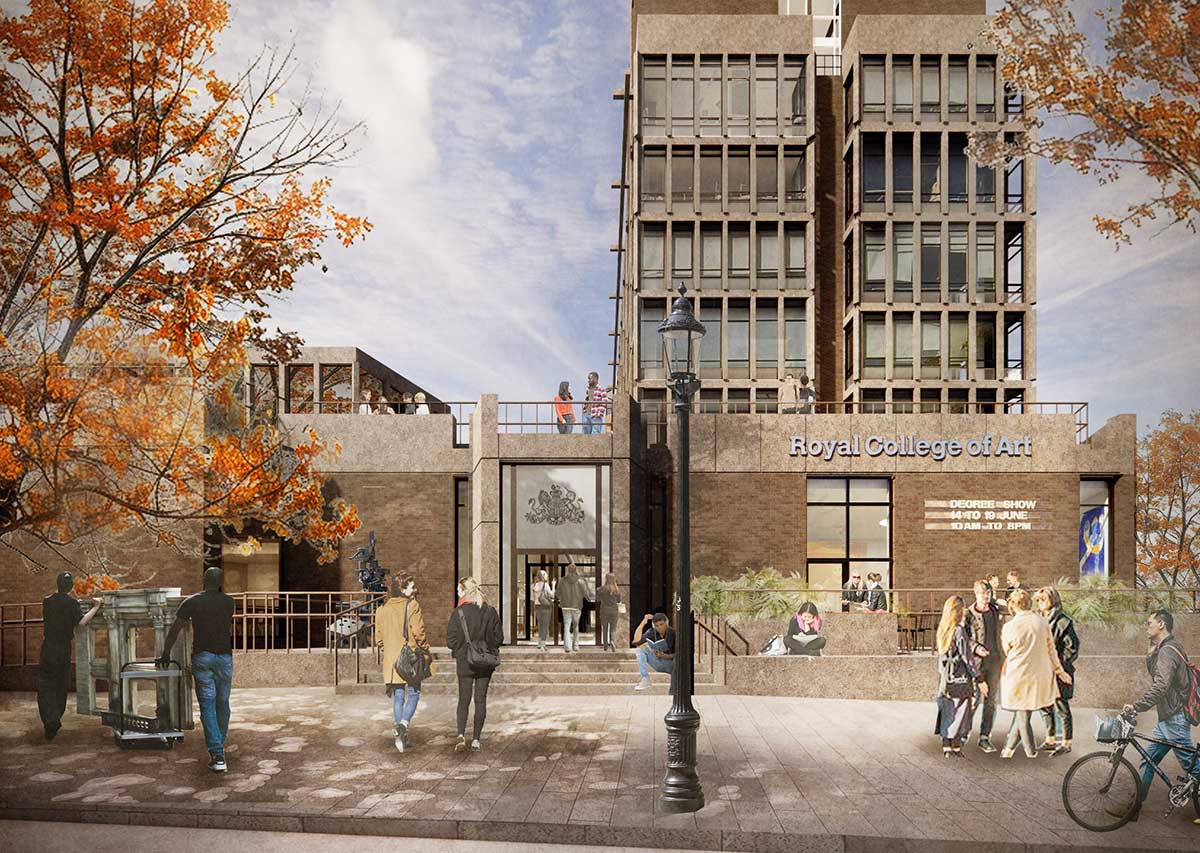
In order to meet the demands of a contemporary learning environment, the Royal College of Art unveiled ambitious plans to revitalize its historic Darwin Building, which is classified as Grade II.
The RCA community and regional partners, such as Westminster City Council and Historic England, were heavily consulted in order to influence the design, which was spearheaded by London-based architecture practice Witherford Watson Mann Architects.
The RCA's legacy is preserved while its structures are ready to accommodate students in the future thanks to a delicate balancing act between conservation and transformation.
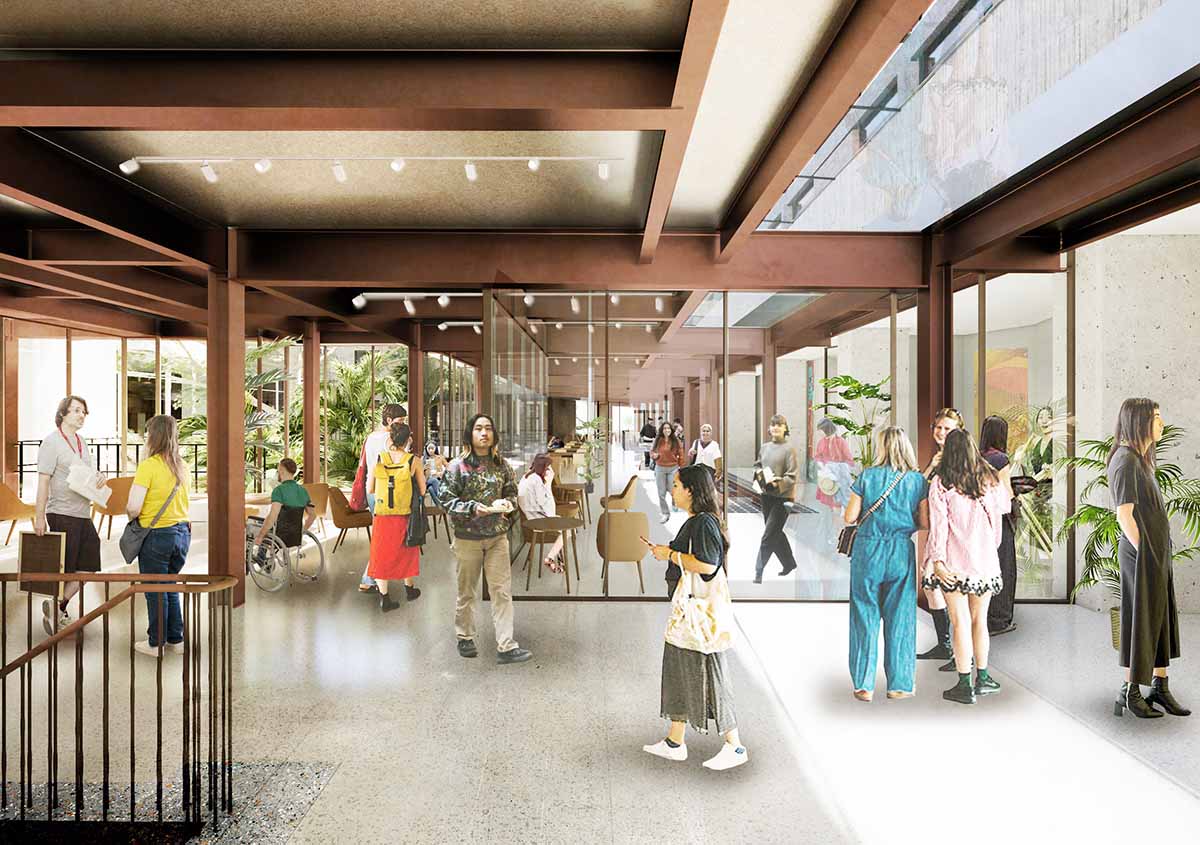
Architectural render of the Royal Collect of Art. Ground Floor Street
The College will be able to continue teaching and conducting research during the phased construction, which is scheduled to begin in 2025 and be completed in 2032.
When completed, the transformative projects will solidify the College's Kensington campus as a friendly, open, and forward-thinking creative hub, bolstering the RCA's standing as the top art and design university in the world.
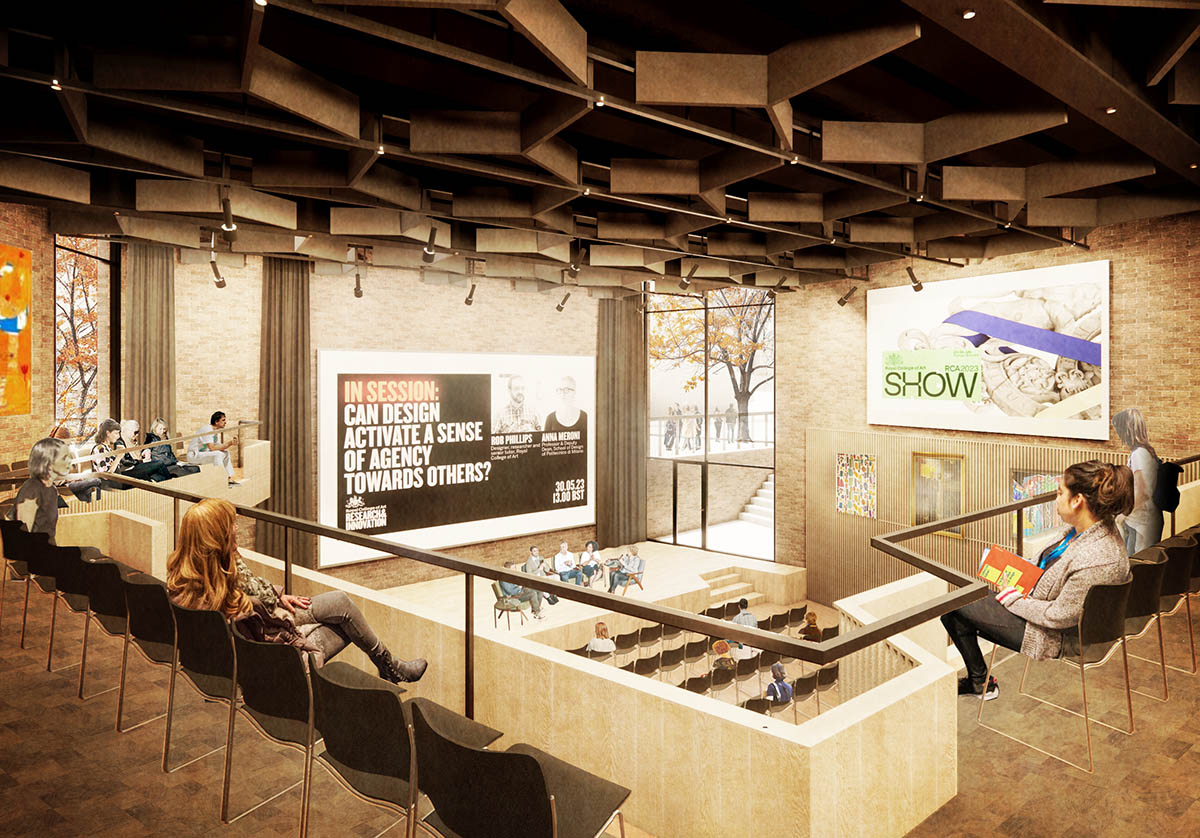
Architectural render of the Royal Collect of Art. Lecture Theatre
The project will modernize studios and workshops, construct new teaching and learning areas, and expand the campus's public areas and step-free access. The proposals include for reopening the historic 1851 Place entry, which faces the Royal Albert Hall. This would create a magnificent new entrance and link the College to the renowned establishments on Exhibition Road.
More public interaction will be encouraged via a new café, gallery, and event spaces, providing locals and tourists with additional chances to view the work of RCA personnel and students.

Architectural render of the Royal Collect of Art. Jay Mews View
"This project represents a major investment in the future of the Royal College of Art," said Professor Christoph Lindner, RCA President and Vice-Chancellor.
"With the renovation of our historic Kensington site, the RCA will once again operate from two central London campuses – Kensington and Battersea – bringing our community together with a new creative energy, driving cross-disciplinary exploration, with dynamic spaces to innovate, question and discover," Lindner added.
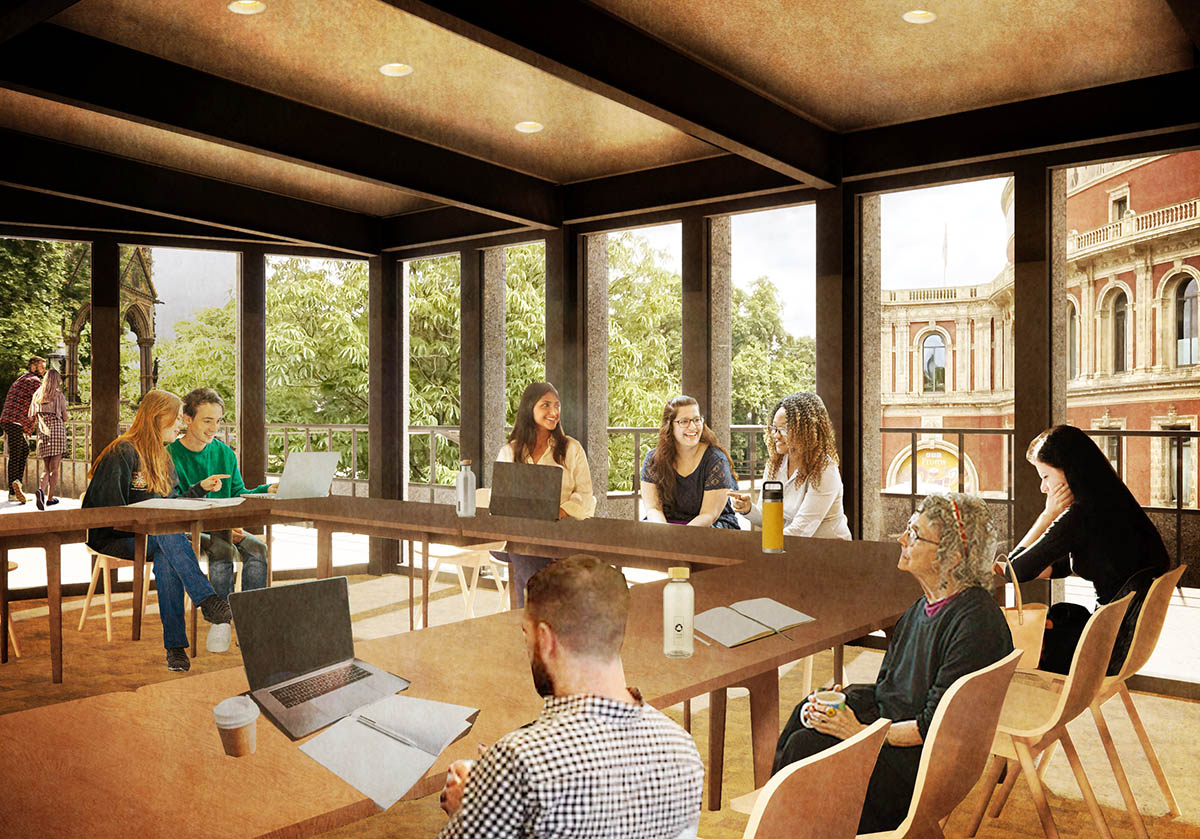
Architectural render of the Royal Collect of Art. Seminar View
For eleven years consecutively, the RCA has been named the top university in the world for art and design (QS World Rankings, 2025). It must have facilities that allow its faculty, staff, and alumni to carry out creative work for many years to come if it is to fulfill its goal of becoming a preeminent institution.
The project is expected to cost around £90 million till 2032. In addition to being a significant investment in the RCA's future, this project will result in longer-term cost savings through consolidated campuses and improved energy efficiency.
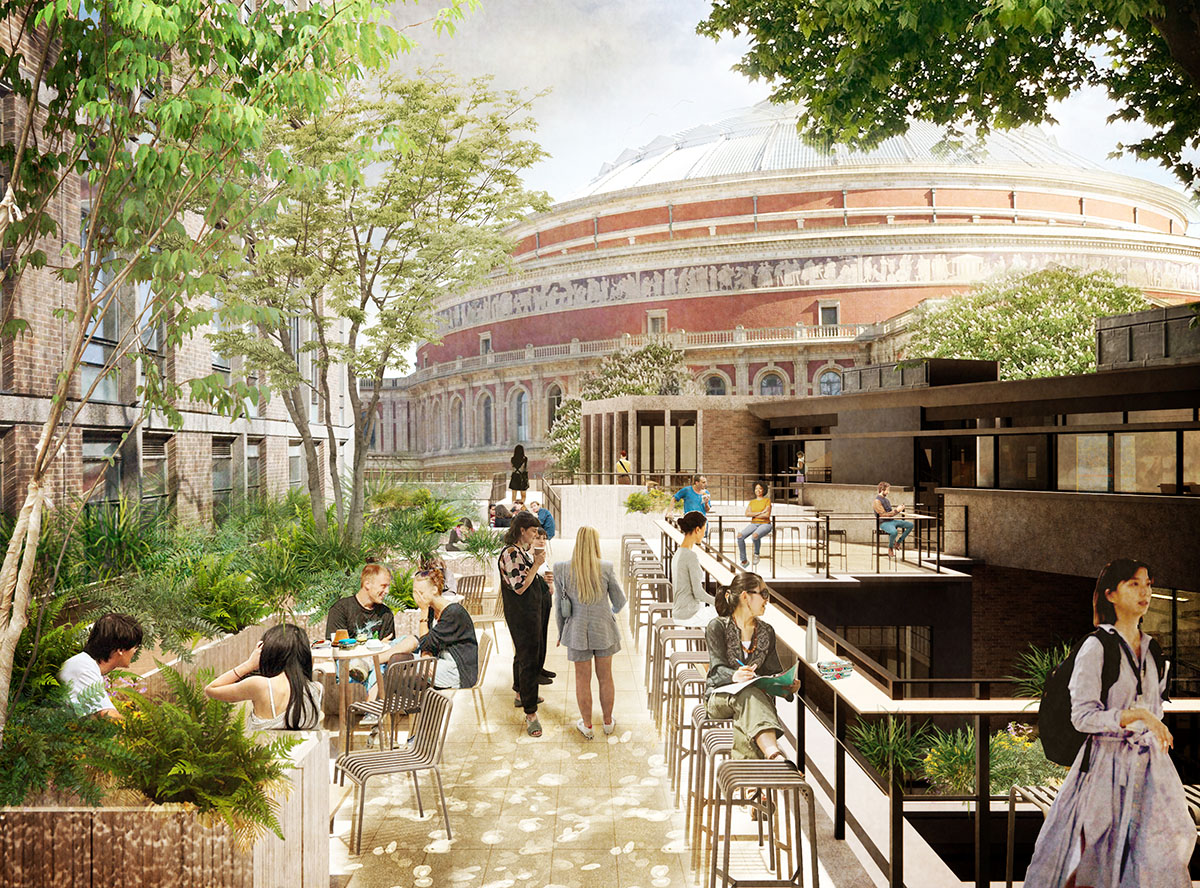
Architectural render of the Royal Collect of Art. Terrace View
The project's scope mirrors its goals, which include delivering cutting-edge facilities, maintaining the RCA's historic structures, and making ensuring the campus satisfies the strictest sustainability and accessibility requirements.
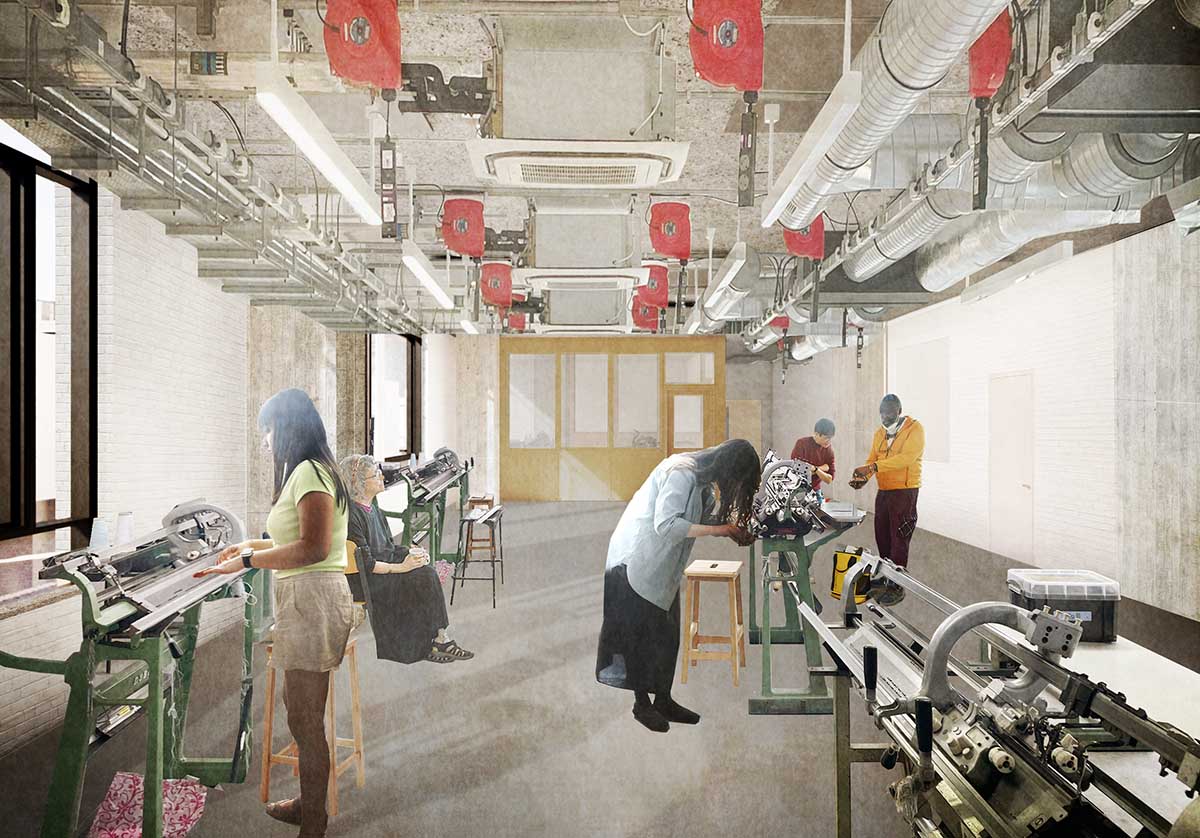
Architectural render of the Royal Collect of Art. Workshop View
Previously, Herzog & de Meuron completed the new campus of the Royal College of Art in Battersea, London.
The top render in the article: Architectural render of the Royal Collect of Art. Main Entrance.
All renders are courtesy of Witherford Watson Mann Architects.
> The RCA