Submitted by Berrin Chatzi Chousein
Foster + Partners completes hotly anticipated Zayed National Museum in Abu Dhabi
United Arab Emirates Architecture News - Jan 14, 2026 - 05:51 5514 views
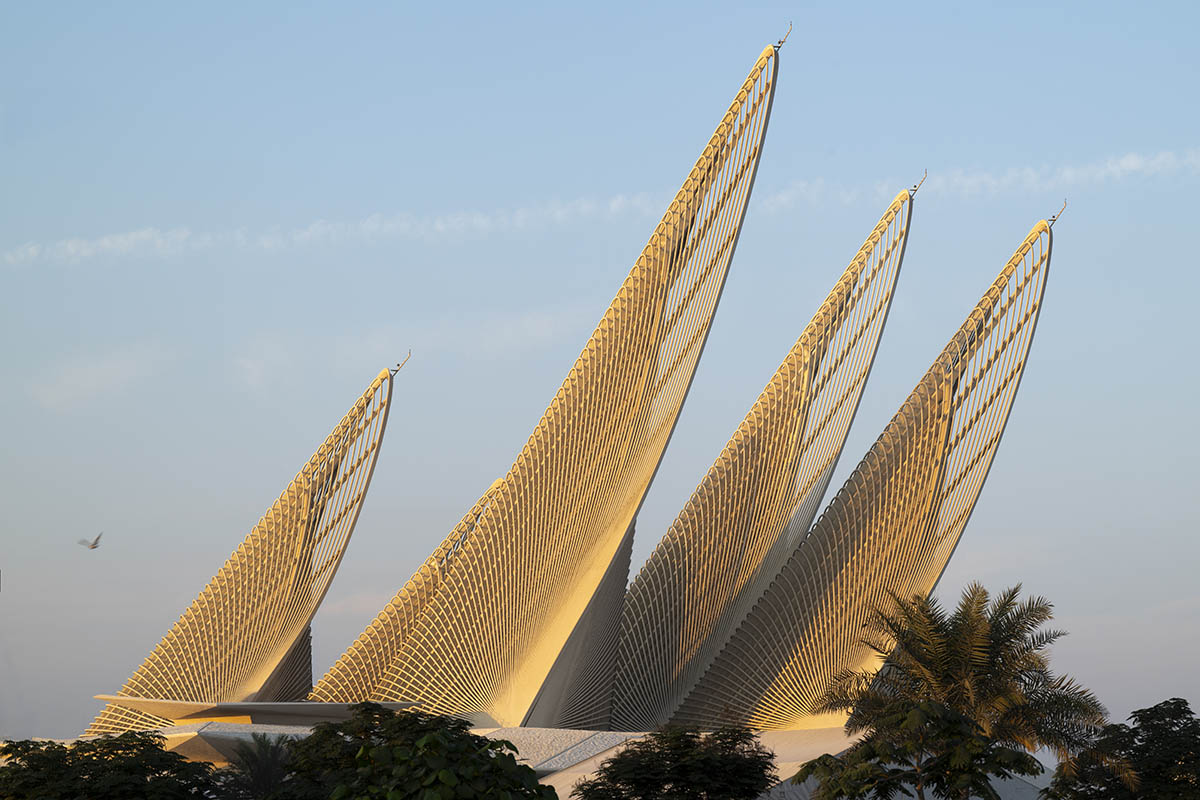
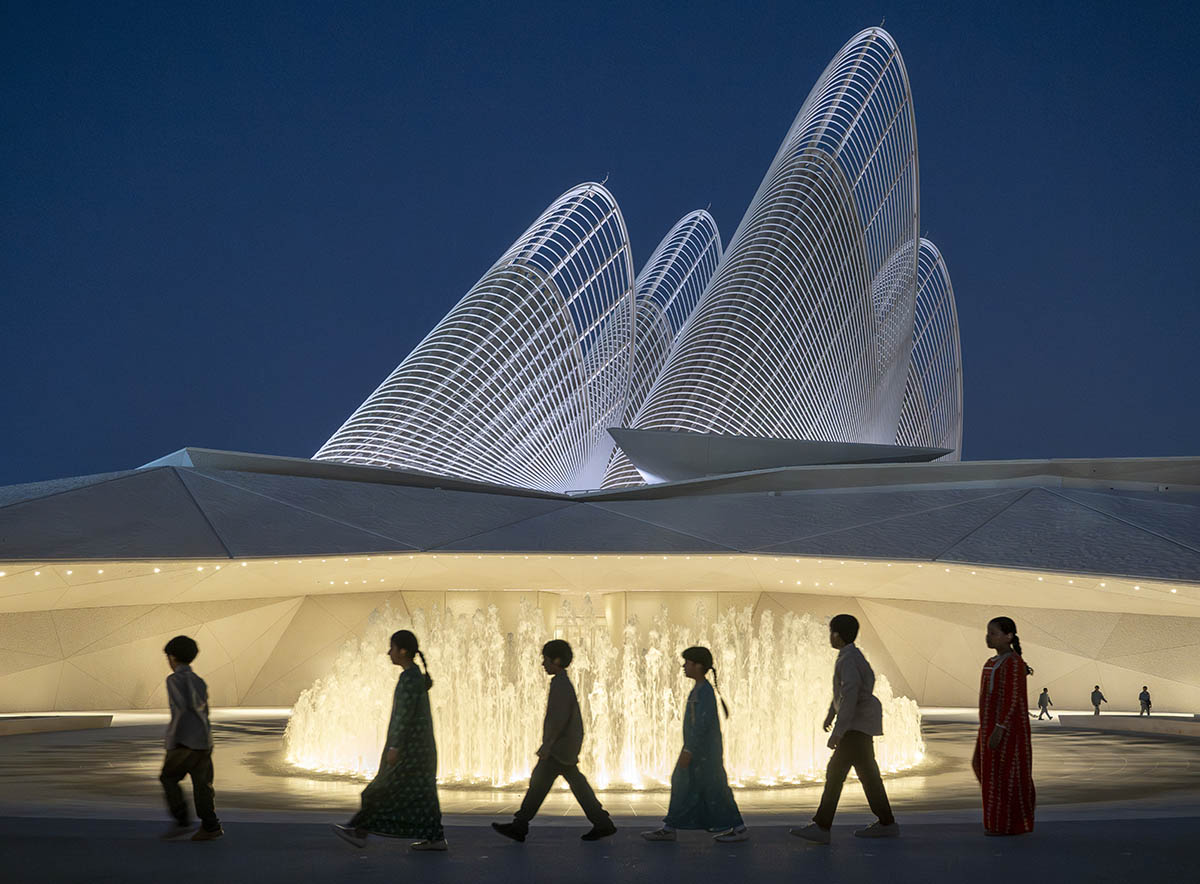
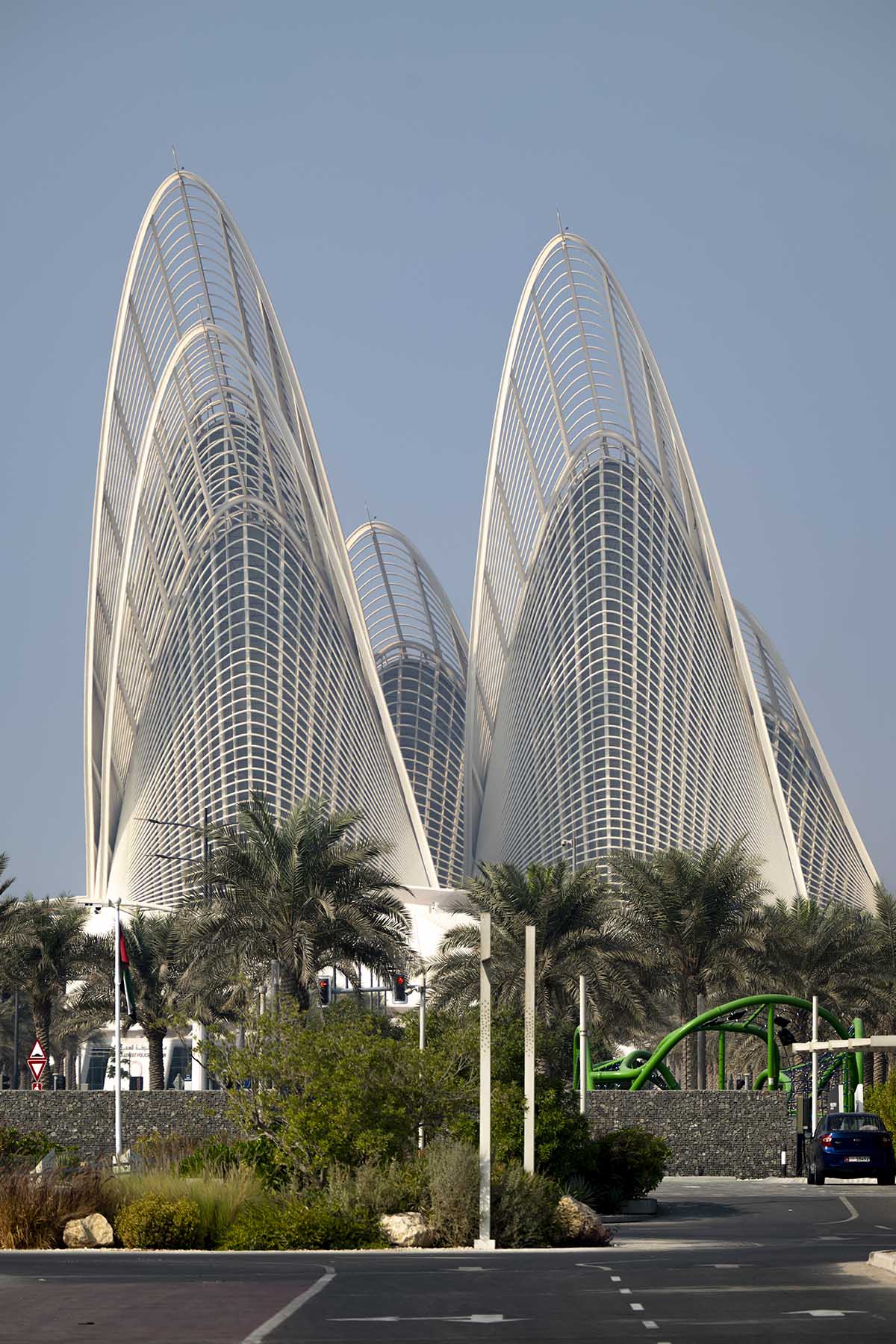
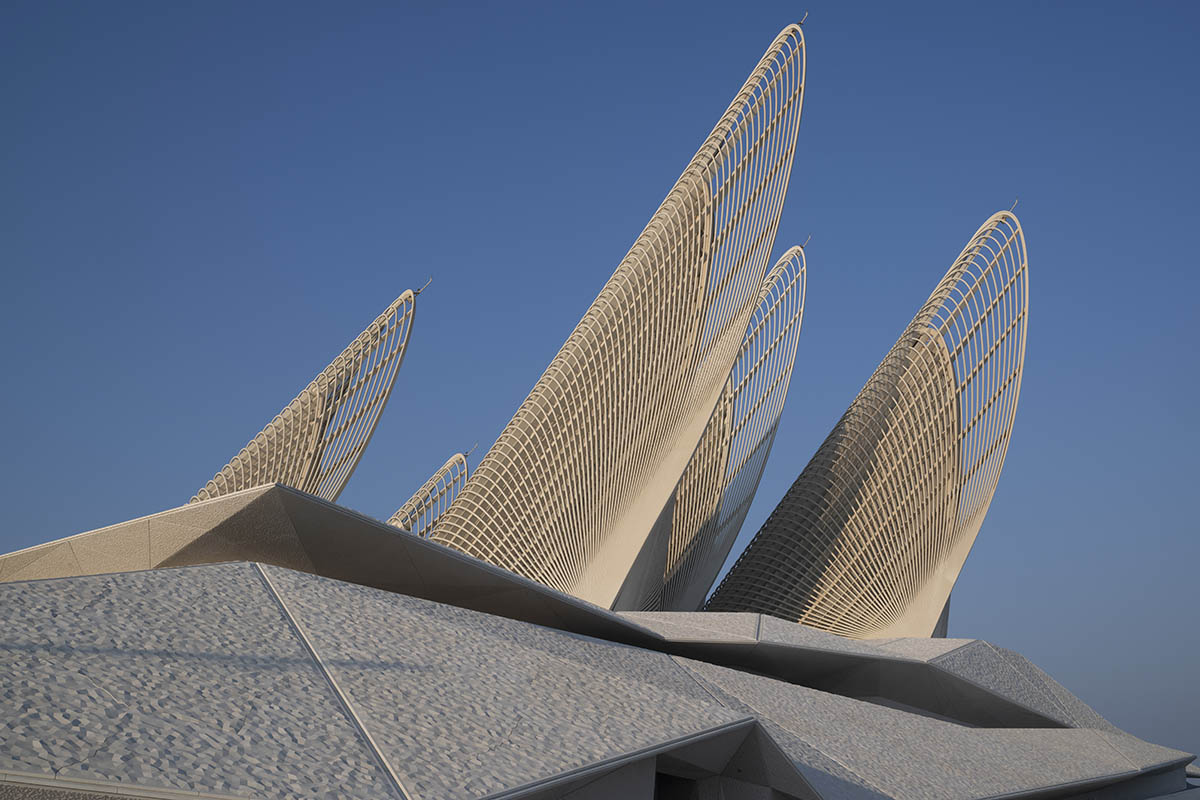
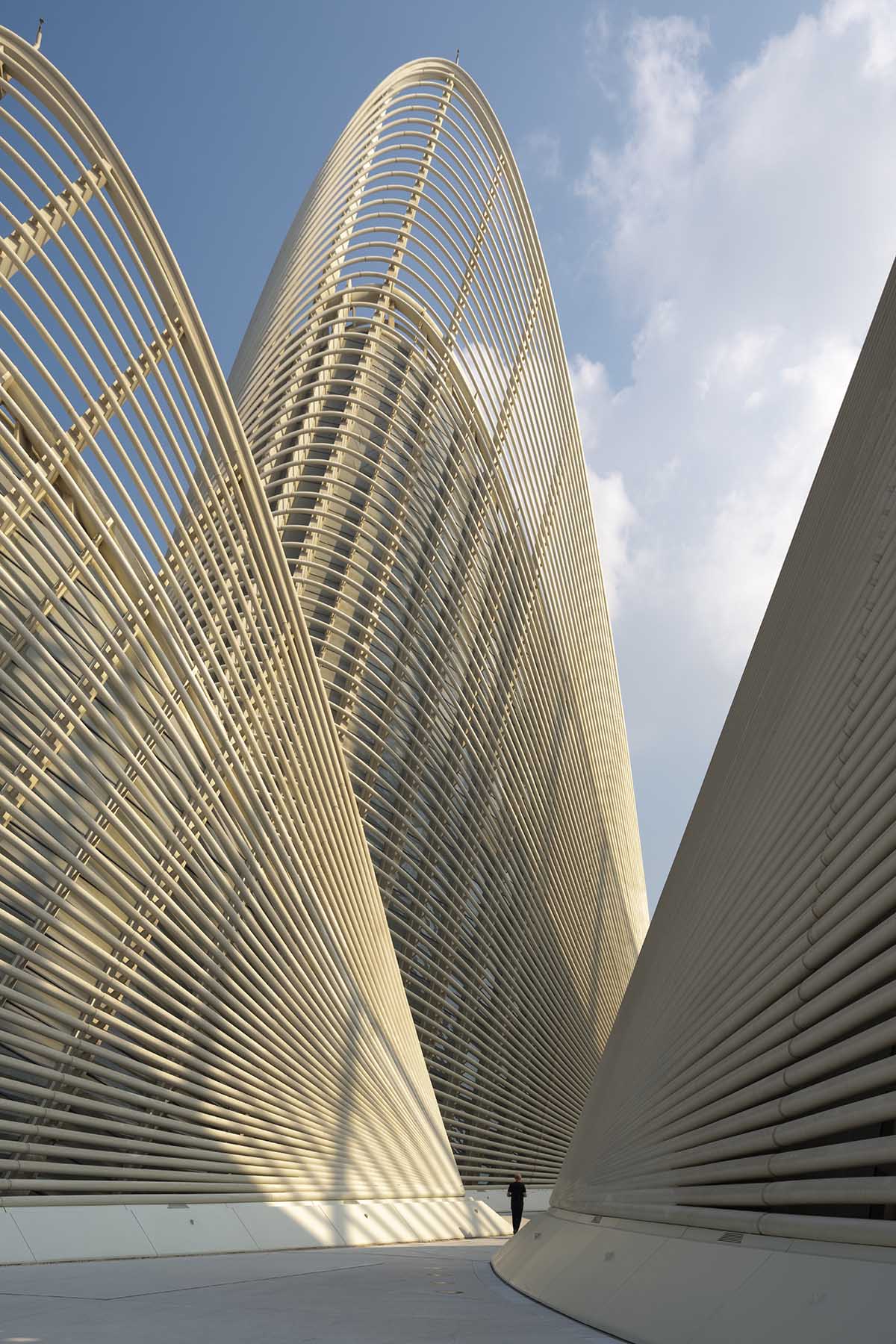
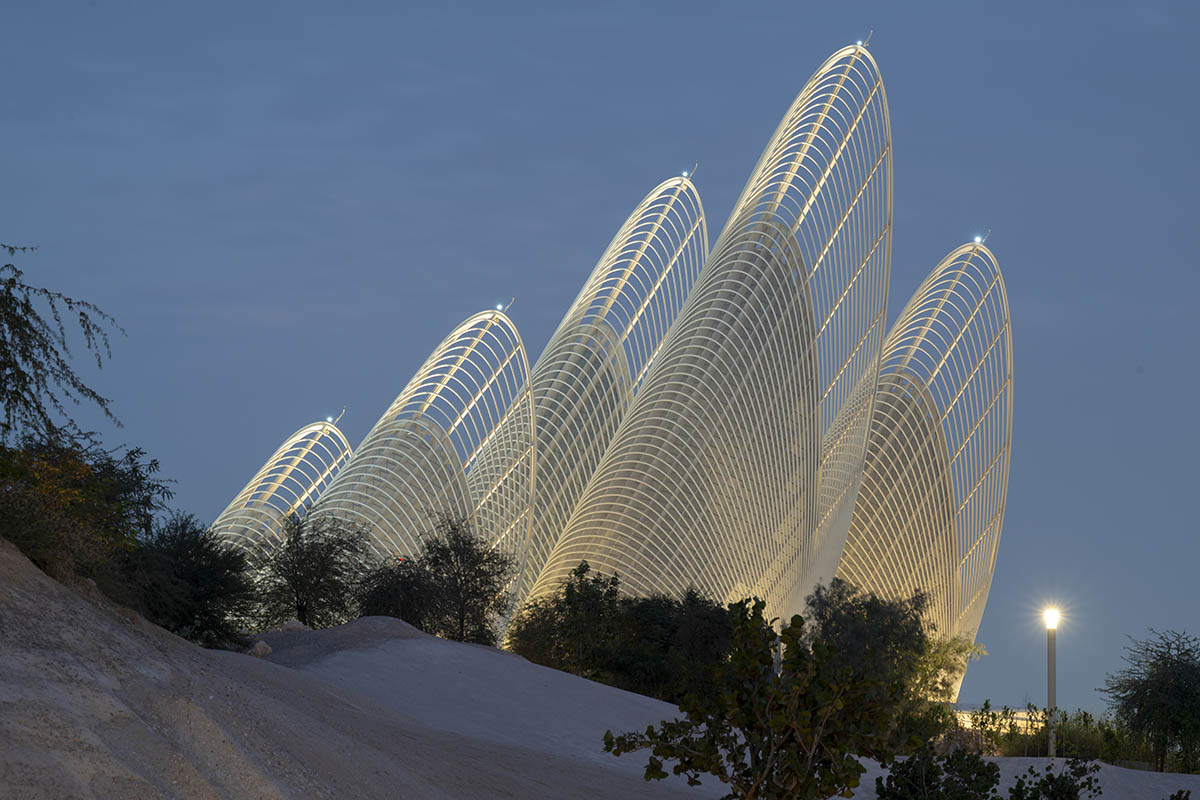
The Zayed National Museum, situated above the Saadiyat Cultural District, is immediately recognizable by its five towering ventilation towers, an iconic silhouette that has long made it one of the hotly anticipated cultural structures in the region and has already established itself as a new landmark on Abu Dhabi's skyline.
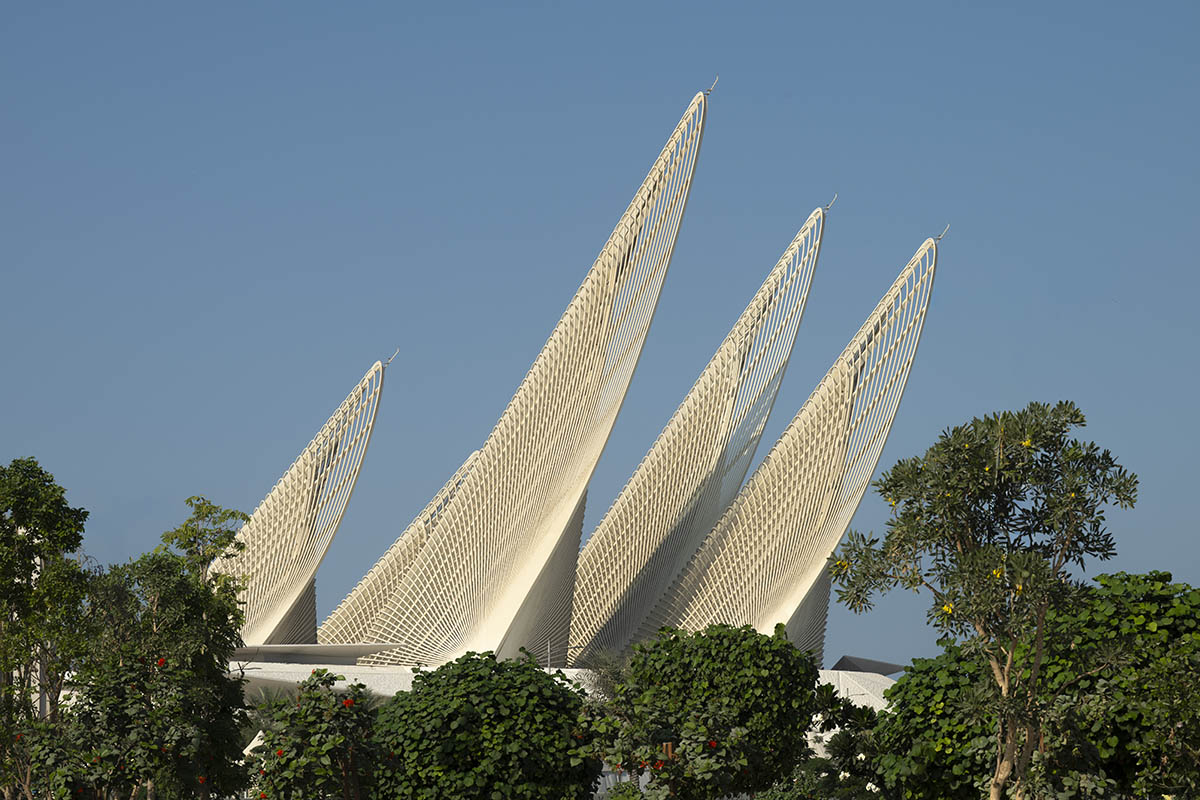
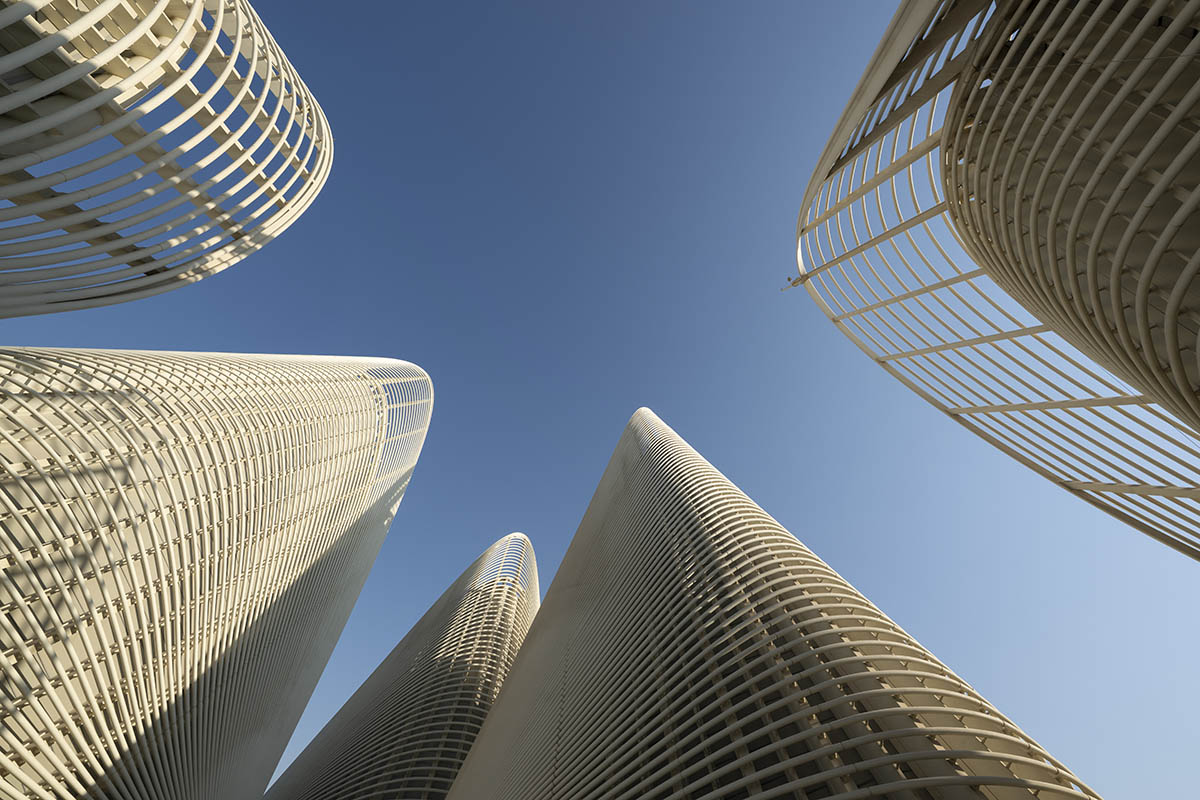
Designed by British architecture firm Foster + Partners, these lightweight steel wings, which represent the museum's response to the desert climate and the UAE's enduring connection with nature and innovation, are not just sculptural statements but also essential to the building's sustainability objectives.
The National Museum of the United Arab Emirates, founded on the principles of the late Sheikh Zayed bin Sultan Al Nahyan, the country's founding father, traces the history of the Emirates from the earliest evidence of human habitation to the civilizations that shaped its culture and identity.
The building is situated in the center of Saadiyat Island. The design honors the nation's rich cultural traditions while addressing the challenge of sustaining life in a harsh desert climate.
"The building itself is an expression of sustainability"
"Zayed National Museum tells the story of Sheikh Zayed’s creation of the Emirates and the many facets of his legacy, including his vision of greening the desert," said Norman Foster, Founder and Executive Chairman, Foster + Partners.
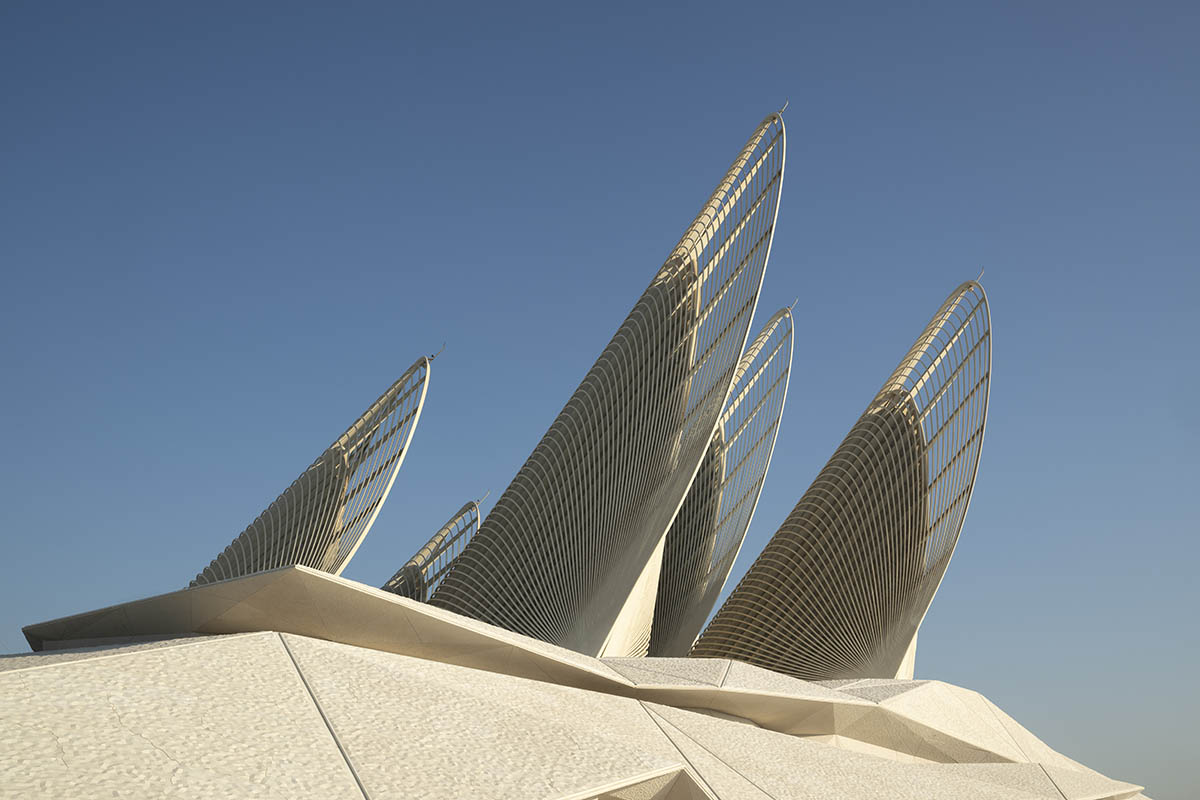
"The building itself is an expression of sustainability, with five aerodynamic wings that are an integral part of the environmental system, acting as thermal chimneys and drawing cool air through the public spaces," he continued.
"They are also symbolic of Sheikh Zayed’s love of the traditional sport of falconry and have become markers on the city skyline," Foster added.
A complex natural ventilation system includes the five steel towers. With the help of thermal lift produced when heat builds up at the tips, air vents open at the top of the wings and use negative pressure on the lee side of their profile to draw hot air up and out of the central atrium.
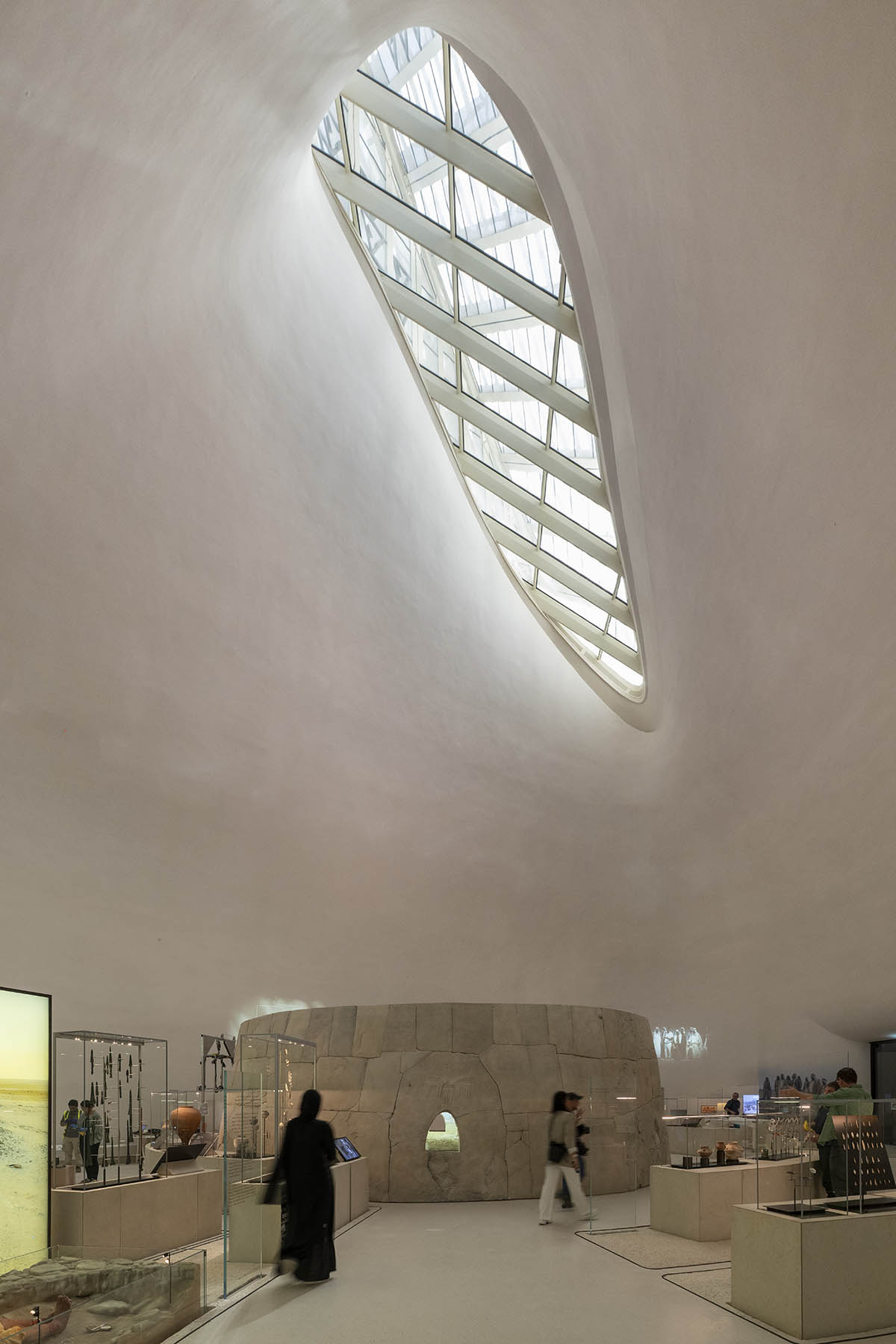
Cooler air is injected at a low level and softly flows into the atrium after being naturally tempered as it travels through pipes buried deep beneath the desert floor.
Each tower may be manually adjusted to balance light and heat, and the wings' glazed surfaces direct daylight into the galleries below.
"Zayed National Museum gives our nation's story a permanent home. Our national museum serves to preserve and share our past while connecting generations. It is where our children and grandchildren will discover the values that built this country: unity, humility, openness, and respect for heritage," said His Excellency Mohamed Khalifa Al Mubarak, Chairman of the Department of Culture and Tourism Abu Dhabi.
"These are lived principles that continue to guide us, and when visitors from around the world walk through these galleries, they will gain a deeper understanding of the United Arab Emirates – past, present, and future," Al Mubarak added.
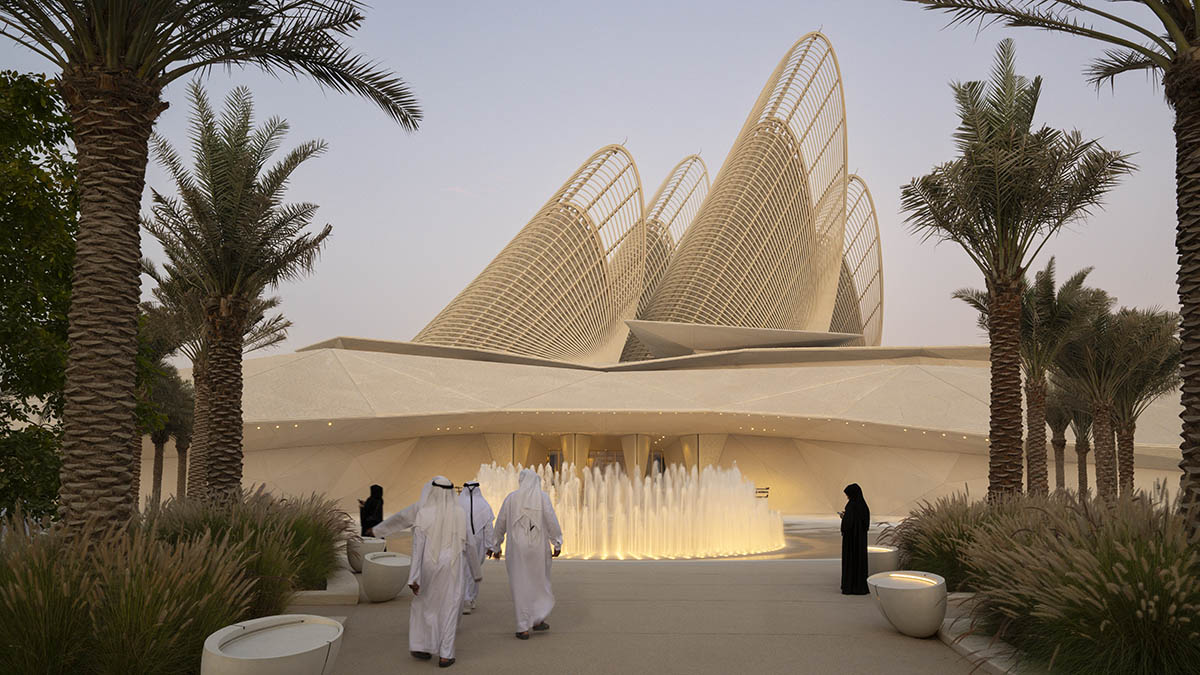
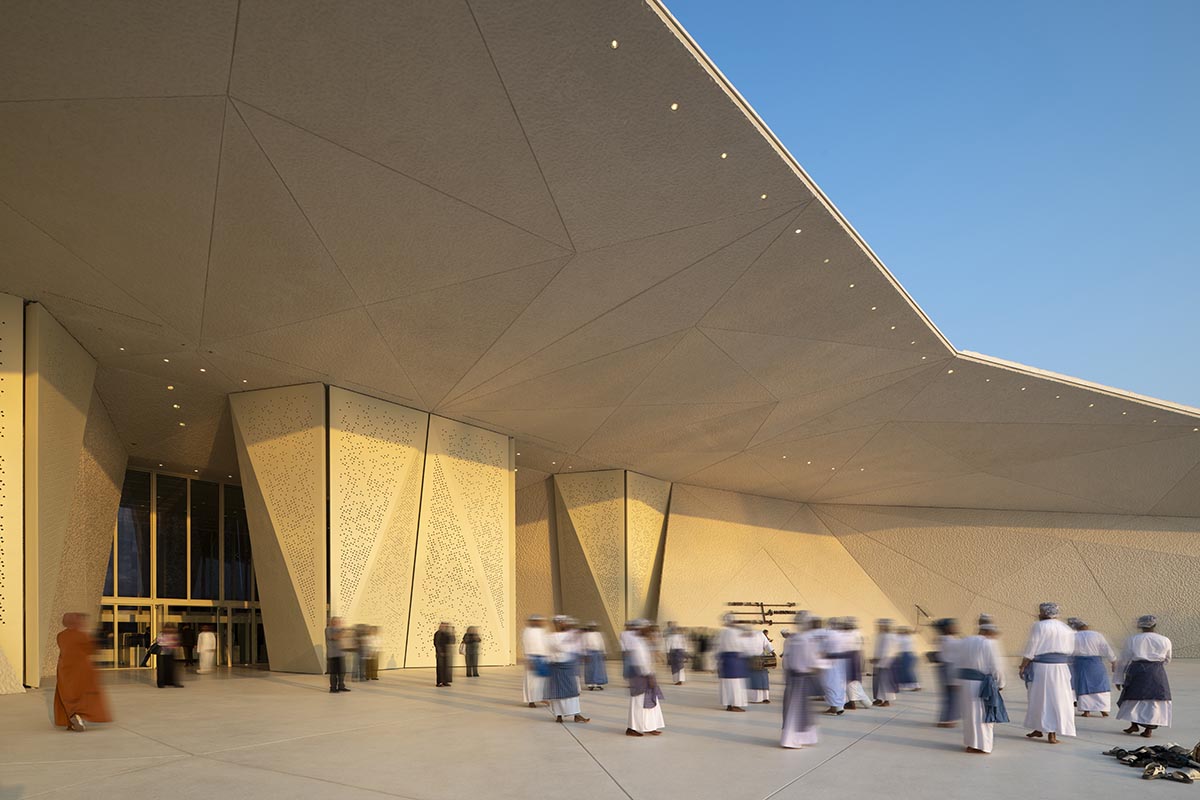
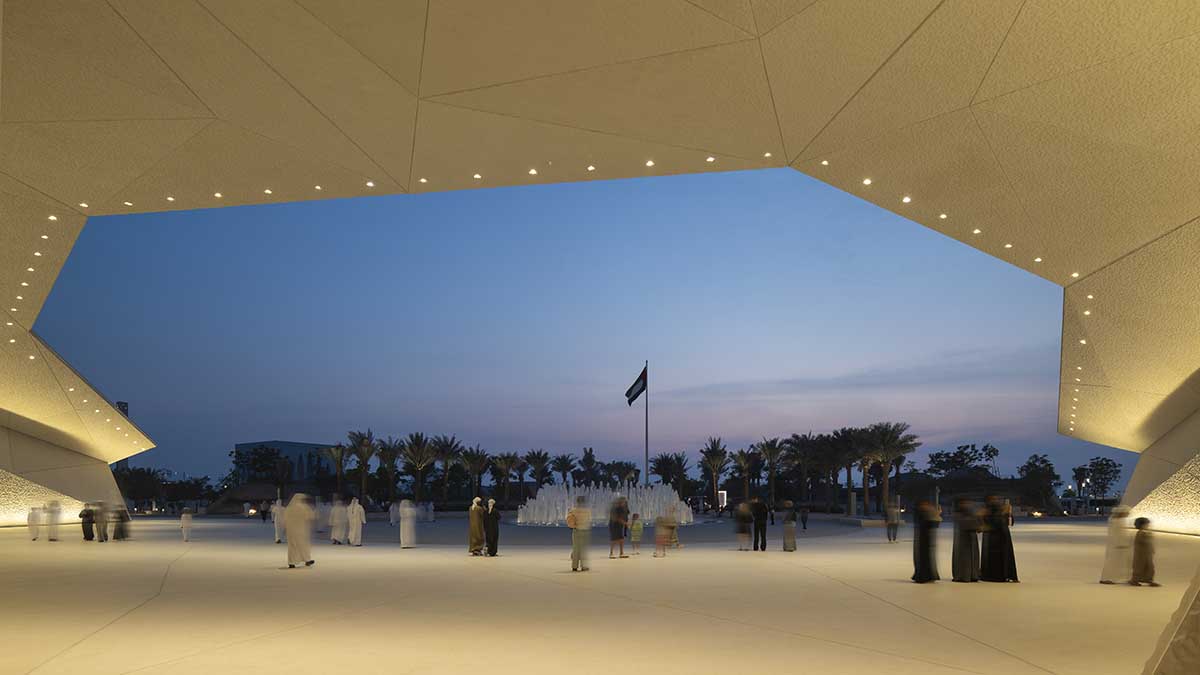
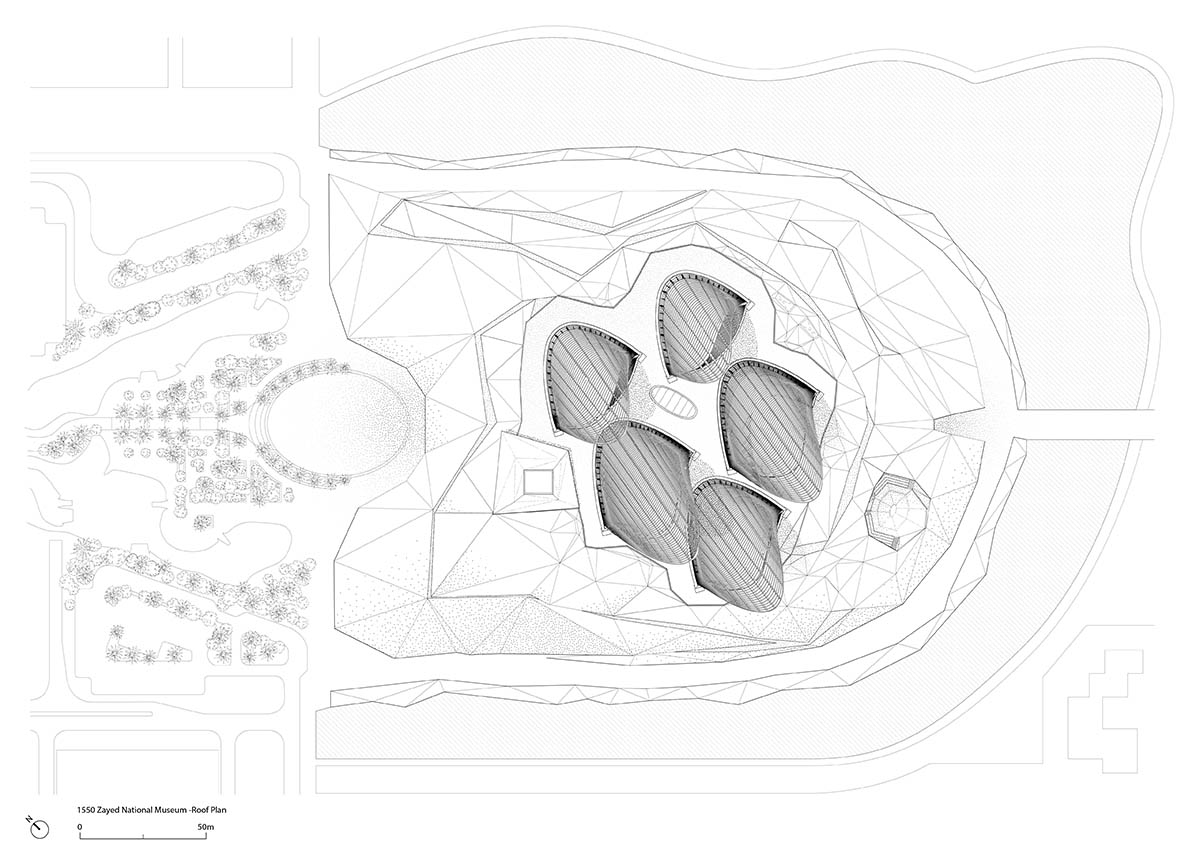
The museum is situated beneath the towers in a protective mound covered with faceted, textured panels that abstract the terrain of the United Arab Emirates.
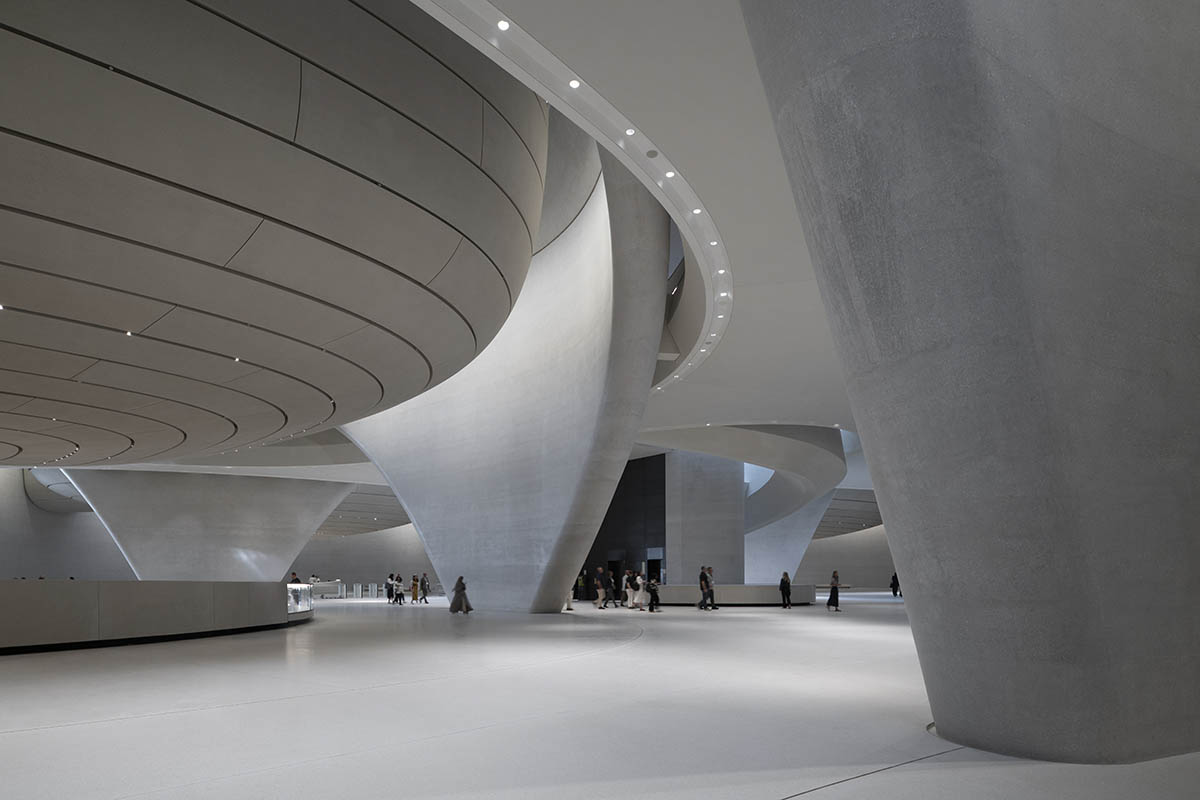
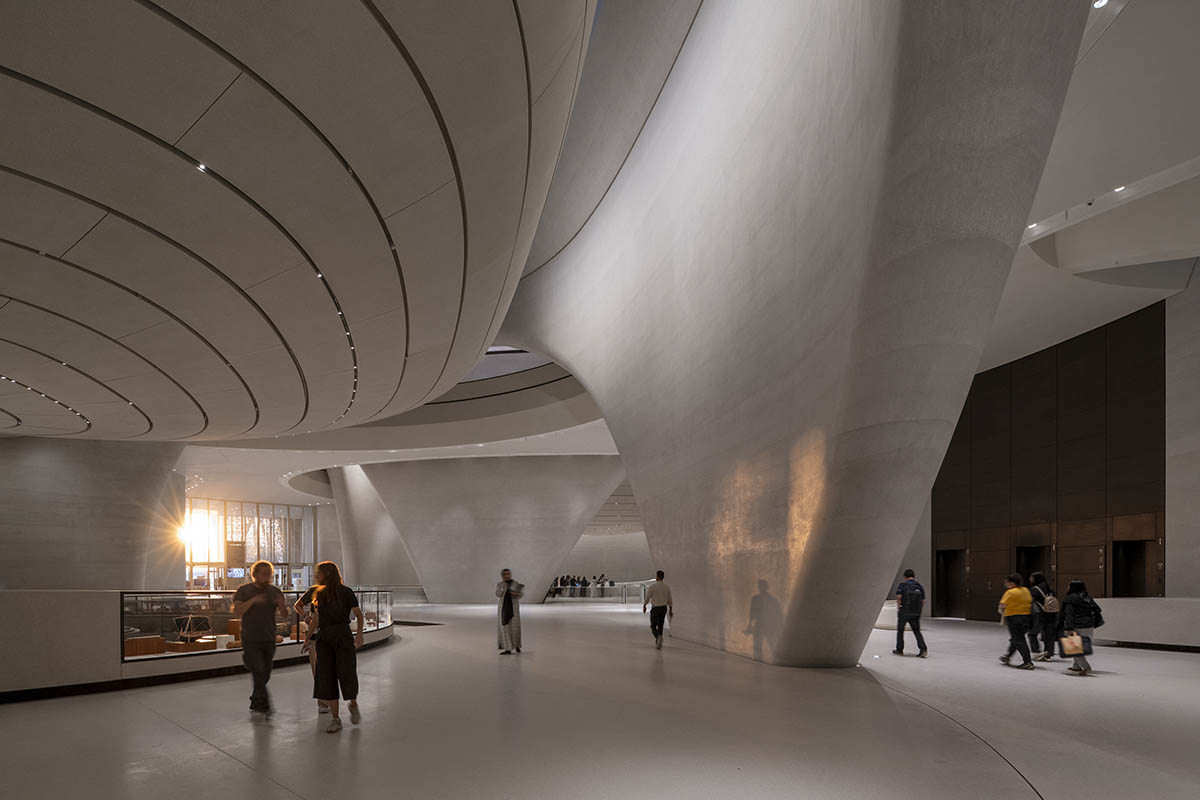
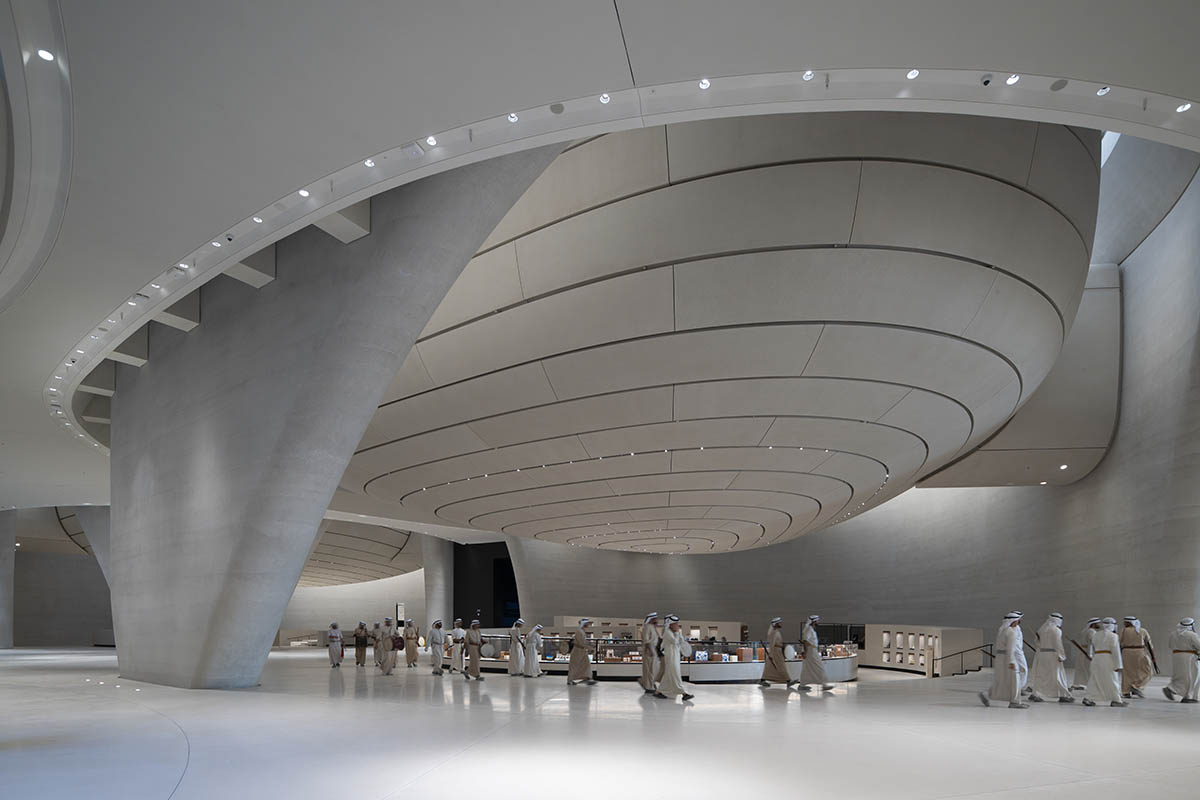
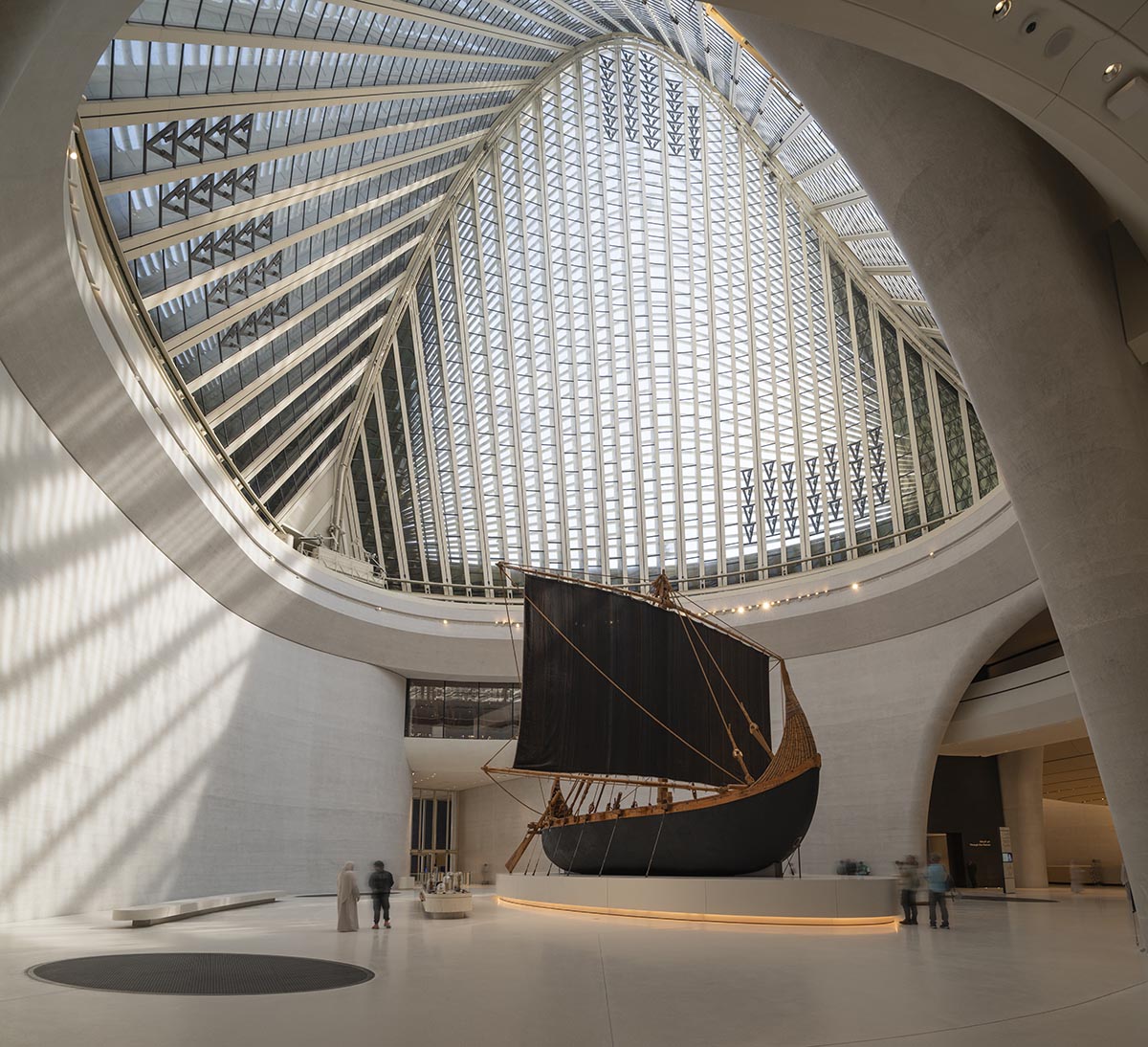
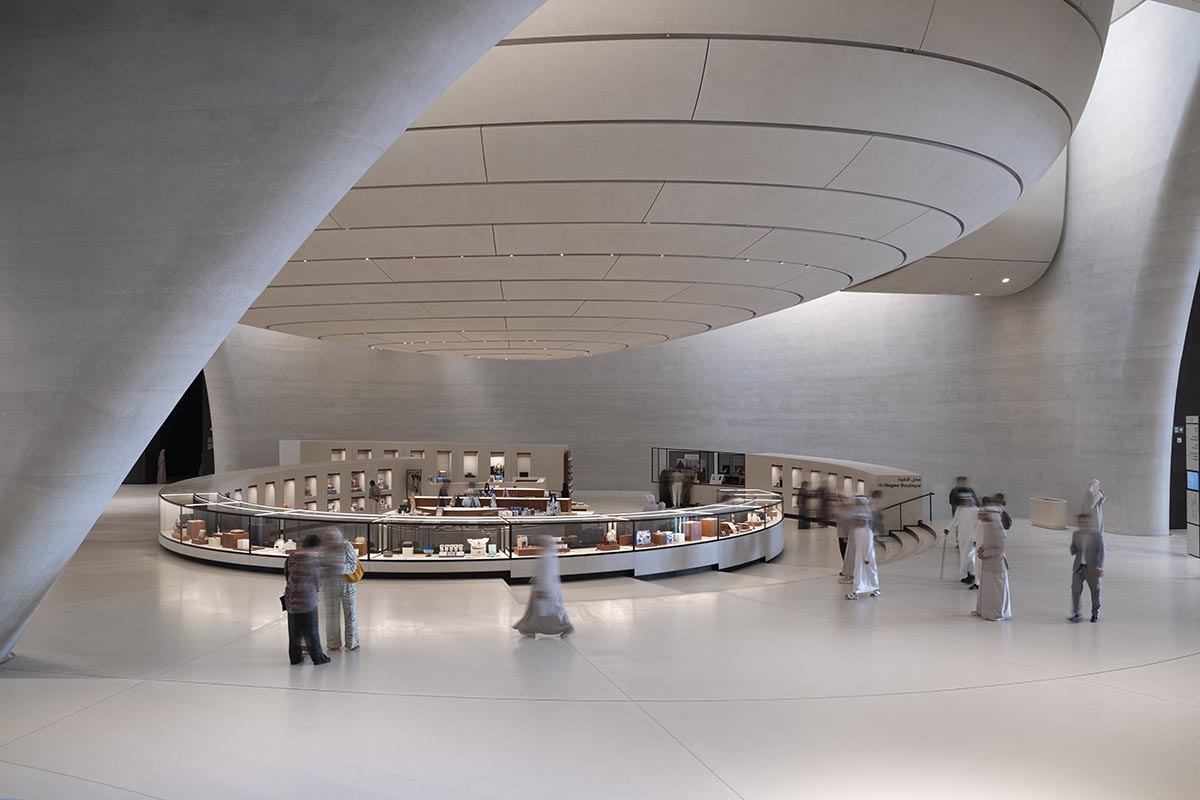
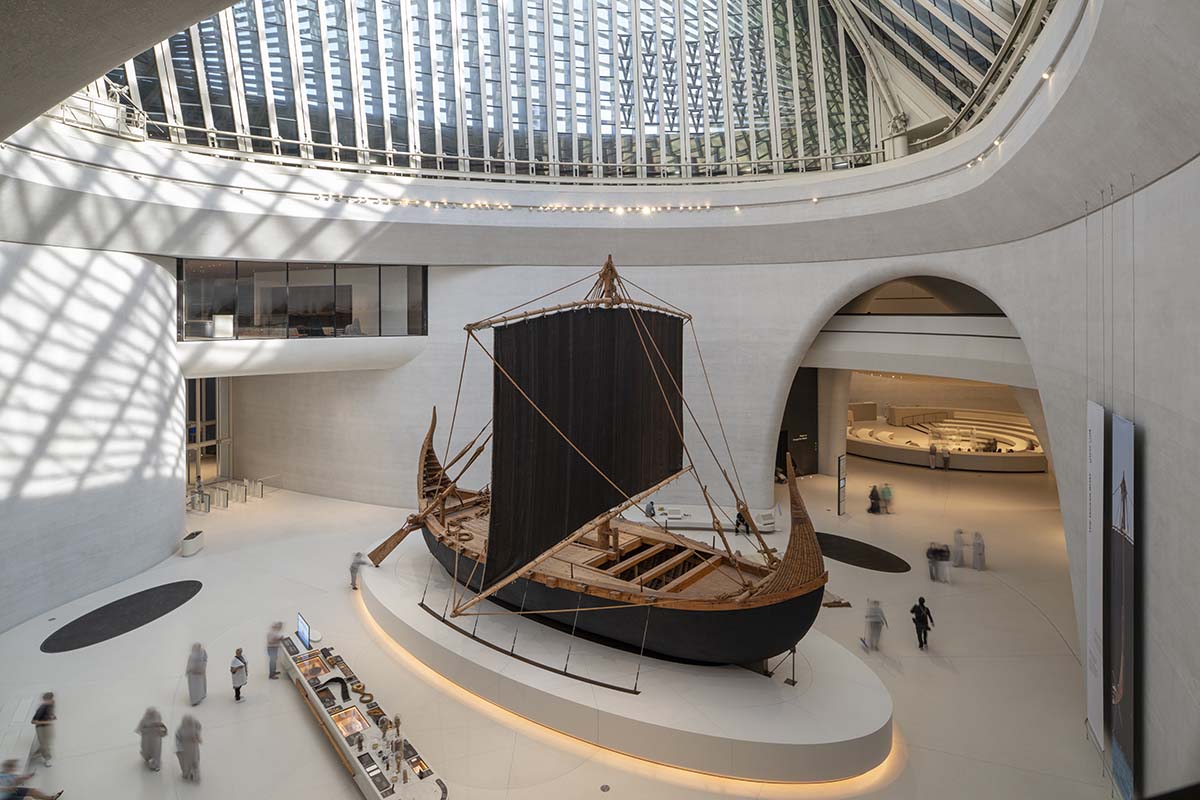
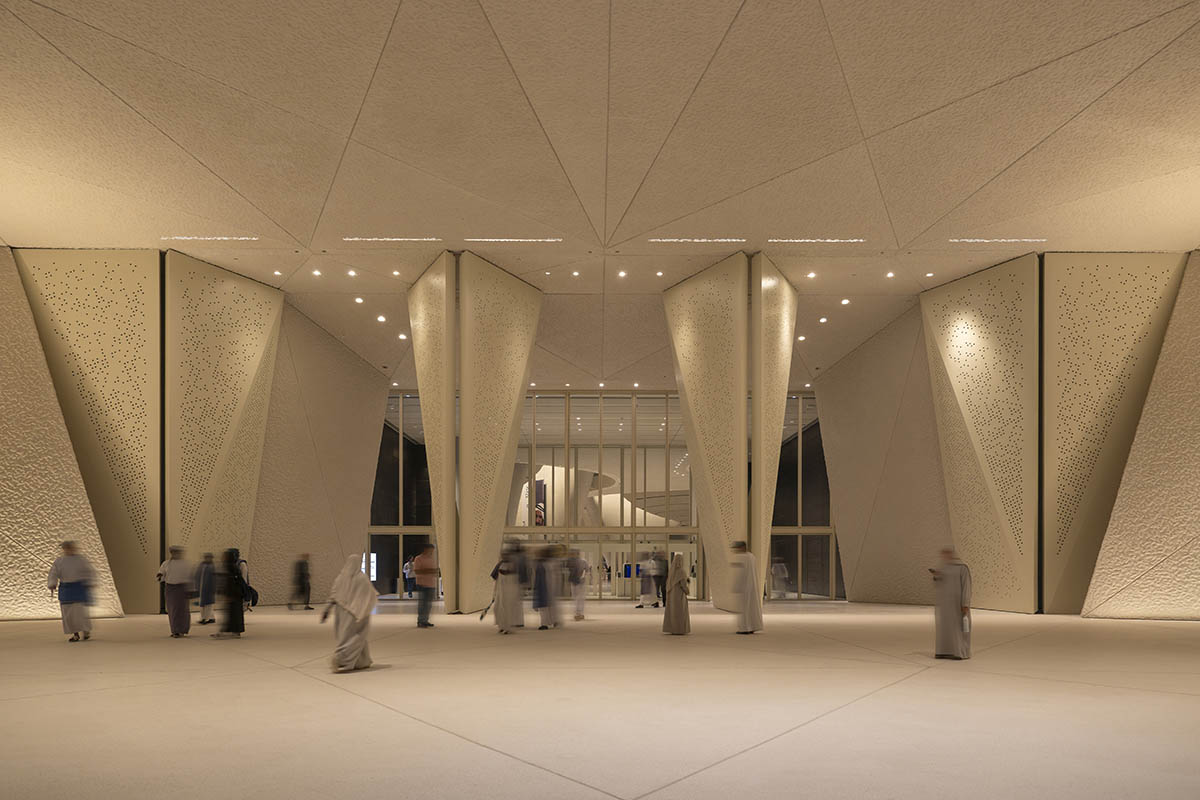
This earth-like shape protects the galleries from intense heat by insulating the inside from solar gain. Al Liwan, a dramatic, light-filled atrium that serves as a meeting and orientation area and hosts cultural events, poetry, and traditional dance performances, is where guests arrive.
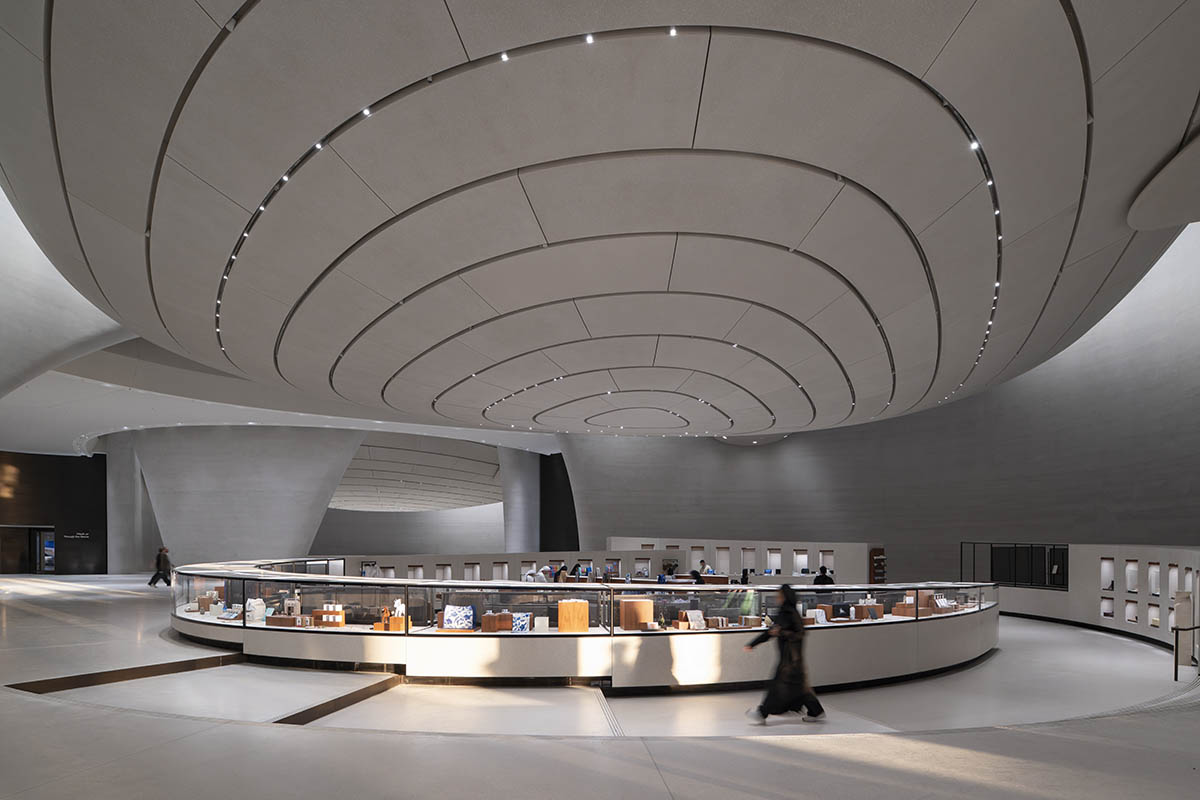
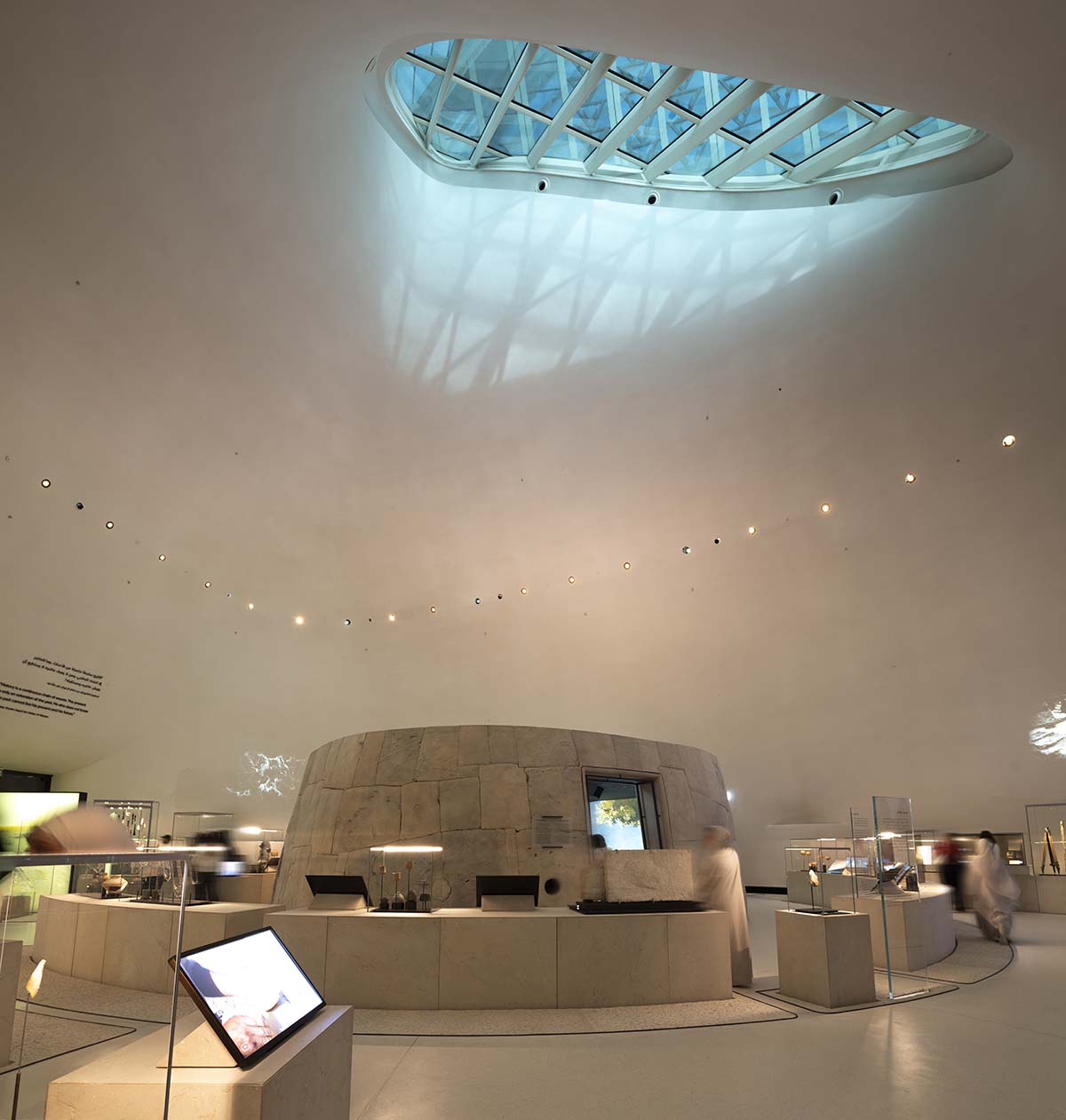
Sensitive artifacts are housed in controlled conditions in four of the museum's six permanent galleries, which are pod-shaped volumes hung above Al Liwan.
While a dense mesh interlayer and electrochromic rooflights enable transparency to change in response to shifting external light conditions, triple-laminated glazing within the towers carefully regulates lighting.

"This project has allowed us to realise – on a grand scale – many of the issues relating to architecture and sustainable design that have been central to the practice’s work for decades," said Gerard Evenden, Head of Studio, Foster + Partners.
"It has been a pleasure to collaborate with such visionary stakeholders, whose extensive knowledge of the region grounded our work," Evenden added.
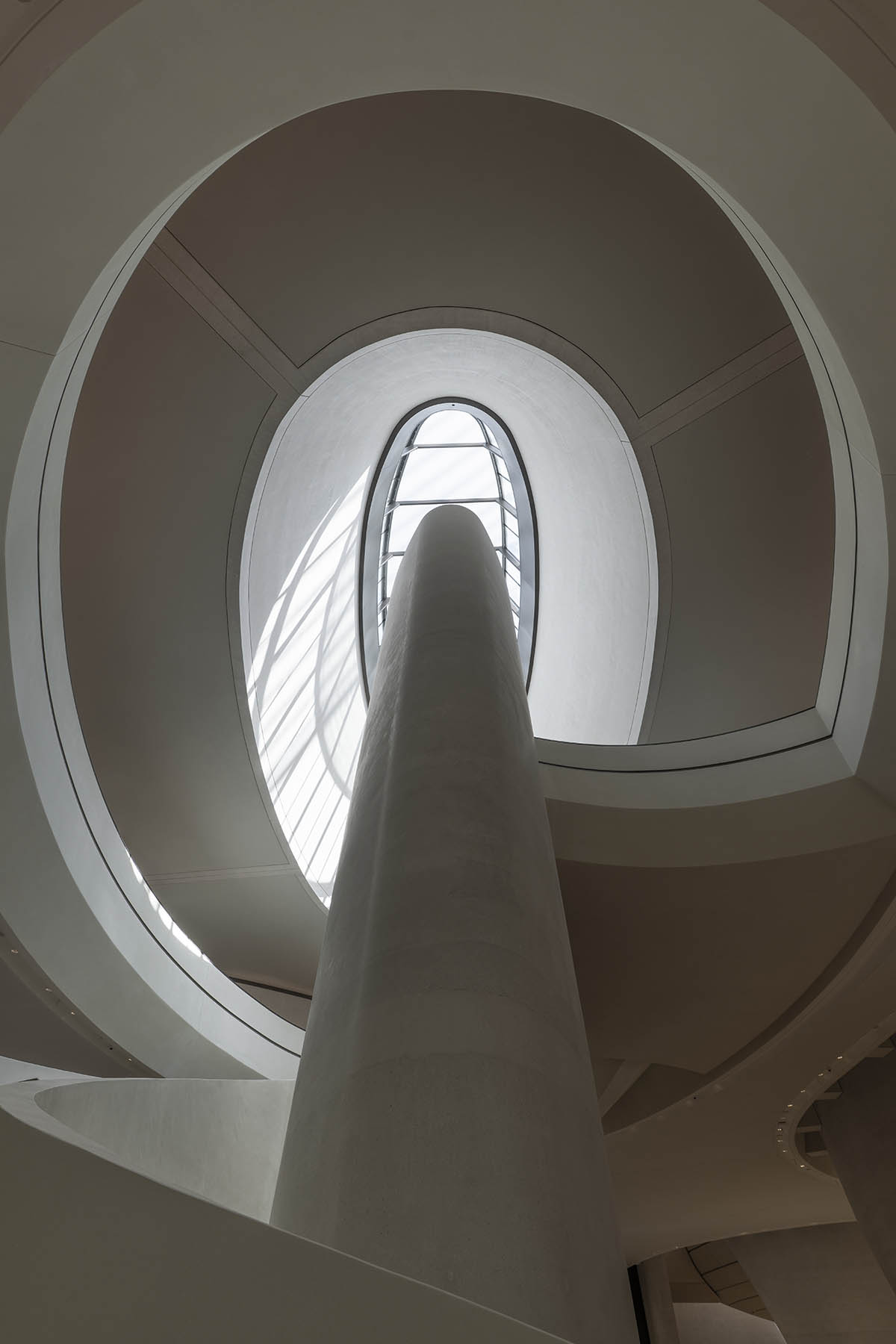
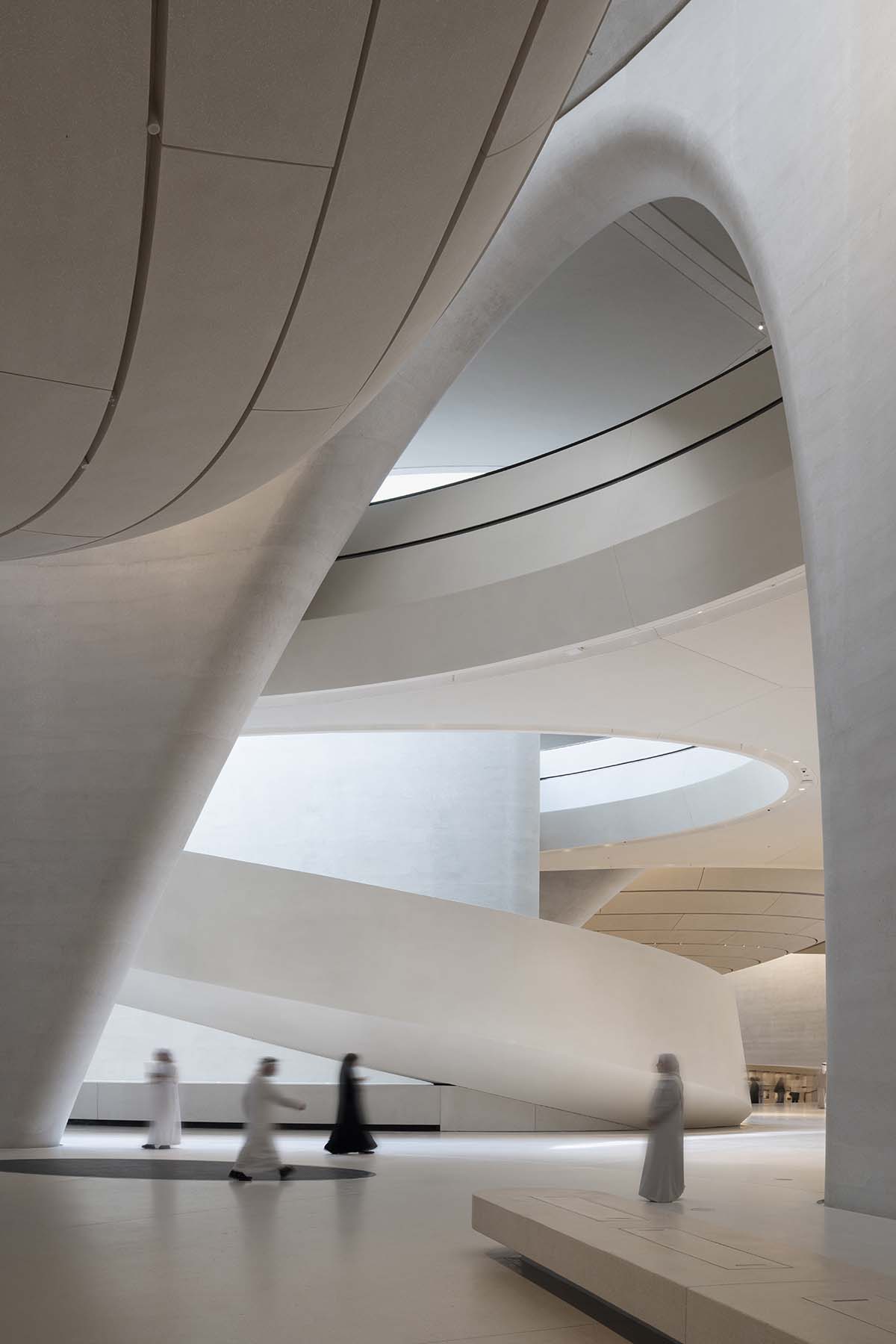
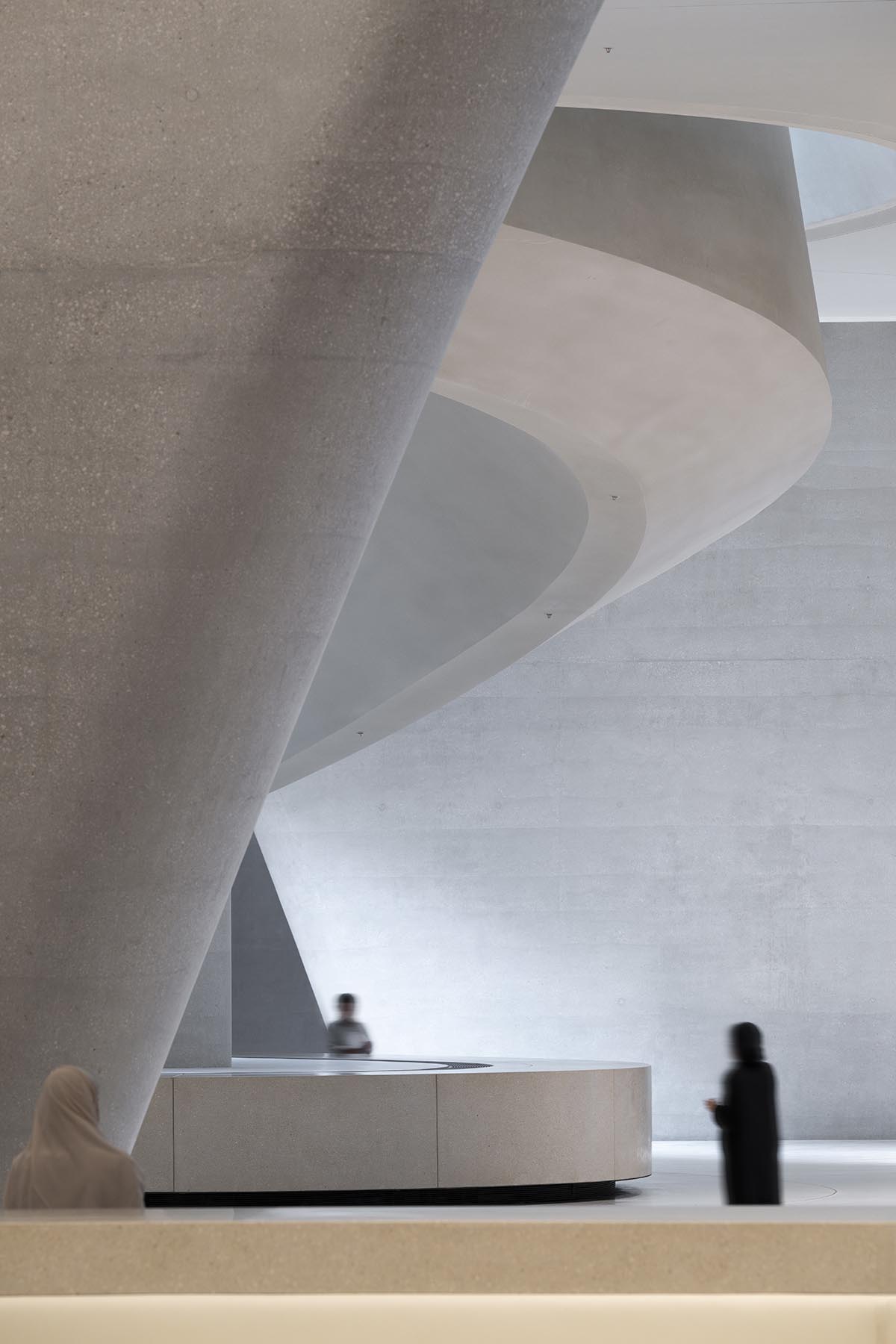
Nodal areas that provide historical and cultural background connect each pod-shaped gallery, each of which examines a unique theme. Visitors are allowed to choose their own path through the museum, going up via elevators or a sculptural spiral staircase.
A fine dining restaurant, a café, a temporary exhibition space, and two more permanent galleries are located near the entrances on the ground floor.
The Al Masar Garden, which connects the museum to the coast, is an extension of Sheikh Zayed's passion for the natural world. Designed as a community landscape, it provides areas for play, socializing, and reflection.
Visitors can also follow a covered route to a viewing platform at the base of the towers at the summit of the mound, where expansive views of Saadiyat Island are revealed.
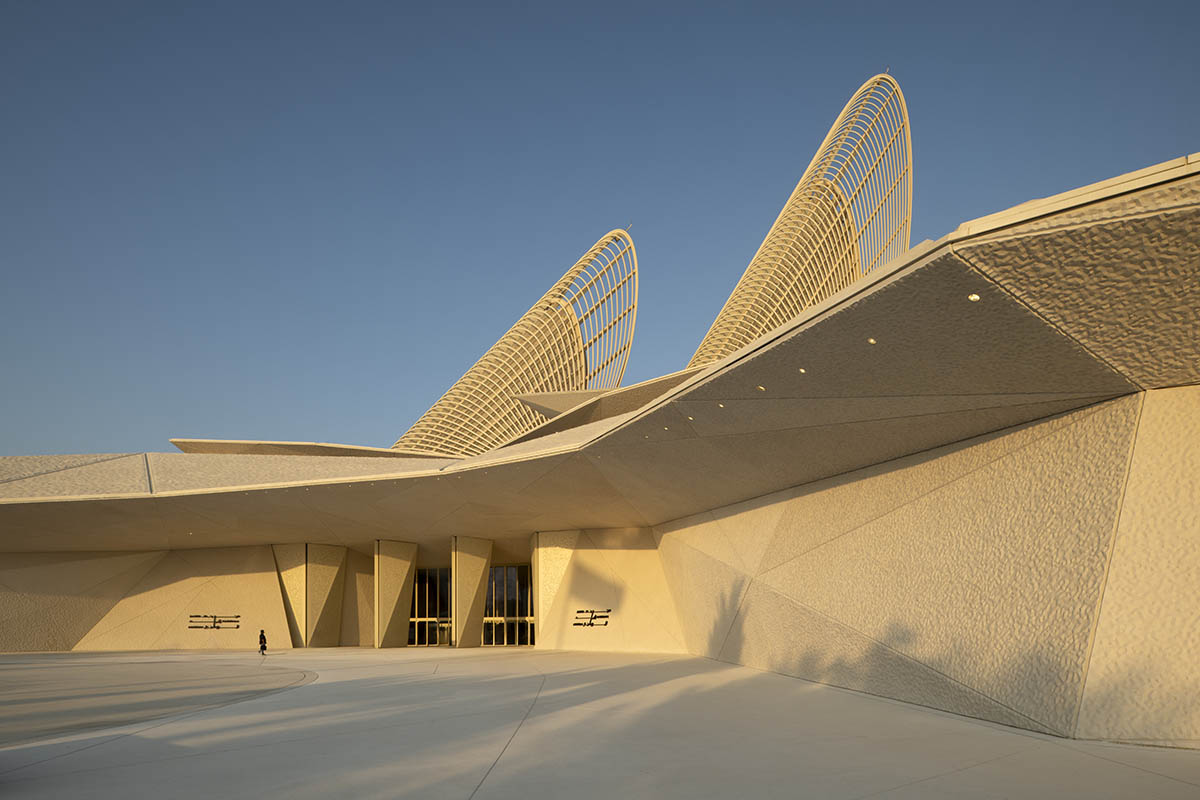
The project's materials have been carefully chosen to blend in with local traditions and historic structures across the seven Emirates. The museum's façade and interior share the warm white tone of the sand on Saadiyat Island, which grounds the futuristic shape of the ventilation towers in the color and memory of the terrain.
Carbon and Energy
By using both passive and active measures, the museum intends to drastically lower its operational energy requirement. Heat transmission into interior spaces is restricted by a protective mound that shields the structure from solar gain.
In order to provide natural cooling currents throughout the structure, the five ventilation towers act as thermal chimneys, drawing heated air upward. In order to minimize the need for mechanical equipment, a Canadian duct system pre-cools incoming air below ground.
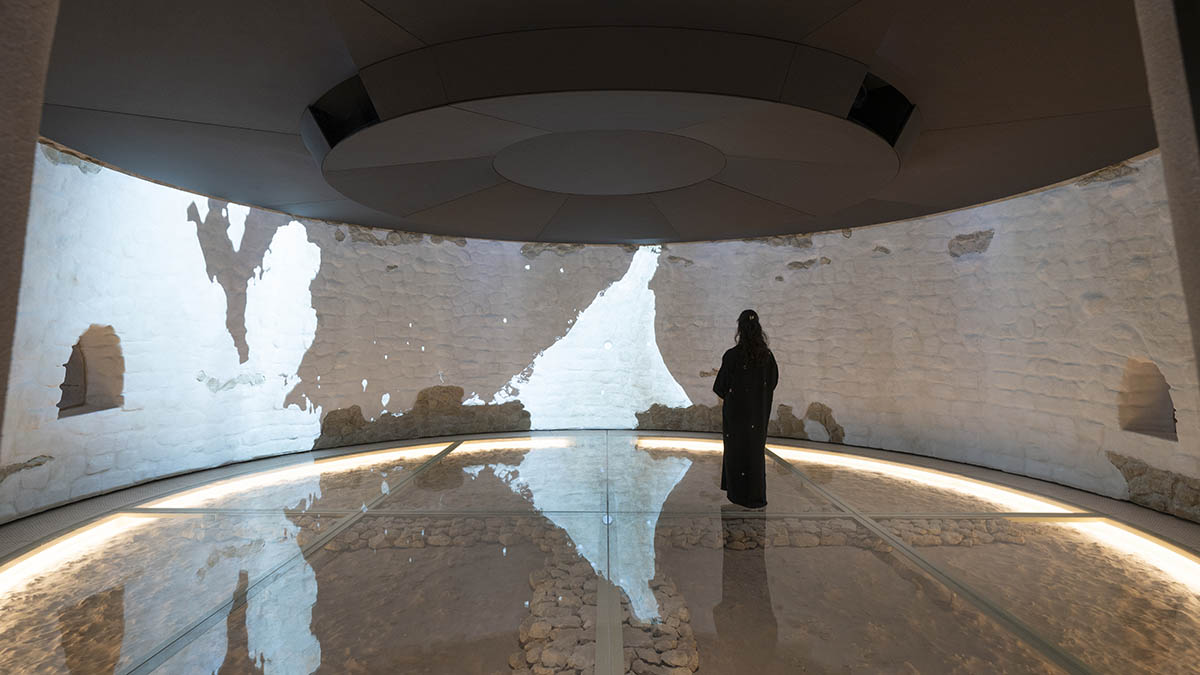
Additionally, ventilation rates are automatically adjusted based on occupancy to effectively maintain air quality. Extensive solar research, pod-shaped galleries, and sunlight-filtering lattice structures are used to carefully regulate natural daylight. Energy-efficient LED lighting with occupancy and daylight sensors is also used.

Connectivity and Mobility
The museum enjoys strong pedestrian access to nearby cultural institutions due to its central location in the Saadiyat Cultural District.
Future light rail transit projects are planned as part of the district's long-term infrastructure development, and its strategic location facilitates walkable access. On-site electric vehicle charging stations promote the transition to low-emission transportation.
Waste and Materials
With components like the mound and walkway panels made locally, local production was crucial in reducing embodied carbon.
Additionally, the museum uses an organic waste management system that keeps food and organic waste out of landfills, reducing methane emissions and encouraging more environmentally friendly waste management techniques throughout daily operations.
Ecology and Land
With over 900 locally adapted plants and trees, the neighboring Al Masar Garden is created as a native landscape. The garden design incorporates traditional water management techniques, such as falaj irrigation channels.
These age-old methods of irrigation, which rely on gravity rather than power, offer a sustainable way to support life in dry regions.
Well-being
All public spaces of the museum are equipped with lifts and level access for universal accessibility. A sense of location is strengthened by the building's warm-white façade and interior color scheme, which mirrors the hue of the sand on Saadiyat Island.
With occupancy sensors and dimming controls that react to both daylight availability and visitors' presence, smart lighting systems improve indoor comfort.
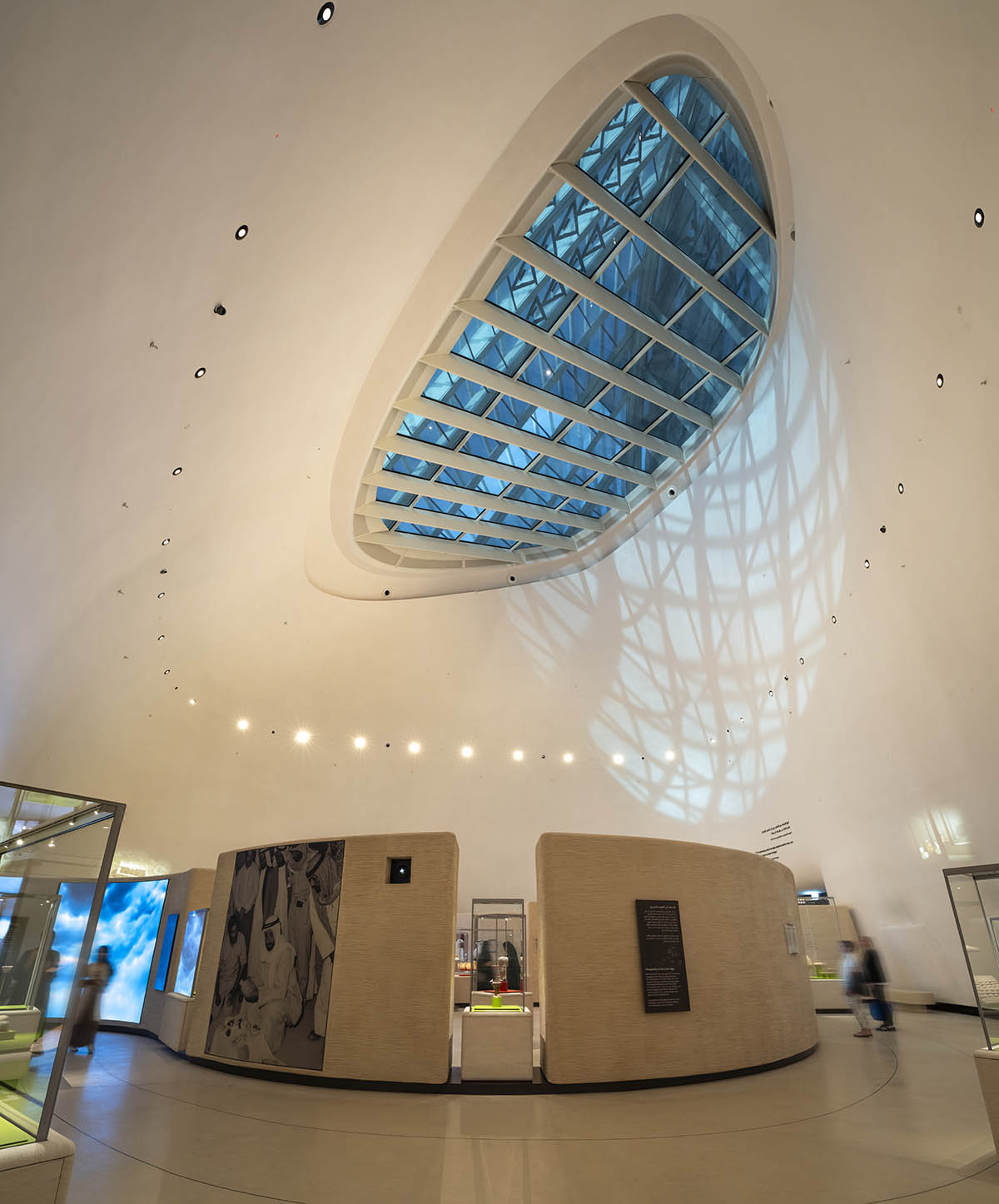
Heritage & Culture
The museum, which pays tribute to the history and culture of the United Arab Emirates, uses a modern yet classic architectural style to convey regional customs.
The surrounding mound's textured panels reinforce the relationship between geography, legacy, and national identity by abstracting the UAE's varied terrain.
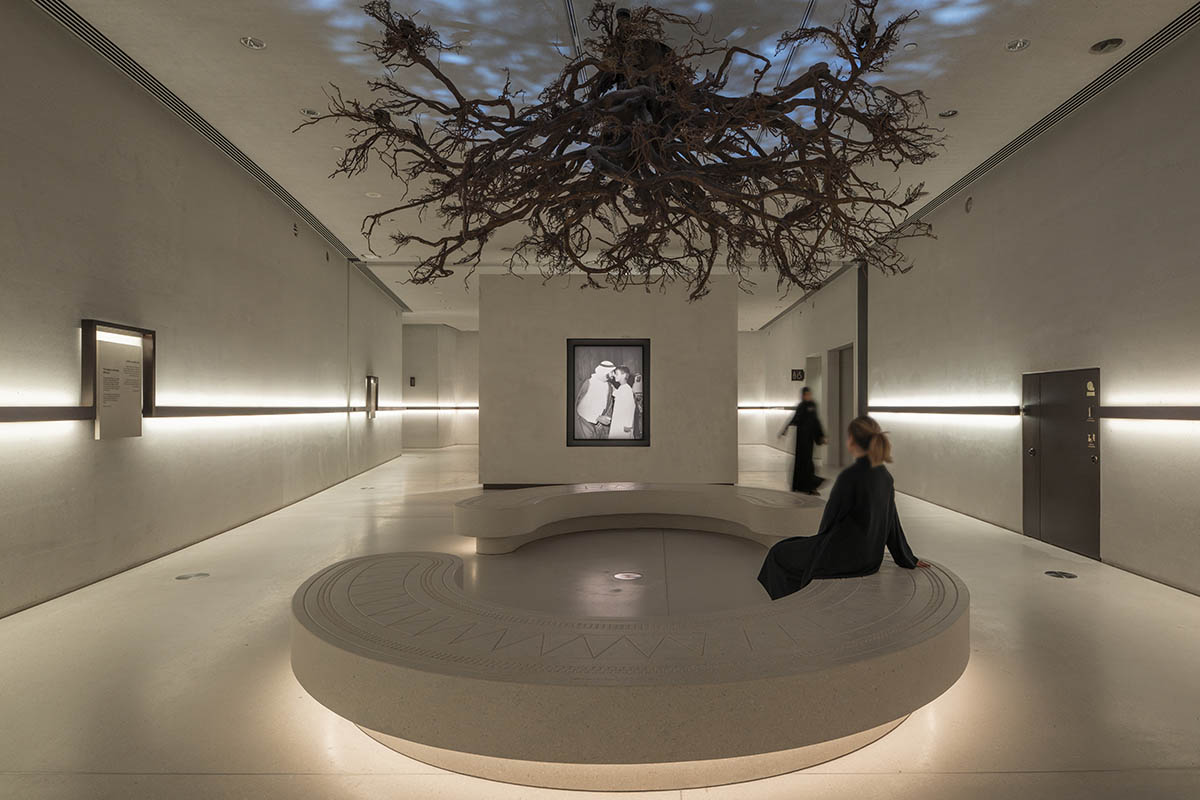
Main Materials
Important components include patinated bronze cladding at gallery entrances, honed white concrete for the main visiting areas, such as the central lobby and Al Liwan, and aluminum cladding with painted steel frames for the lightweight components above the mound.
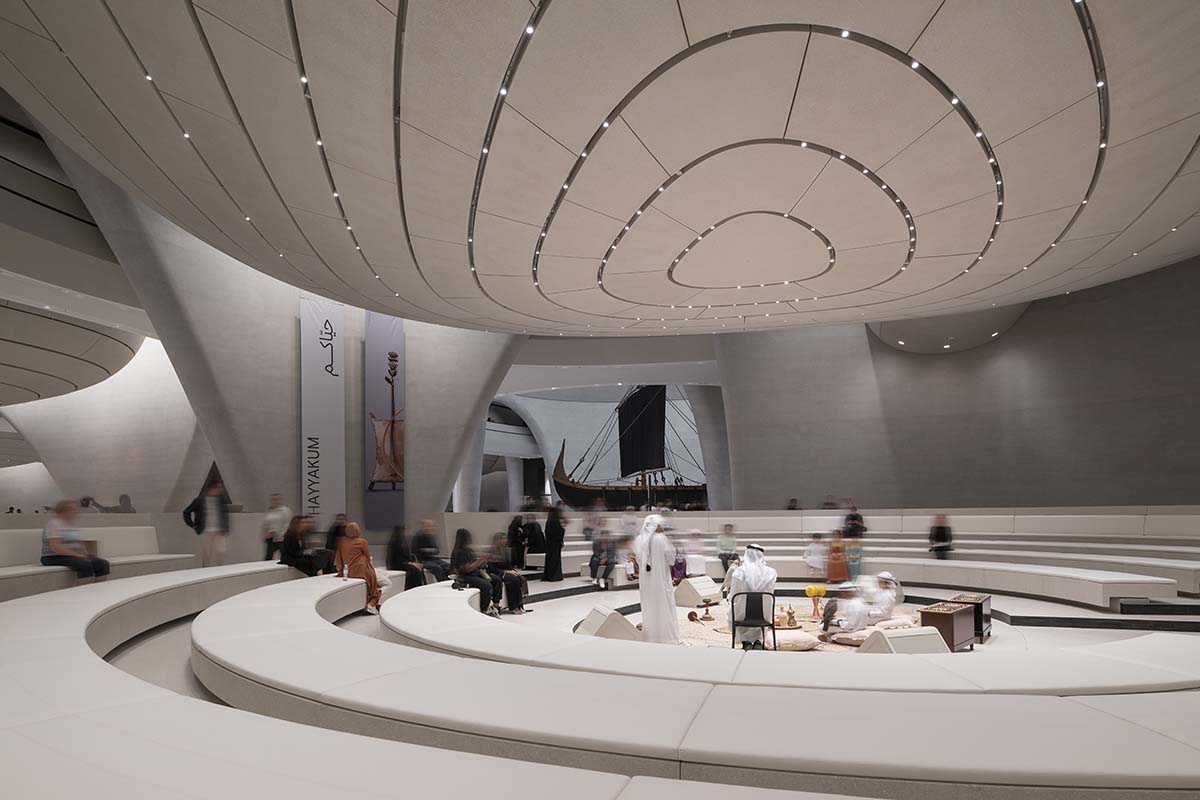
Structural System
The structure is supported by piling foundations, and ordinary formwork and slip-formed grey concrete are used to form the basement walls.
Cast-in-situ white concrete makes up the walls of the main foyer. Triple-laminated glazing encloses the lightweight towers, which are supported by a welded steel structure above the mound.
Over 6,600 glass panels of various sizes and shapes cover five lightweight steel towers. Six permanent galleries and one temporary exhibition room make up the total of seven gallery spaces.

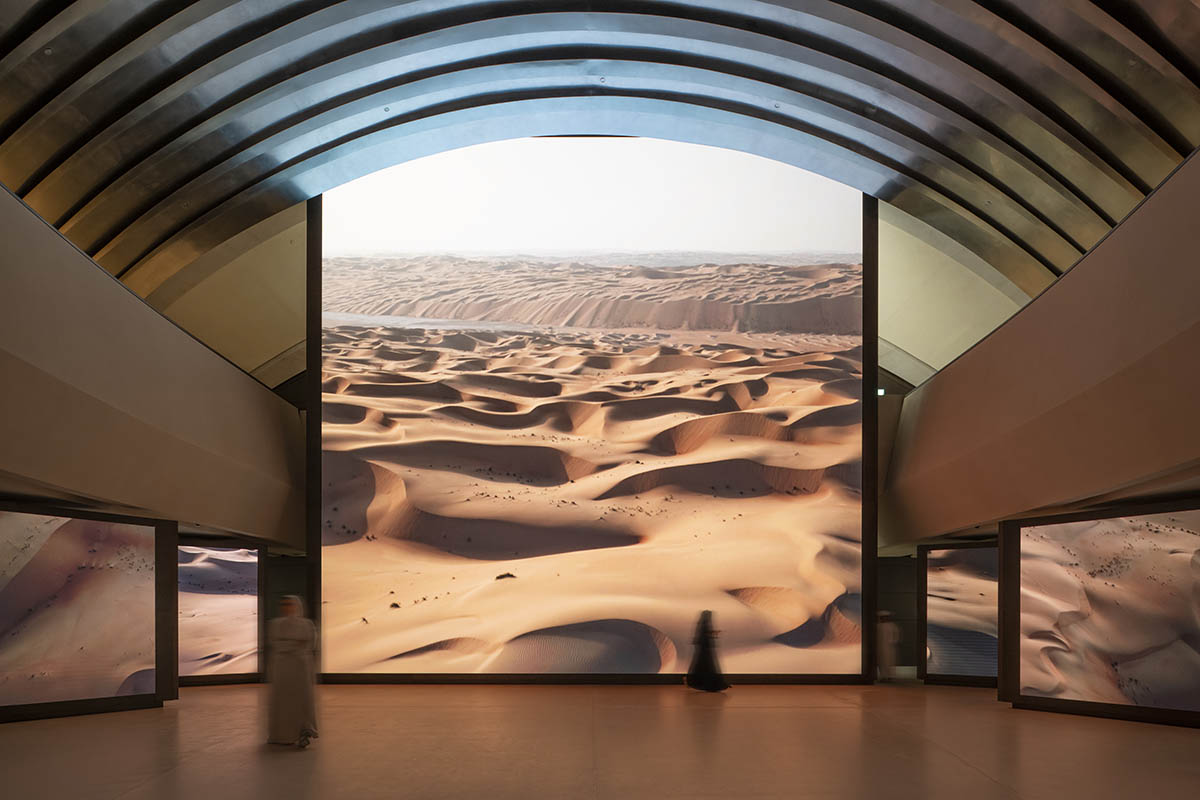
Roof floor plan
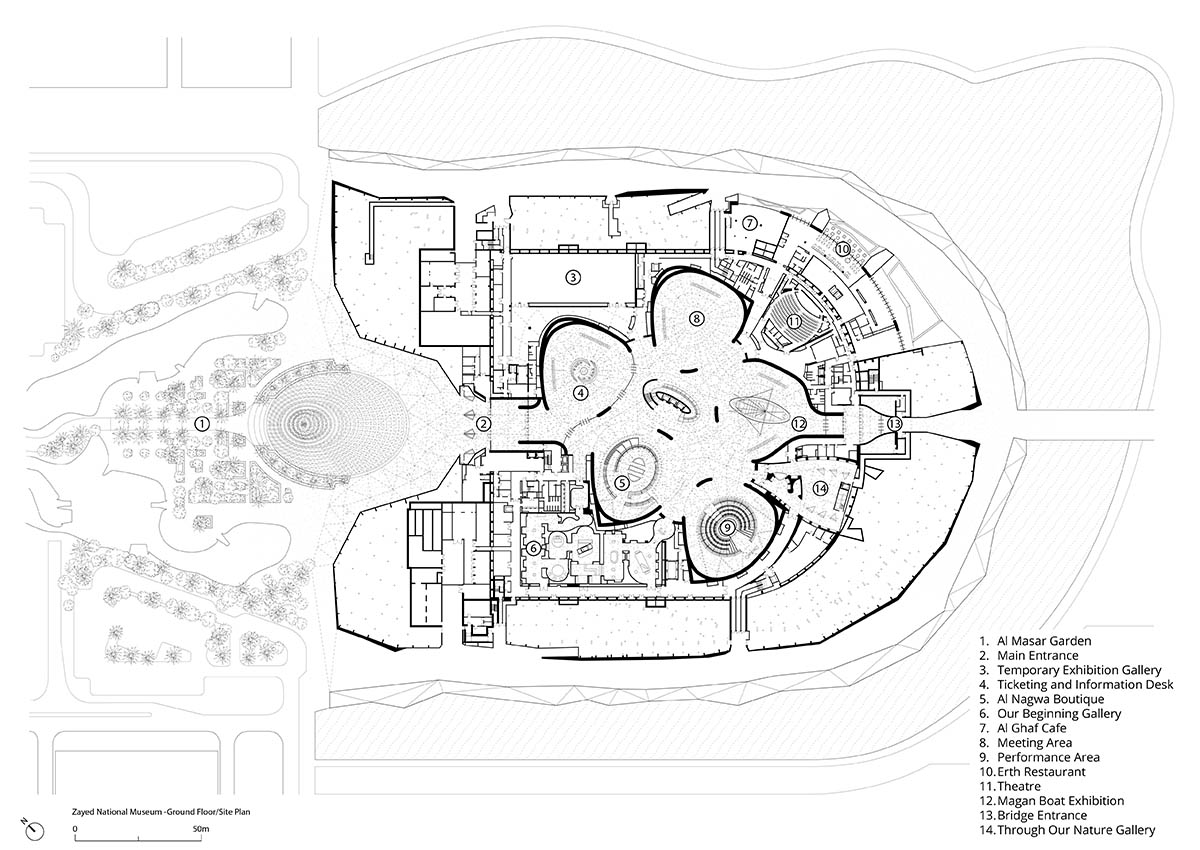
Ground floor/site plan
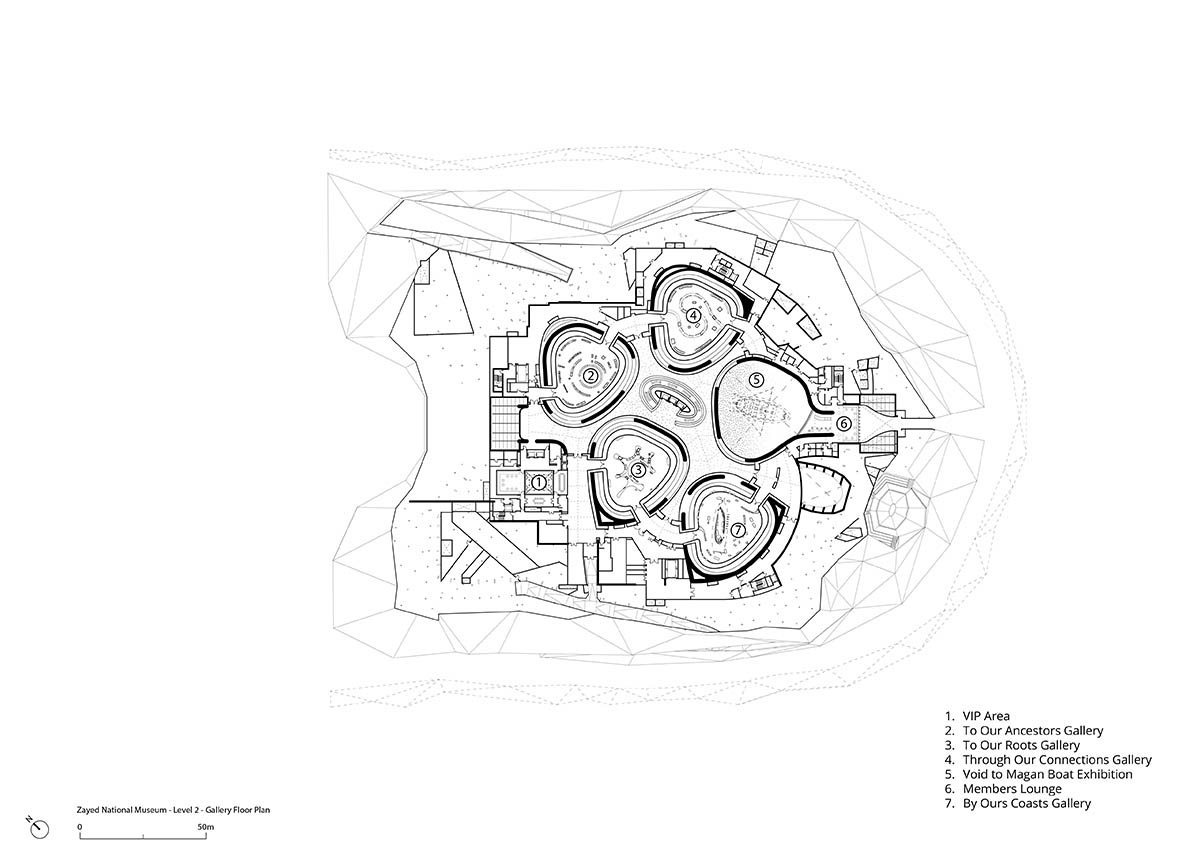
Level 2/gallery level plan
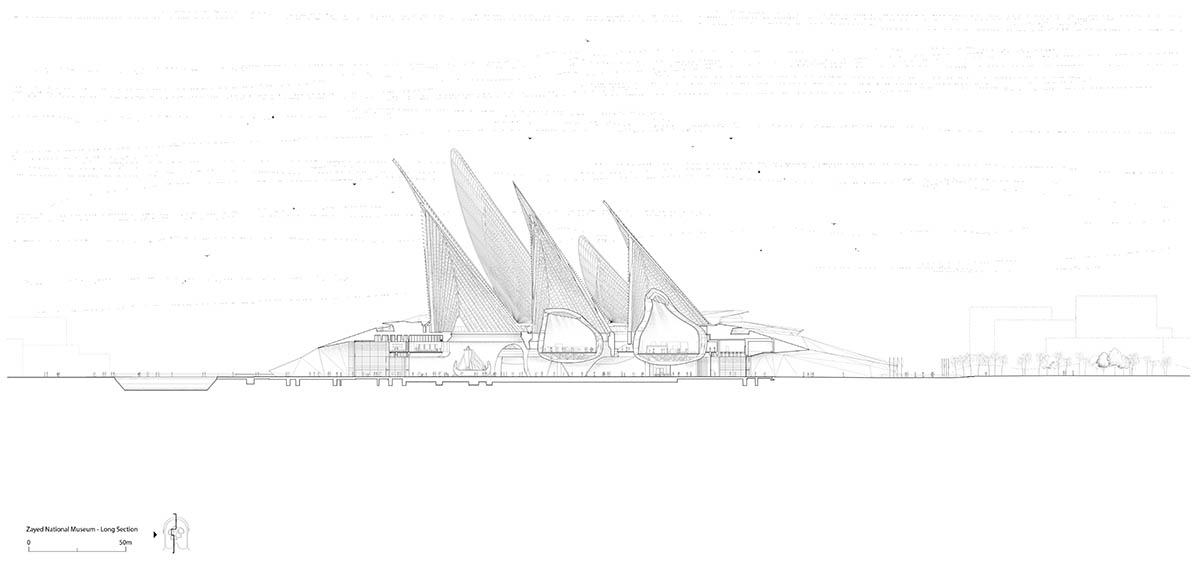
Long section
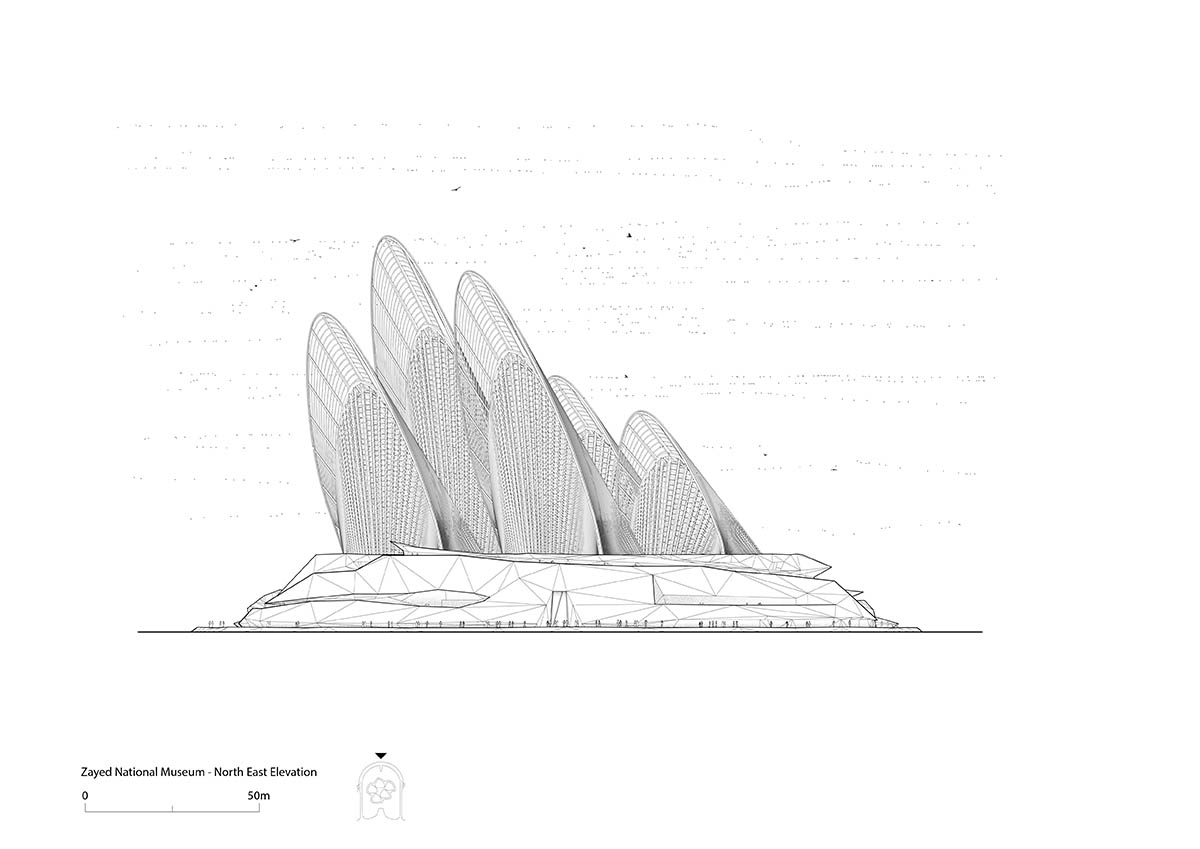
North-East elevation
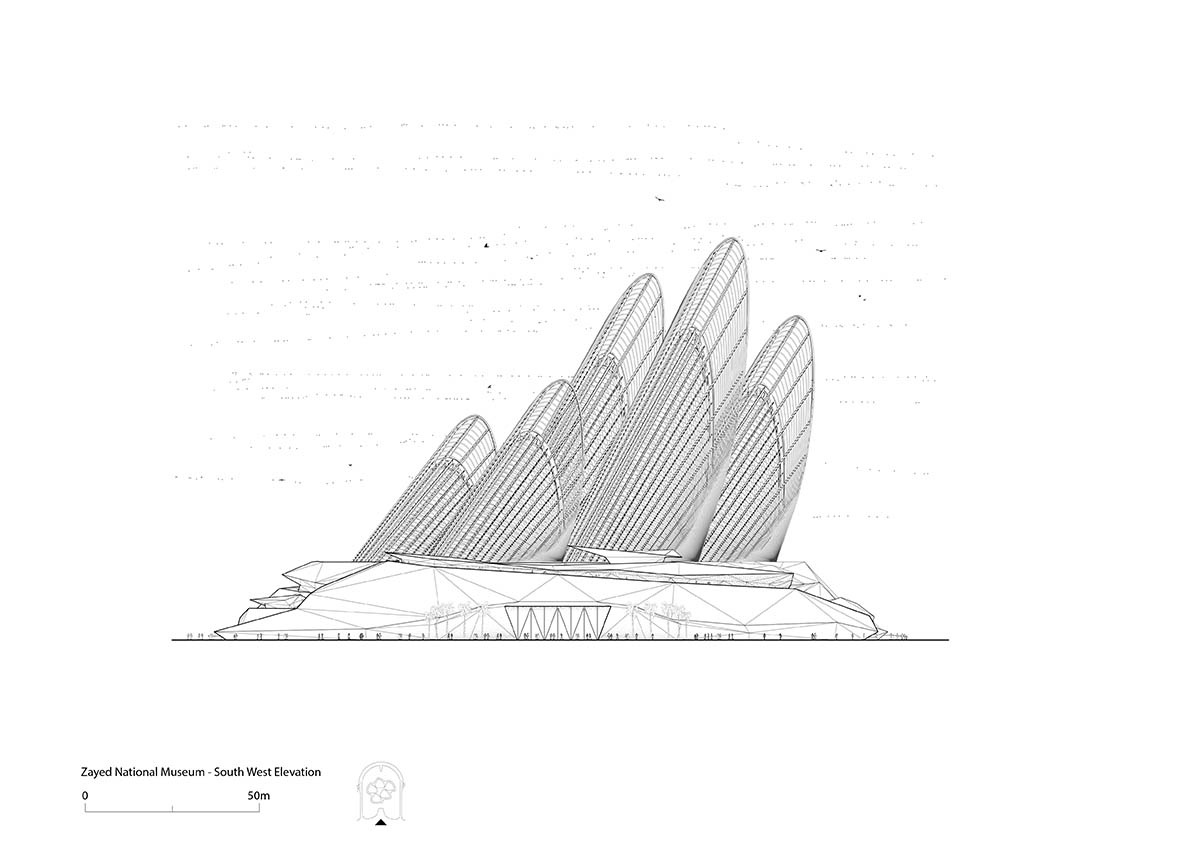
South-West elevation
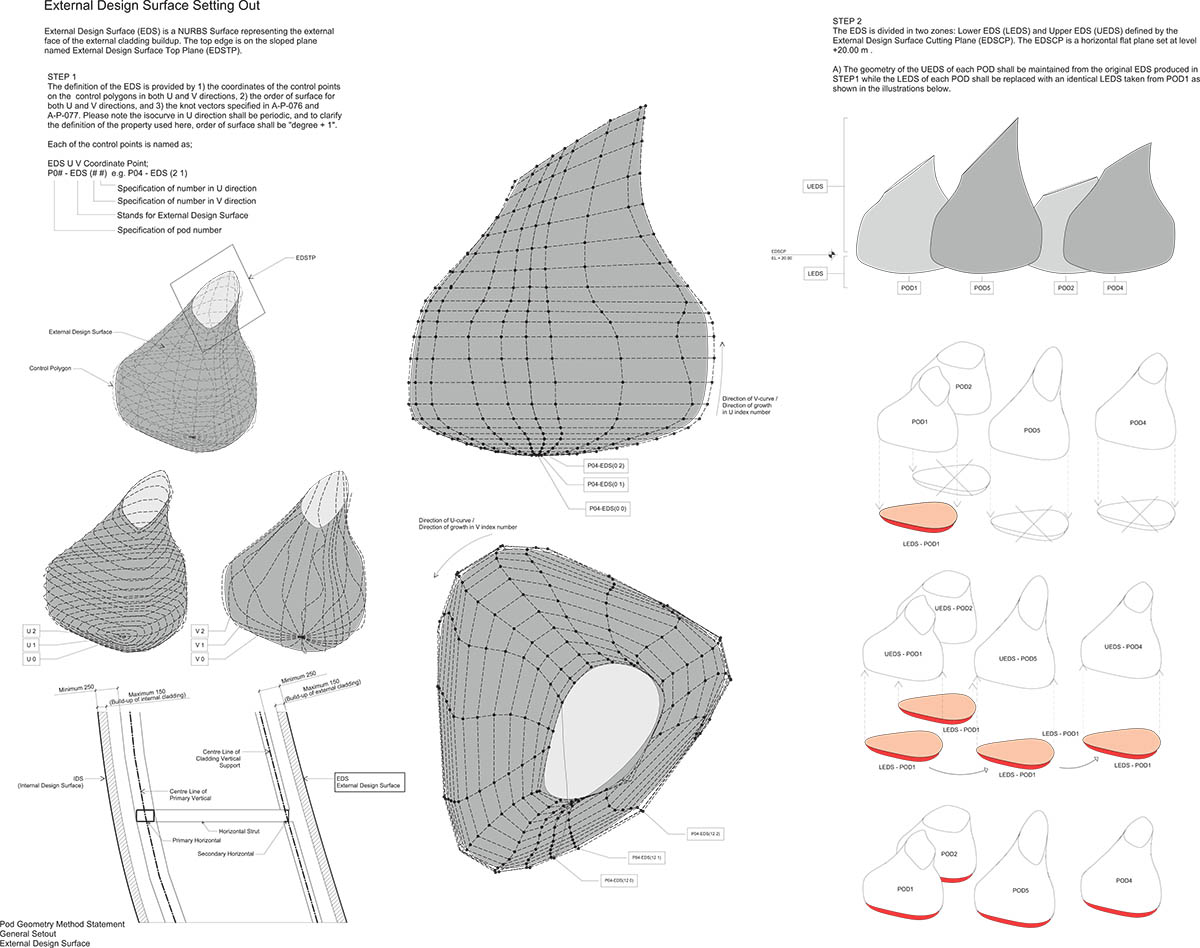
Pod geometry method statement

Wings detail
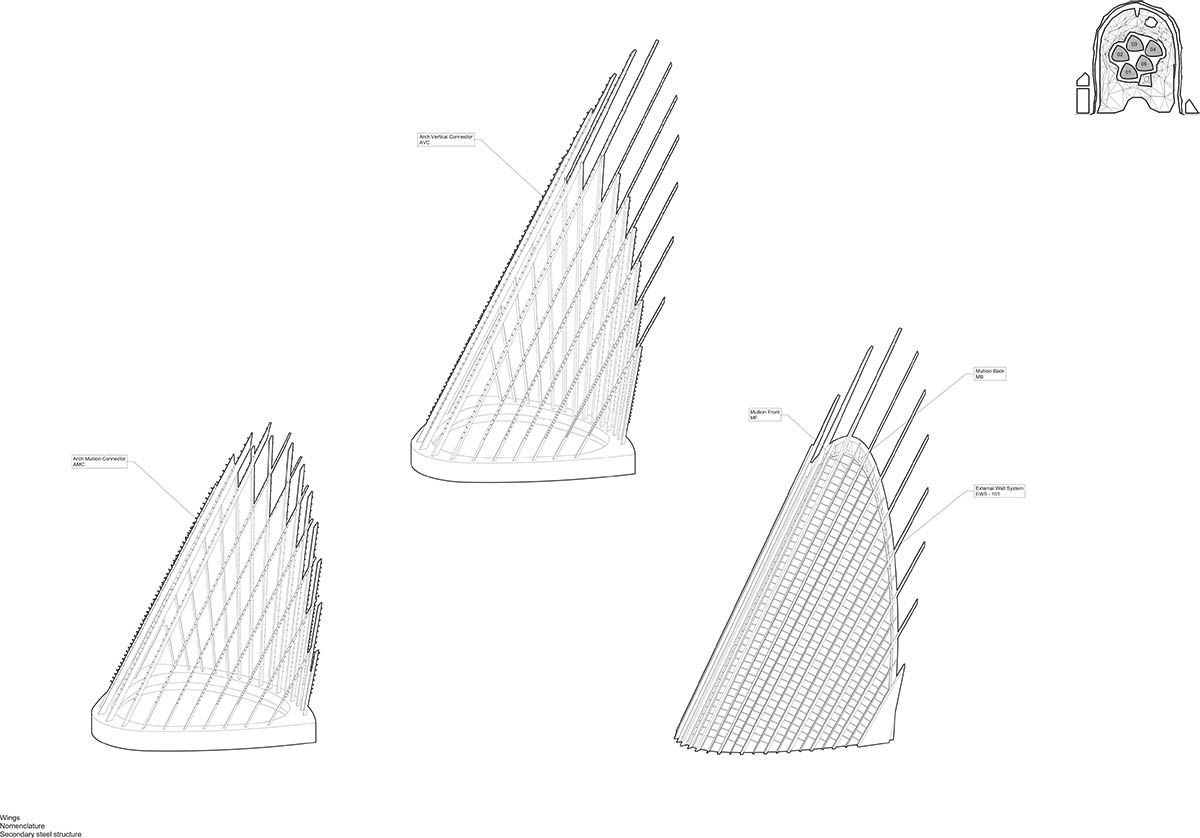
Wings secondary steel structure
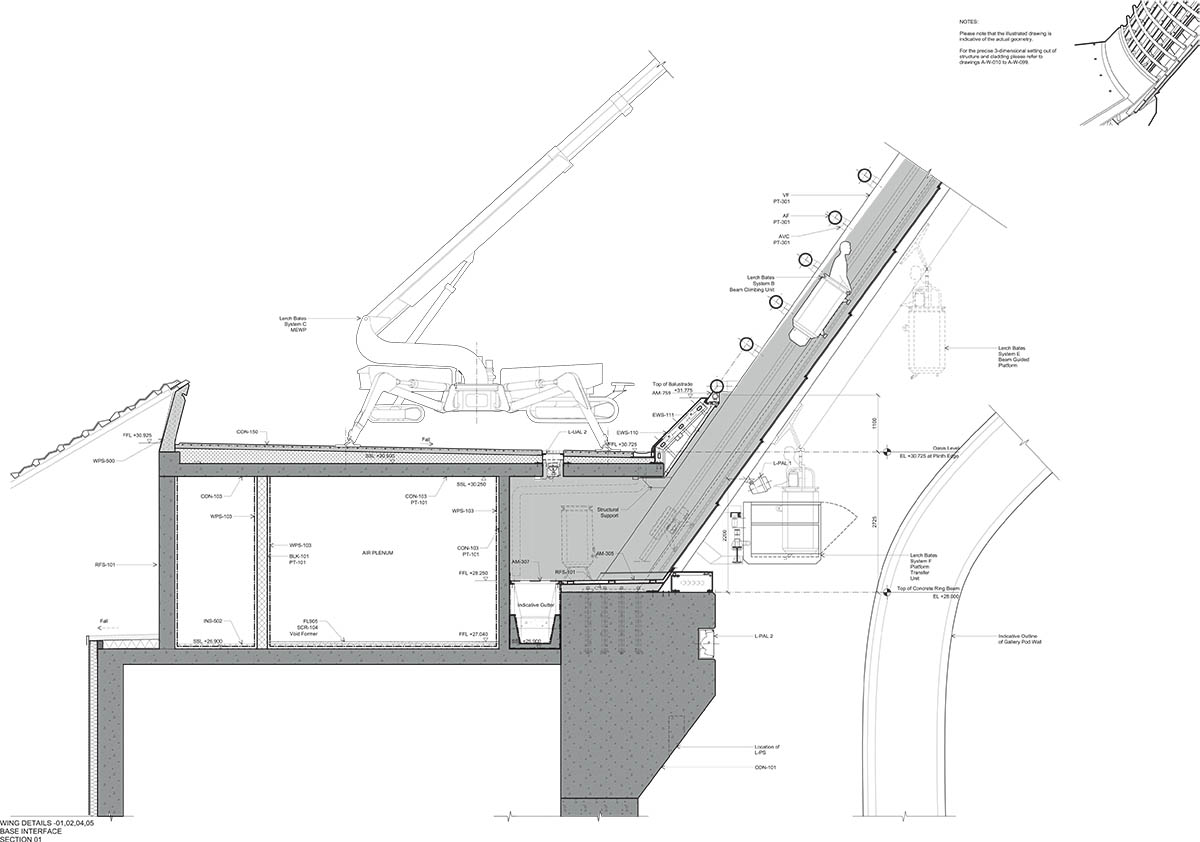
Wing detail base interface
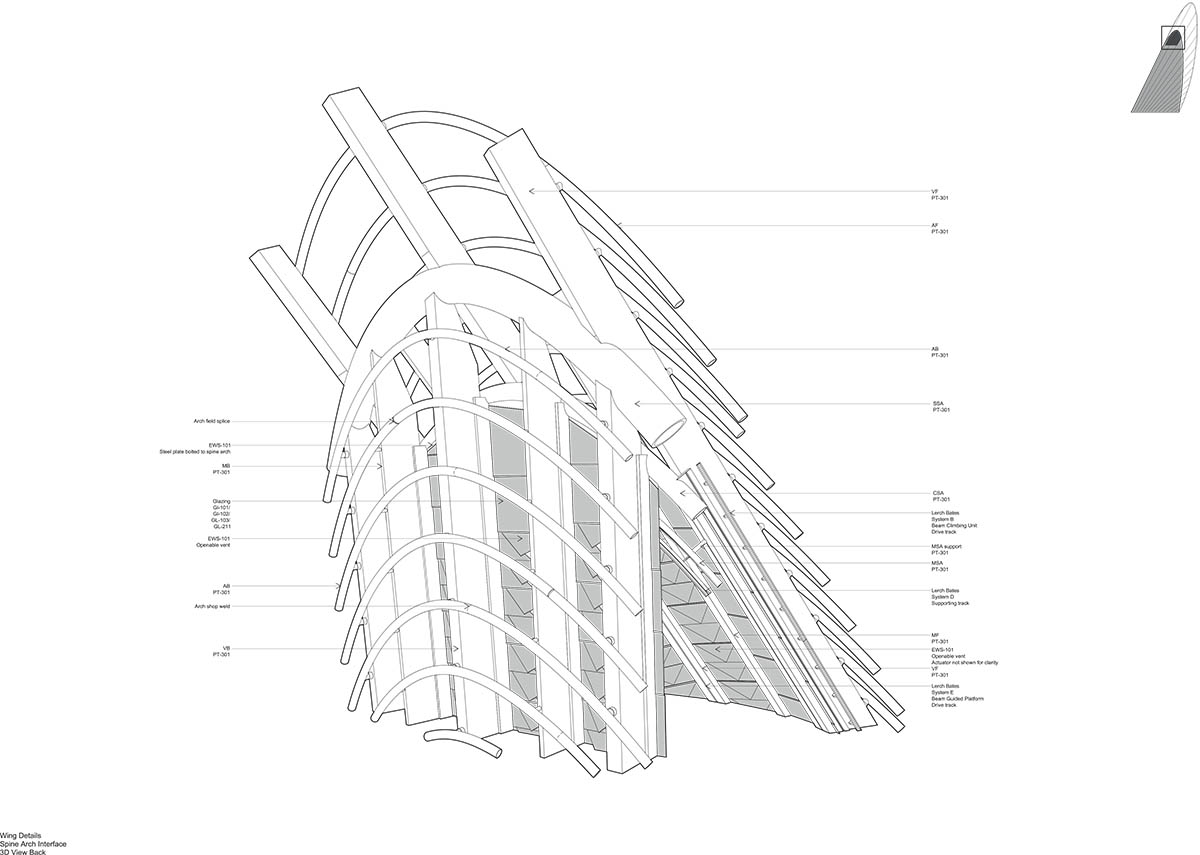
Wing detail spine arch interface
Project facts
Architect: Foster + Partners
Foster + Partners team: Norman Foster, Gerard Evenden, David Nelson, Emily Phang, Ross Palmer, Marilu Sicoli, Toby Blunt, Adam Newburn, Irene Gallou, Martin Castle, Martha Tsigkari, Andrew King, Ill Sam Park, Will Plowman, Ricardo Messano, Wolfgang Muller, Barrie Cheng, Dara Towhidi, Nicholas Arthurell, Cristine Castilhos Balarine, Jefferson Barnes, Giovanni Betti, Ho Ling Cheung, Harvey Cullis, Miriam Dall'Igna, Marta Diego, Alejandra Florez-Estrada Diaz, Hamza Farooq, Oscar Gil, Hisayo Kaneko, Alexandra Kogia, Angeliki Koliomichou, Joliette Lange, Won Suk Lee, Paul Leo, Richard Maddock, Elizabeth Miller, Alessandro Milazzo, Isshin Moroto, Josef Musil, Hossein Naser Vafai, Irina Nazarova, Eleonora Neri, Mouzo Ntagkala, Chan Ik Park, Jose Pedro Santiago Da Silva, Ezmira Peraj, Javier Perez Torrejon, Laura Podda, Luca Poian, Sladjana Putnik, Merino Ranallo, Alfie Recarte Olaran, Emanuele Renzi, Florian Rieger, Ramit Saksena, Laura Suico, Chris Storie, Takashi Tsurumaki, Karsten Vollmer, Dominic Williams, Simon Wing, Xiaoming Yang, Munehiko Yokomatsu, Bo Yoon.
Location: Abu Dhabi, UAE
Client: Department of Culture and Tourism
Competition Win: 2007
Appointment: 2008
Initial Construction Phase: 2008 - 2012
Construction Phase: 2018 – 2025
Completion Date: 2025
Area (Gross): 56,687m2
Built-up Area: 88,870m2
Site Area: 86,876m2
Number of Storeys: 3
Number of Basements: 1
Length of Al Masar Garden: 600m
Height: 123m above National Abu Dhabi Datum (NADD)
All images © Nigel Young / Foster + Partners.
All drawings © Foster + Partners.
> via Foster + Partners
Abu Dhabi cultural building cultural project museum sustainability Zayed National Museum