Submitted by WA Contents
A striking bell tower pierces the sky, illuminating the grandeur of the pavilion in Montreal
Canada Architecture News - Feb 16, 2026 - 05:01 3559 views
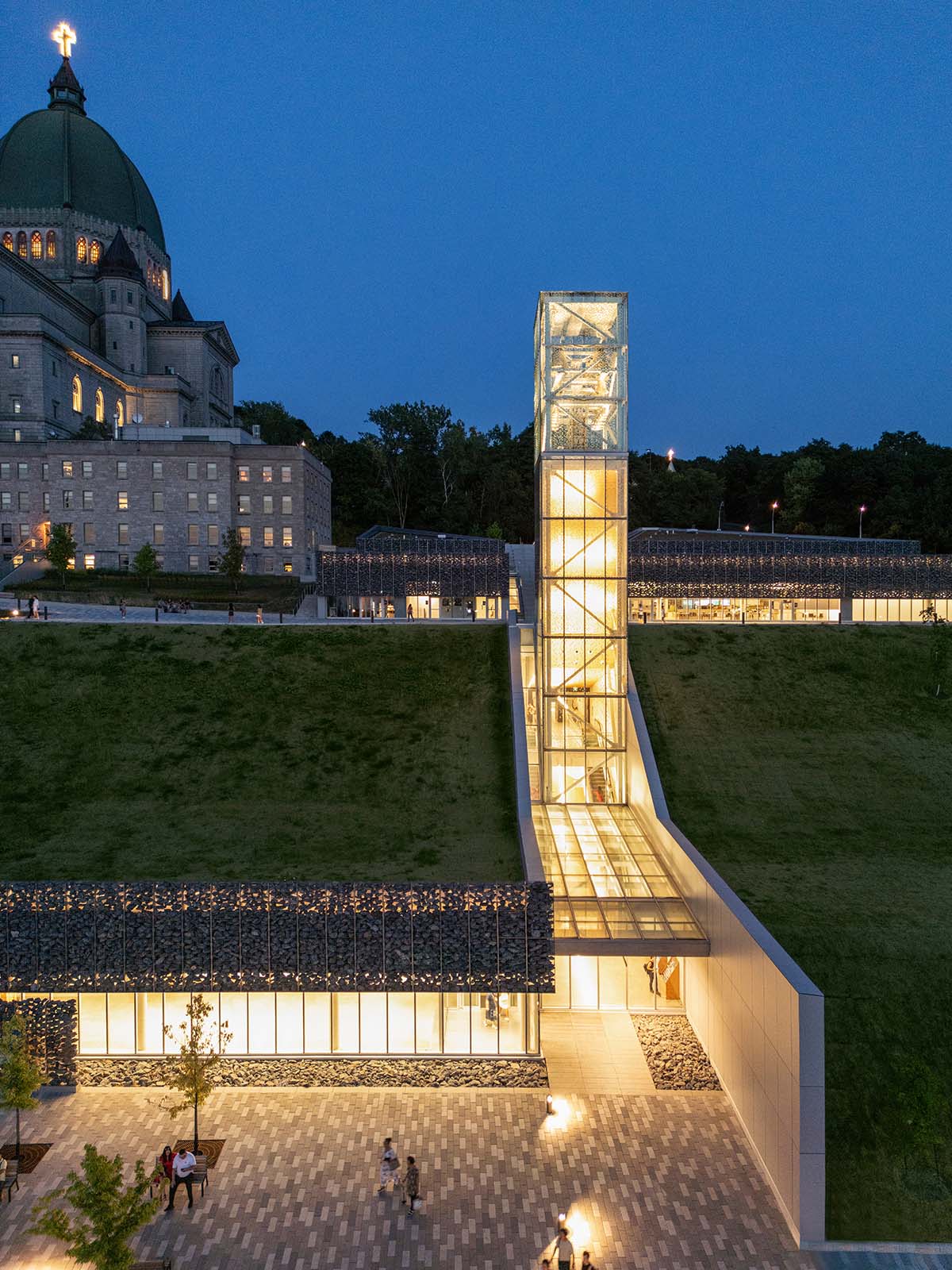
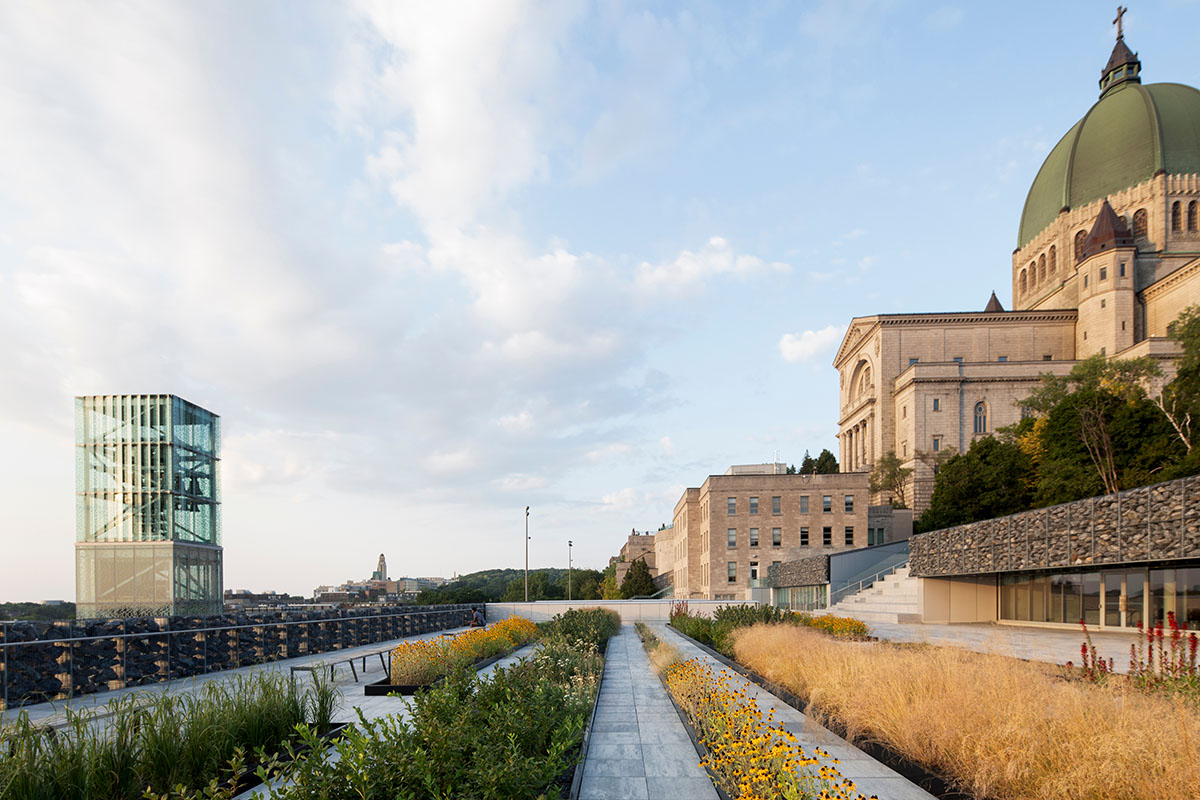
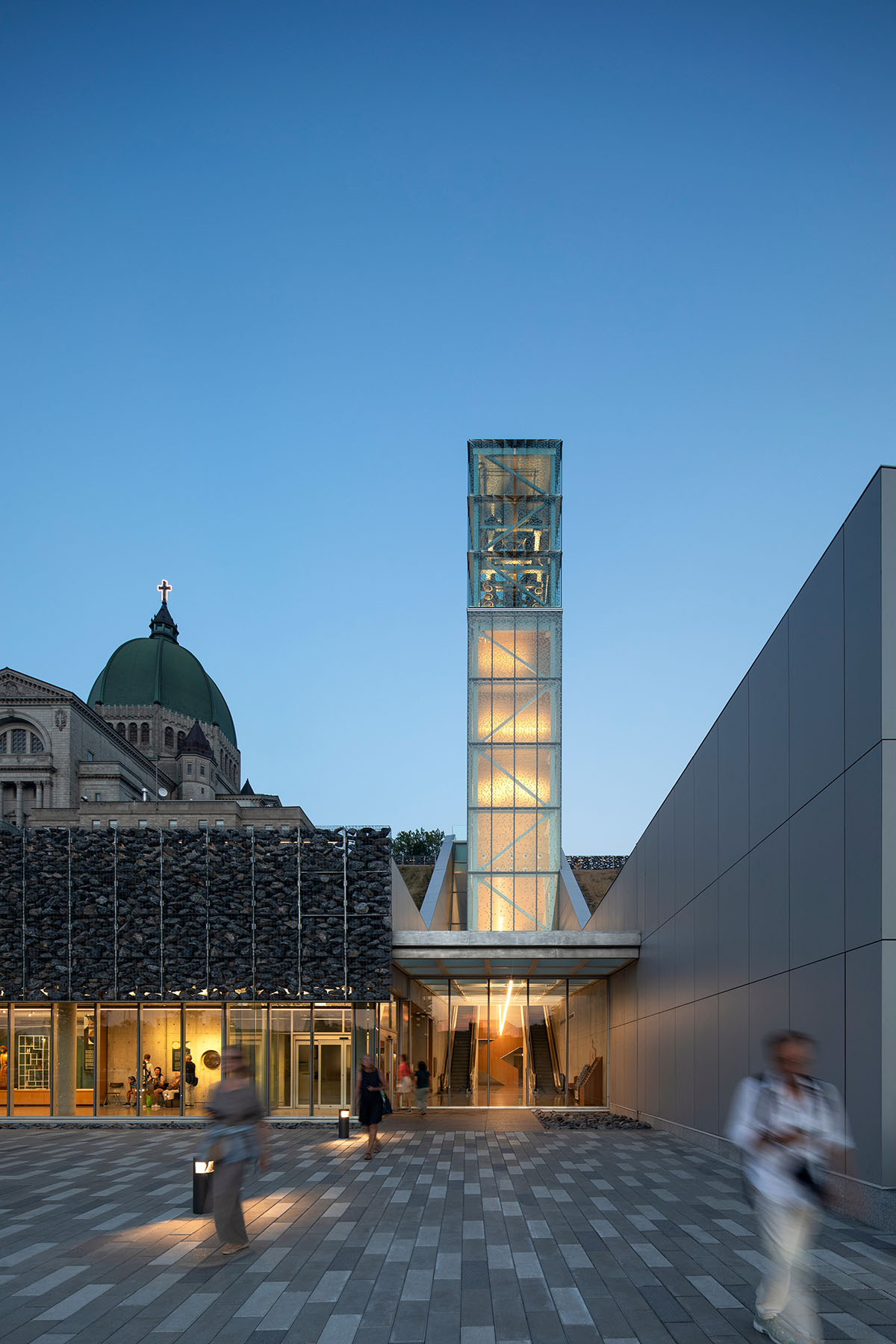
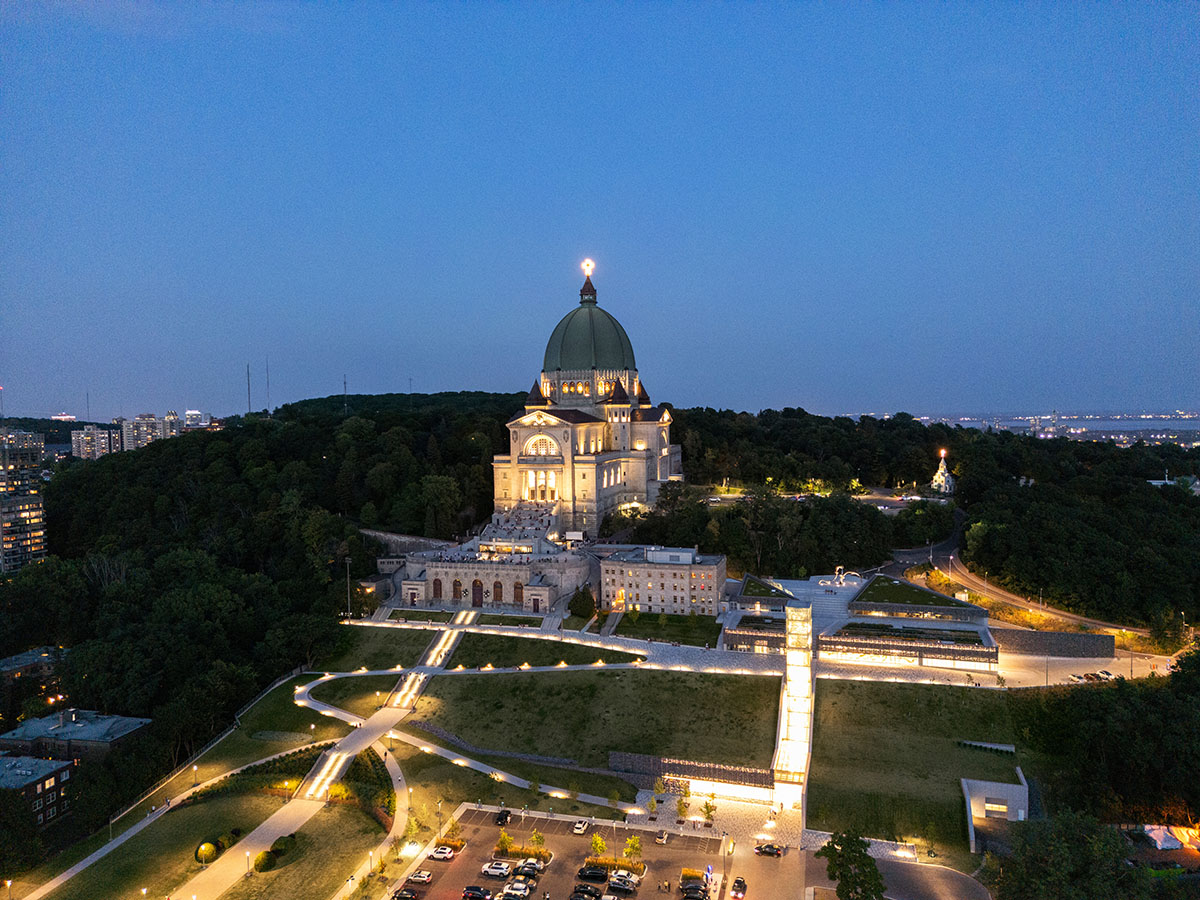
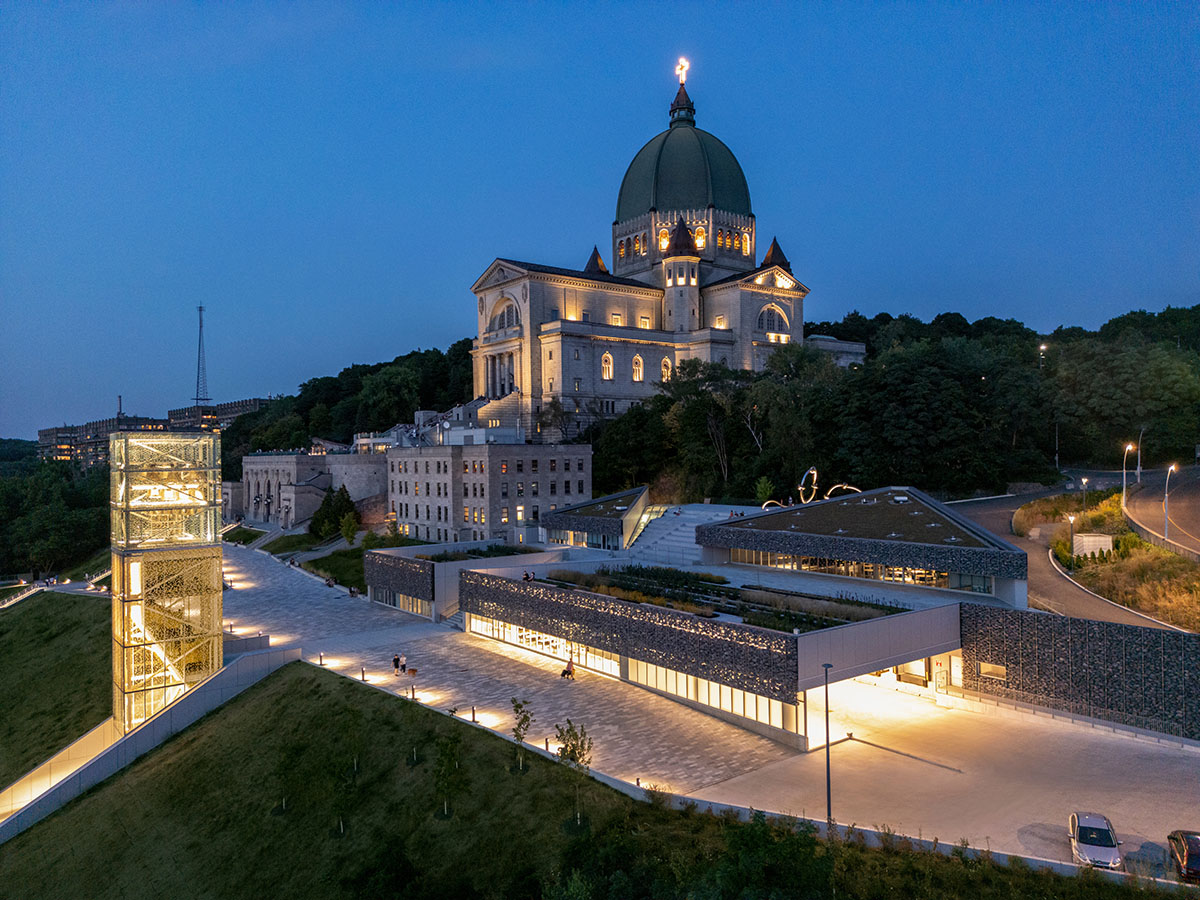
A pavilion harmoniously integrated into the landscape is accented by a towering, gleaming bell tower, emphasizing the pavilion's presence.
Named Saint Joseph’s Oratory of Mount Royal Welcome Pavilion, the 5,600-square-metre pavilion has opened a new chapter for visitors to Quebec's most popular religious and cultural institution.
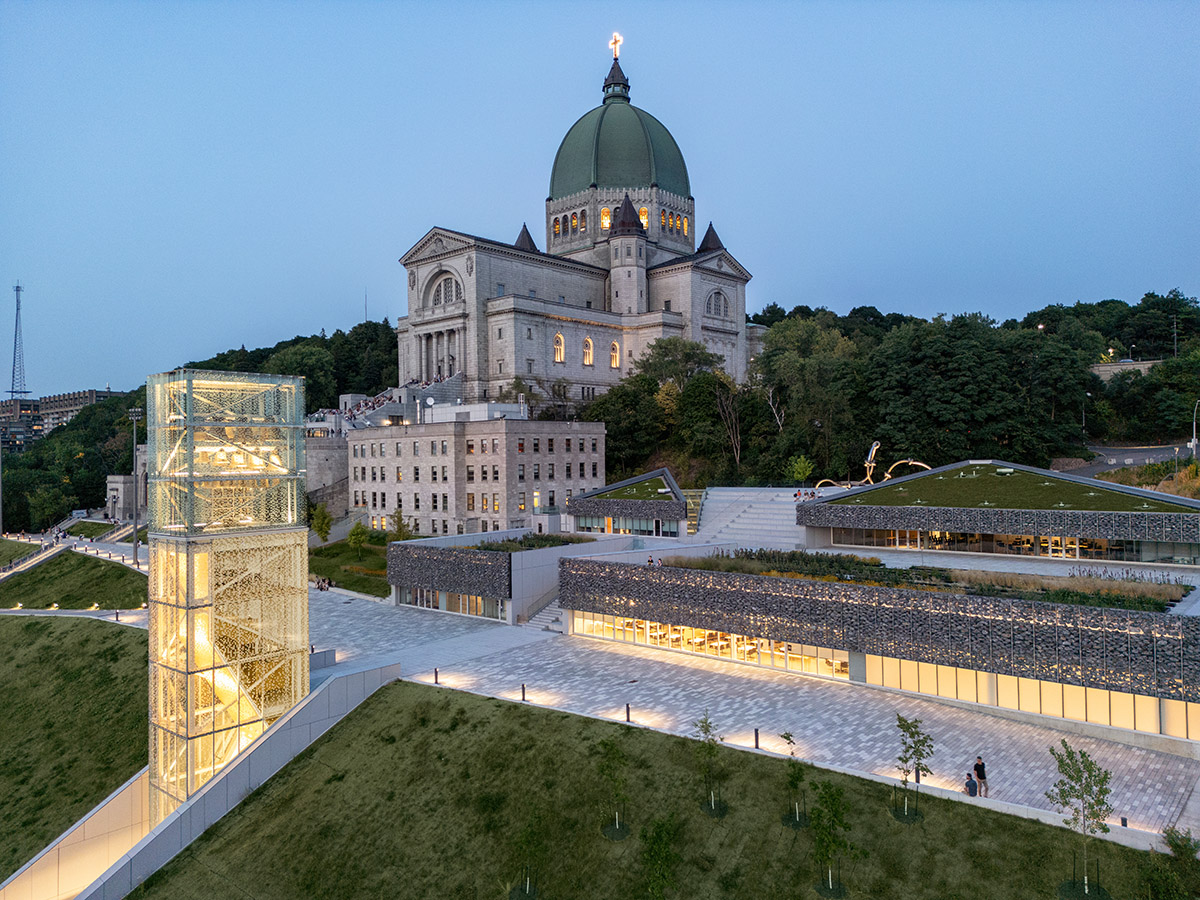
Built by Montreal-based architecture firm Lemay for Saint Joseph's Oratory of Mount Royal, the Oratory, which receives more than two million visitors each year, is seamlessly connected to its surroundings thanks to its four-story architectural intervention that combines reverence with modernism.
Since its founding, Saint Joseph's Oratory has served as a haven where devotion and architecture meet, as well as a beacon of faith and reflection. This most recent addition, which has been a part of the site's ongoing master plan since 2000, represents a significant transformation that embraces both the past and the future.
Visitors are welcomed into a meticulously planned series of spaces as soon as they arrive, which reimagines the pilgrimage experience and turns moving around the site into an act of exploration.
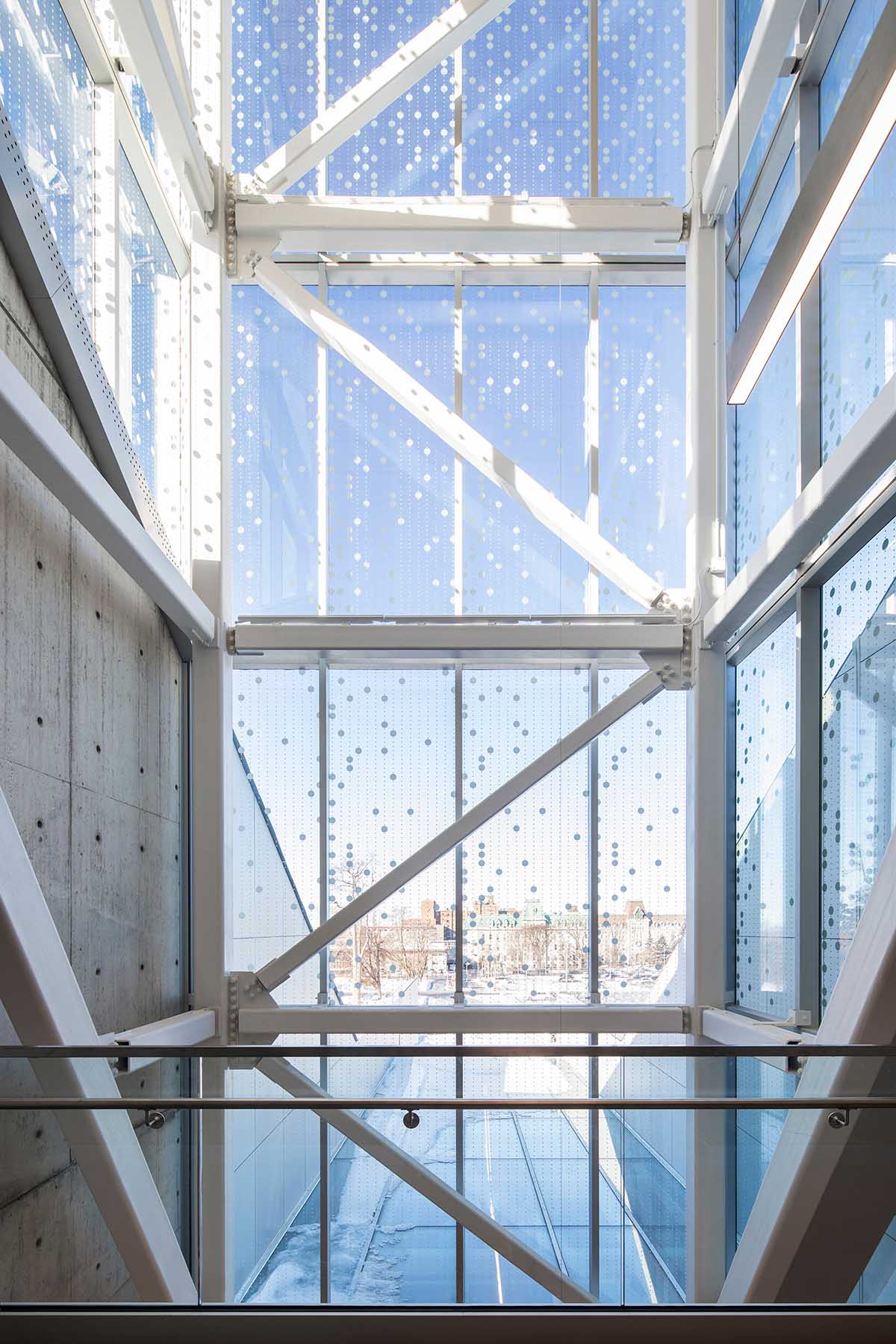
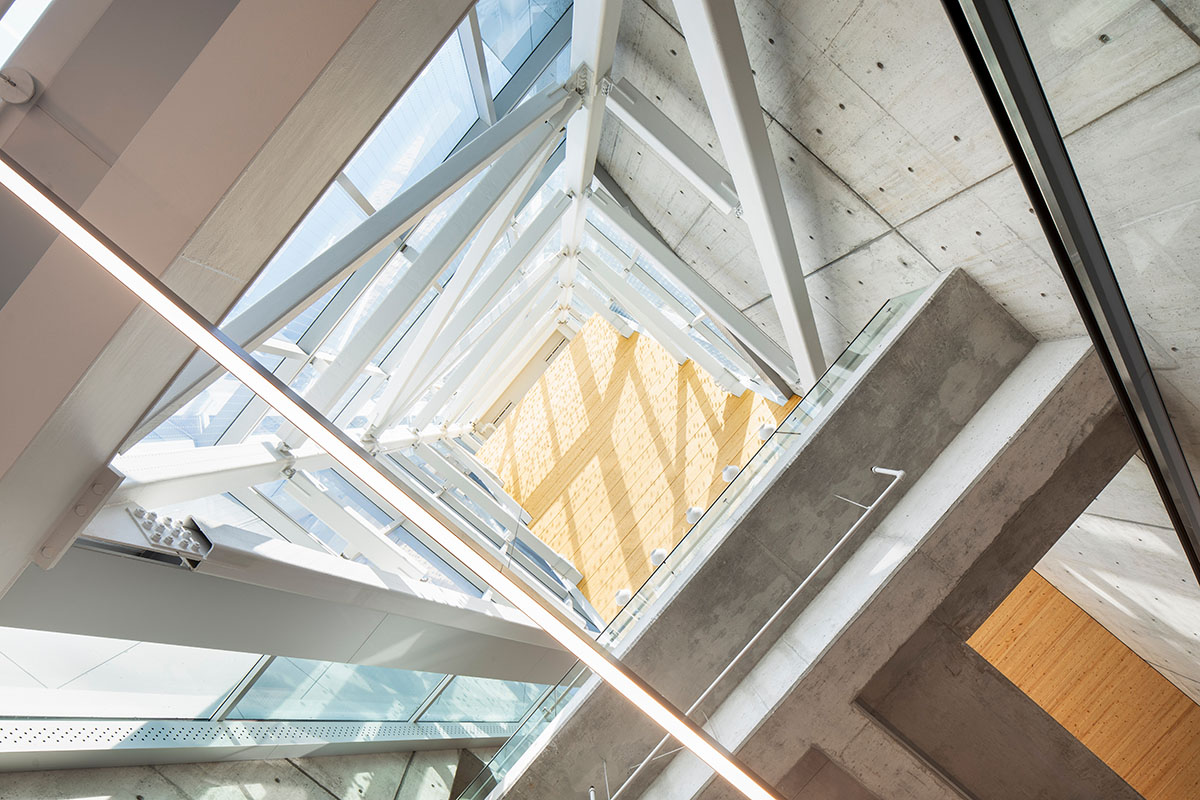
The enticing new bell tower, a vertical landmark with a 62-bell carillon that serves as the Oratory's musical and experiential instrument as well as a symbolic and aural guide for guests, is at the center of this makeover.
When paired with the pavilion, the bells' decades-long reverberating presence—known to reverberate throughout Mount Royal—now guides guests through a multisensory experience. As the chimes ring, they signify the passage's rhythm, an interaction of sound, light, and materiality that enhances the spiritual experience.
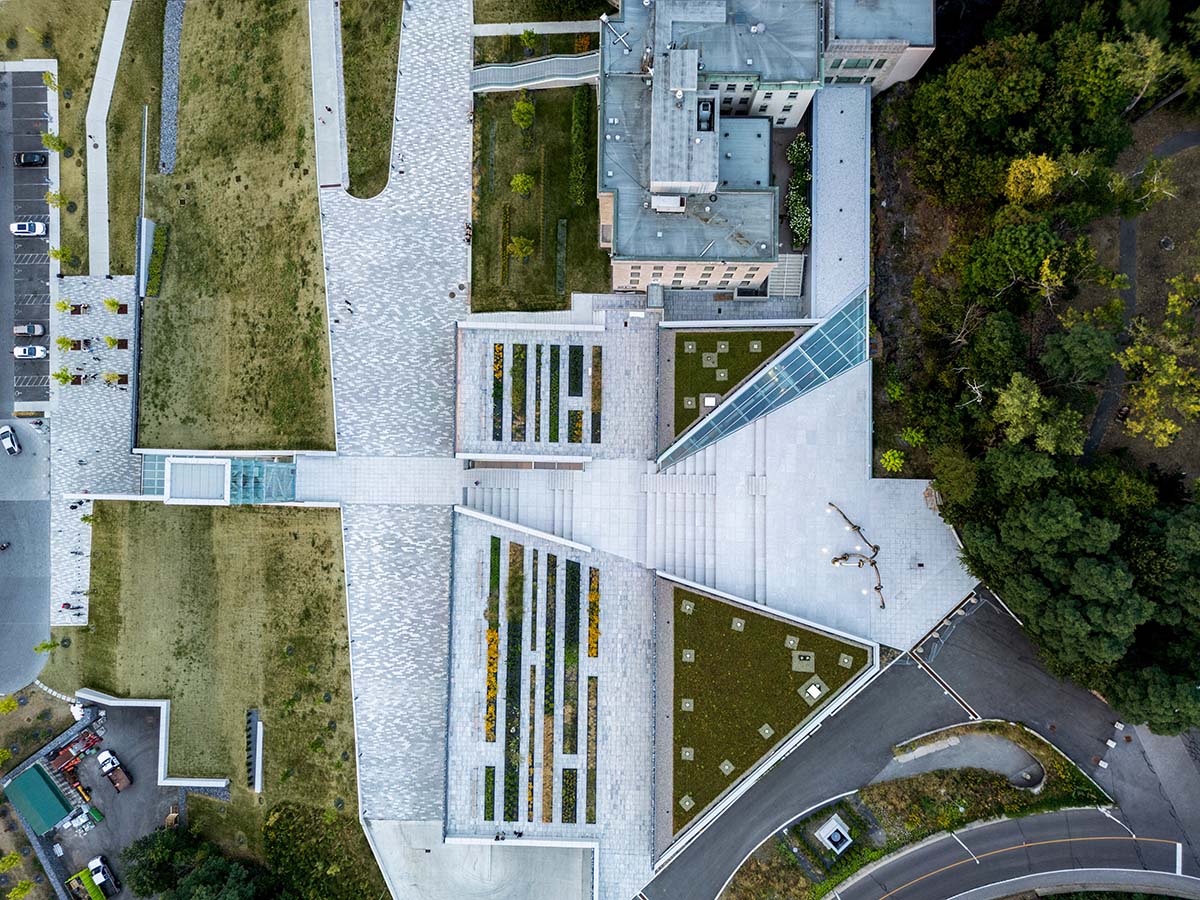
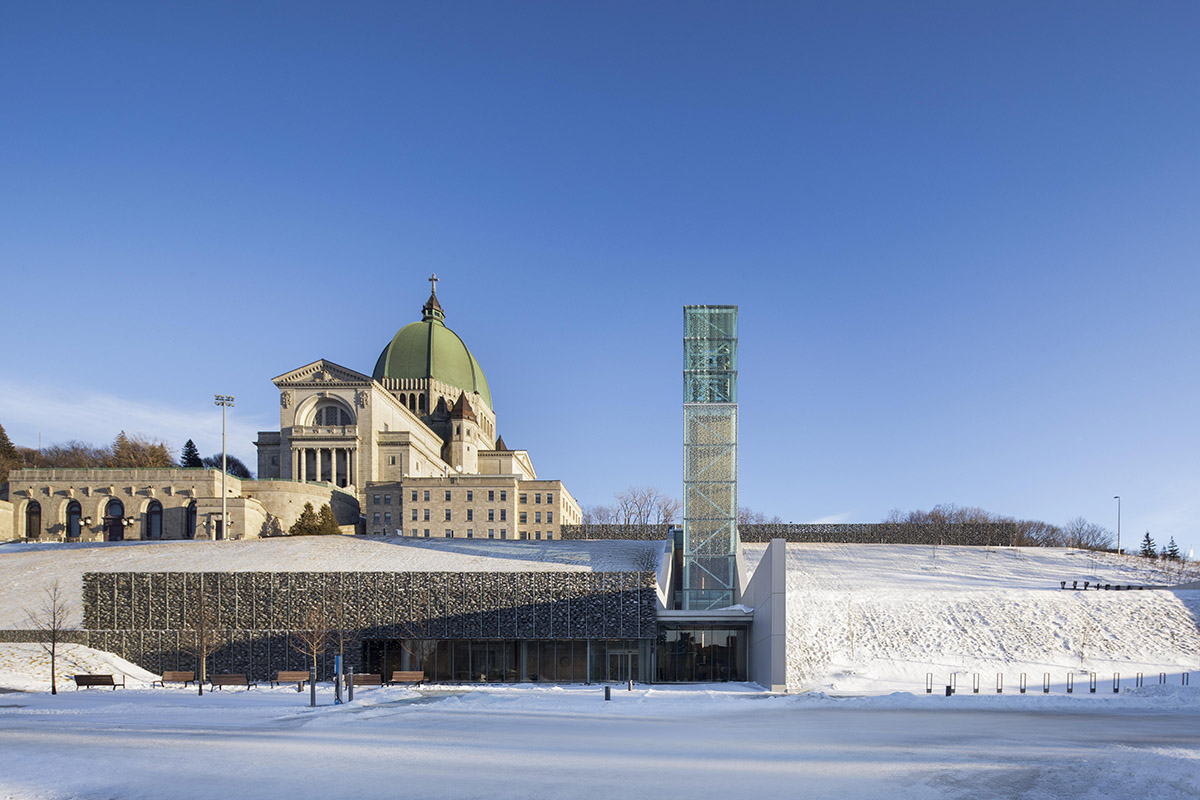
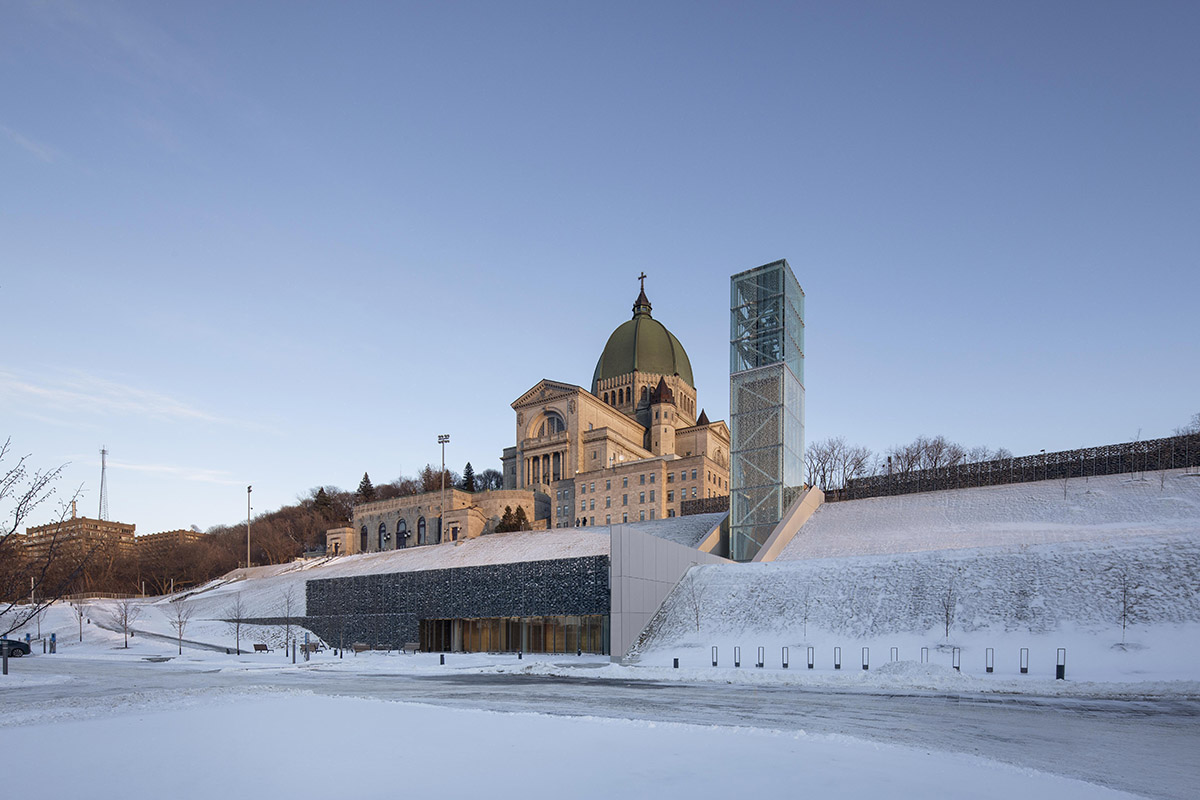
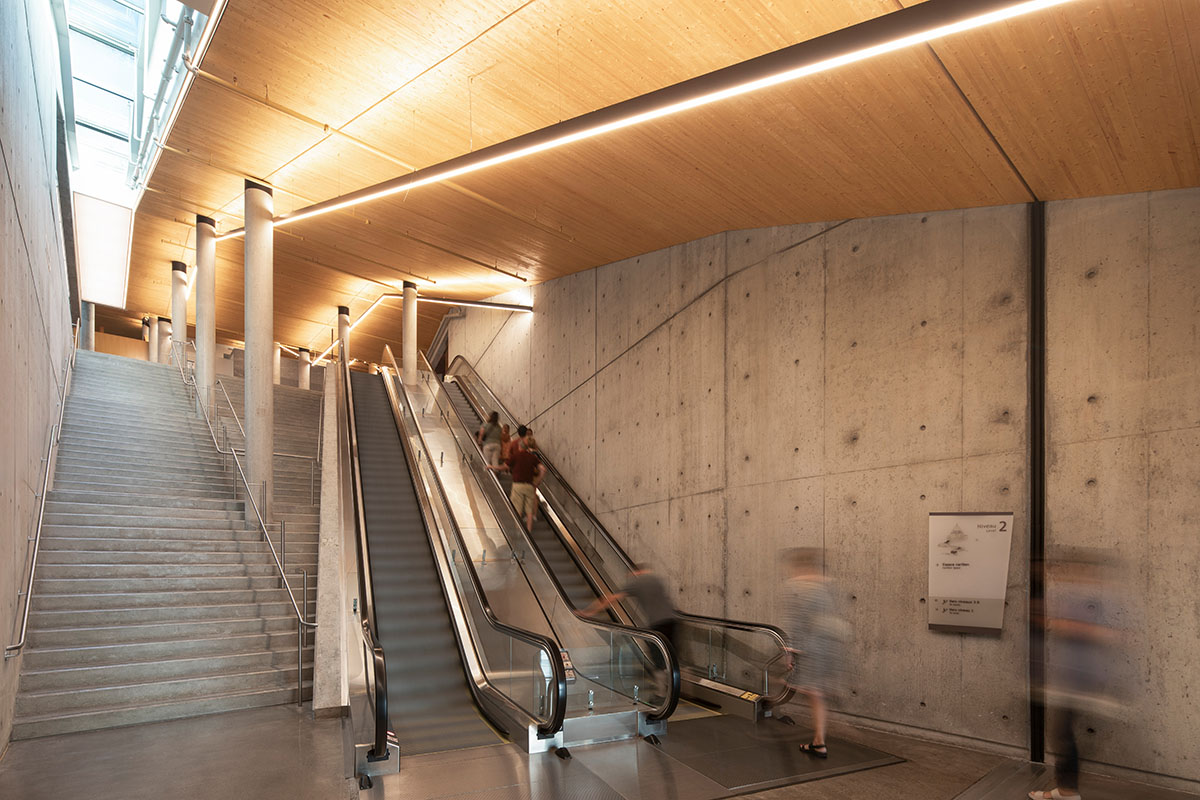
The pavilion, which has its roots in Mount Royal's topography, is an organic extension of the site's natural flow, strengthening pilgrims' ascending procession and improving accessibility for all.
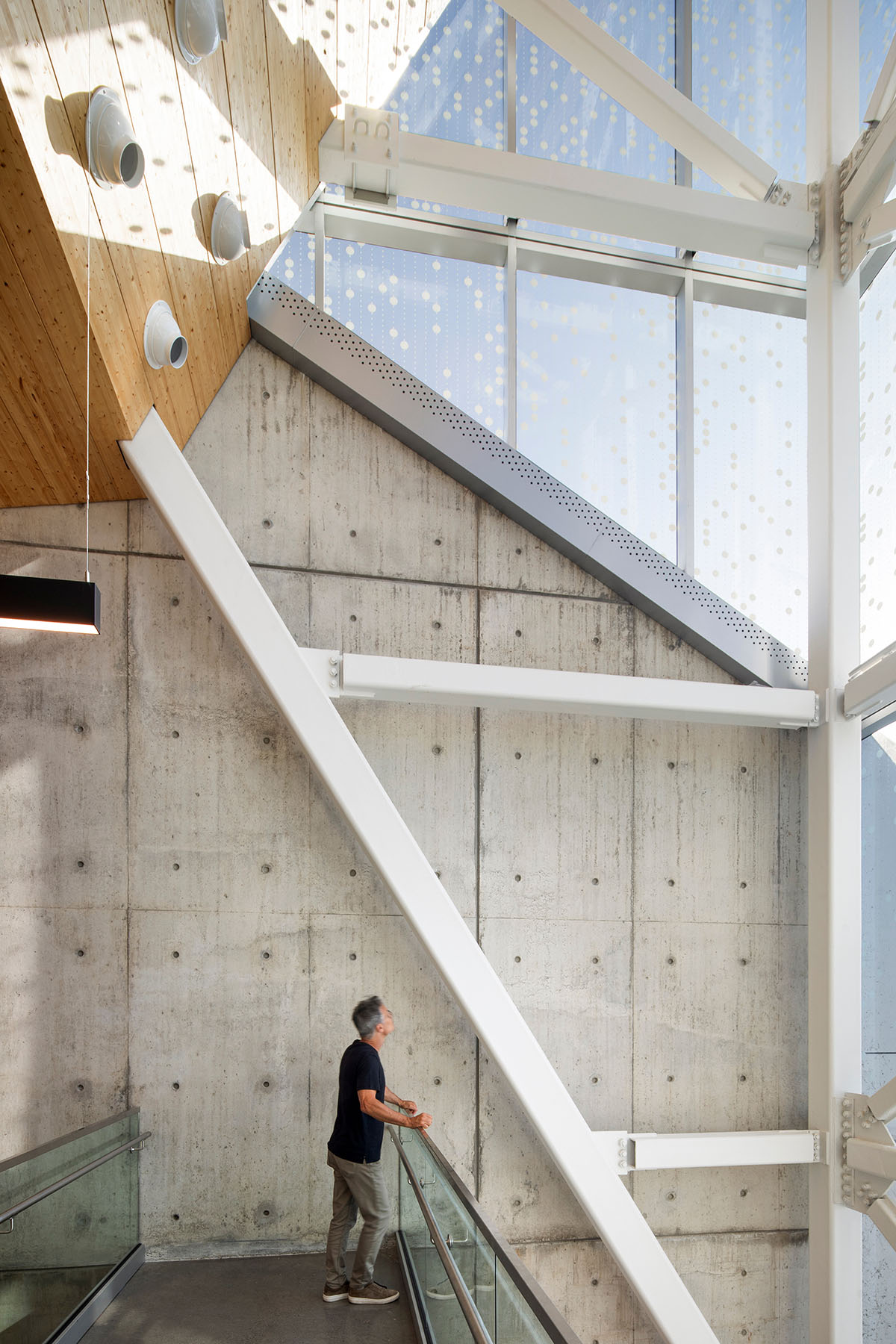
Both the pavilion's overall material palette, which pulls from the mountain itself to create a seamless connection between manmade and natural forms, and the tower's delicate balance of wood and glass, which creates an ethereal and contemplative mood, are influenced by these aural and environmental contexts: Constructed from stone that was dug from the site, gabion walls evoke the mystical qualities of stained glass and reflect the strength of the Oratory's foundation while allowing natural light to enter the areas below.
Terraced rooftops provide amazing new views of the dome and the city beyond, unfolding like natural plateaus across the terrain.
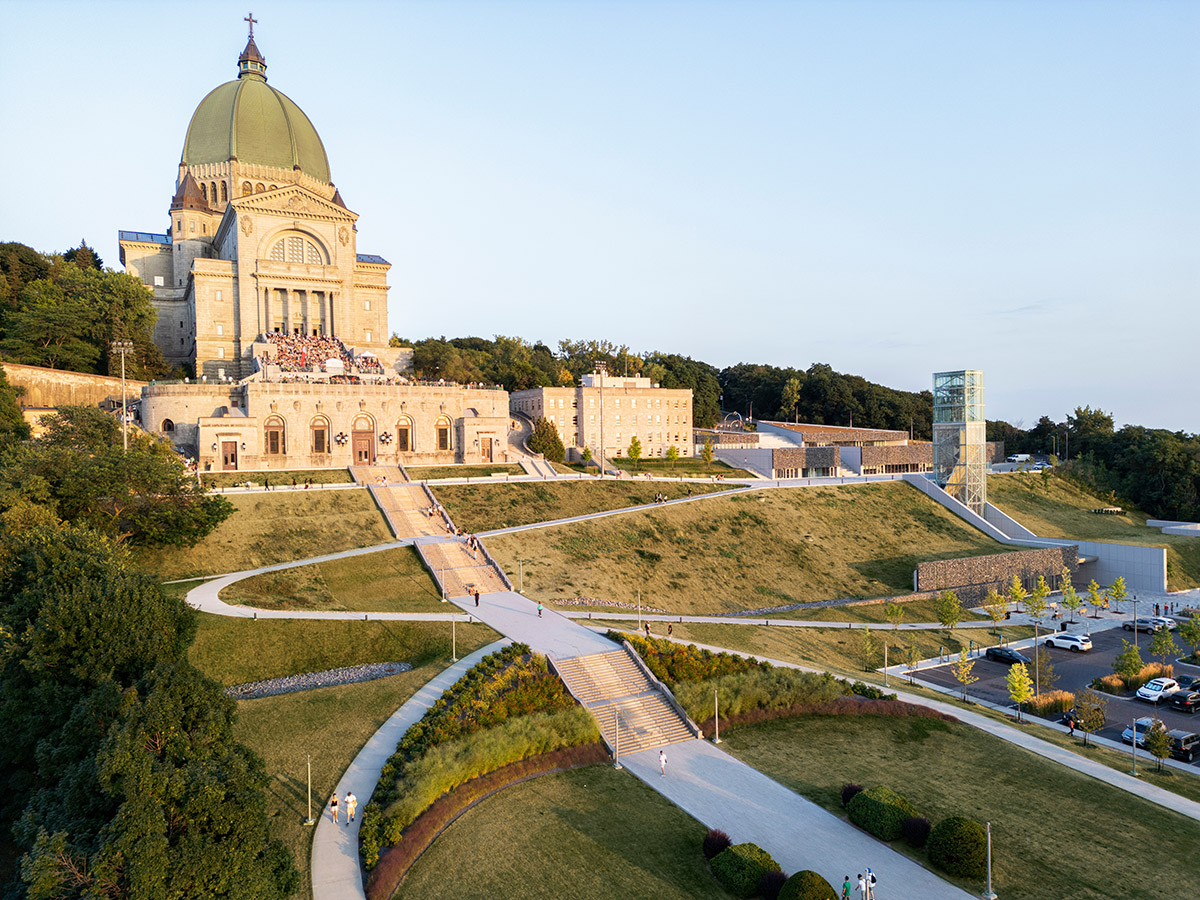
The pavilion's materiality promotes its dialogue with the mountain and is consistent with this LEED Silver certified project's larger commitment to sustainability. These tactics, which are integrated throughout the project, guarantee a low environmental effect.
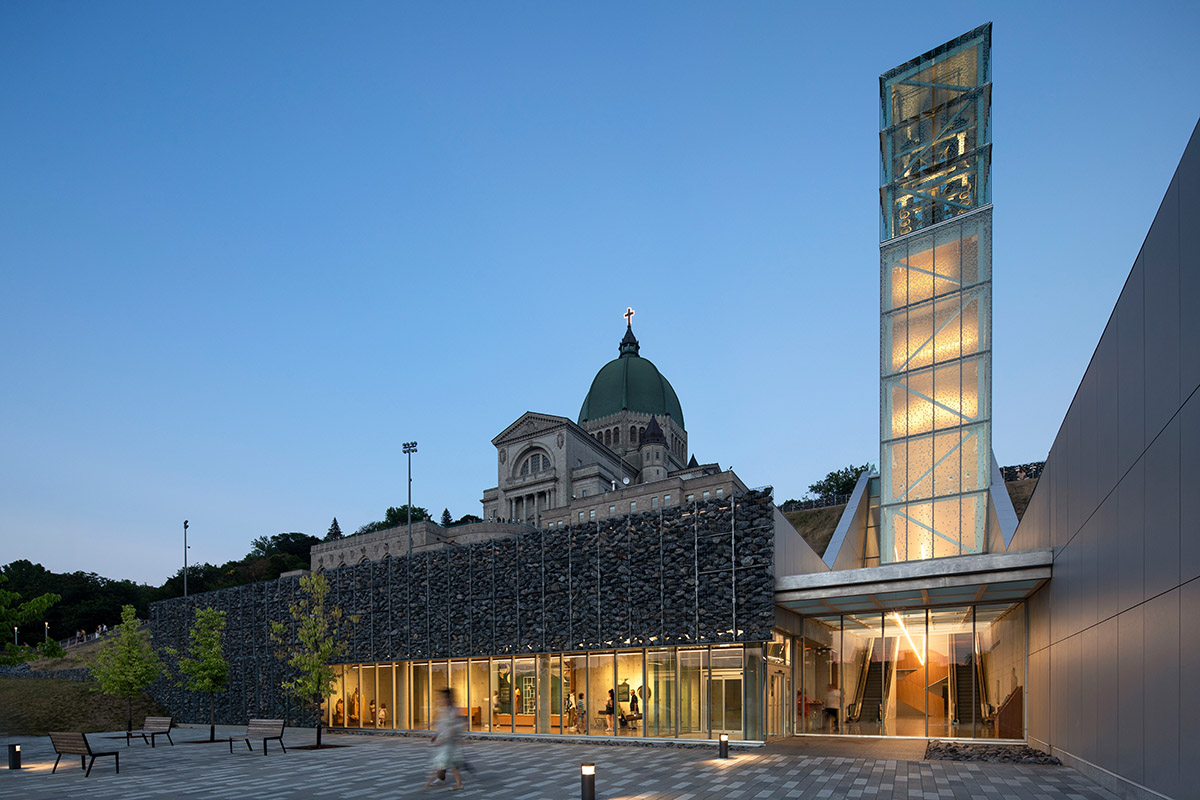
Green areas have taken the place of paved surfaces, improving biodiversity and lessening the effects of heat islands. The building's carbon footprint is decreased while maintaining the highest level of indoor comfort thanks to high-performance insulation and energy-efficient lighting and ventilation systems.
As visitors explore the pavilion, they come across a number of carefully chosen areas intended to inspire reflection, interaction, and awe. Perched far above the surroundings, the cafeteria provides expansive views that encourage periods of reflection and appreciation.
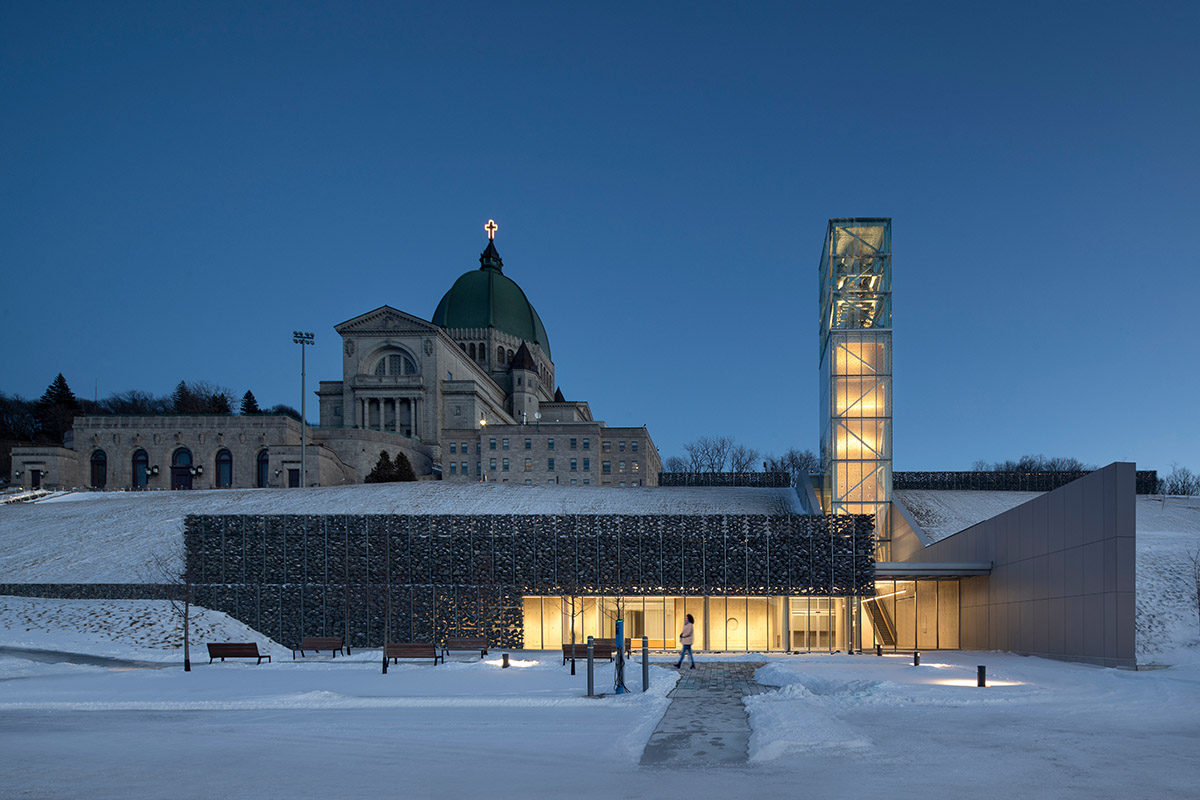
Sacred gardens and recently constructed public squares promote introspection while blending in well with the architecture of the structure.
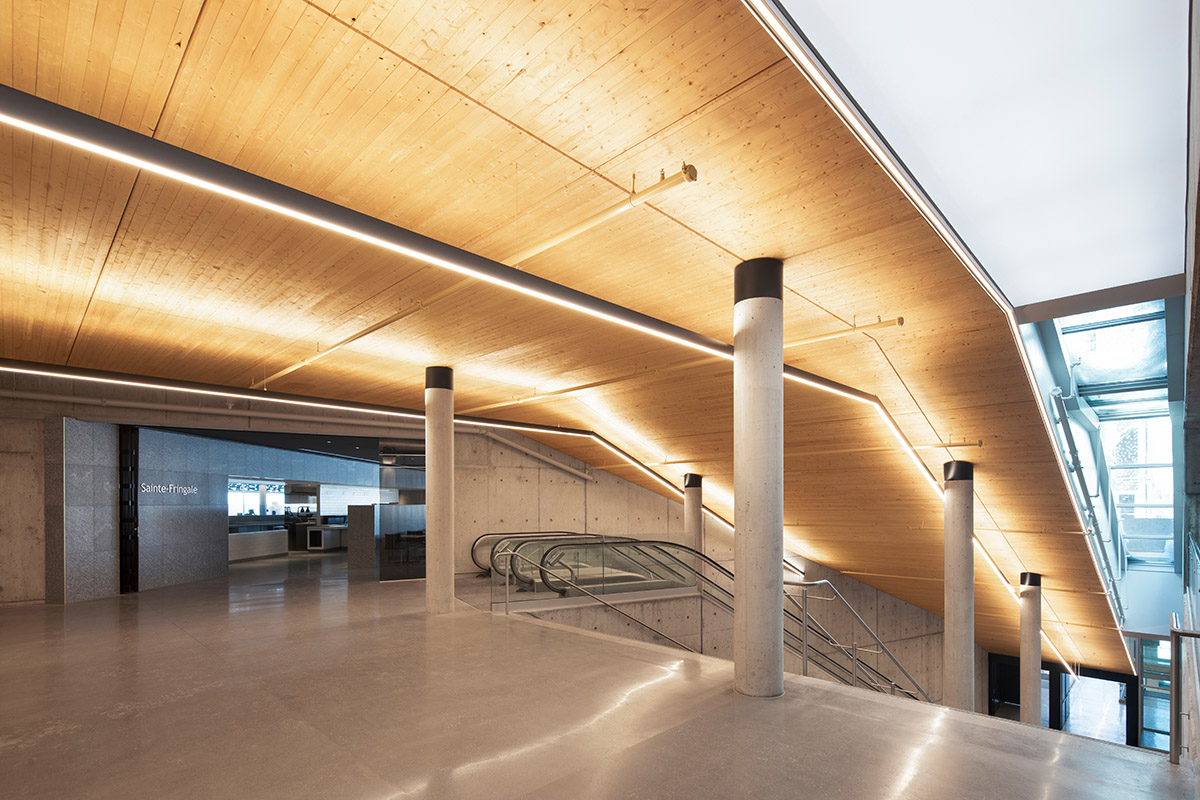
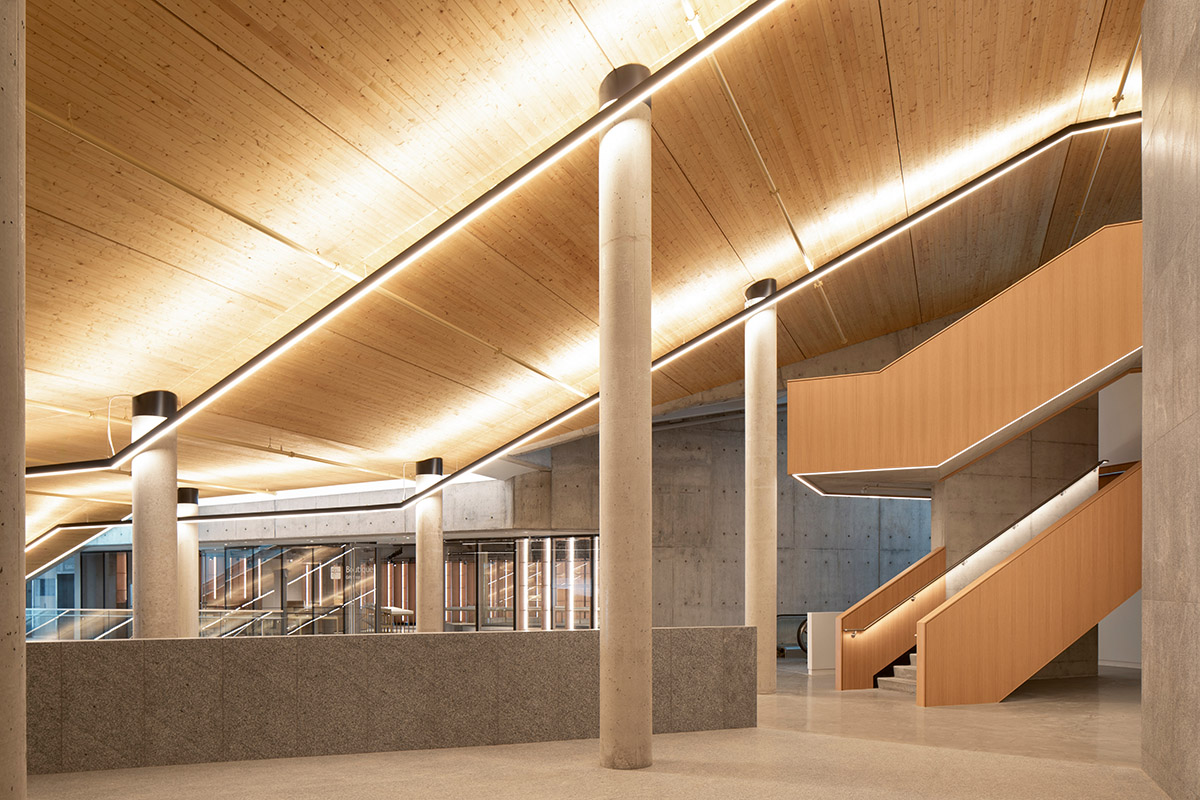
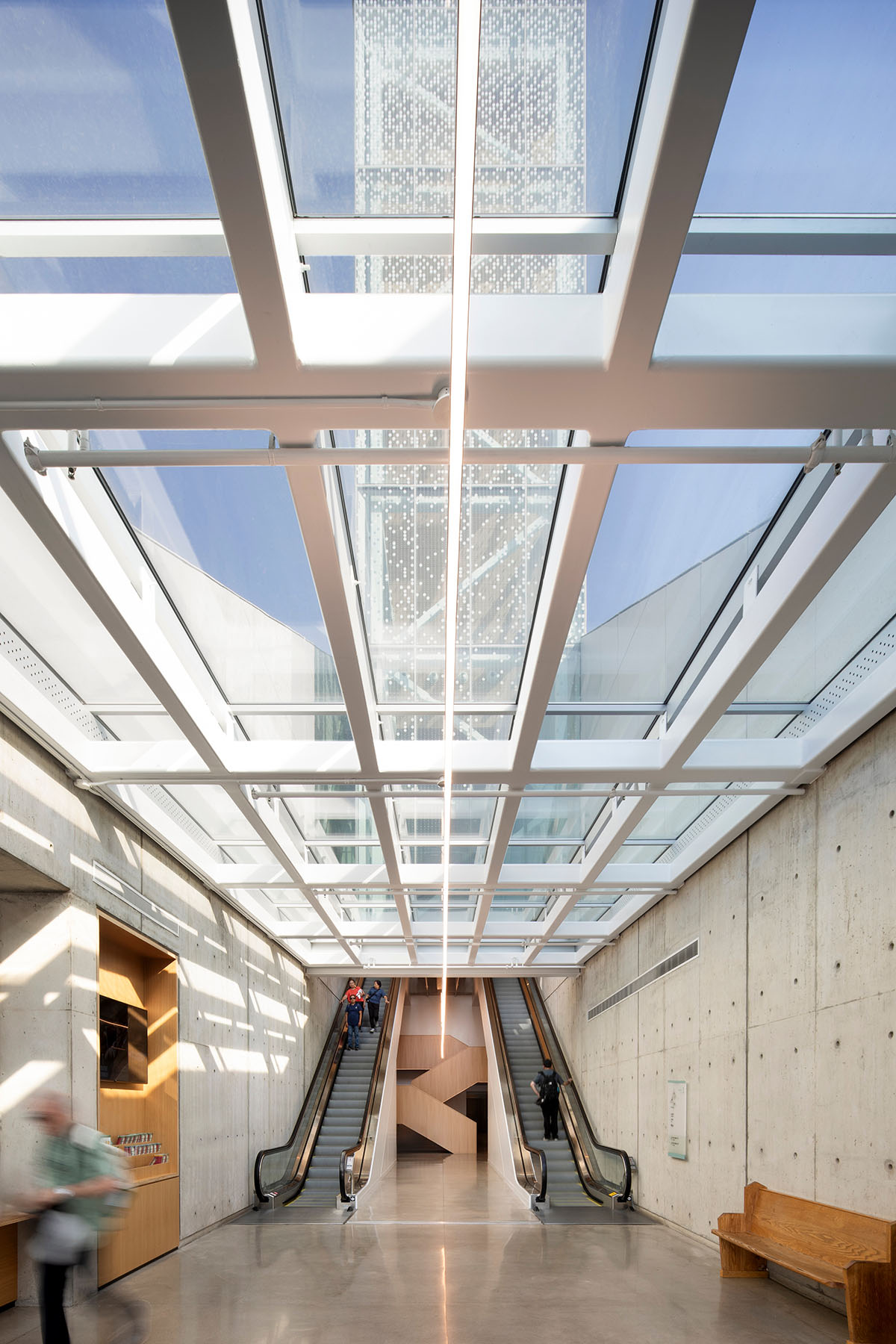
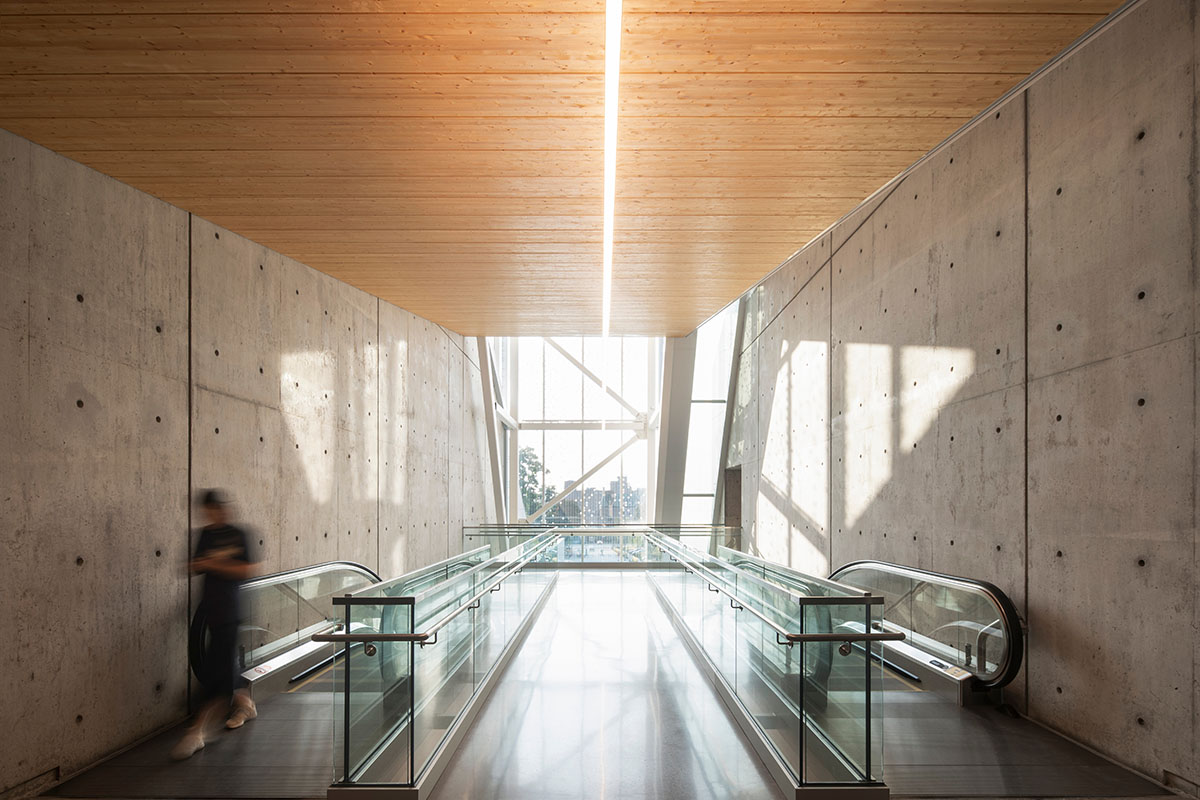
A natural flow through the room is enhanced by a rhythmic arrangement of skylights and lit ceilings that gently directs movement. By exposing bits of the surrounding context and tying the building to its surroundings and history, these openings create a dynamic interplay between the inside and external.
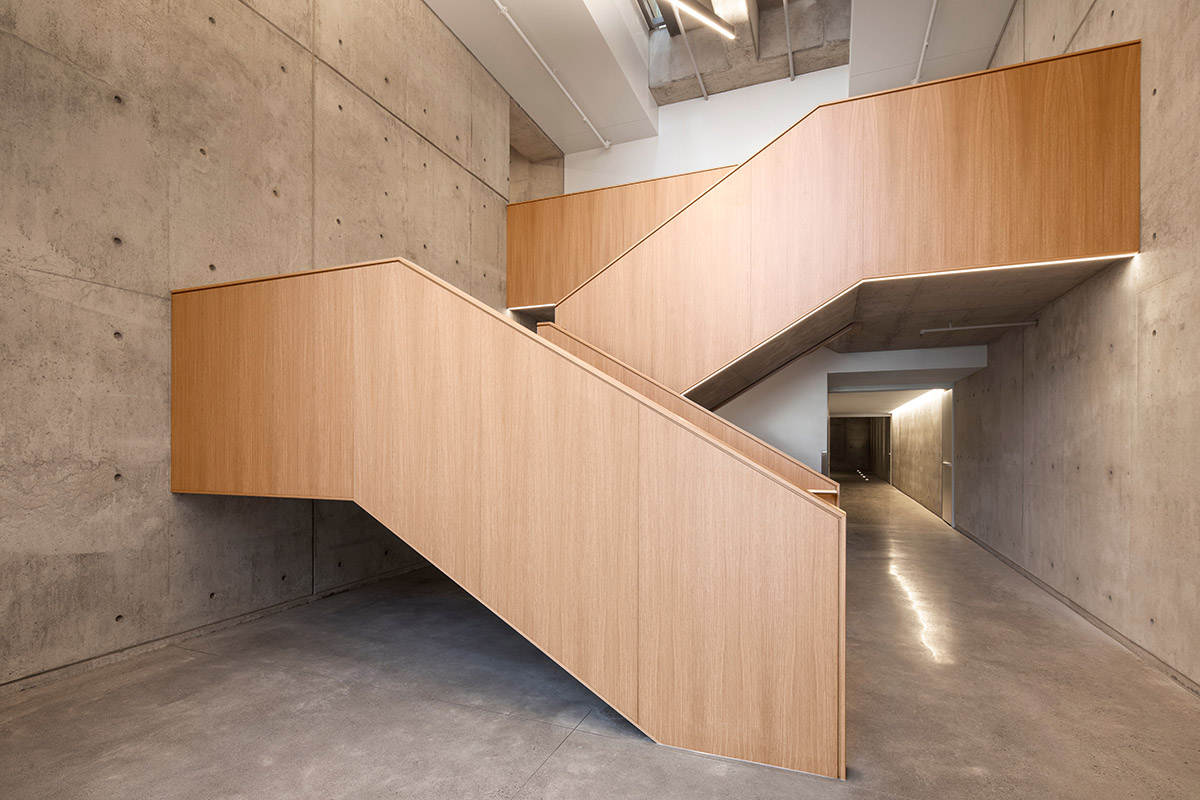
Lemay achieved a delicate balance between modern needs and the integration of cultural heritage with their innovative architectural design for Saint Joseph's Oratory.
The pavilion invites anyone seeking reflection, connection, and exploration, featuring a bright design, thoughtful material choices, and a deep respect for its surroundings. It functions both as a monument and an open gateway.
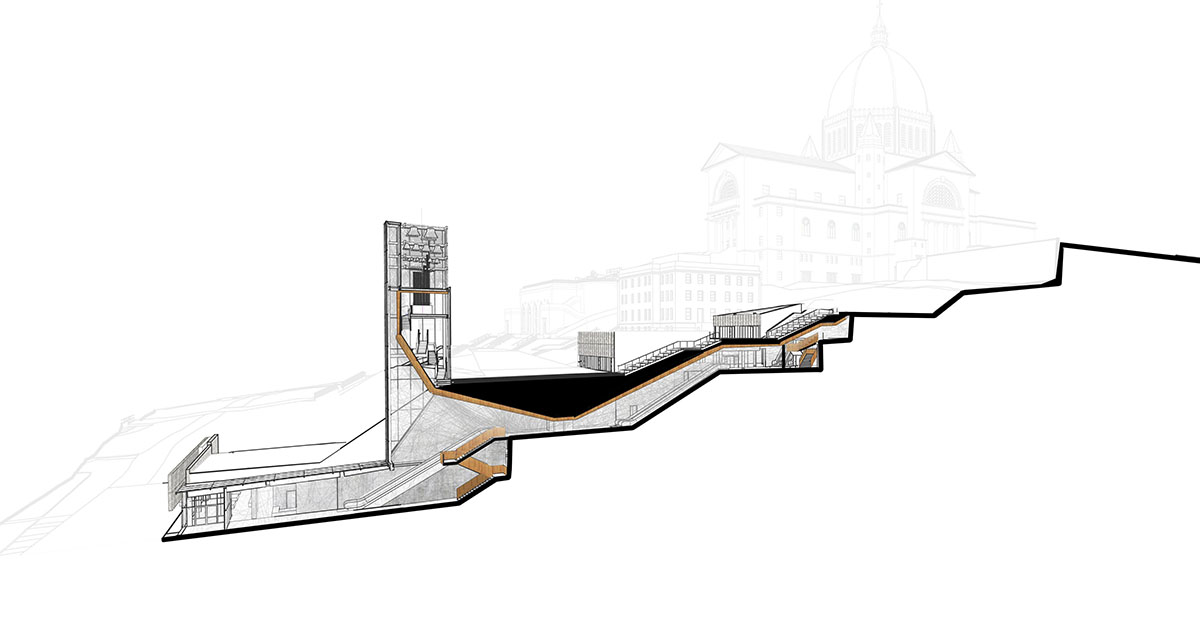
Section
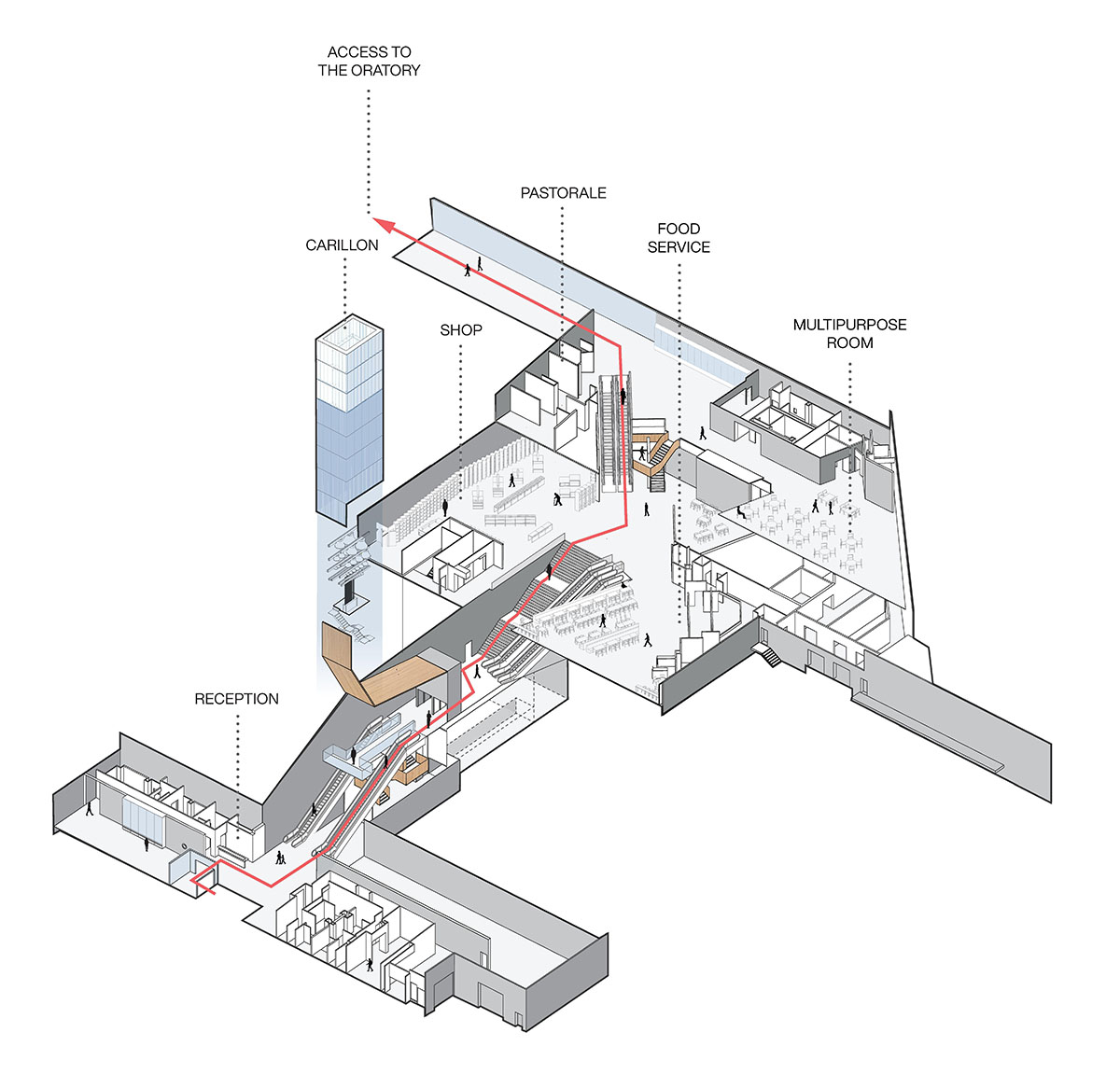
Axonometric drawing
Lemay built a product manufacturing plant in Woodstock, Ontario, which has opened a new chapter for eco-conscious manufacturing. In addition, Lemay and Canadian architect Douglas Cardinal revealed design for a new mixed-use scheme in Old Montreal, Canada.
Since 1957, Lemay has been dedicated to designing spaces that engage users and foster community connections. With a team of over 400 architects, designers, industry leaders, and change-makers, we strive to cultivate innovation in local environments and communities around the globe.
Project facts
Project name: Saint Joseph’s Oratory of Mount Royal Welcome Pavilion
Architecture: Lemay
Location: Montreal, QC, Canada
Landscape architecture: Version Paysage
Mechanical and electrical engineering: BPA
Structural engineering: ELEMA experts-conseils
Civil engineering: MHA
Vertical transportation consultant: KJA
Construction manager: Pomerleau
Carillon consultant: Patrick Macoska
Exterior lighting: Ombrages
Completion year: 2025
All images © Adrien Williams.
All drawings © Lemay.
> via Lemay