Submitted by WA Contents
Carlo Ratti Associati and late Italo Rota create carbon fiber museum in the heart of Italy’s Motor
Italy Architecture News - Jan 13, 2026 - 06:20 2909 views

One of the biggest archives in the world dedicated to the science of carbon fiber has been transformed into a dynamic, living museum by CRA-Carlo Ratti Associati in collaboration with the late Italo Rota.
The project, which was commissioned by MAE in the center of Italy's Motor Valley, recasts the archive as a place for interactive inquiry by fusing research and education with archival preservation.
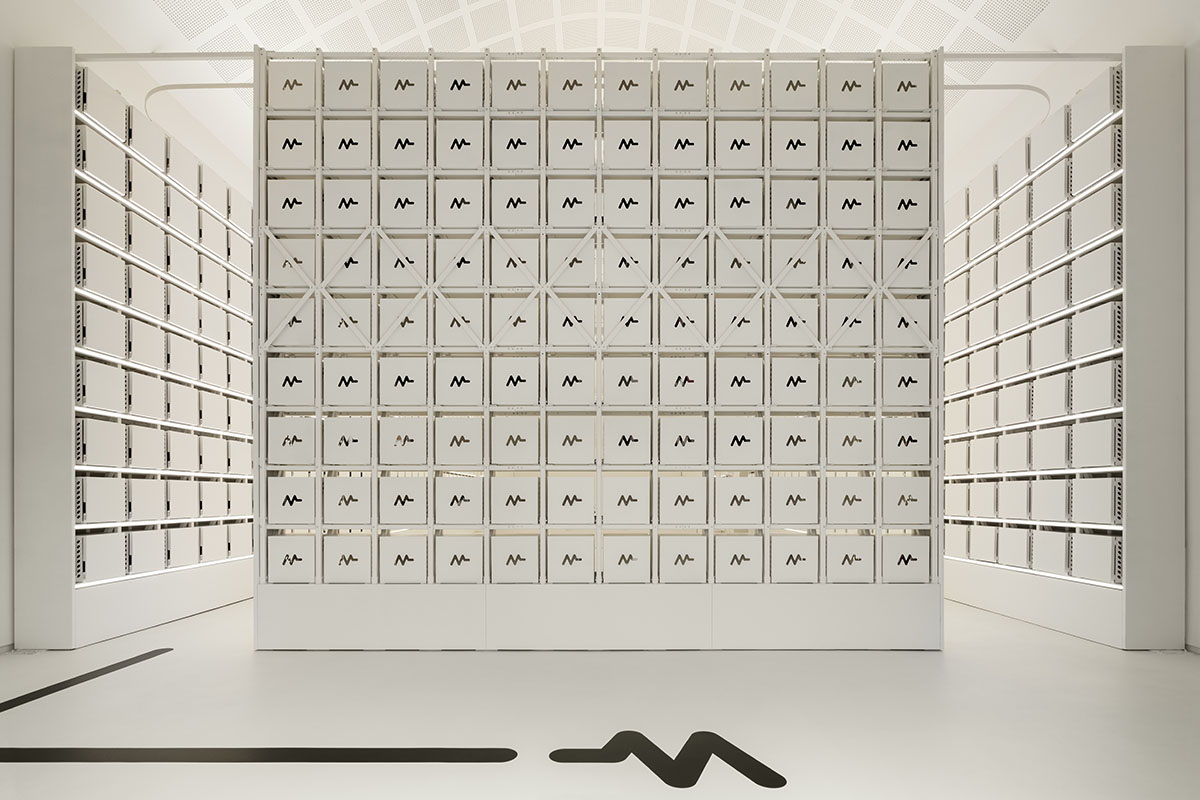
Called MAE Museum, a living museum, dedicated to carbon fiber, was designed for MAE, the world’s leading manufacturer of equipment for carbon fiber production, the project reimagines the company’s extraordinary archive into a space for exploration and discovery. Situated in Fiorenzuola d’Arda, in the heart of Italy’s Motor Valley, the museum is now open to the public.

Carbon fiber has been used in jet engines, supercars, motorcycles, airplanes, medical equipment, and many other things throughout the past few decades. However, few individuals are aware of its manufacturing process.
The MAE Museum enables visitors to go beyond that level of understanding and discover how a common polymer—acrylic fiber, which is similar to that used in clothing—gave rise to one of the key materials of our time.

The journey begins with MAE's archive, which houses some of the most valuable intellectual property in the world pertaining to acrylic fiber manufacture.
The carbon atoms in this fiber align into an extremely strong lattice when heated and oxidized, giving the material its exceptional strength-to-weight ratio. This fiber is the precursor to carbon fiber.

The museum's archive, which consists of a landscape of boxes, creates an interactive 3D matrix that is supplemented by digital overlays, enabling academics and visitors to examine MAE's distinctive collection of intellectual property and industrial innovation. The archive turns into a living museum where people can read, ask questions, and exchange ideas.
The journey continues in the Carbonization Tunnel, where light and heat repeat the process of turning acrylic fiber into carbon fiber. In this case, the carbonization process is transformed into a multisensory experience through the use of architecture as a medium for these forces: pressure, compression, and release.
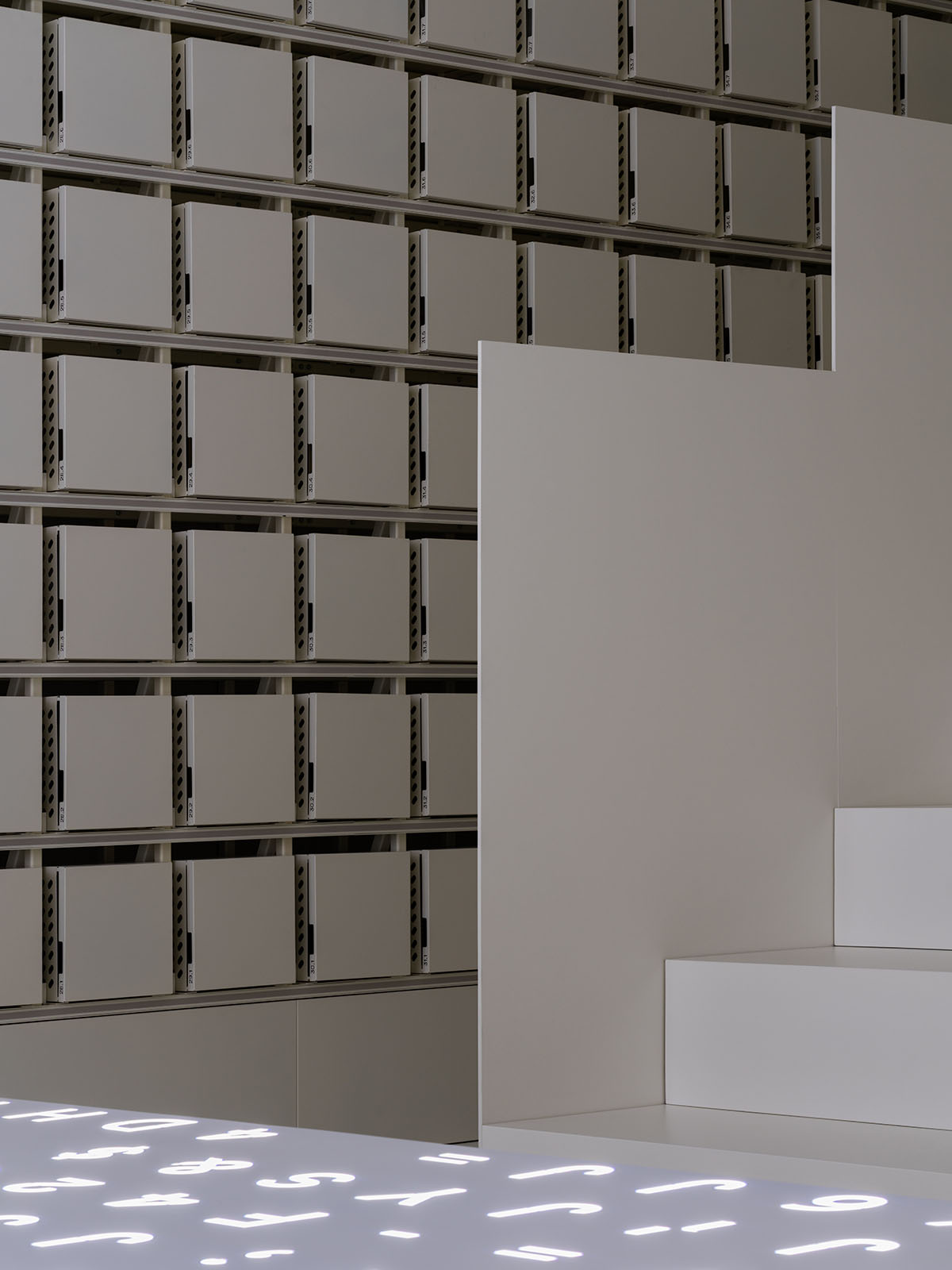
The museum becomes a living laboratory by being connected to ongoing research through real-time data from MAE's test facility.
Additionally, an immersive area where a full mock-up of a production factory comes to life beneath augmented realities projected from above reveals the furthest reaches of carbon fiber's possibilities.
Interactive artifacts and prototypes showcasing cutting-edge carbon fiber applications, from wind turbines and aerospace components to next-generation automobiles, are on display in the final exhibit.
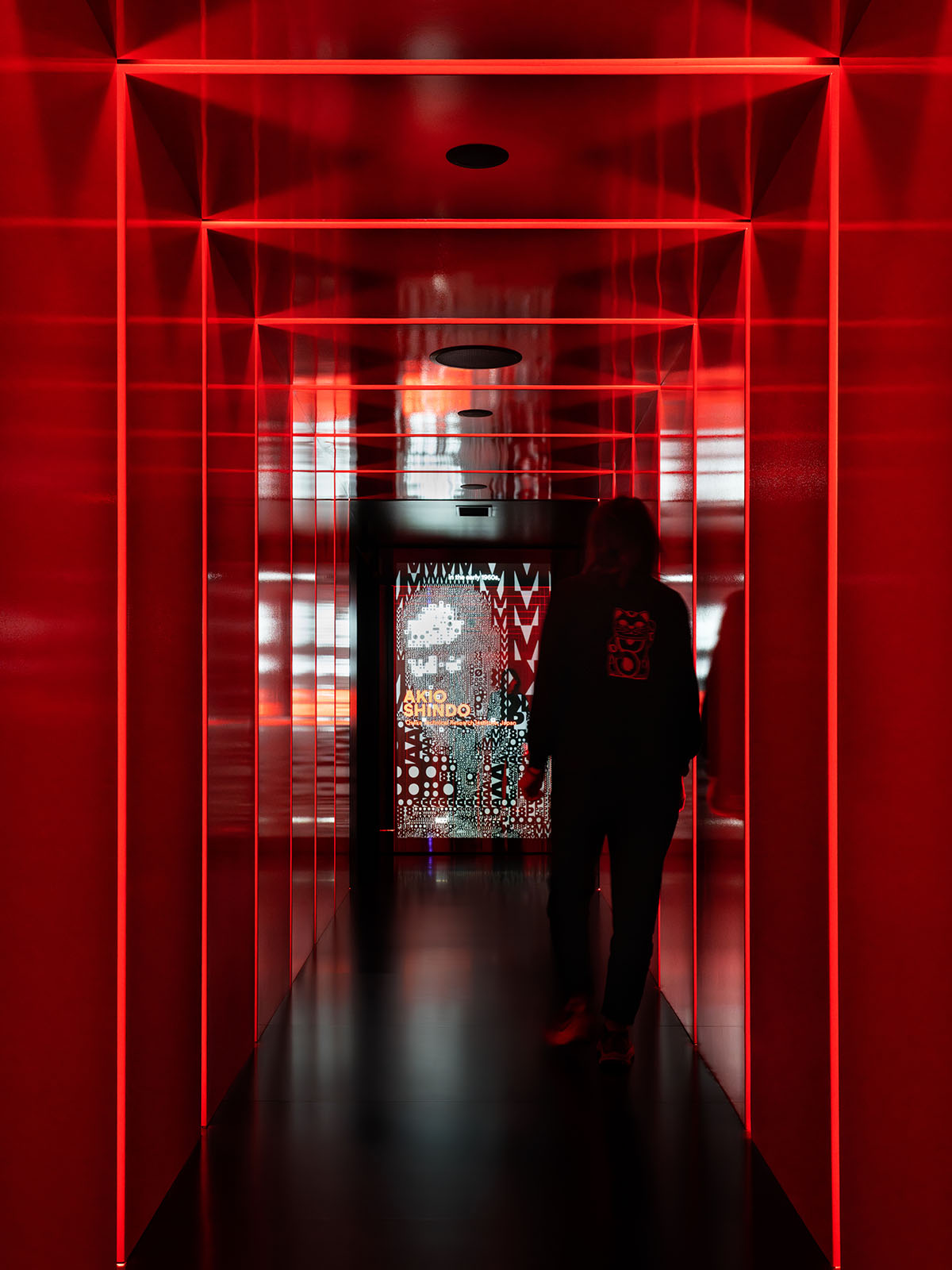
Maestro Technologies, whose evolving goal is to rethink how we create, is also responsible for the unique digital fabrication used in the museum's interior structures, fixtures, and furnishings.
The museum serves as both a showpiece and a testing ground for the company's innovative software, which connects design and construction.
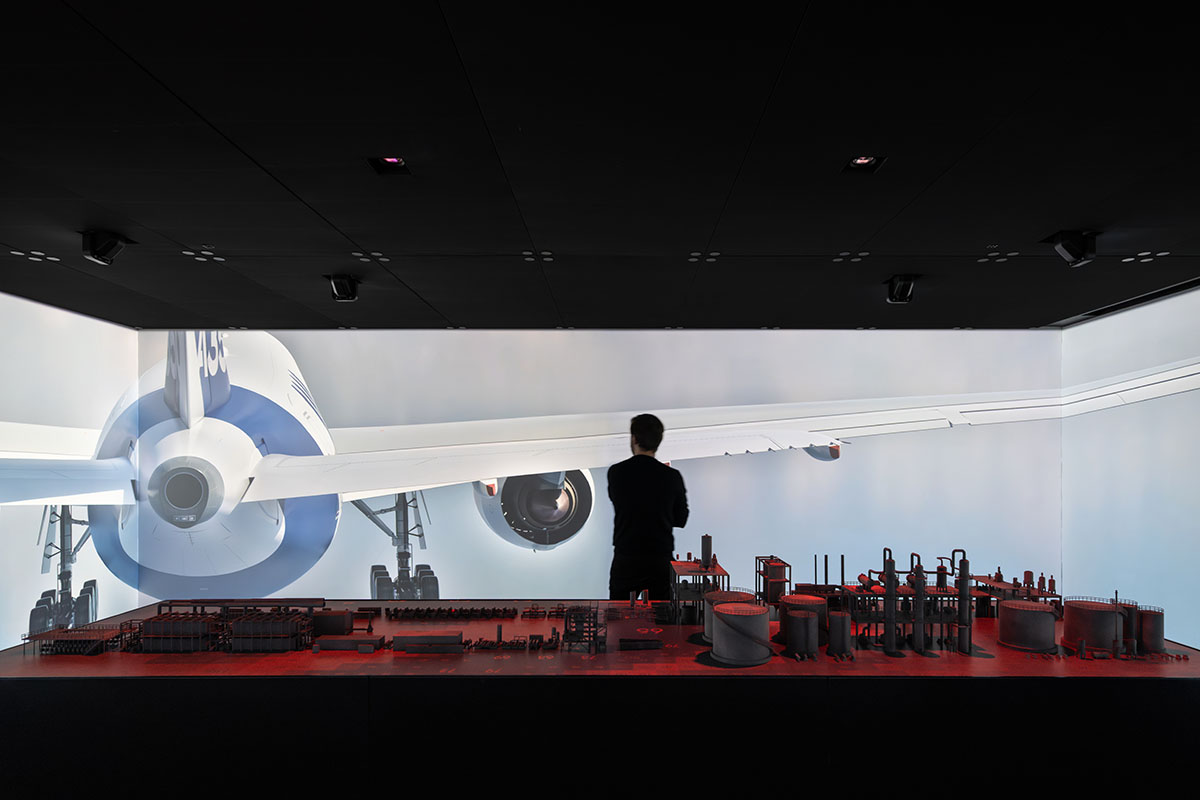
Studio Michbold created the immersive multimedia environment, which uses sound, video, and spatial lighting to lead visitors through the museum's story of material transformation and industrial history.
Voices range from pioneering engineers like Marco Rovellini, who explain the carbonization process, to narrators retracing the Emilia-Romagna oil fields. Scientific procedures are turned into a dynamic audiovisual experience with its unique projection system, scenography, and narrative choreography.

"Archives often rest in silence, yet they contain a quiet power," said Carlo Ratti, professor at MIT and Politecnico di Milano, founding partner at CRA, and Director of Venice’s Biennale Architecture 2025.
"We loved the idea of transforming a secret archive into a living museum, a place where past knowledge can be explored and ignite new paths of future innovation," Ratti added.

"MAE Museum stems from the strong will to enhance MAE S.p.A.’s archive, as well as our heritage of ideas and productions, which have accompanied the transformations of society. Through this project, we aim at raising awareness regarding the crucial role of Italy’s industrial players in supporting the country's growth, not solely from an economic perspective, but also from the cultural and social standpoints," explained Paola Rovellini, CFO of MAE SpA and Director of the MAE Museum.

"The opening of the museum, coming after years of passionate work, is both a milestone and a starting point. Our goal, now, is to increasingly integrate with communities, institutions, and universities to explore how the constantly evolving technological progress is itself culture… and a gateway to the future," Rovellini added.


A number of museums and cultural venues created in partnership with Italo Rota and CRA are carried on by the MAE Museum.
The MEET Digital Culture Center in Milan, AGO Modena, the largest cultural center under development in Southern Europe, and the 19th International Architecture Exhibition of La Biennale di Venezia, which Carlo Ratti curated, are examples of prior collaborative initiatives.
Project facts
Architectural Design: CRA-Carlo Ratti Associati and Italo Rota
CRA team: Carlo Ratti, Andrea Cassi (partner-in-charge), Chiara Morandini (Project Manager), Iratxe De Dios, Francesco Rabuffetti, Ina Sefgjini, Anna Spaggiari, Gary Di Silvio (graphics team), Pasquale Milieri (graphics team)
Construction and Technical Fit-out: Maestro Technologies (Mykola Murashko, Sara Zampieron, Kohei Nakajima, Julio Ramirez, Corrado Castiglioni), Bragoli Costruzioni
Museum Curation: Italo Rota, michbold, Macro
Structures: Ingembp
MEP Systems: Projema
Acoustics: Onleco
Graphic Design, Visual Identity, and Multimedia Installations: michbold + Macro
Multimedia Production and Interactive Installations: Zebra
Lighting Design: Light Follows Behaviour
Sound Design: Lorenzo Montanà, Medora
"Aufschwung" Installation Design: Flavio Manzoni
All images © Giuseppe Miotto / Marco Cappelletti Studio.