Submitted by WA Contents
IAAC students built an ecological shelter that helps fight wildfires in the Pyrenees
Spain Architecture News - Mar 20, 2026 - 05:01 51792 views
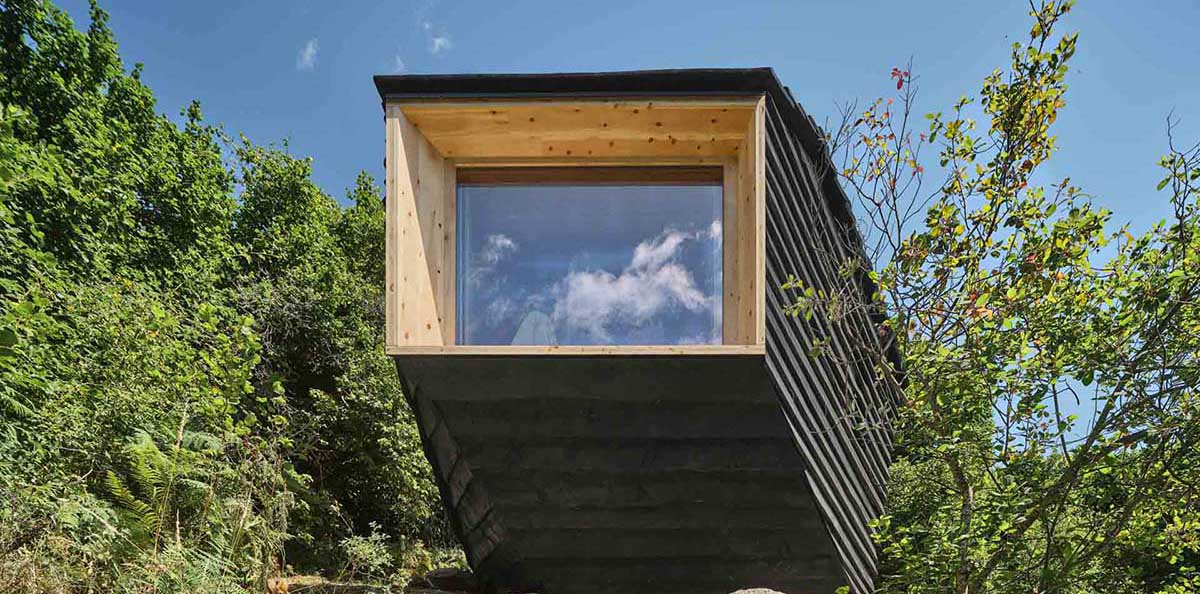
As part of the Bio for Piri project, the 2025 cohort of IAAC's Master in Ecological Architecture and Advanced Construction created and constructed the 20 square meters experimental timber cabin, titled as Forestone Cabin.
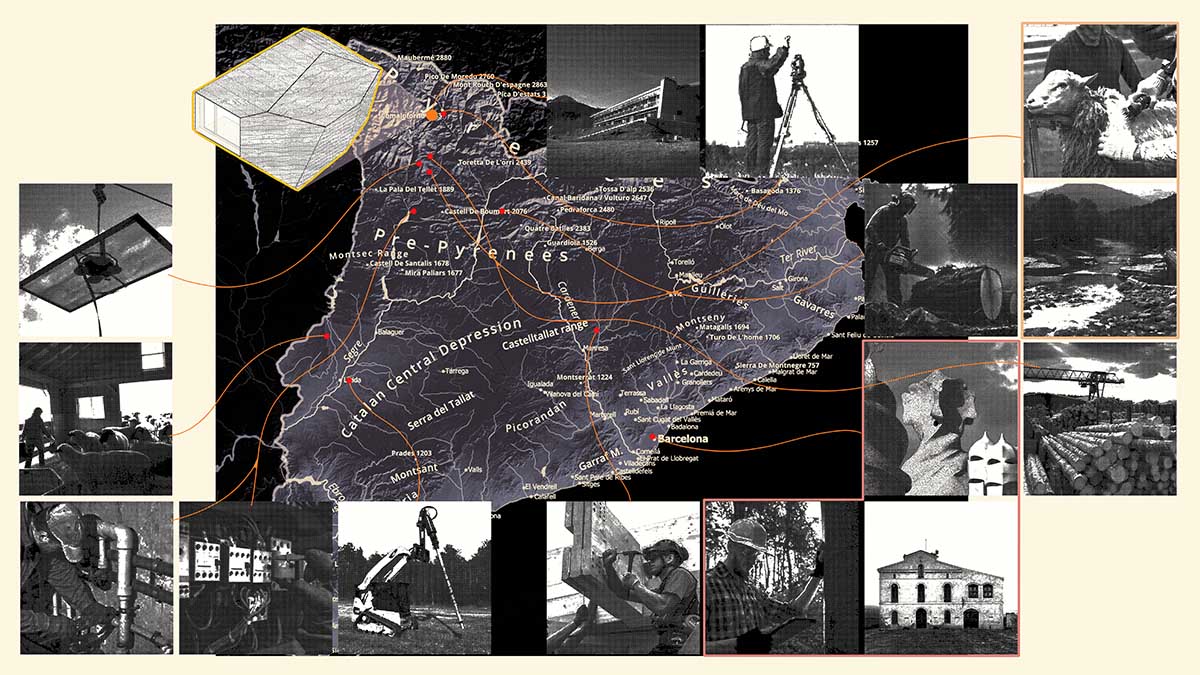
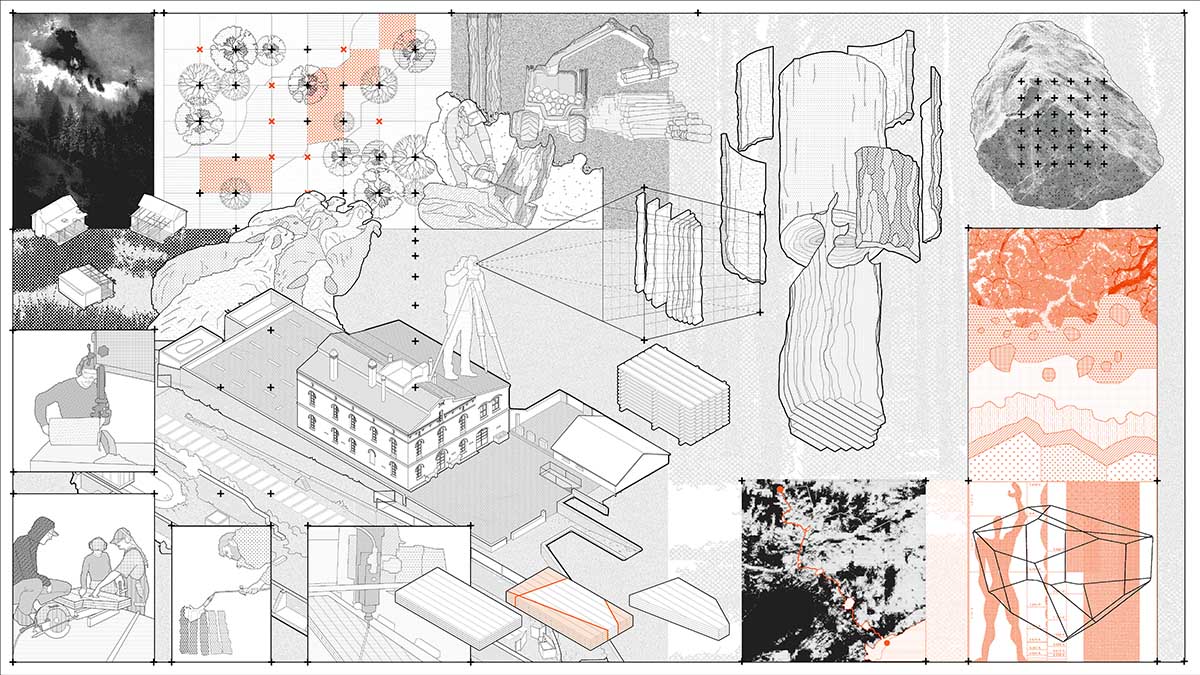
This project, which is run by the Fundació Catalunya La Pedrera and supported by the Biodiversity Foundation using European Next Generation funds, encourages the sustainable use of local timber from Pyrenean forests, particularly in Alinyà (Lleida), and regenerative forestry.
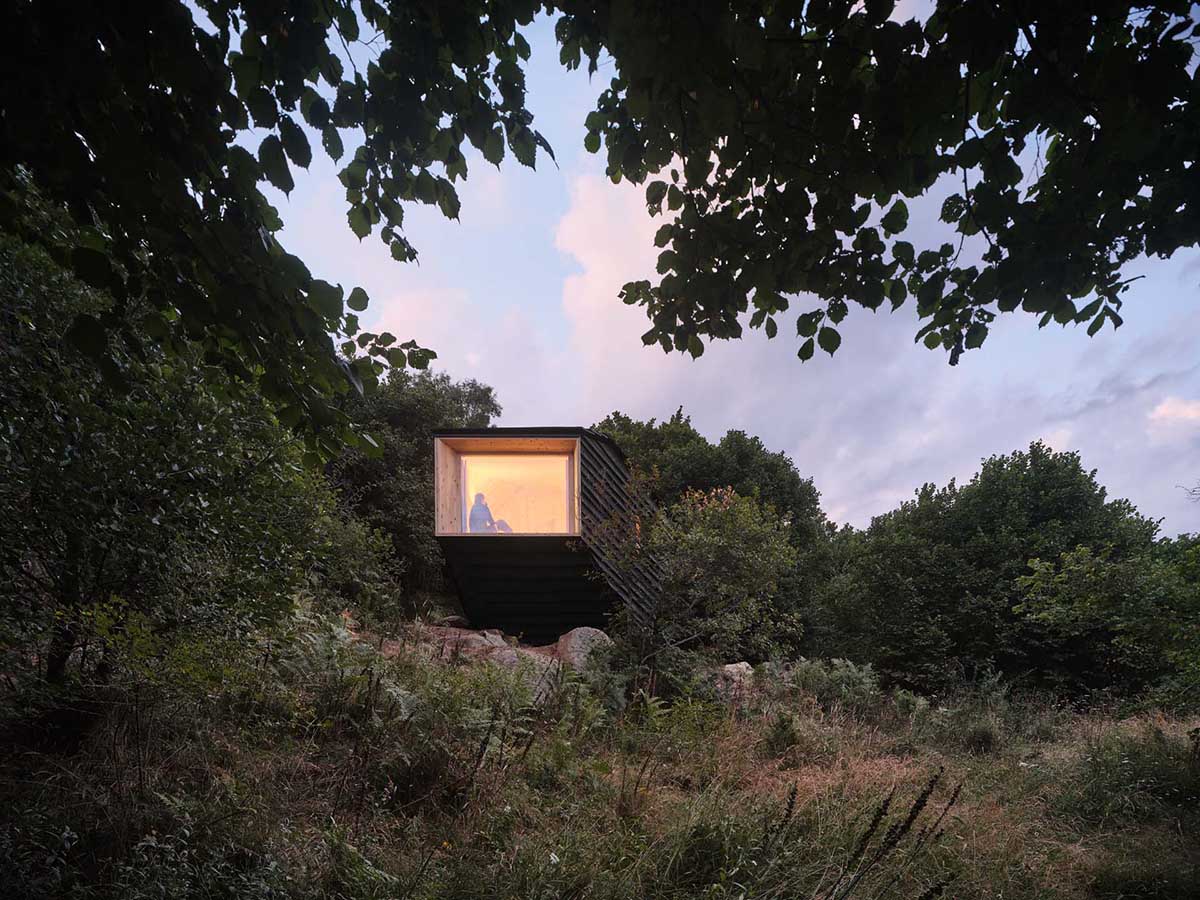
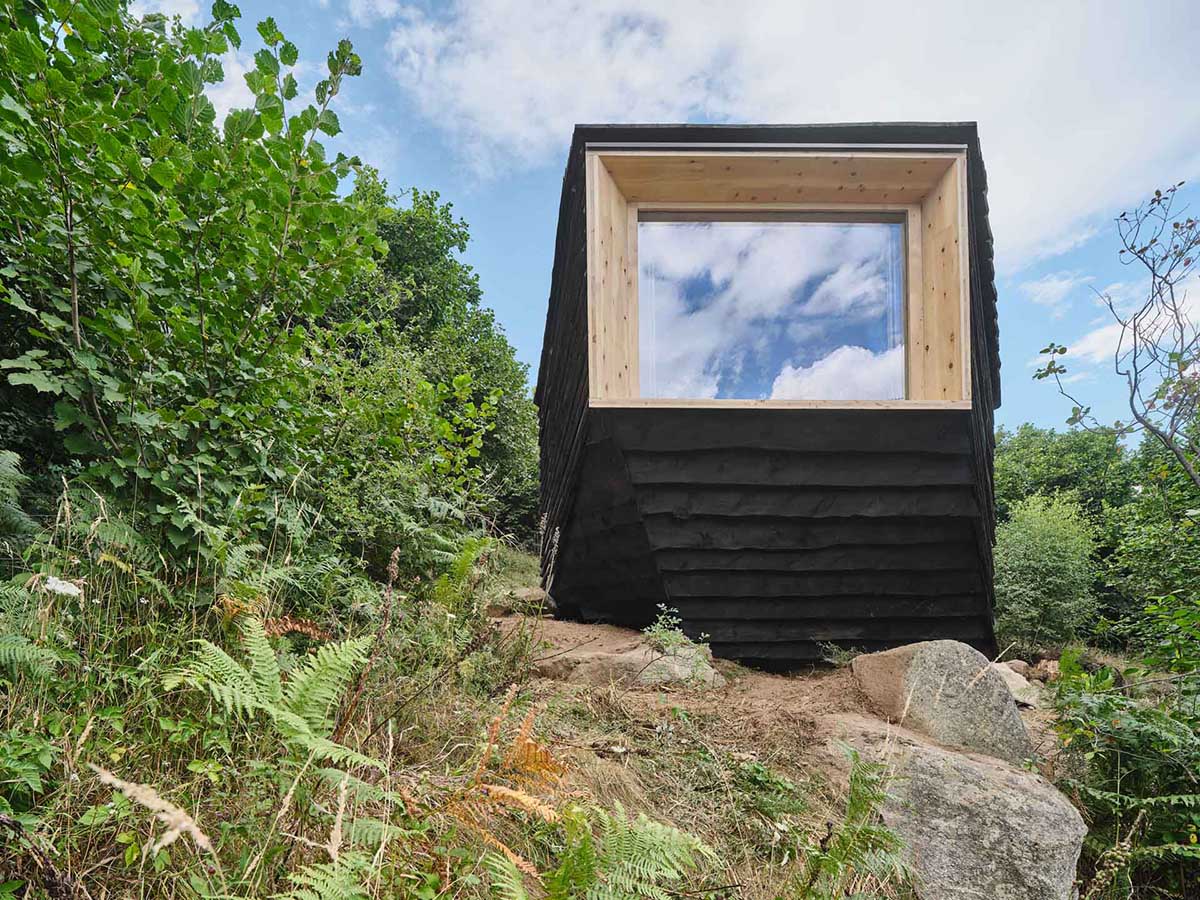
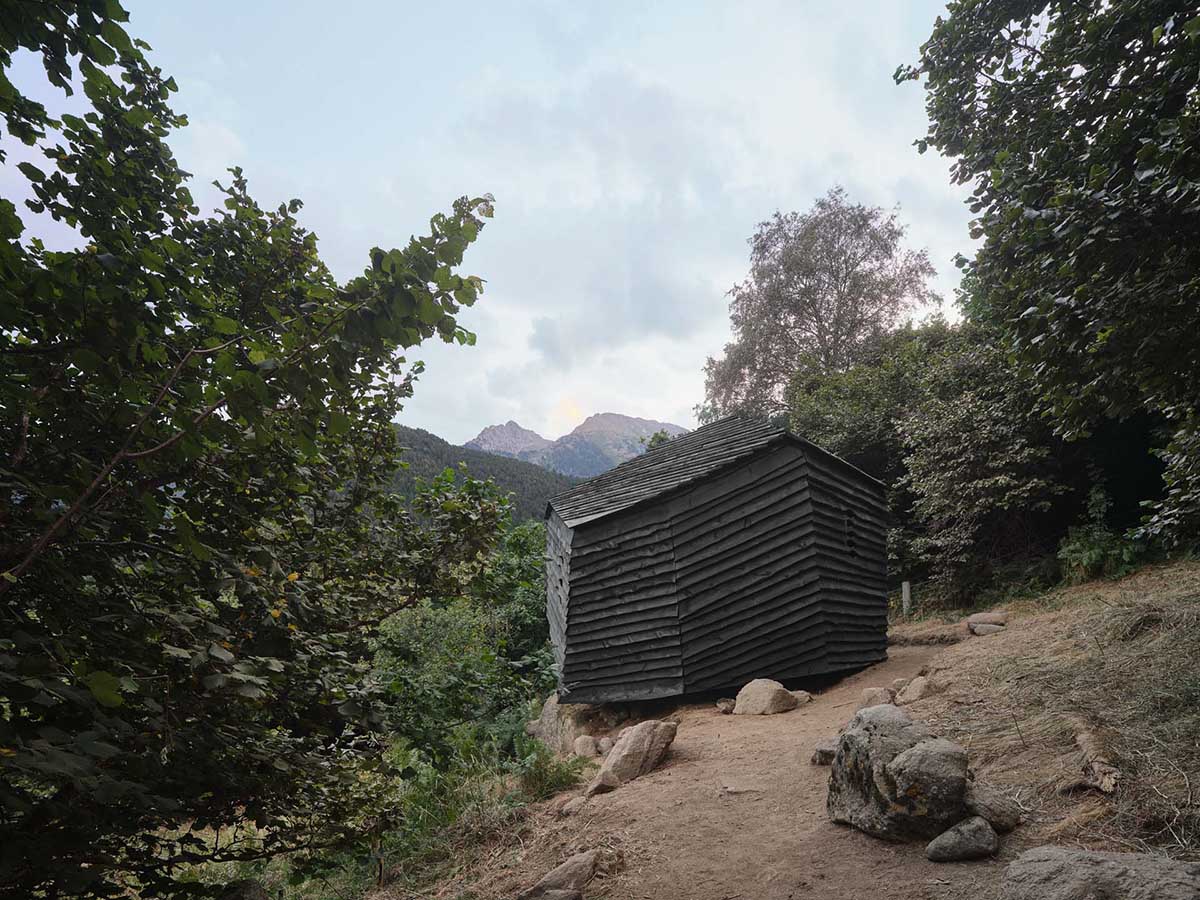
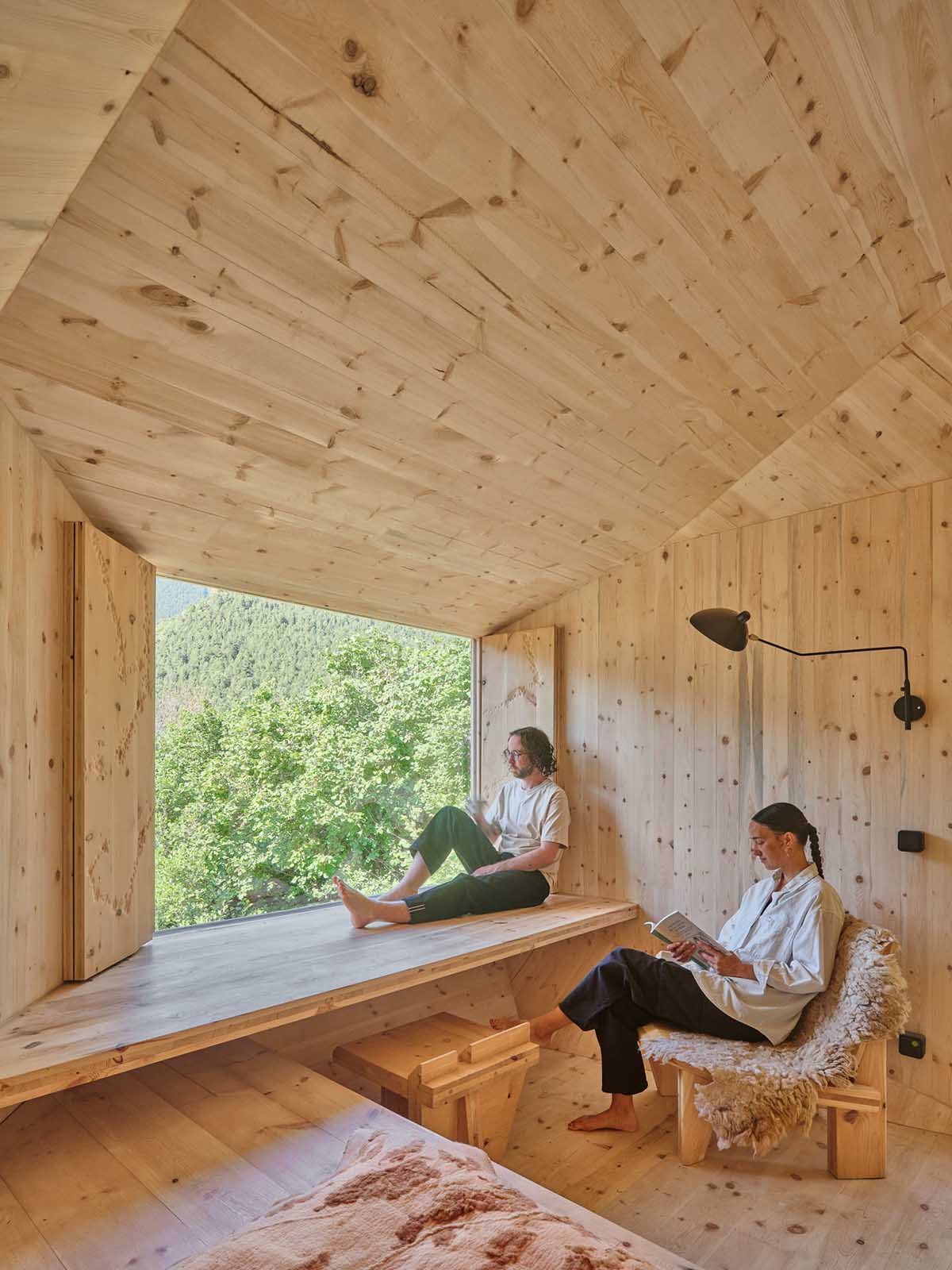
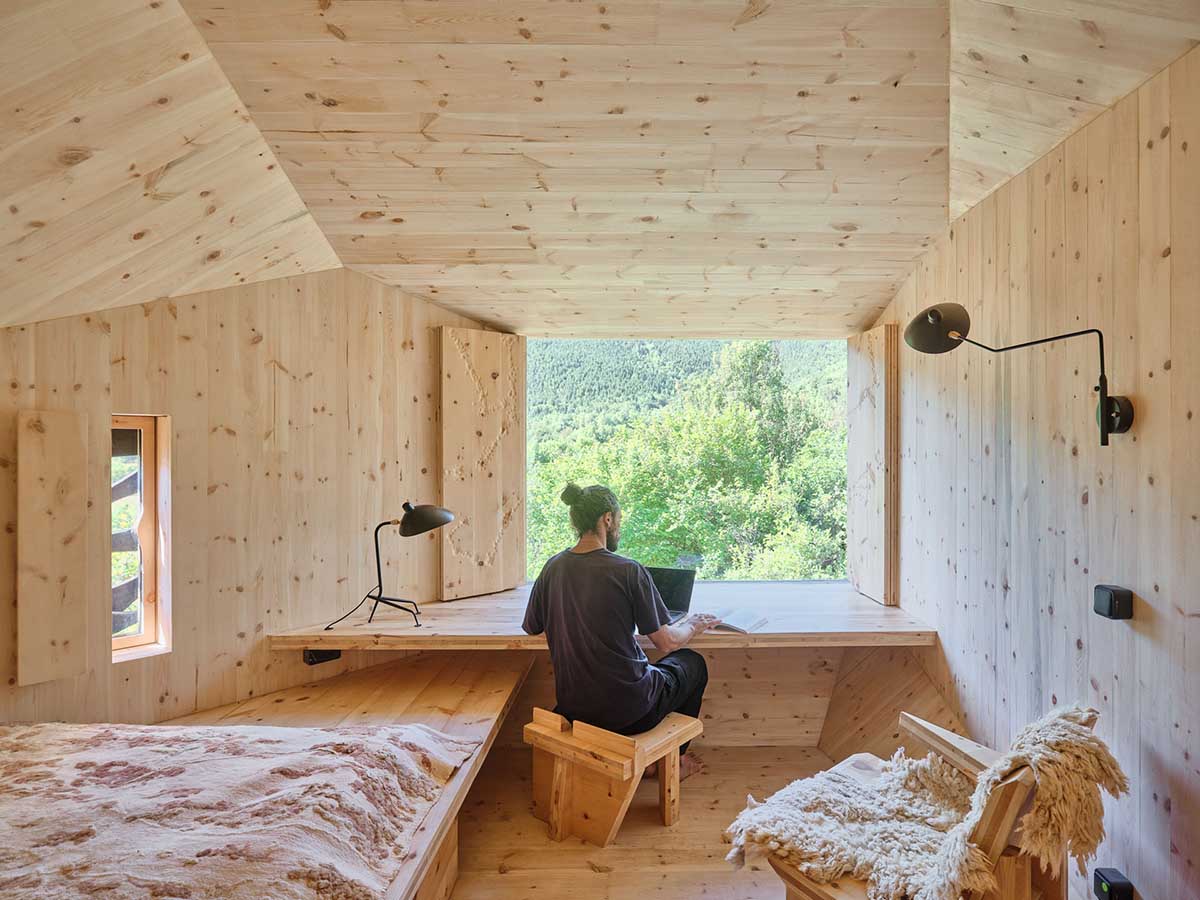
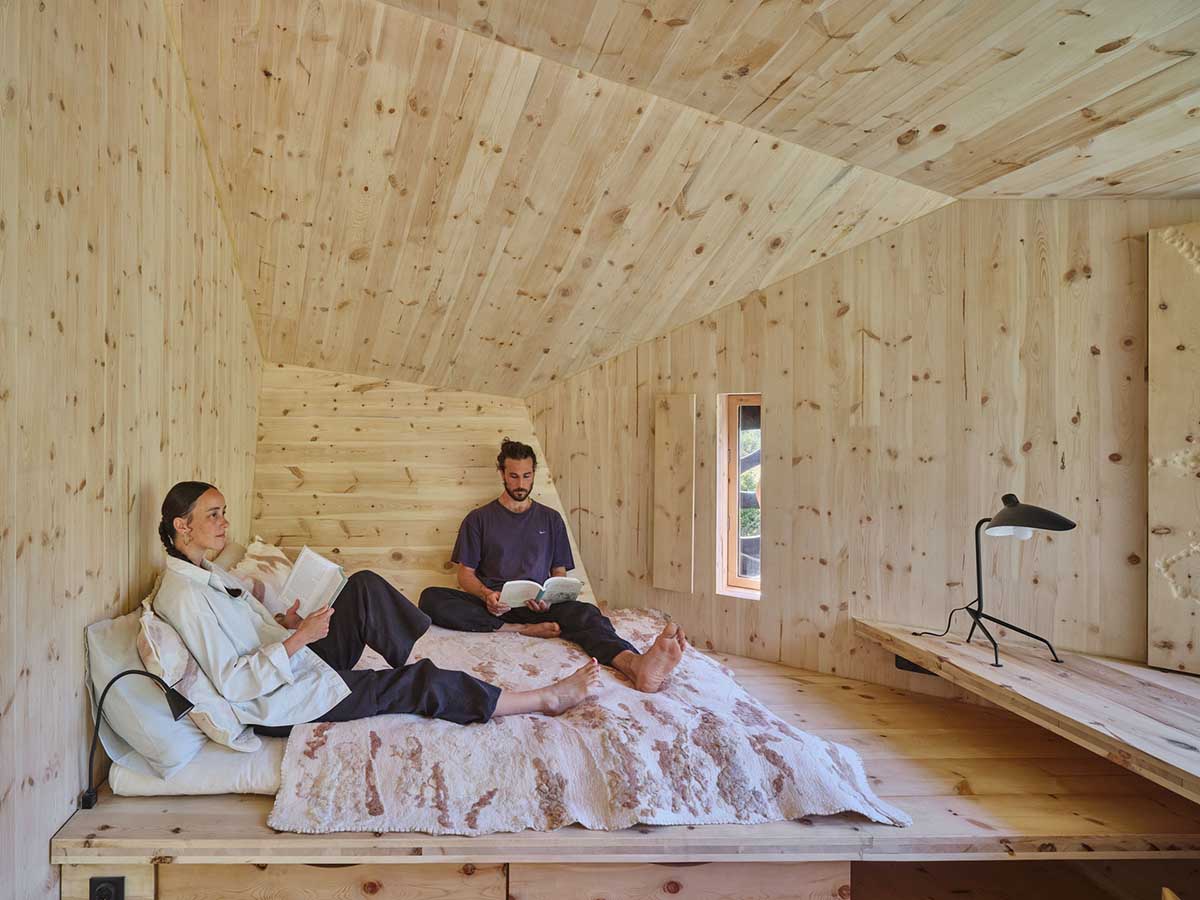
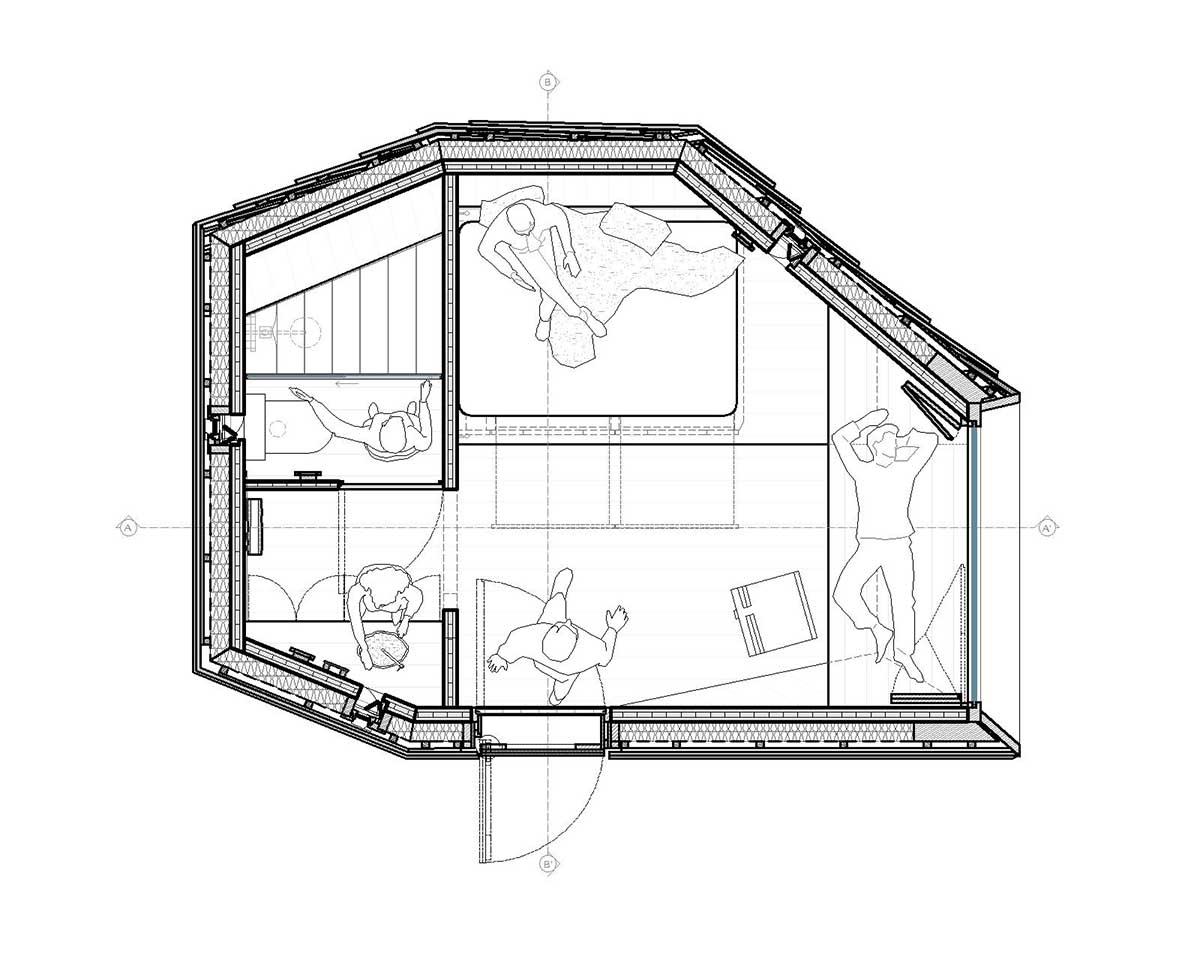
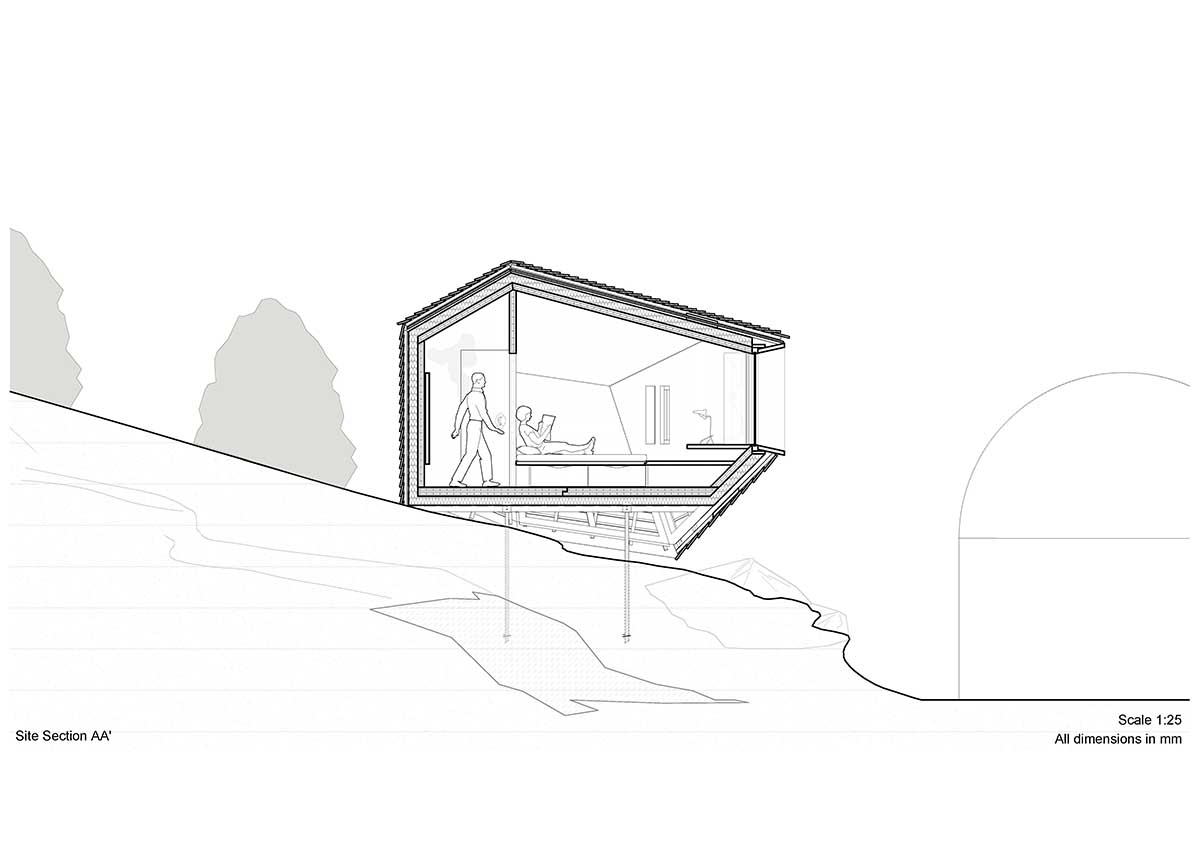
Situated in the Pyrenees at MónNatura Sort, the cabin provides temporary lodging for two people with a sleeping area, workplace, and bathroom. The cabin is situated on a sloping terrain just a short distance from the current hostel.
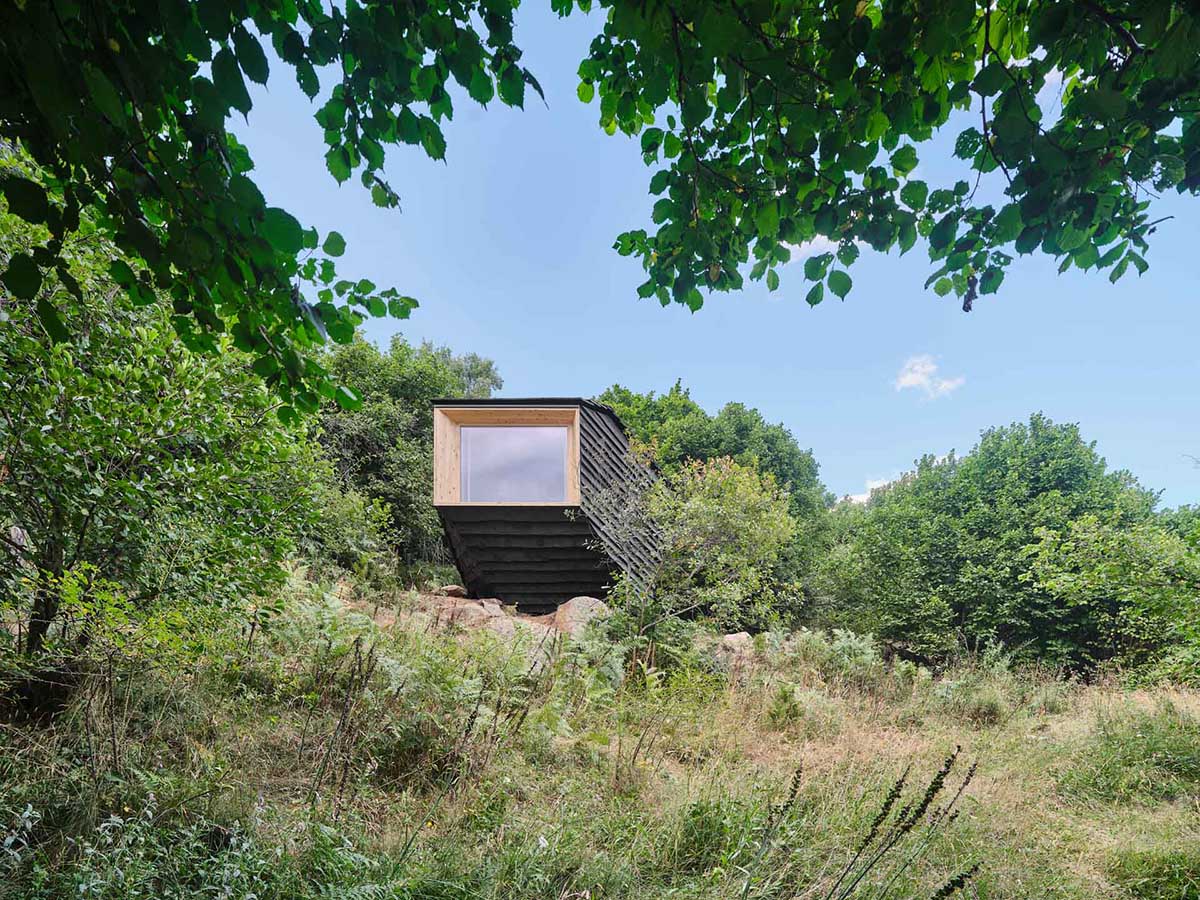
A resting rock: where wood meets the Pyrenees
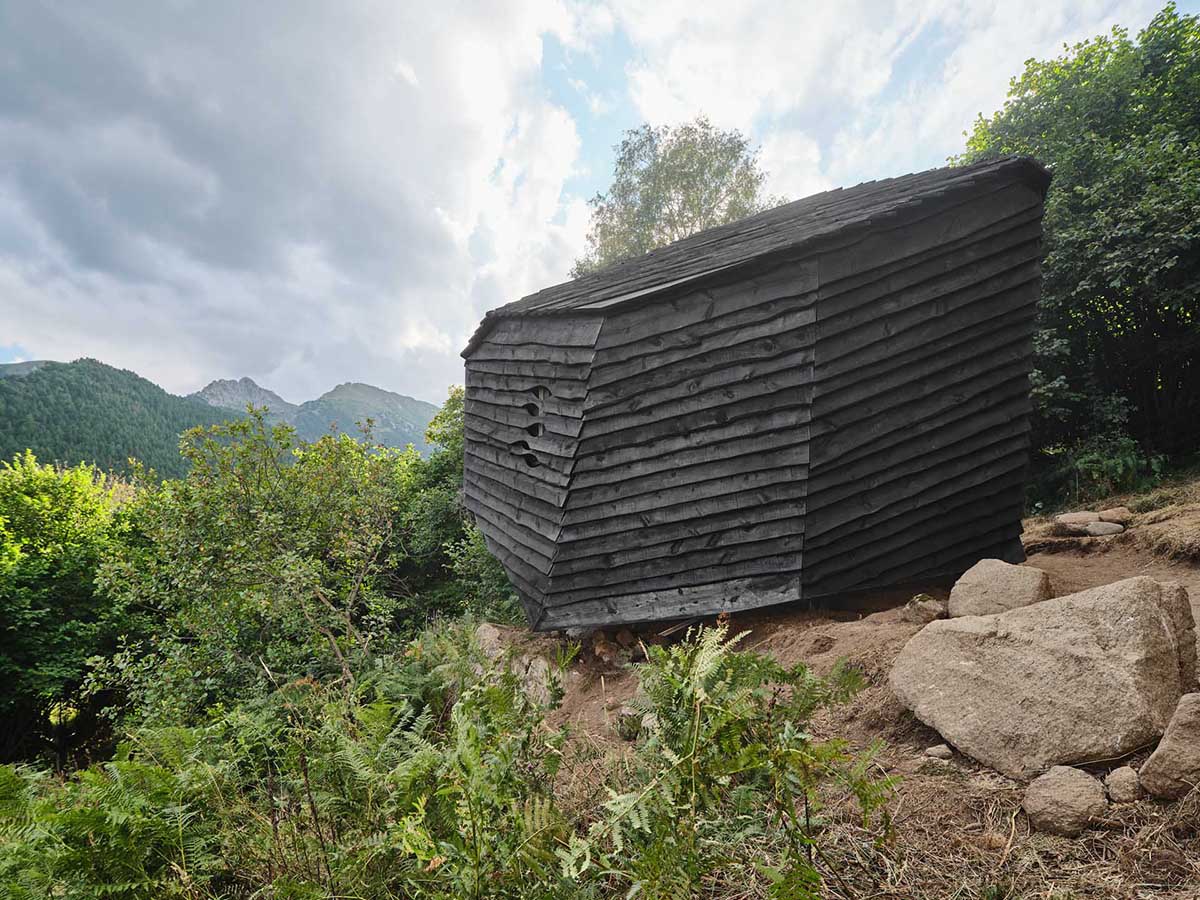
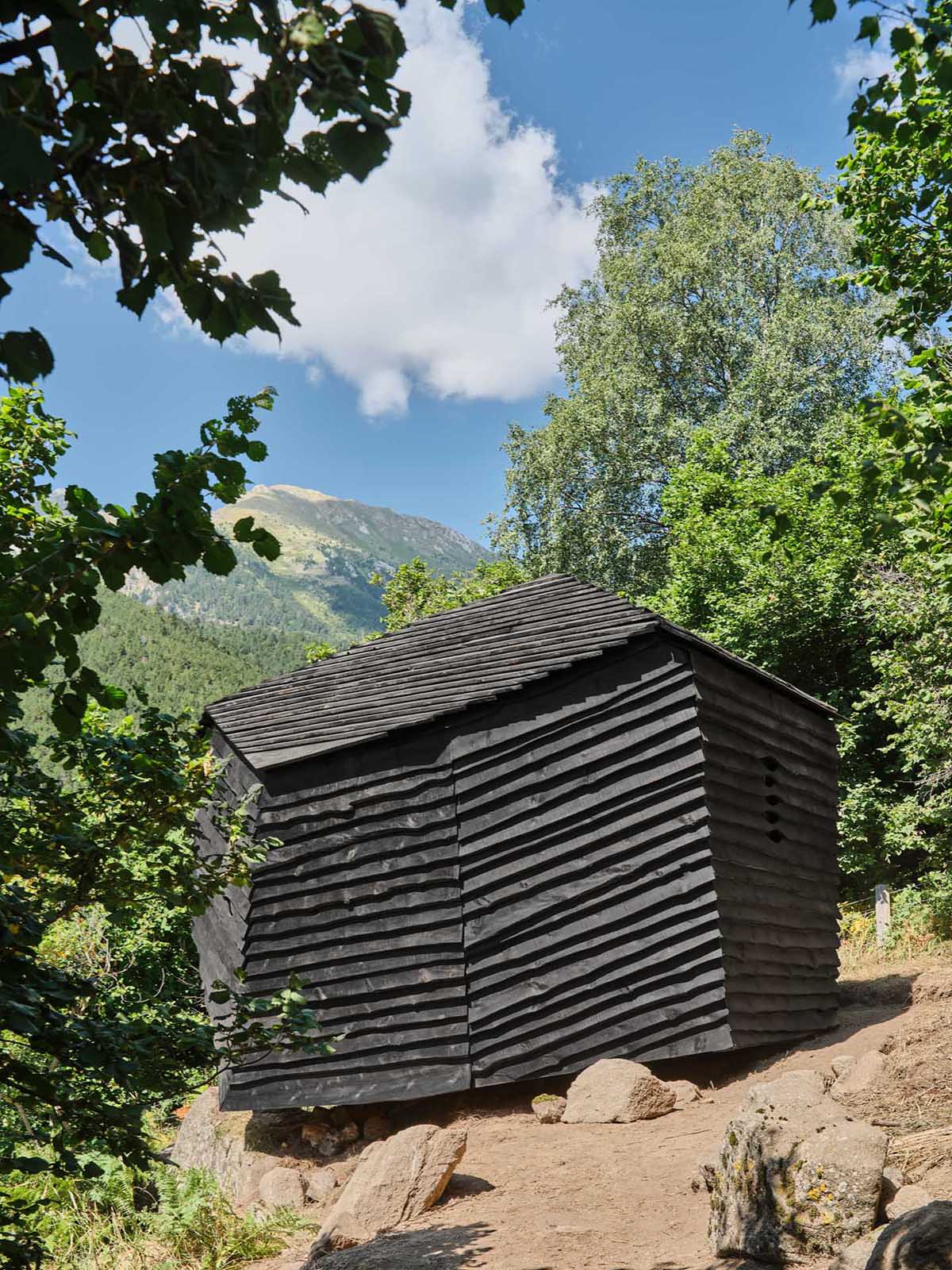
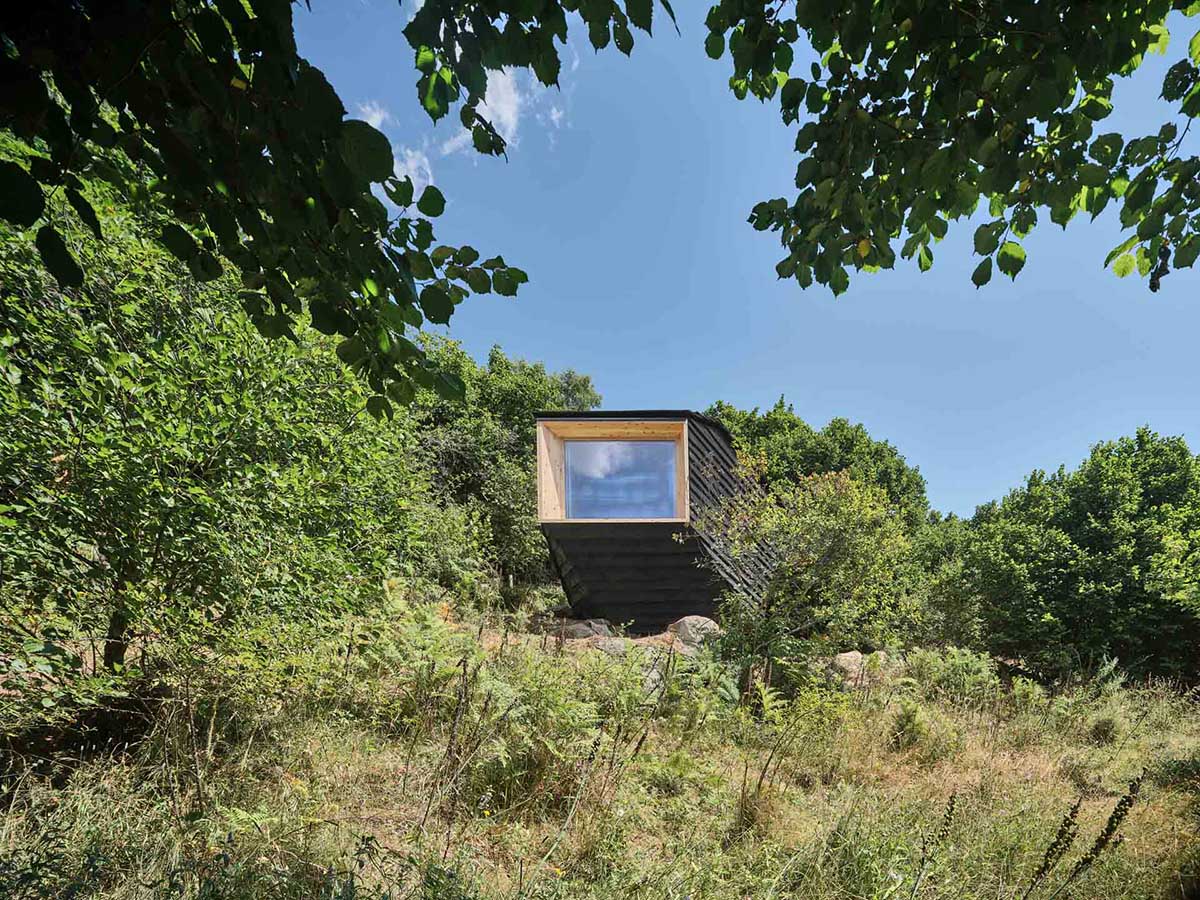
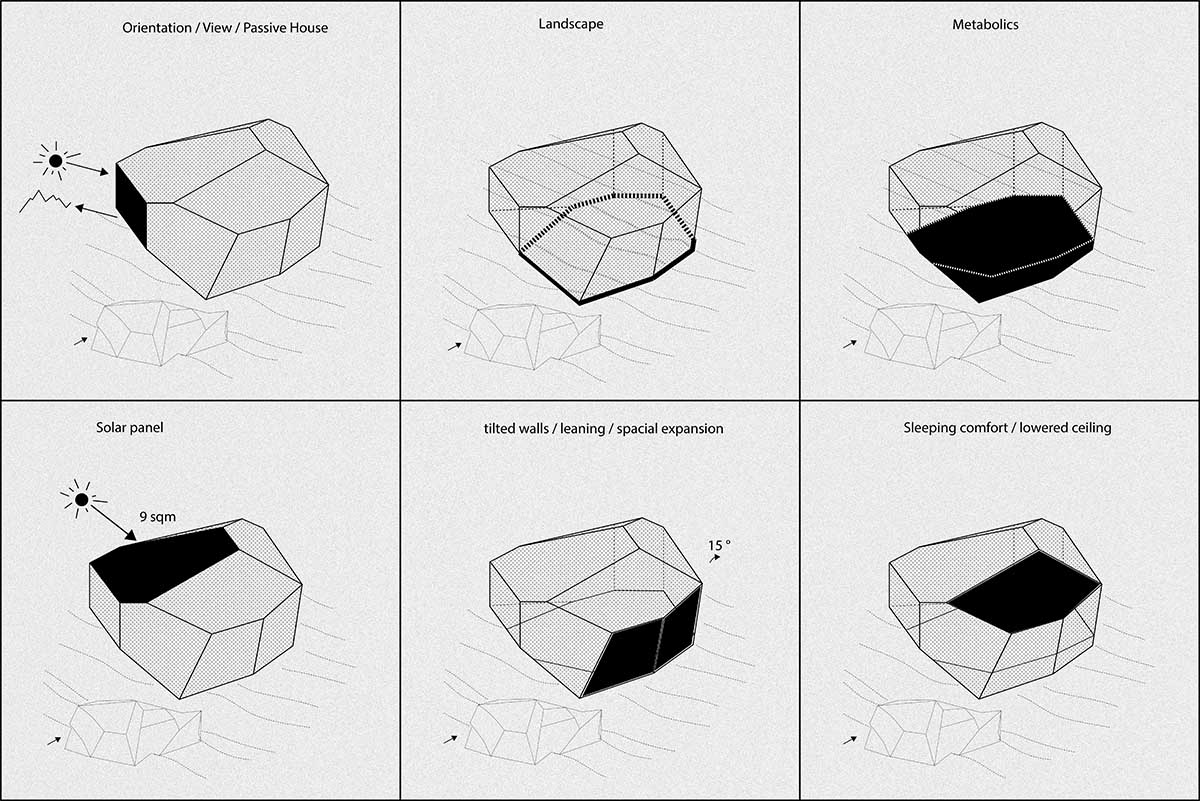
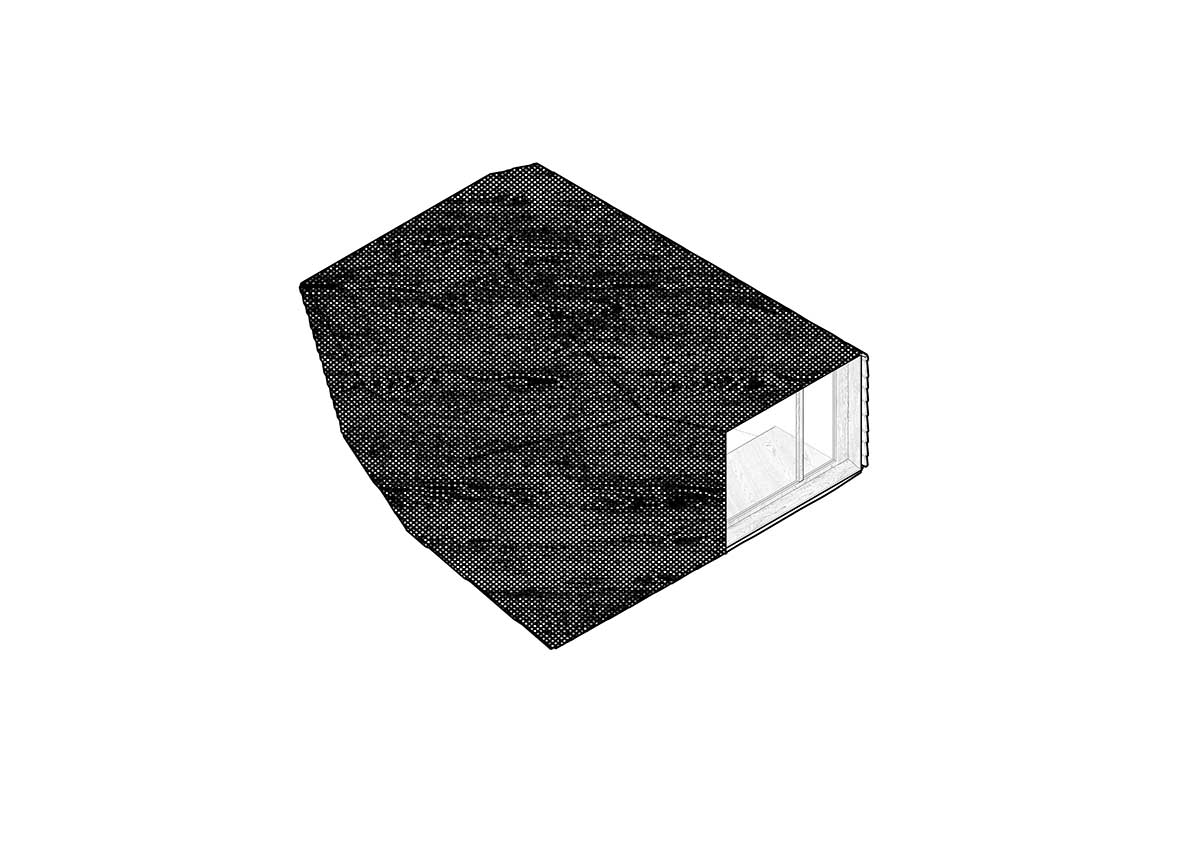
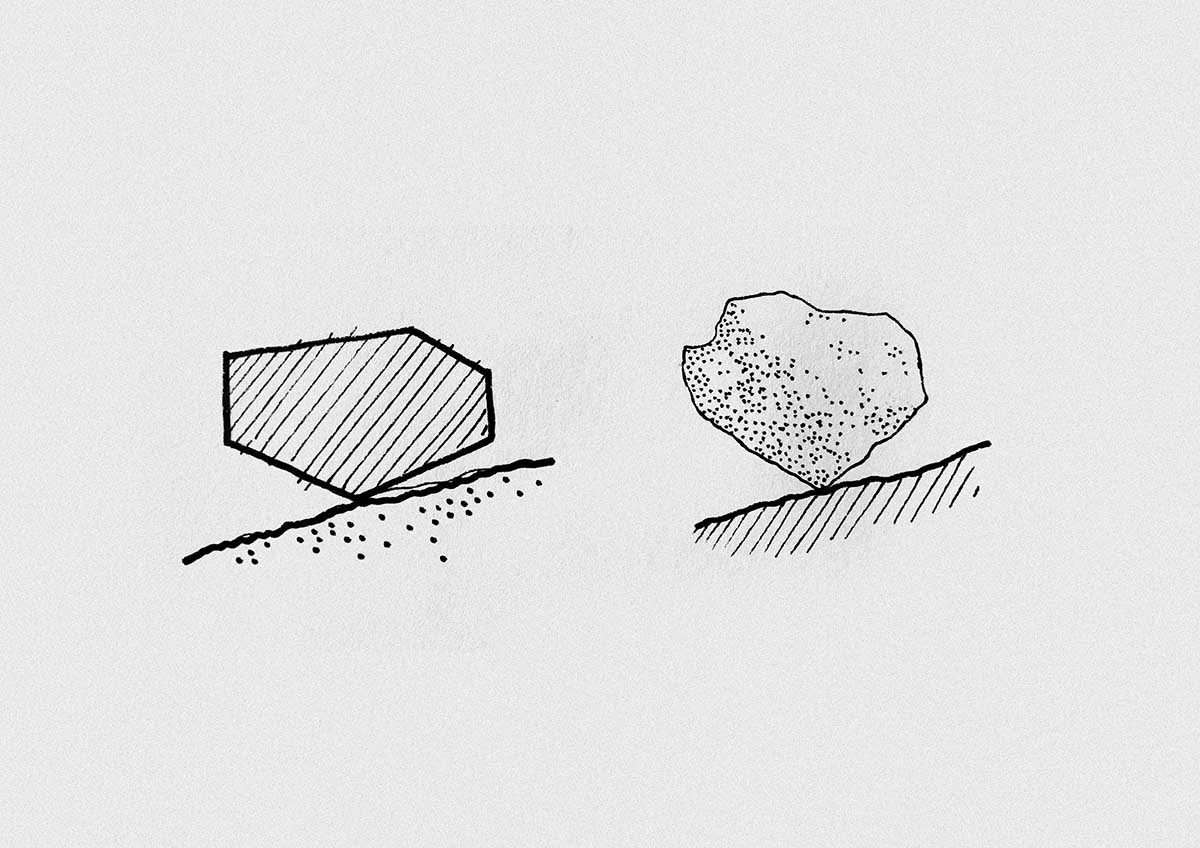
The rocky landscape of the Pyrenees served as the inspiration for the cabin's sculpture. Its faceted geometry, which is made up of sloping roof and inclined walls that adapt to programmatic needs, climate, and solar exposure, is conceived as a block of stone that seems to have rolled down the mountain and settled naturally on the site.
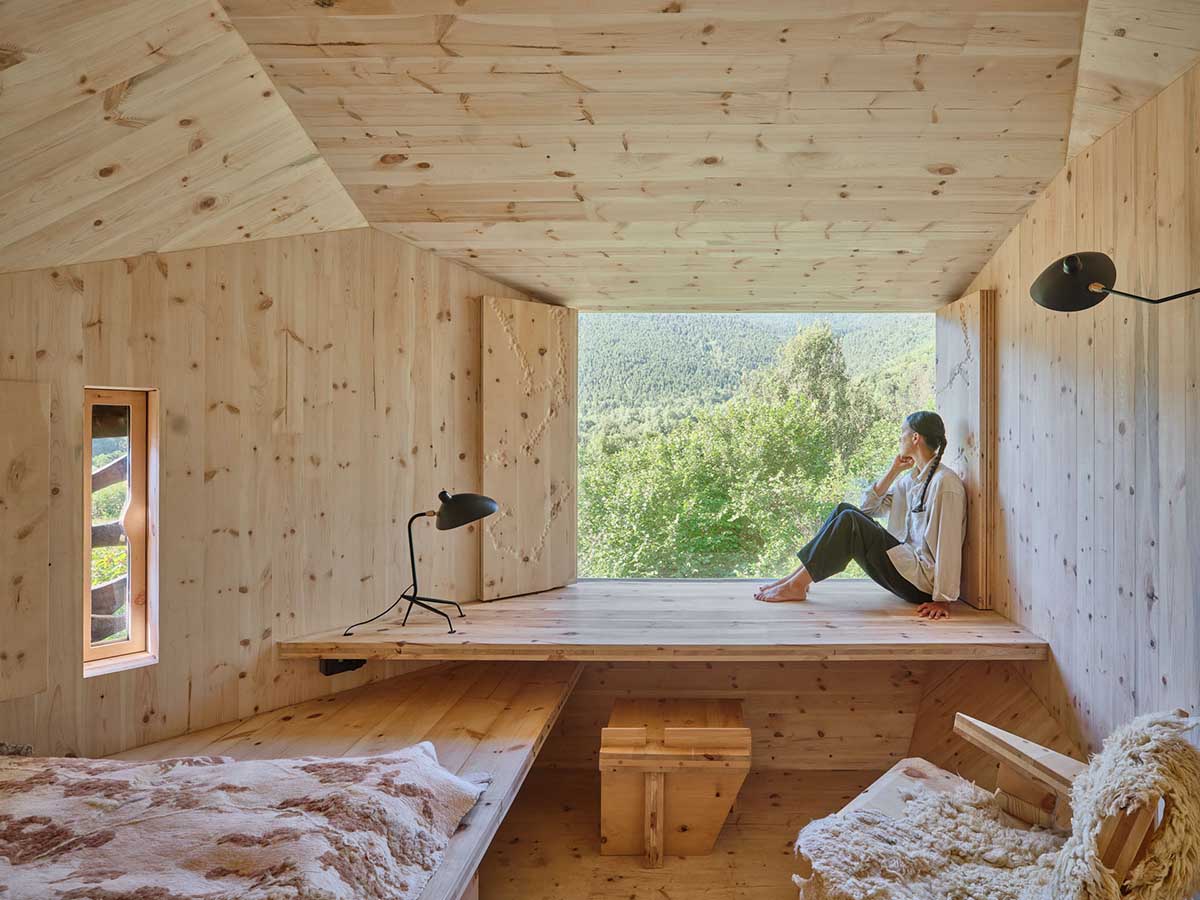
Carefully placed openings frame views of the surrounding mountains and allow for cross-ventilation, while the geometry discreetly modifies ceiling heights and space proportions to support various functions within a small footprint.
In order to prevent light pollution and support the site's astronomical activities, operable wooden shutters guarantee total darkness at night.
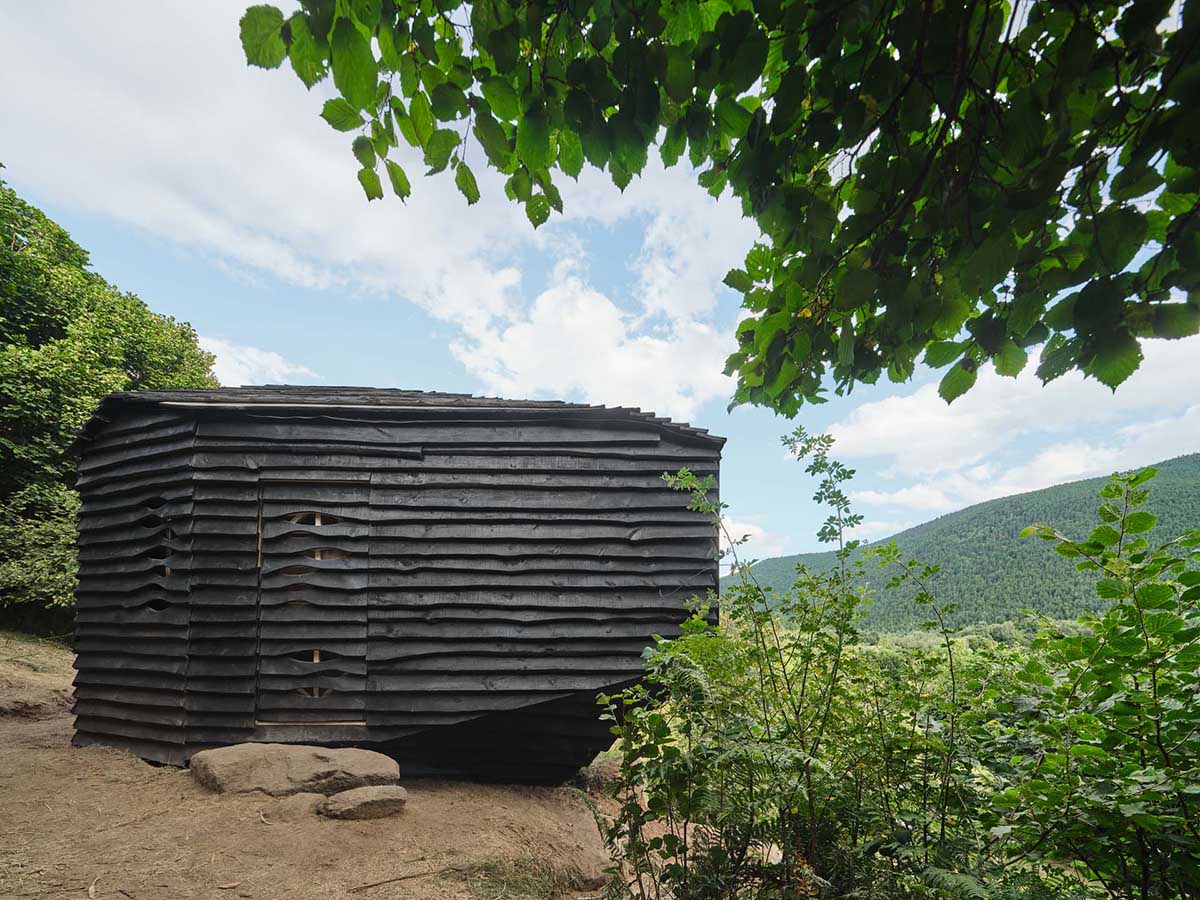
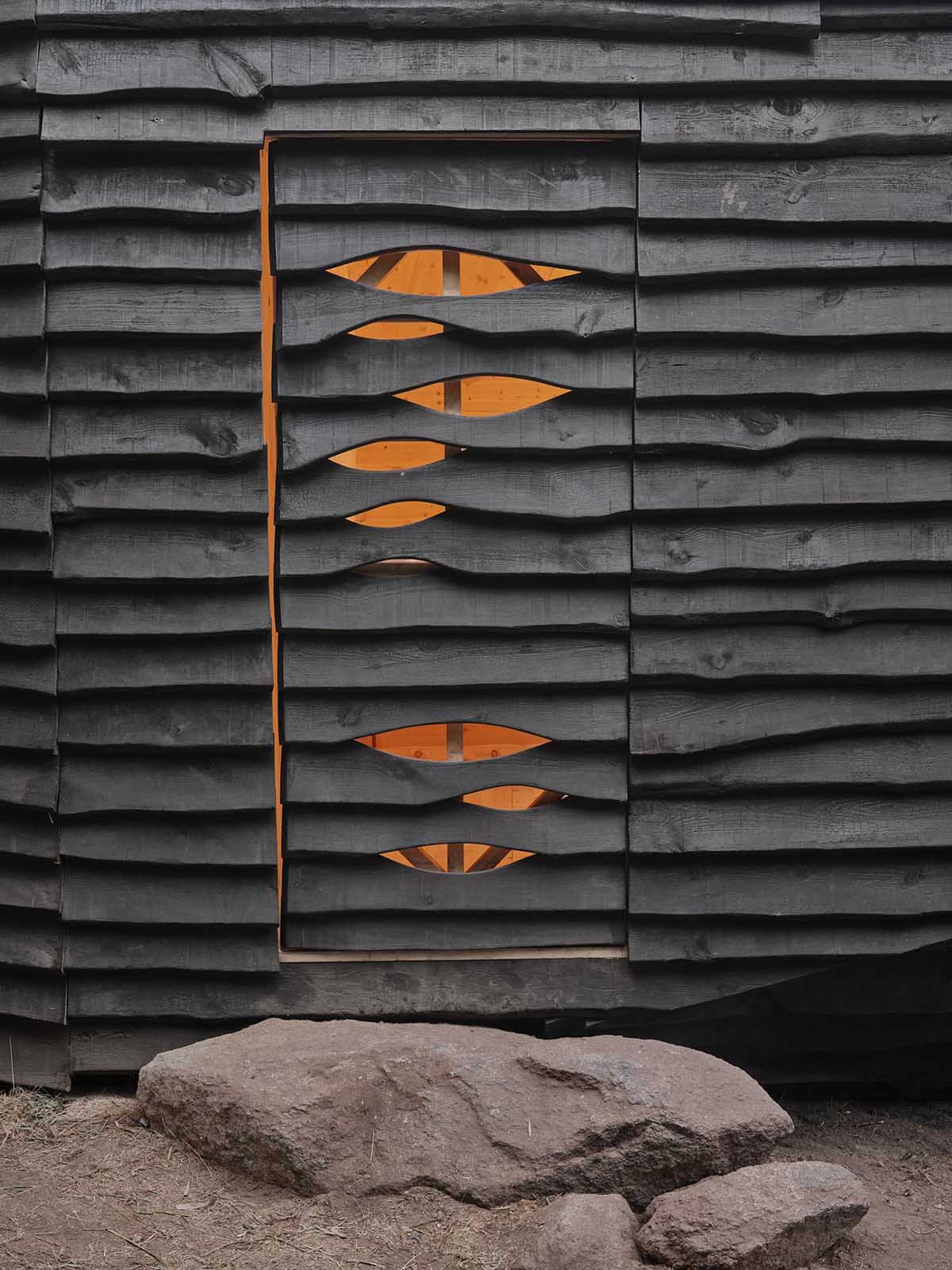
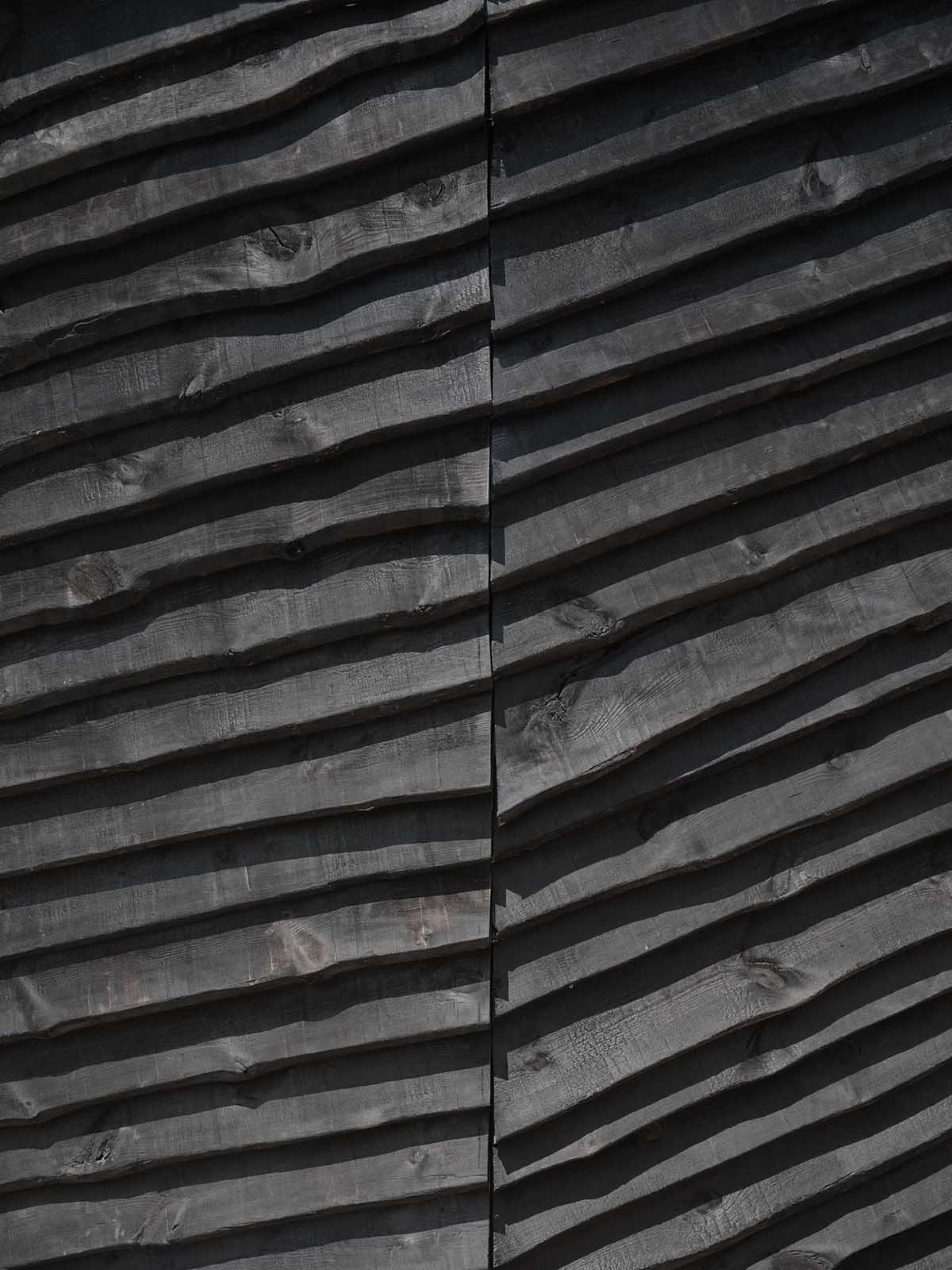
Using the Japanese Yakisugi or Shou Sugi Ban technique, which entails burning the wood's outer covering to preserve it from insects, water, fire, and mold, the exterior façade is composed of pine boards with natural edges that have been burned.
In addition to making the material more durable, these boards, which the students themselves cut to size and charred, also represent fire management and prevention, which is a crucial component of regenerative forestry in the Pyrenees, the mountain range that divides Spain and France and whose name, Pyros, is derived from Greek and means fire.
Forging a home from the forest: hands, fire, and wool
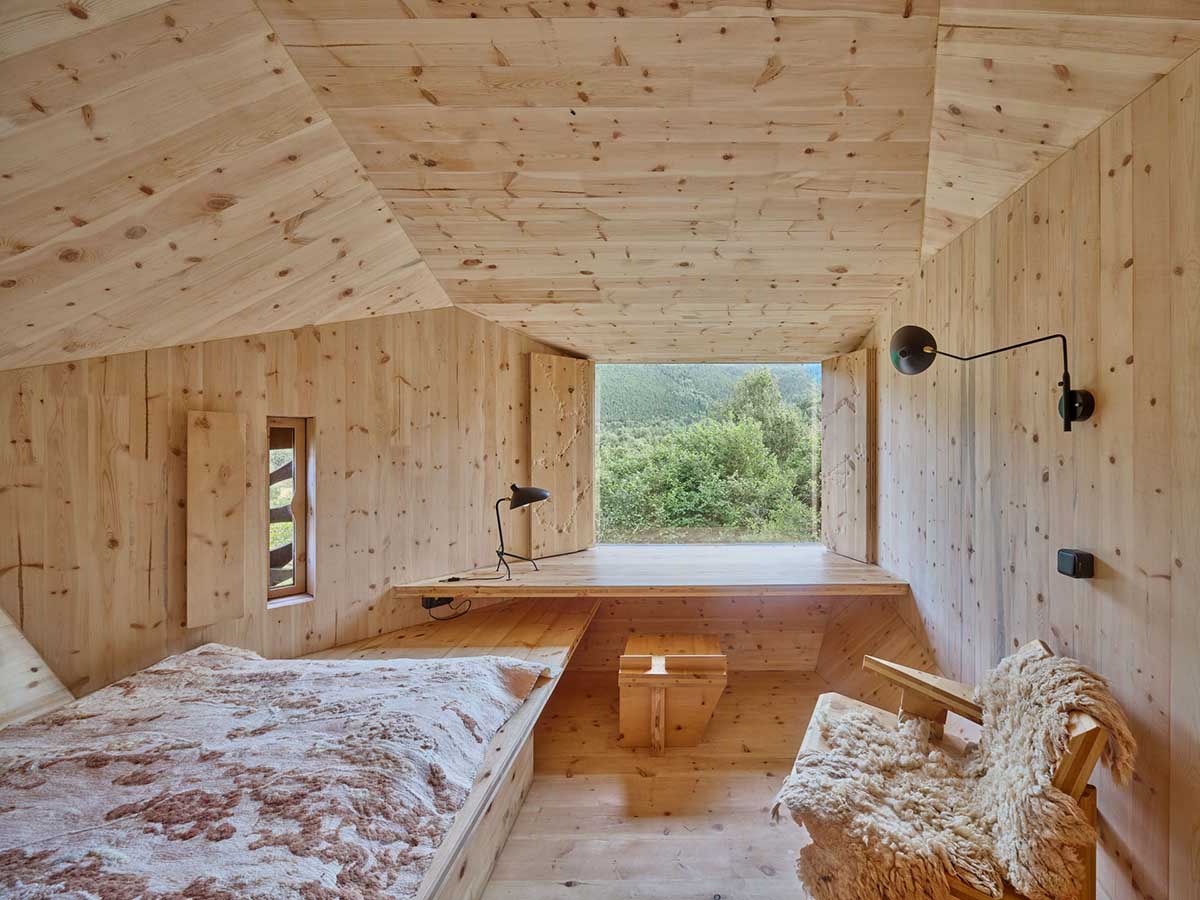
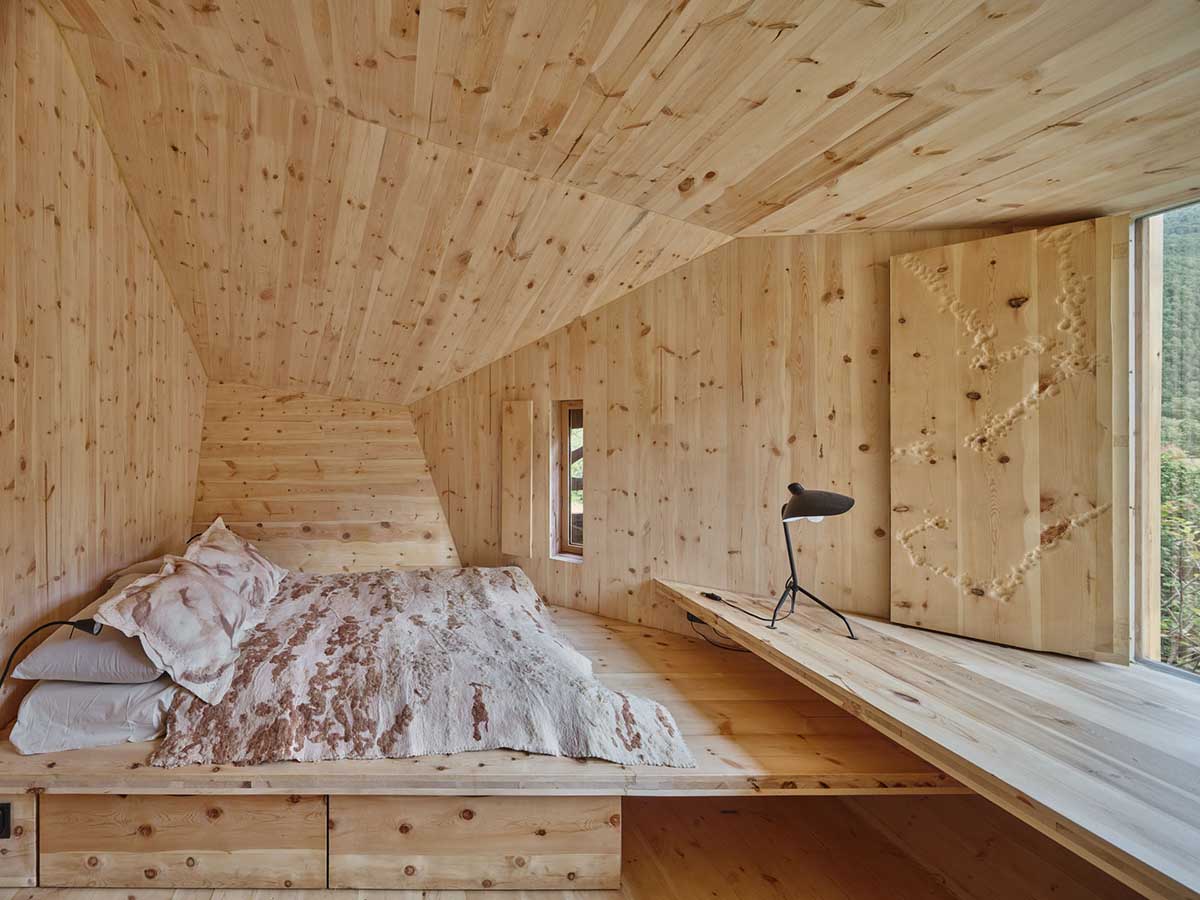
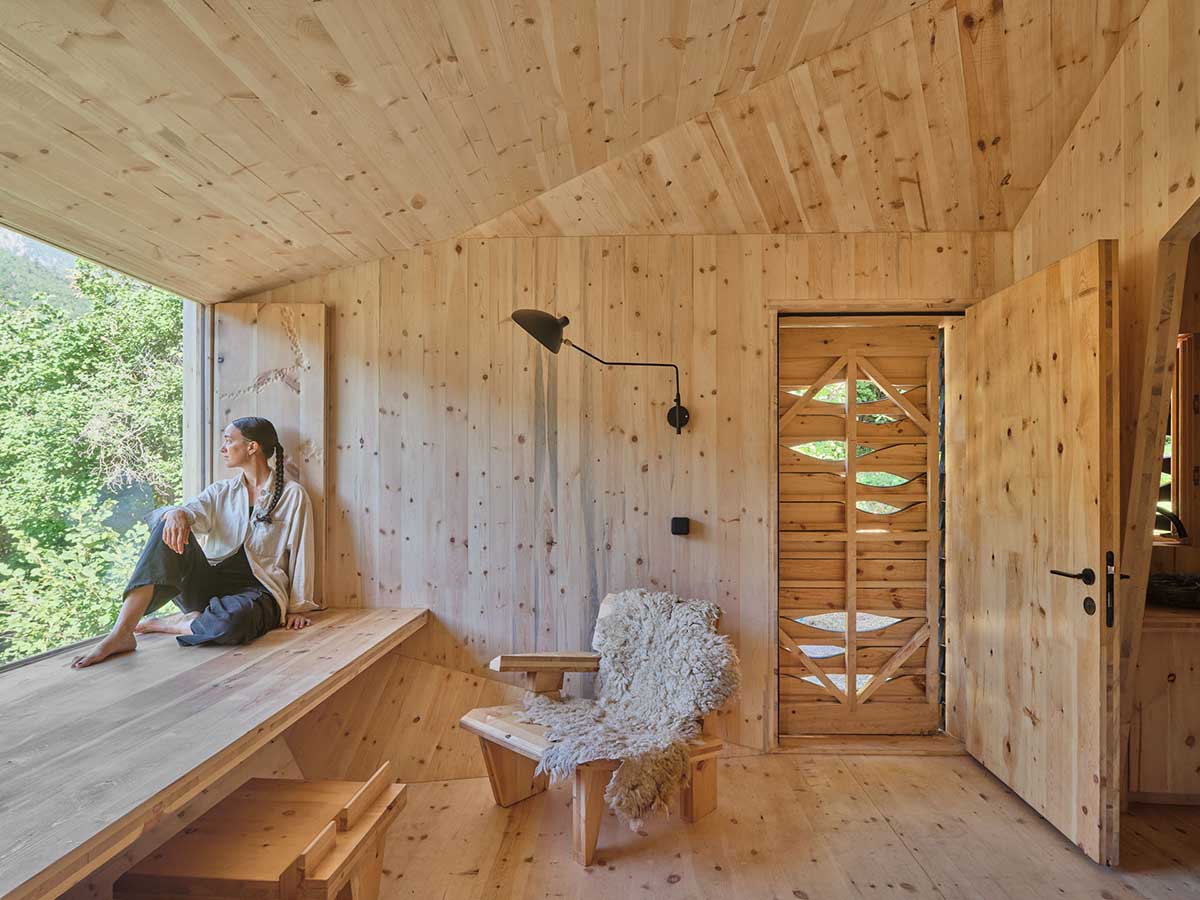
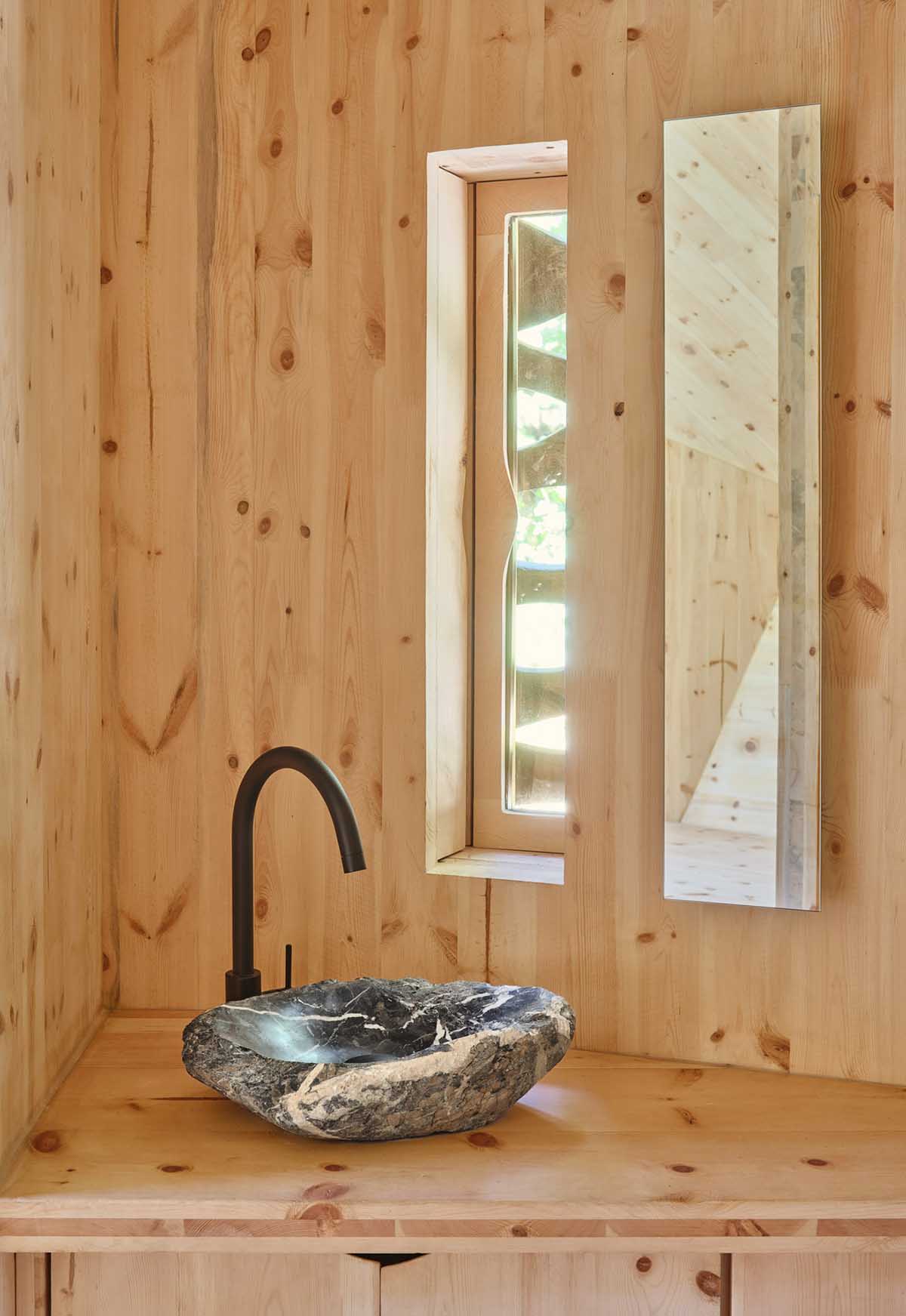
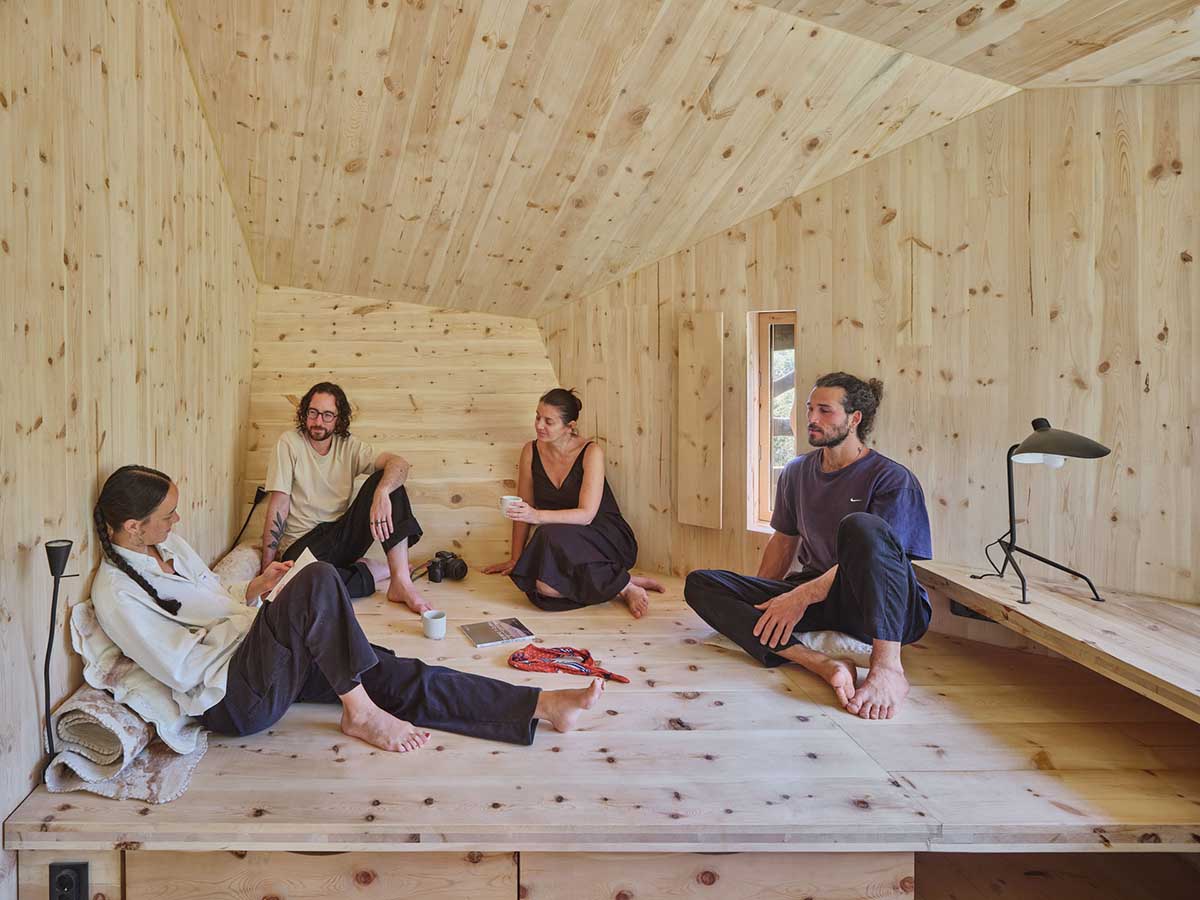
The cottage transforms into a completely integrated wooden area inside. In order to reinforce a hands-on approach where architecture, construction, and furniture create a one material system, the students at Valldaura Labs designed and produced custom CLT parts, such as the bed, built-in furniture, washbasin counter, and seating.
The local material cycles are not limited to wood. With the assistance and encouragement of Dutch artist Rian van Dijk, students worked with local farmers to gather sheep's wool at an annual wool festival in the adjacent town of Sort. The wool was then cleaned, dried, and turned into felt at Valldaura.
By incorporating regional craftsmanship and agricultural byproducts into the project, the finished blankets, carpets, and pillowcases decorate the cabin.
The project's link to its geographical and cultural setting was further cemented when students returned from the same excursion with a stone from the surrounding area, which they then hand-carved with power tools to create a distinctive washbasin.
Replicability was emphasized in the project's conception from the beginning. Forestone was created as a prototype to show how small-scale architecture may be constructed in forest landscapes without affecting the ecosystems already there by utilizing local timber, local expertise, and low-impact building techniques.
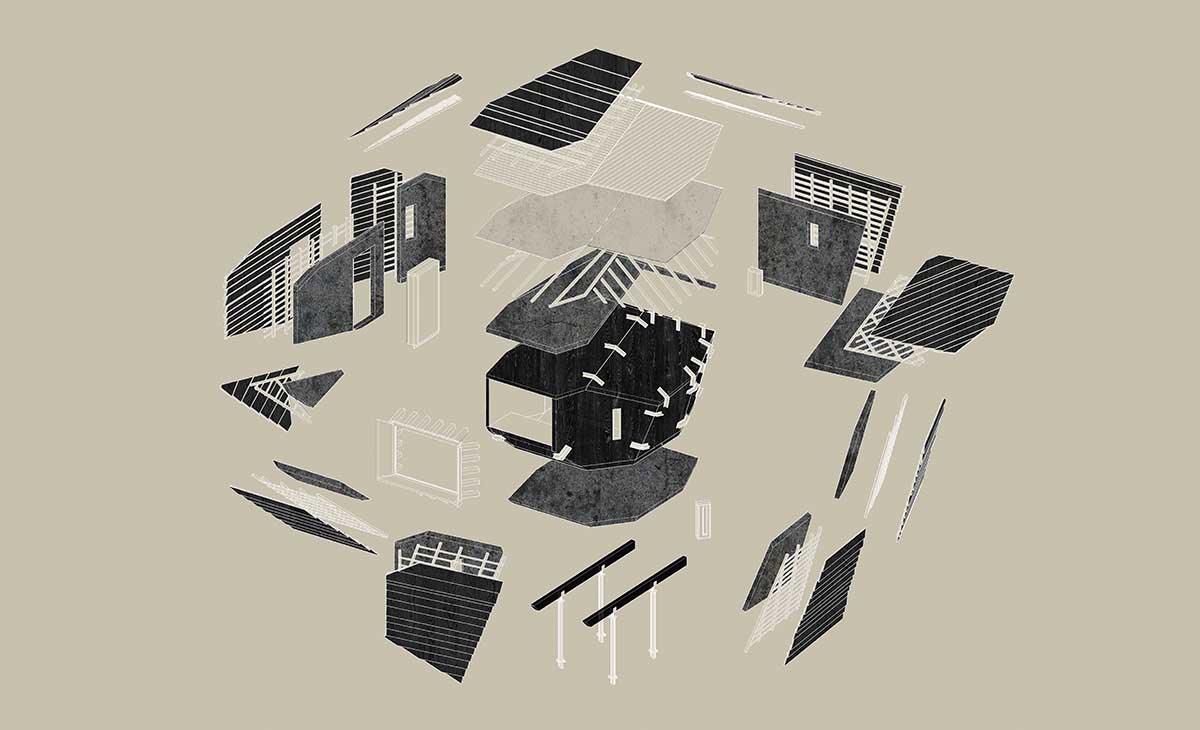
The cabin may be modified, duplicated, or disassembled as needed thanks to the use of modular CLT components, dry-assembly methods, and locally accessible materials.
It provides an example of sustainable forest dwelling that combines architectural creation with long-term environmental stewardship.
Forestone is a prime example of combining regenerative forestry, local industry, education, and craftsmanship. The project offers a different method of constructing in delicate settings that is based on local resources, knowledge transmission, and ecological responsibility thanks to its meticulous details, tiered construction, and strong connection to place.
Visitors will be able to live in the prototype cabin at MónNatura Pirineu in Planes de Son starting in January 2026, giving them a firsthand look at how it interacts with the environment, materials, and temperature.
Bioeconomy
Copy of BIO 4 PIRI 2
Exploded diagram more contrast
Form finding
ISO black
Floor plan
Rock balancing
Section
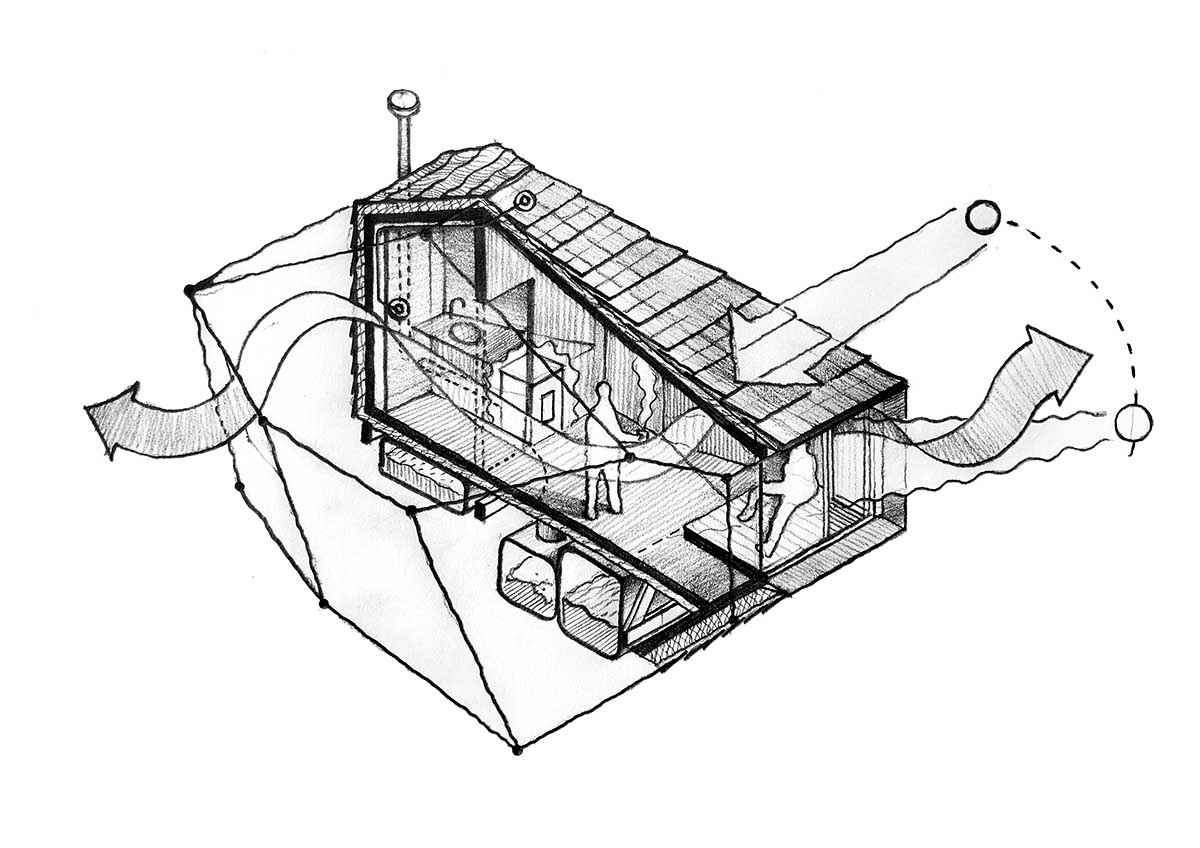
Thermodynamics
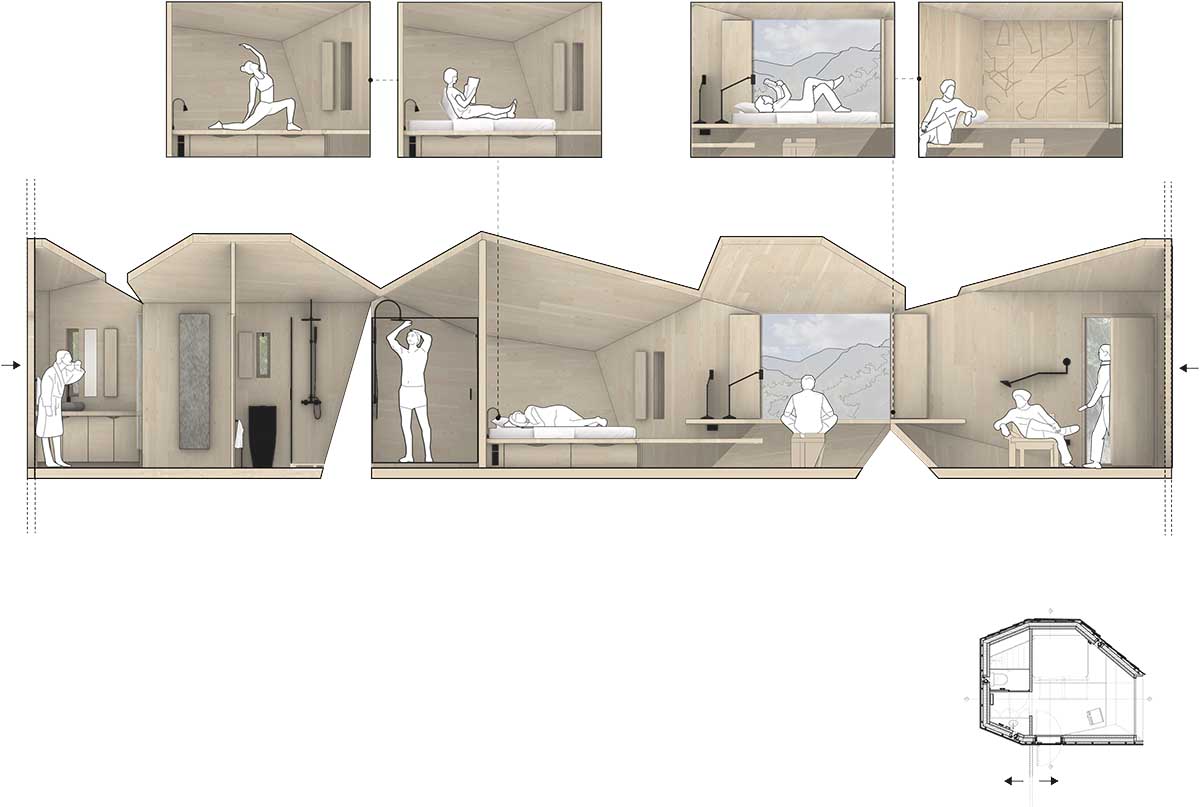
Unfolded Elevation - Final presentation Mon Natura
With its headquarters in Barcelona and over two decades of experience, the Institute for Advanced Architecture of Catalonia (IAAC) is a research, education, production, and dissemination facility.
The Master's program in Ecological Architecture and Advanced Construction at the Institute for Advanced Architecture of Catalonia (IAAC) Valldaura Labs focuses on learning and developing ecological projects, parametric design methods, and the processing of locally obtained materials.
Project facts
Direction: Vicente Guallart, Daniel Ibañez, Michael Salka
Developed by: The students of the Masters programme in Advanced Ecological Architecture and Advanced Construction, 2024/25 class: Alexander Bruce Herbig, Ateet Singh, Atticus Cummings, Breno Teixeira Martinelli, Dammes de Zoeten, Georgia Ann Hoyer, Isabel Flores, Jasper Runge, Magdalena Kurdzialek, Nina Poort, Pragyna Madhav Thondapu, Reuben Diamond, Shivani Edukulla, Shanon Shahan, Santosh Shyamsundar, Sipan Celiker Sporidis
Host: Mon Natura Pirineus, Fundació Catalunya la Pedrera
Valldaura Management: Laia Pifarré
Project Coordination: Esin Aydemir
Assisted by: Bruno Ganem, Oliver Needham, Alkis Avarkiotis
Structural assembly: Fustes Sebastia ( Sergi Sebastia, Emma Sebastia Sarroca, Estel Arnal Llunell) y Tallfusta (Ignasi Caus, David Valldeoriola)
Advised by: Miquel Rodriguez, Elena Orte, Guillermo Sevillano , Firas Safieddine, Rian van Dijk
With the support of: Fundació Catalunya-La Pedrera
Volunteers: Andrew Cardona, Grace Yang, Maeve Daley, Sam Hoshin
All images © Adrià Goula, Alexander Herbig (Autumn series), Nina Poort (Winter series).
Drawings and diagrams © IAAC Students of Master in Ecological Architecture and Advanced Construction
> via IAAC