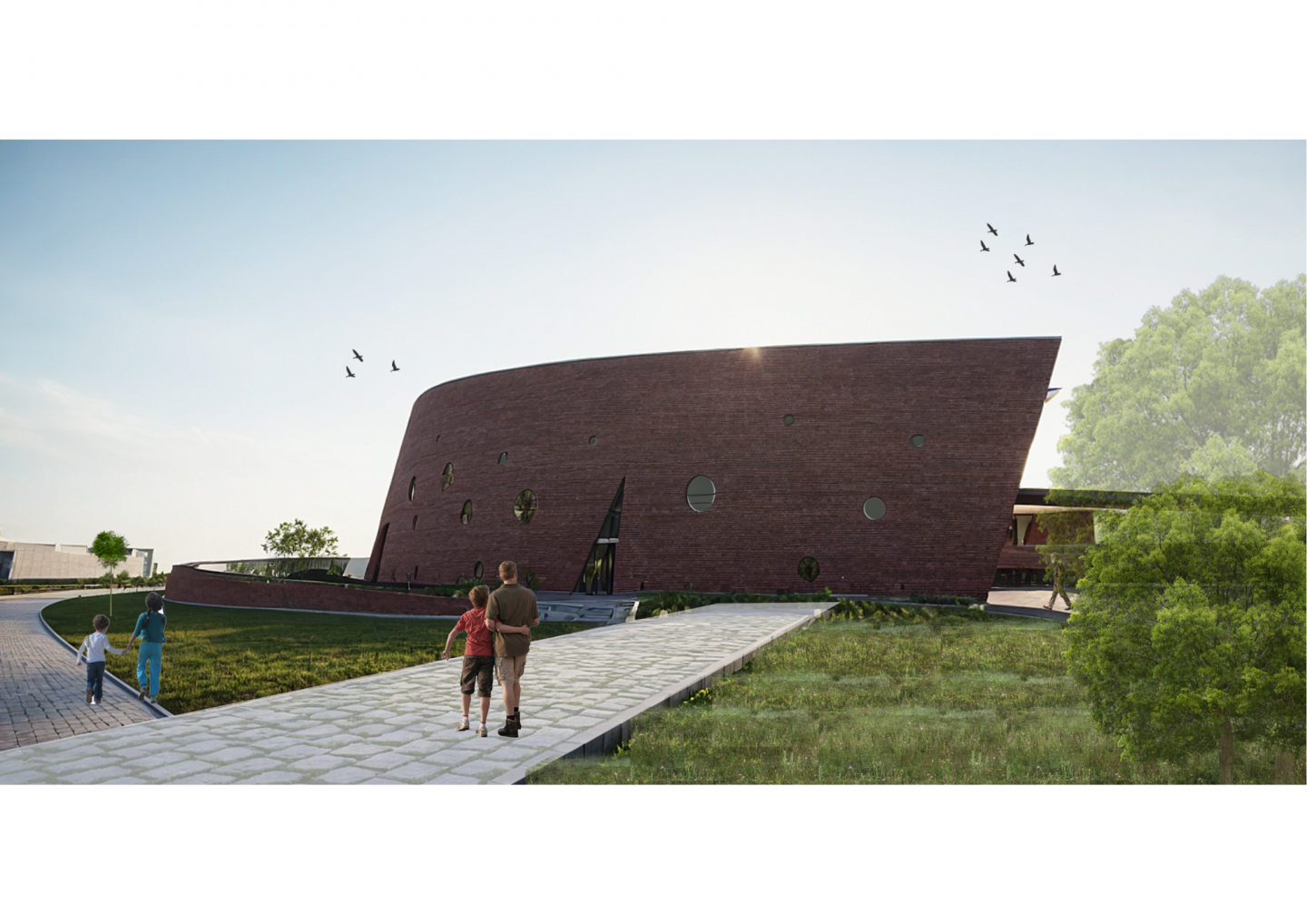
Once the lifeblood of Lahore, the Ravi River now stands as a symbol of ecological neglect and unchecked urban sprawl. Historically, it used to shape the identity of the region but now, it has been reduced to a polluted, fragmented landscape that is prone to many seasonal extremes like flooding during the monsoons, which further intensify environmental degradation of the area and displace vulnerable riverbank communities.
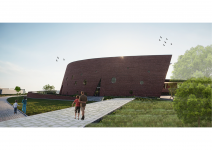
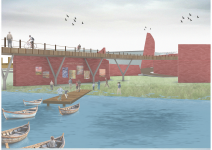
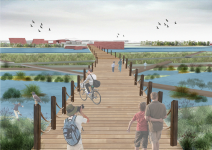
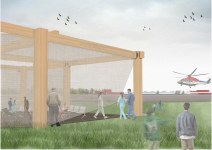
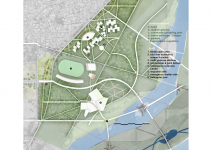
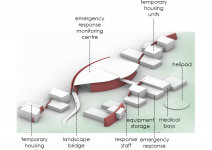
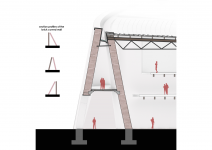
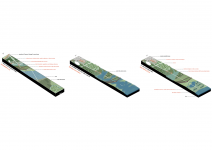
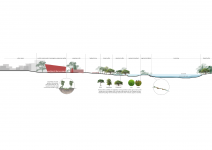
This project proposes a phased revitalization framework for the Ravi River, aiming to restore its ecological balance, rebuild community connections, and redefine its relationship with the city. The project envisions a dynamic riverside system integrating flood-response shelters, water treatment infrastructure, ecological rehabilitation zones, and public spaces that foster civic engagement and encourage research on the phenomena that affect the river and its surroundings. Each phase is designed to grow incrementally, beginning with essential flood response and water management, then expanding into ecological and civic layers that strengthen the city’s connection to the river. The whole development aims to be one where architecture becomes an active participant in environmental resilience—adapting, responding, and evolving with the river’s natural rhythms.
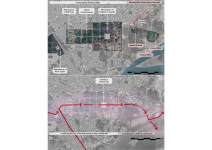
Through mapping, historical research, and site analysis, the project uncovers the layered relationship between people, land, and water, translating these findings into a sustainable architectural strategy. Ultimately, it imagines the Ravi not as a boundary, but as a living urban artery—revived, resilient, and reconnected with both Lahore and its people.
2025
Project Type: Academic Thesis / Urban Revitalization
Location: Lahore, Pakistan
Site Type: Riverside Development
Project Status: Concept Proposal (2025)
Scale: Urban / Architectural
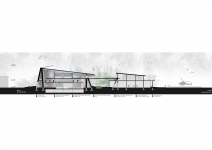
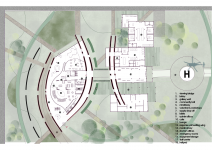
Main Program: Emergency response centre, flood shelters, water treatment and management systems, ecological restoration zones, and public community spaces
Structure & Materials: Reused local brick load-bearing walls, modular steel frames, bioengineered wetlands
Sustainability Strategies: Phased adaptive development, monsoon rainwater harvesting, integration of natural floodplain systems, reusing local material
Research Methods: Geographic mapping, historical analysis
By: Hibah Shabbir
Instructors: Dr. Ezgi İşbilen & Dr. Yiğit Acar
Hibah Shabbir