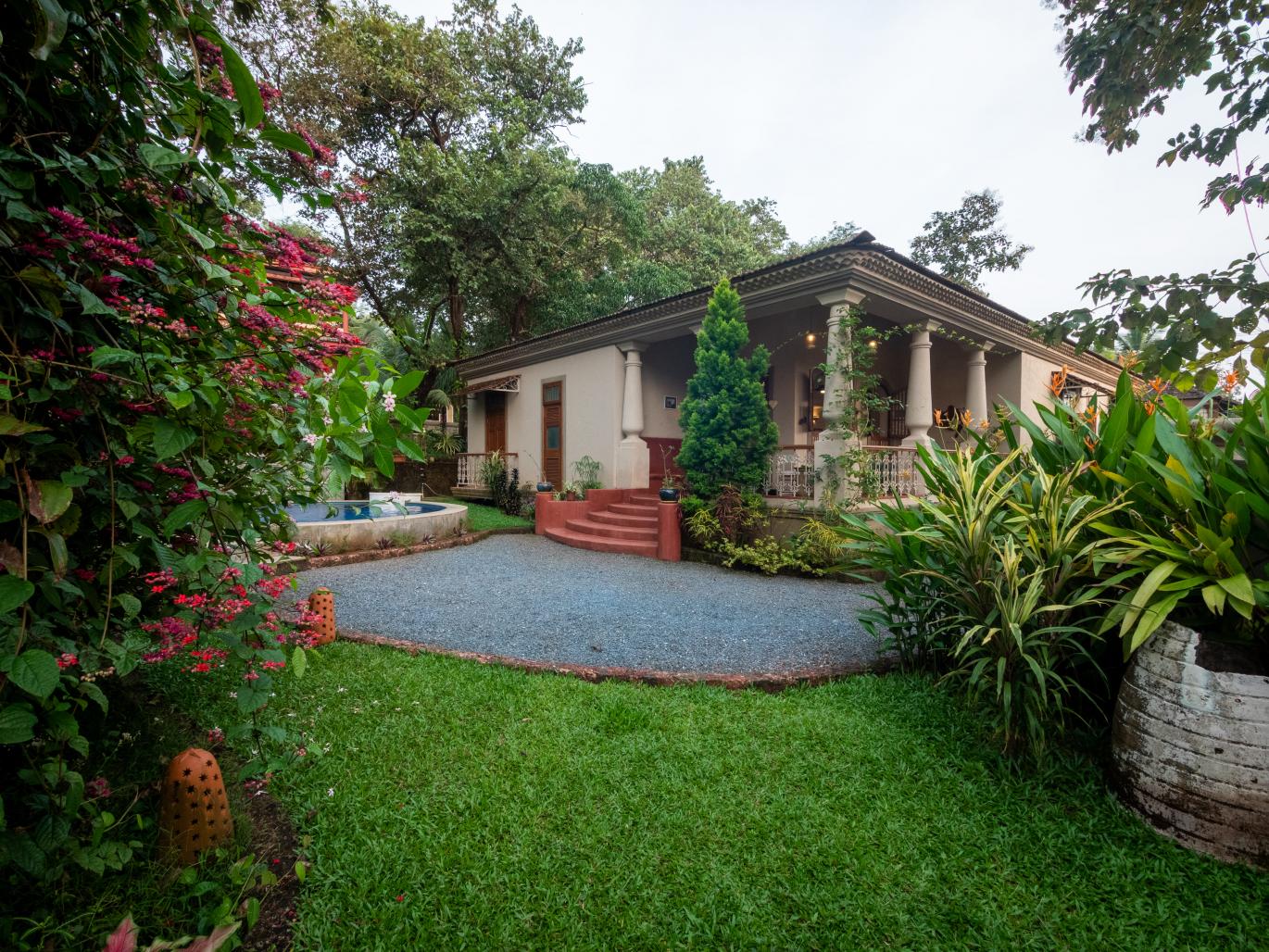
Reinventing Heritage: How Legacy Architecture Is Shaping Modern Living in 2026
In a world obsessed with the new, the soul of design often lies in the old. As global architecture trends shift toward cultural storytelling, 2026 marks the rise of “Contemporary Heritage” — a design language that blends history with innovation. At Banaji & Associates, this approach isn’t a trend; it’s a natural extension of our six-decade legacy.
The Return of Cultural Architecture
Across India and the Middle East, homeowners and developers are seeking spaces that feel grounded, personal, and deeply contextual. This means celebrating elements like native materials, cultural geometries, and traditional craftsmanship — but in ways that feel refined and modern.
Our studios in Mumbai and Muscat have seen this shift firsthand: clients want homes and commercial environments that feel meaningful, not generic. They want stories carved into their spaces.
Designing Spaces With Memory
A subtle arch, a carved screen, a brushed brass detail — small gestures can transform a modern structure into something emotionally resonant.
In one of our recent residential projects, we paired a contemporary silhouette with Omani-inspired latticework. The result: a home that feels global yet unmistakably rooted.
This is where architecture is moving — toward spaces that honor identity without compromising luxury or performance.
Materiality That Speaks
Heritage-inspired design does not rely on nostalgia; it thrives on timeless materials. Think lime-plastered walls, warm wood grains, textured stone, handmade tiles — all reimagined in minimal, structured formats.
The message is clear: materials with memory create spaces with soul.
The Future of Legacy Design
As AI, digital fabrication, and smart systems emerge, heritage-led design will not fade; it will evolve. And firms with cultural depth — like Banaji & Associates — are positioned to lead the shift.
2020
2020
N/A
N/A
n/a n/a
