DESIGN STATEMENT
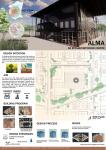
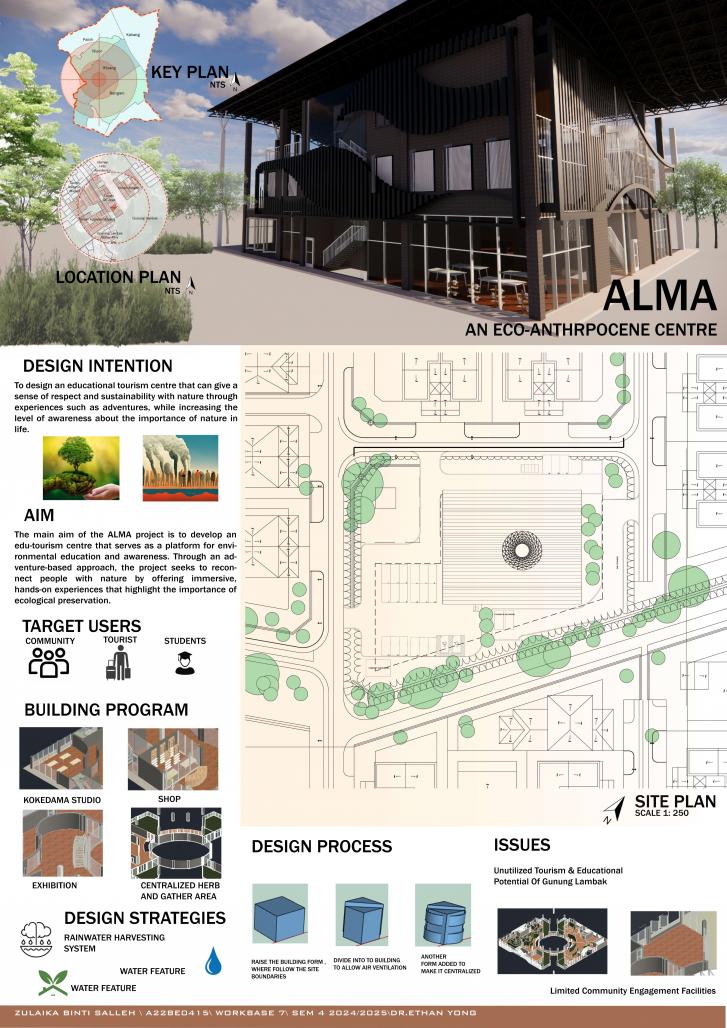
The ALMA: Eco-Anthropocene Centre is envisioned as a catalyst for environmental awareness and sustainable education situated within the ecological and cultural context of Gunung Lambak, Johor. The project addresses the site’s underutilised tourism and educational potential by introducing an interactive eco-education hub that redefines the relationship between human activity and the natural ecosystem. ALMA aims to bridge people and nature through an experiential learning environment that promotes empathy, stewardship, and ecological consciousness.
At the conceptual level, the project is grounded in the eco-anthropocentric approach, which emphasises the coexistence between humanity and the environment. Rather than treating nature as a passive backdrop, the design positions it as an active agent shaping spatial experience and environmental performance. Architecture, therefore, becomes a mediator between built and natural systems, creating a balance that sustains both.
The main objective of the ALMA project is to create a space that serves as both an educational and tourist landmark, highlighting the importance of ecological preservation while enhancing community engagement. It seeks to transform awareness into participation and participation into change by offering immersive hands-on experiences that connect visitors directly to natural processes. Through workshops, exhibitions and learning activities, users are invited to reflect on their role within the environment and the impact of their daily choices on the planet.
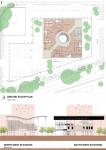
The design concept evolves from a contextual and responsive understanding of the site. Gunung Lambak’s lush vegetation, undulating terrain and existing circulation patterns guided the formation of the built form. The architecture is raised slightly above ground to maintain natural drainage, reduce disruption to the ecosystem and enhance ventilation. This elevated form also allows for visual continuity between indoor and outdoor spaces, promoting a seamless interaction between built and natural realms.
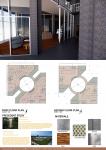
The design process began by mapping the site’s environmental and social characteristics. The form was shaped to follow site boundaries, then divided into volumes to increase air permeability and daylight penetration. A central courtyard was introduced to function as a gathering and exhibition space surrounded by circulation corridors that promote passive cooling. Additional layers of vegetation and water features were integrated to moderate the microclimate and enhance the sensory experience.
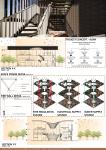
Environmental sustainability forms the backbone of the design strategy. Systems such as rainwater harvesting, natural ventilation and daylighting are incorporated to reduce dependence on mechanical energy. A water feature integrated into the landscape reinforces the idea of cyclical resource use while also providing a calming and reflective experience for visitors. The design prioritises passive solutions before introducing active systems, ensuring minimal energy consumption and long-term resilience.
Programmatically, the centre consists of four main components: the kokedama studio, exhibition gallery, retail, cafe, centralised herb and gathering area. Each program is strategically positioned to facilitate a journey of exploration and learning. The Exhibition Gallery provides a platform for environmental displays and community workshops, while the kokedama studio allows visitors to engage in hands-on plant-based crafts that symbolise life and renewal. The retail and cafe areas support local products and artisans, fostering an economy that aligns with sustainability values.
Material selection emphasises locality and tactility. The use of timber, bamboo and natural stone reduces embodied carbon while blending harmoniously with the surrounding landscape. The natural tones and textures create a warm, biophilic atmosphere that encourages users to feel grounded and connected to the environment. Transparency in façade treatment enhances visibility and interaction, reinforcing the idea of openness and coexistence.
From a social and cultural perspective, the ALMA Centre acts as a platform for community engagement and knowledge exchange. Gunung Lambak currently functions primarily as a recreational destination. This project repositions it as an educational landscape that invites students, tourists, and residents to participate in sustainability learning. The inclusion of public spaces and communal programs strengthens local identity while promoting environmental literacy across different age groups.
Addressing the issues of limited tourism utilisation and lack of educational facilities, the project revitalises the site through an architectural intervention that merges environmental, social and economic sustainability. By activating an overlooked site into a vibrant eco-learning hub, ALMA contributes to the broader goal of sustainable urban and rural development in Malaysia.
Ultimately, the ALMA: Eco-Anthropocene Centre represents a vision for architecture that is both reflective and proactive, a built form that teaches, heals and inspires. It demonstrates how design can move beyond aesthetics to become a medium for education, empathy and environmental stewardship. The project aspires to become a model for sustainable tourism architecture where learning and leisure coexist harmoniously within the natural world.
Through its integration of ecological systems, community participation and educational programming, ALMA embodies the essence of the Anthropocene, acknowledging human impact on the planet while striving to restore balance through awareness and action. It is not merely a building, but a living narrative of coexistence, reminding us that sustainability begins with connection and connection begins with design.
2025
DESIGN STATEMENT
The ALMA: Eco-Anthropocene Centre is envisioned as a catalyst for environmental awareness and sustainable education situated within the ecological and cultural context of Gunung Lambak, Johor. The project addresses the site’s underutilised tourism and educational potential by introducing an interactive eco-education hub that redefines the relationship between human activity and the natural ecosystem. ALMA aims to bridge people and nature through an experiential learning environment that promotes empathy, stewardship, and ecological consciousness.
At the conceptual level, the project is grounded in the eco-anthropocentric approach, which emphasises the coexistence between humanity and the environment. Rather than treating nature as a passive backdrop, the design positions it as an active agent shaping spatial experience and environmental performance. Architecture, therefore, becomes a mediator between built and natural systems, creating a balance that sustains both.
The main objective of the ALMA project is to create a space that serves as both an educational and tourist landmark, highlighting the importance of ecological preservation while enhancing community engagement. It seeks to transform awareness into participation and participation into change by offering immersive hands-on experiences that connect visitors directly to natural processes. Through workshops, exhibitions and learning activities, users are invited to reflect on their role within the environment and the impact of their daily choices on the planet.
The design concept evolves from a contextual and responsive understanding of the site. Gunung Lambak’s lush vegetation, undulating terrain and existing circulation patterns guided the formation of the built form. The architecture is raised slightly above ground to maintain natural drainage, reduce disruption to the ecosystem and enhance ventilation. This elevated form also allows for visual continuity between indoor and outdoor spaces, promoting a seamless interaction between built and natural realms.
The design process began by mapping the site’s environmental and social characteristics. The form was shaped to follow site boundaries, then divided into volumes to increase air permeability and daylight penetration. A central courtyard was introduced to function as a gathering and exhibition space surrounded by circulation corridors that promote passive cooling. Additional layers of vegetation and water features were integrated to moderate the microclimate and enhance the sensory experience.
Environmental sustainability forms the backbone of the design strategy. Systems such as rainwater harvesting, natural ventilation and daylighting are incorporated to reduce dependence on mechanical energy. A water feature integrated into the landscape reinforces the idea of cyclical resource use while also providing a calming and reflective experience for visitors. The design prioritises passive solutions before introducing active systems, ensuring minimal energy consumption and long-term resilience.
Programmatically, the centre consists of four main components: the kokedama studio, exhibition gallery, retail, cafe, centralised herb and gathering area. Each program is strategically positioned to facilitate a journey of exploration and learning. The Exhibition Gallery provides a platform for environmental displays and community workshops, while the kokedama studio allows visitors to engage in hands-on plant-based crafts that symbolise life and renewal. The retail and cafe areas support local products and artisans, fostering an economy that aligns with sustainability values.
Material selection emphasises locality and tactility. The use of timber, bamboo and natural stone reduces embodied carbon while blending harmoniously with the surrounding landscape. The natural tones and textures create a warm, biophilic atmosphere that encourages users to feel grounded and connected to the environment. Transparency in façade treatment enhances visibility and interaction, reinforcing the idea of openness and coexistence.
From a social and cultural perspective, the ALMA Centre acts as a platform for community engagement and knowledge exchange. Gunung Lambak currently functions primarily as a recreational destination. This project repositions it as an educational landscape that invites students, tourists, and residents to participate in sustainability learning. The inclusion of public spaces and communal programs strengthens local identity while promoting environmental literacy across different age groups.
Addressing the issues of limited tourism utilisation and lack of educational facilities, the project revitalises the site through an architectural intervention that merges environmental, social and economic sustainability. By activating an overlooked site into a vibrant eco-learning hub, ALMA contributes to the broader goal of sustainable urban and rural development in Malaysia.
Ultimately, the ALMA: Eco-Anthropocene Centre represents a vision for architecture that is both reflective and proactive, a built form that teaches, heals and inspires. It demonstrates how design can move beyond aesthetics to become a medium for education, empathy and environmental stewardship. The project aspires to become a model for sustainable tourism architecture where learning and leisure coexist harmoniously within the natural world.
Through its integration of ecological systems, community participation and educational programming, ALMA embodies the essence of the Anthropocene, acknowledging human impact on the planet while striving to restore balance through awareness and action. It is not merely a building, but a living narrative of coexistence, reminding us that sustainability begins with connection and connection begins with design.
Designer: Zulaika Salleh
Supervisor (or Instructor): Dr Ethan Yong
Zulaika Binti Salleh