INTERIOR DESIGN CONCEPT
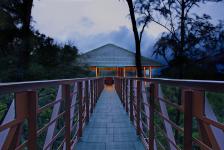
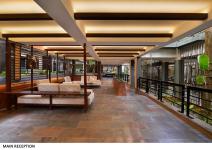
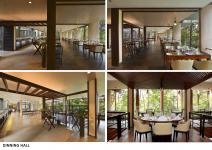
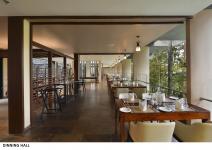
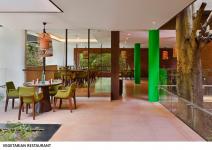
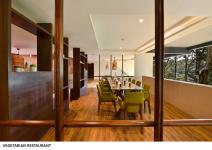
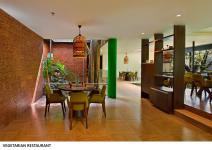
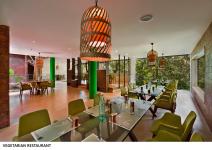
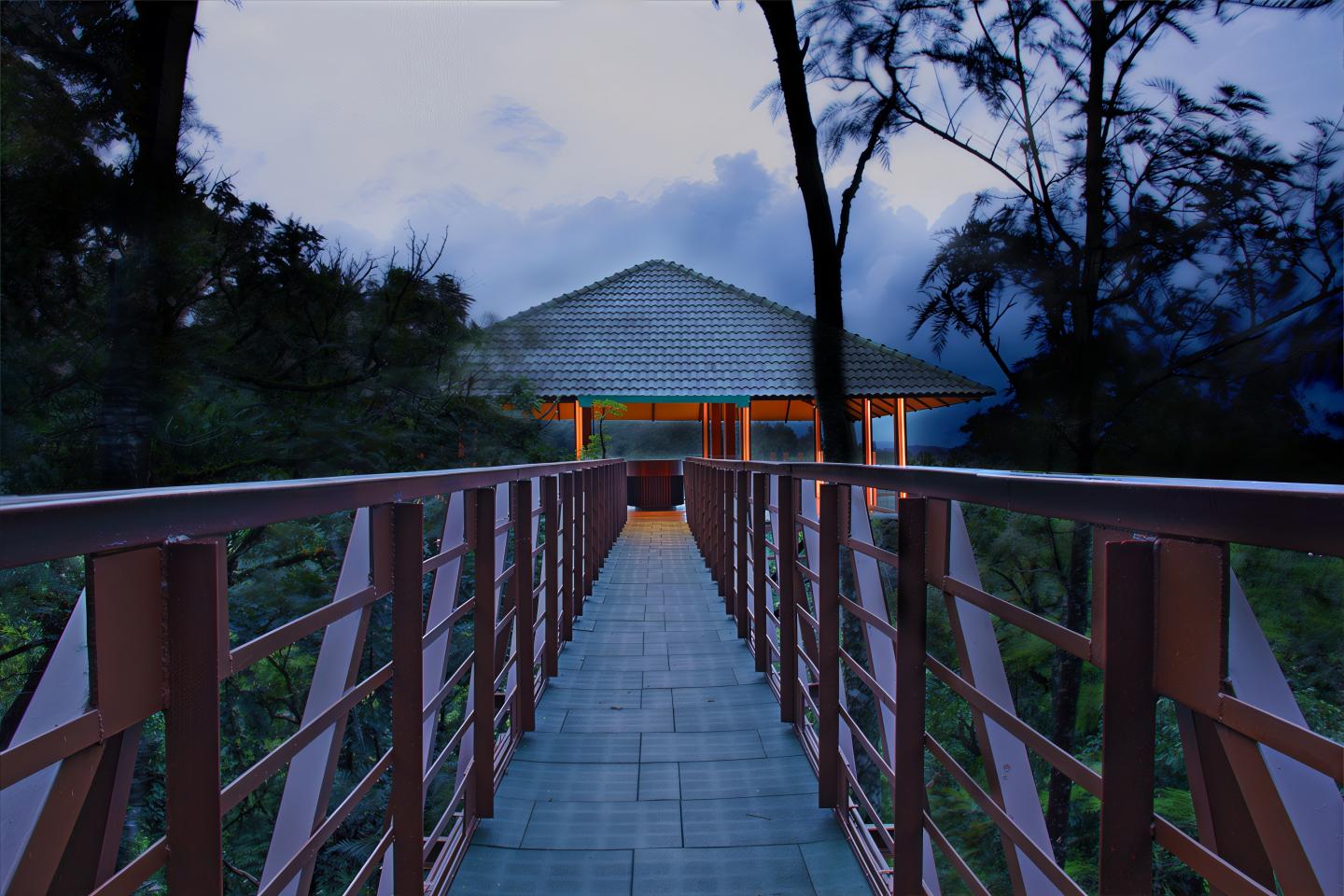
The interior design of the project is conceived as an immersive spatial narrative that draws its identity from the surrounding landscape, climate, and regional material culture. Rather than functioning as isolated enclosed environments, the interiors are designed as extensions of the natural context, allowing light, air, texture, and movement to shape the lived experience. The intent is to create interiors that are not only visually connected to nature but also engage the senses through material tactility, spatial layering, and environmental responsiveness.
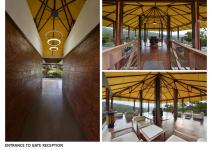
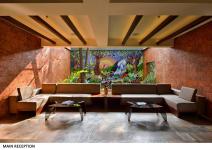
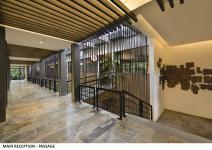
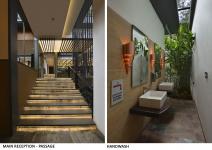
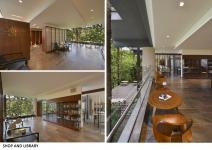
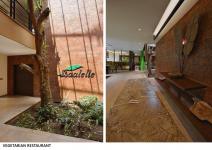
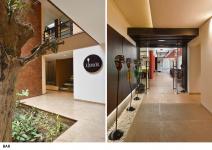
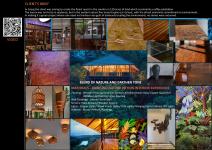
A restrained earthen palette forms the foundation of the interior language, emphasizing authenticity, warmth, and material honesty. Locally sourced laterite stone is used extensively across interior surfaces, introducing texture, depth, and a strong regional character while contributing to thermal comfort. Wooden logs salvaged from the site are repurposed as interior flooring, lending a sense of continuity between the natural terrain and the built environment, and reinforcing sustainable design practices through material reuse.
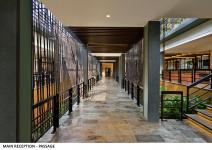
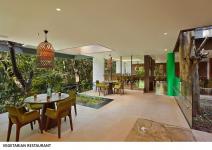
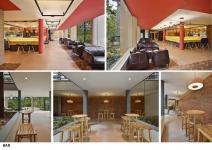
Interior spatial planning prioritizes permeability and visual continuity. Rope screens and wooden screens are employed as interior elements to create graduated levels of transparency between circulation spaces, courtyards, and primary interior zones. These elements allow light and air to filter through the spaces while maintaining functional separation and privacy. The extensive use of glass in Bar further enhances interior connectivity, enabling uninterrupted visual relationships across spaces and establishing a seamless indoor–outdoor dialogue that remains central to the interior experience.
Greenery is carefully integrated within the interiors, complemented by artworks that reference foliage and organic patterns, reinforcing a biophilic approach. Through strategic orientation, material selection, and detailing, these spaces capture subtle environmental cues such as the warmth of morning light, the movement of cool breezes, and the sensory presence of rain and mist.
Lighting is treated as an integral component of interior design rather than a decorative afterthought. Indirect lighting strategies are employed to wash walls, floors, and ceilings, enhancing material textures and spatial volumes while eliminating glare. Overall, the interior design aspires to create calm, grounded spaces that celebrate materiality, regional identity, and sensory engagement, offering a refined yet deeply contextual interior experience.
2014
2016
Project Location - Madikeri, Coorg
Project Area - 24,200 sft / 2248 smt(INTERIOR)
Architects - Abdul Hameed Consultants Pvt Ltd, Kozhikode
Interior Consultants - Architect Rajesh Patel, ARP Studio
ARP Studio Team - Vishal Parmar, Sneha Gupta, Sheetal Kamble
General Contarctor GC - ACME Interiors Pvt Ltd, Bengaluru
Artwork, Murals, Sculpture - Artist Mahesh Jagtap
IBNII Resort