Reimagining the Pearl River Edge: Guangzhou’s Industrial Waterfront Revival
Since 1910s, the Guangzhou shipyard had witnessed the prosperity of the industrial development until 2017 as the shipping logistics has shifted to another location. Led by Aedas Global Design Principal Ken Wai, the team won the urban design competition of the shipyard plot, injecting vibrancy to the city through a comprehensive renovation.
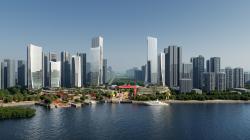
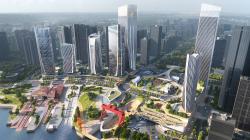
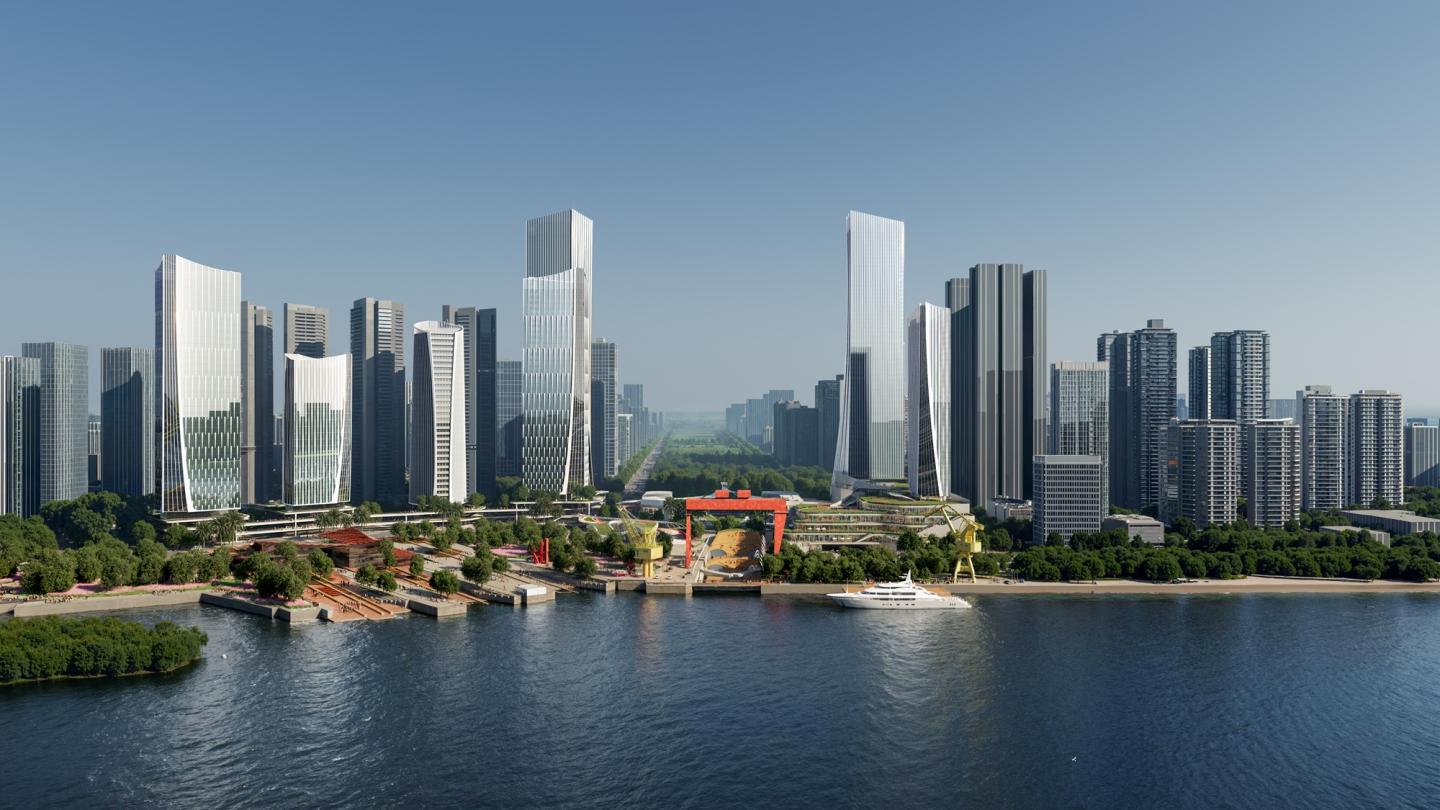
Located in the core area of the Pearl River’s rear channel, the project builds upon the industrial heritage of the shipyard, preserving key historical elements including docks, slipways and gantry cranes. The design concept integrates these remnants into a contemporary urban framework, creating a dialogue between industrial memory and future development.
‘The site is in the heart of west Guangzhou that is embraced by rivers. The design integrates historical context within an exceptional ecological setting. We hope to stimulate vitality by establishing an efficient urban design that incorporates the history, cultural and TOD system, reserving the urban context that shapes the community.’ Ken says.
Drawing inspiration from the fluidity of the Pearl River, the design is set to be a future-oriented riverside urban development that blends ecological parkland, digital industry and leisure development into a new paradigm for waterfront destination.
Layout Planning
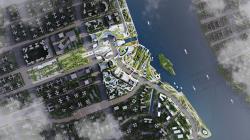
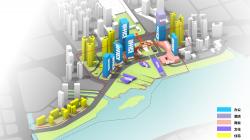
Confronting a fragmented site, the design introduces ‘two axes one belt within multiple zones’ anchoring the waterfront retail zone, business hub, heritage district and residential area. The frontage forms a continuous ecological belt, enhancing connectivity, landscape integration, and public access across the development.
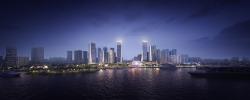
A central courtyard is designed between the towers, creating a unique skyline in Guangzhou highlighting the Pearl River and surrounding developments.
An inter-connected city
The transportation system is re-designed to achieve high efficiency and connectivity. The public transit of rail, road and sea is well-connected to create a seamless transportation system for a smooth commuting experience.
The design also connects the fragmented plots and creates a mixed commercial destination through activating the underground space and pedestrian system on ground.
The project consists of various underground spaces. Underground cultural amenities including metro station, shipyard museum, library, and performance centre are linked by the circulation of B1 and B2 floors. These also connect with the retail space and offer a complete underground pedestrian system.
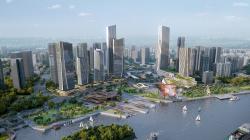
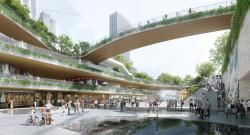
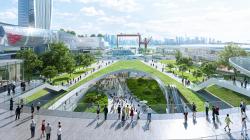
24-hour corridor system including bridges, platforms and terraces guide the circulation to the porous complex. The cascading terraces face the river, creating multi-layered retail elements with scenic view. A cycling trail is created to complement the low carbon multi-dimensional pedestrian system for all ages.
Designing an urban oasis
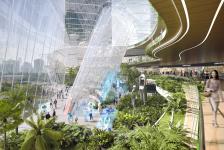
The surrounding biodiversity axis connects with the project and create multi-levelled landscape system and public space. The integration enjoys an array of waterfront resources and creates a vibrant eco-friendly space.
A plentitude of public spaces are created, including courtyards and urban park with greenery, combining the historical heritage, technology, culture, commercial and entertainment by a waterfront corridor. It links all the amenities to create an immersive experience.
‘Through enhancing the urban fabric, the design reserves the shipyard culture and creates a humane destination that filled with greenery and waterfront resources. The well-connected development is vitalised with parks, TOD and recreational facilities for the city.’ Ken shares.
2025
Project: CITIC Pacific Guangzhou Shipyard Project
Location: Guangzhou, China
Client: China State Shipbuilding Corporation and CITIC Pacific Properties
Masterplanner: Aedas
Gross Floor Area: 400,250 sq m
Completion Year: On-going
Design Director: Ken Wai, Global Design Principal
Masterplanner: Aedas
Design Director: Ken Wai, Global Design Principal
Aedas -