PROJECT OBJECTIVES
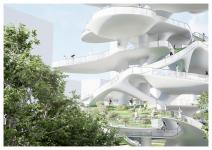
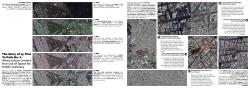
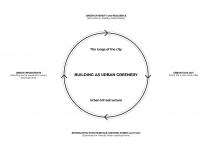
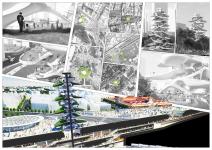
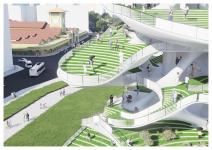
Responding to the urgent requirement for public amenities in Ho Chi Minh City, the project addresses the critical shortage of green space and biodiversity caused by urban hyper-density. With limited land available for public infrastructure, the design proposes a vertical park model optimized for small, narrow footprints. Crucially, the project aims to avoid the controversial precedents of erasing urban memory-such as the Ly Thai To Park proposal-by integrating respectfully into the existing urban fabric rather than displacing it.
DESIGN CONCEPT
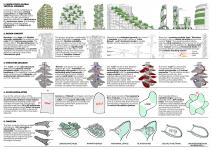
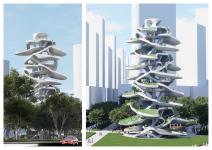
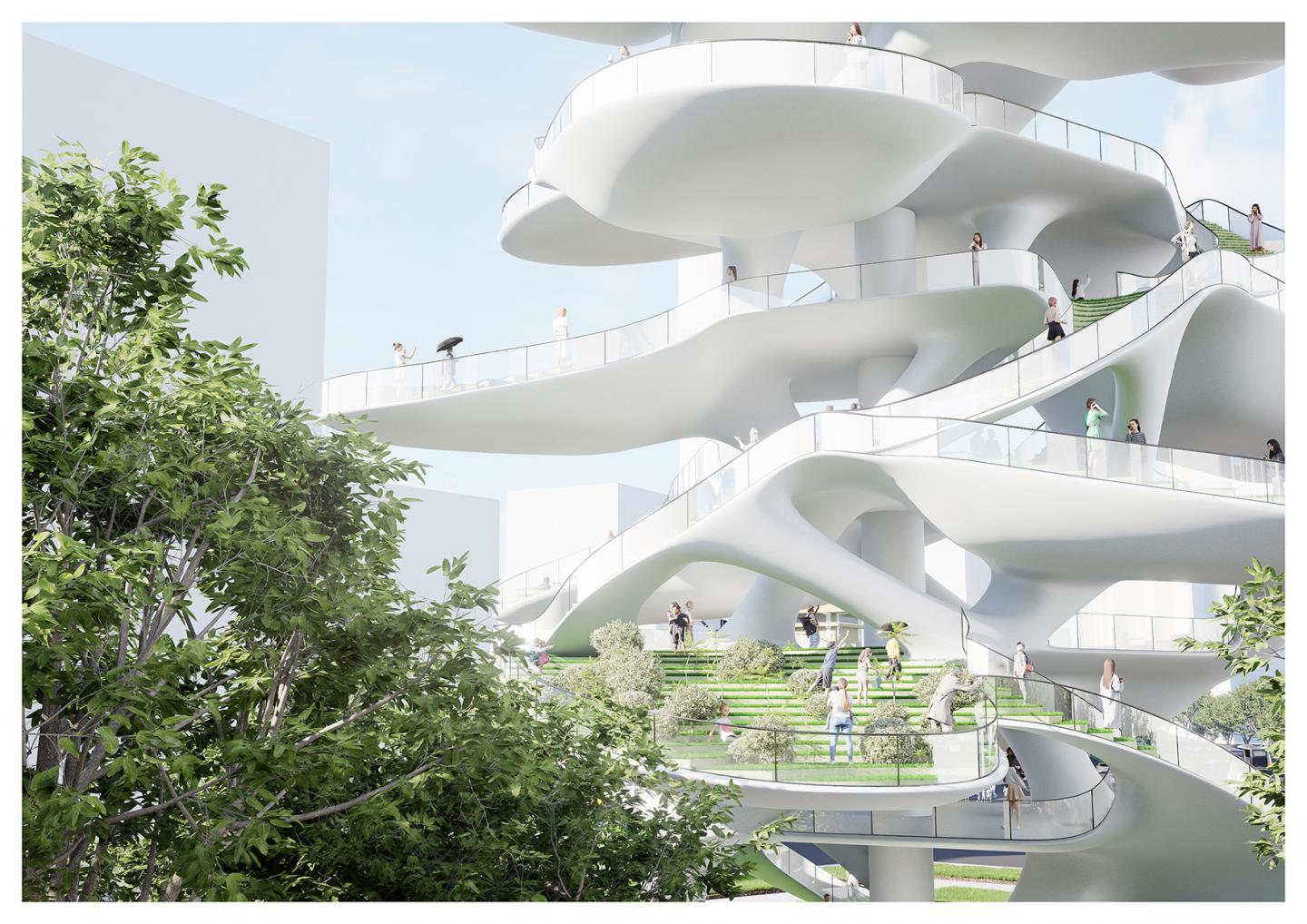
Drawing inspiration from nature's resilience, the design mimics the structural growth of Bamboo and Bamboo Shoots, utilizing a hierarchy of "Culm" (Core) - "Branch" (Structure) - "Leaf" (Deck).
From this biological basis, the project evolves into a vertically scalable, customizable modular system. To overcome the natural structural limitations of bamboo-specifically its susceptibility to sway and weak branching-the design interlocks the "Branches" into a spiraling lattice. This helical geometry enhances aerodynamic stability against wind loads while providing robust support for the "Leaf" floor plates.
URBAN SIGNIFICANCE
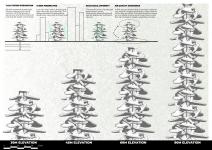
In the context of HCMC's scarcity of land for public parks, this model offers a vertically expandable solution using prefabricated modules. The adaptability of the floor plates-adjustable within a 15-degree gradient-ensures flexibility for various site conditions. The emergence of these vertical parks serves as a catalyst for environmental remediation, enhanced biodiversity, and urban connectivity, effectively fulfilling the diverse public needs of a dense metropolis.
2025
Location: Ben Thanh Market Area, District 1 (Pilot Site) & various narrow urban plots.
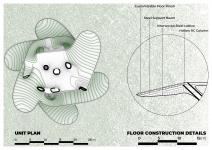
Typical Floor Area: Max. 265 m².
Primary Structure: Steel and Reinforced Concrete (RC).
THE "CULM" (Core & Spine): Acting as the project's structural backbone, the "Culm" serves as the rigid central core and primary vertical circulation shaft. It anchors the building by extending deep below grade, seamlessly integrating with subterranean infrastructure and future T.O.D networks.
THE "BRANCH" (Structural Framework): Extended and diagonally interwoven, the "Branch" system forms an ascending spiral framework that supports the floor plates. This helical geometry significantly enhances aerodynamic stability against wind loads. The system comprises three distinct typologies based on their load-bearing function: supporting floors, staircases, or a hybrid of both. Crucially, the "Branch" volume is voluminous enough to enclose concealed fire escape stairs.
THE "LEAF" (Adaptive Platform):
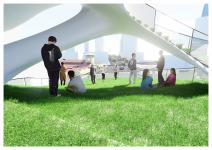
- Functional Deck: Serving as the adaptive floor plate, the "Leaf" is customizable for landscaping, public activities, and urban connectivity. Its gradient is variable, allowing slope adjustments to suit specific programmatic needs, thereby facilitating diverse functional clusters and distinct ecological strata.
- Scenic Connector: A secondary "Leaf" component functions as a vertical promenade. This circulation system features two configurations: a continuous helix spiraling from base to summit, and localized links connecting adjacent floor pairs.
MODULAR LOGIC & ASSEMBLY: The design follows a repetitive logic where modules taper vertically with a 60-degree rotation index. This standardization allows for rapid prefabrication and on-site assembly, ensuring efficiency while maintaining complex vertical connectivity.
Author: Nguyen Huy Du
Academic Supervisor: M.Arch.Ho Dinh Chieu
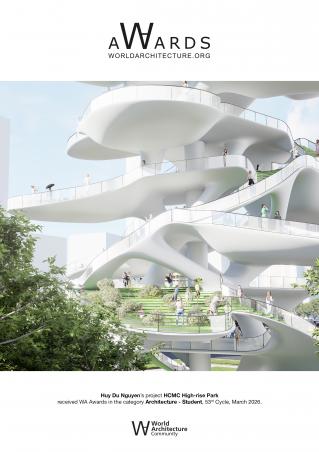
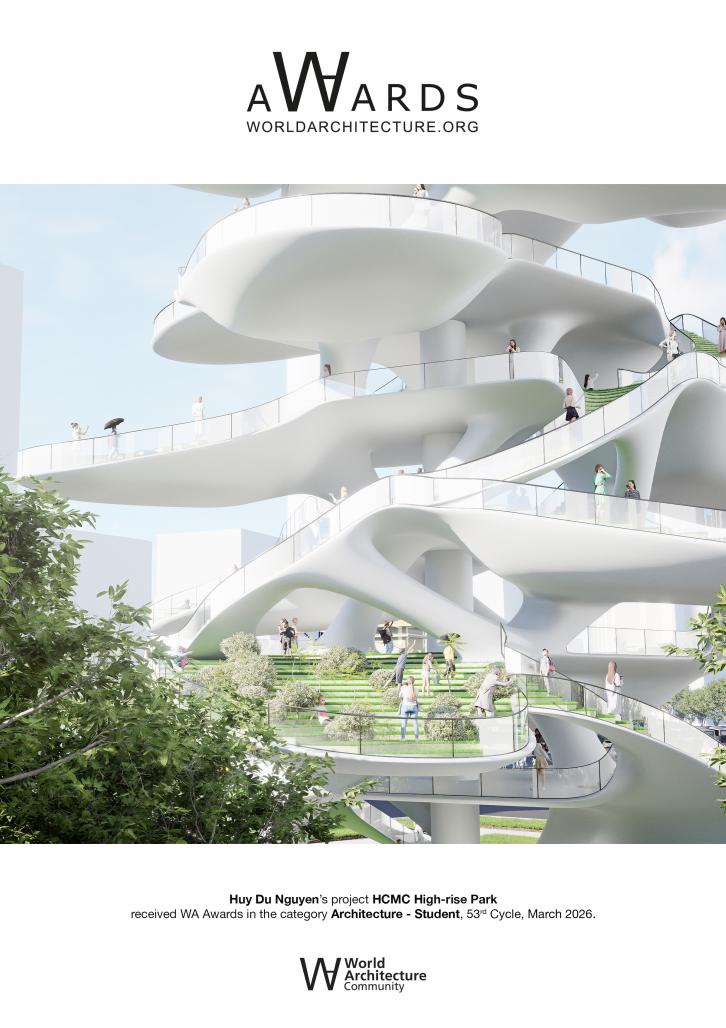
HCMC High-rise Park by HUY DU Nguyễn in Vietnam won the WA Award Cycle 53. Please find below the WA Award poster for this project.
Downloaded 0 times.
Huy Du Nguyễn