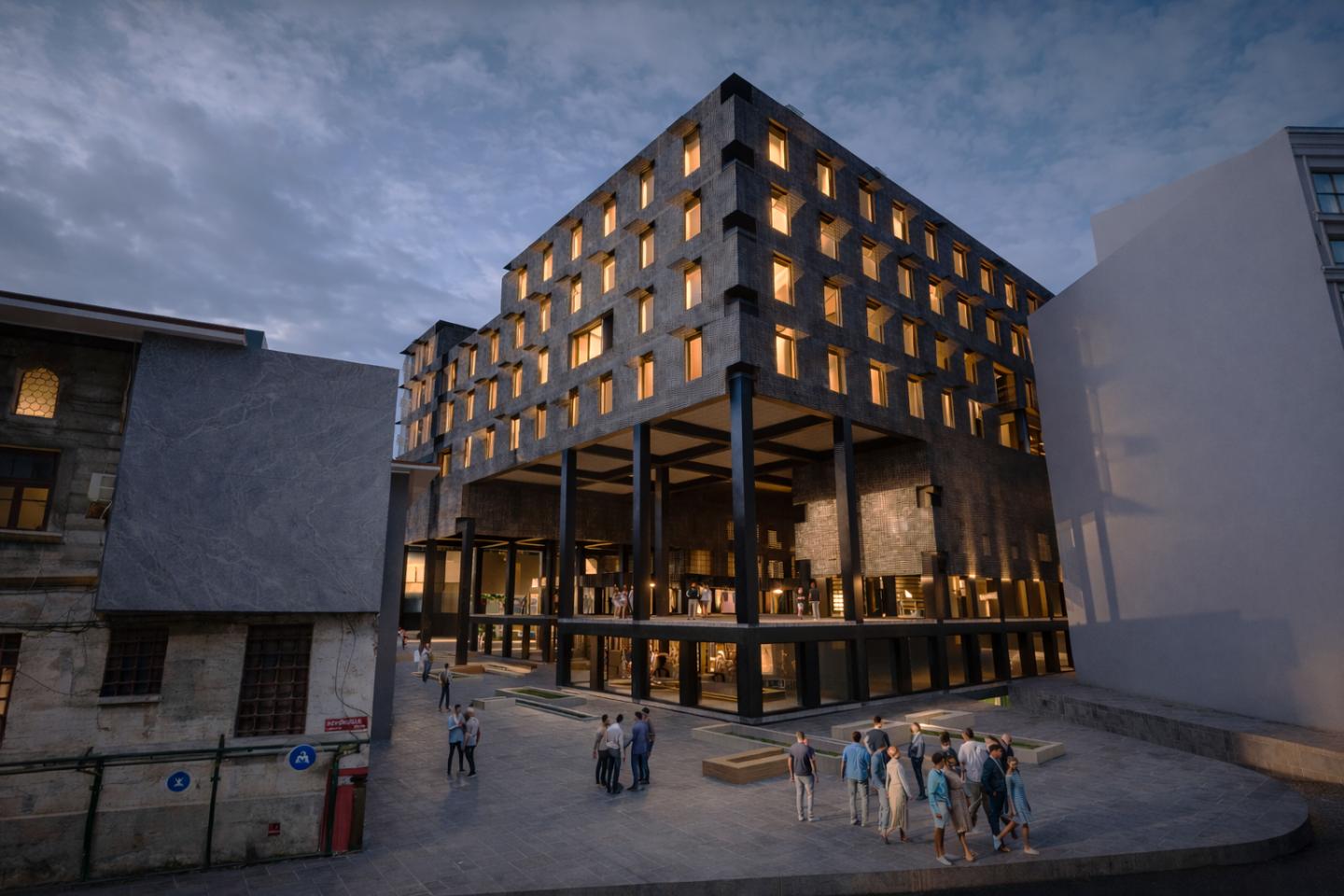
"Pixels Refuse Order," a computational design intervention situated on Abide-i Hürriyet Street, Şişli, Istanbul. In this design, the refusal of order is not a rejection of structure, but a celebration of absolute flexibility.
Instead of our spatial units—our pixels—being confined to a static grid, we envisioned a dynamic and adaptable architectural system that responds to the vibrant and ever-changing pulse of Istanbul.
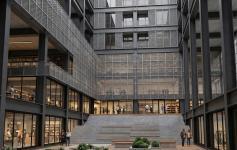
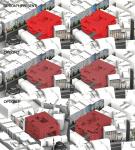
This philosophy comes to life in "Urban Void," a deliberate social space that breaks up urban density to provide a flexible stage for public interaction. Using Rhino and Grasshopper, we transformed this pixelated logic into a functional mixed-use ecosystem that seamlessly integrates social lounges, creative workspaces, and modular living units. To ground this fluid conceptual vision, we developed a sophisticated steel and composite structural system that provides stability without compromising the project's multifaceted geometry. Within the framework of the Architectural Design Informatics Program, balancing digital innovation with the physical realities of the urban fabric was a profound journey.
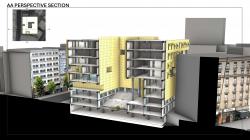
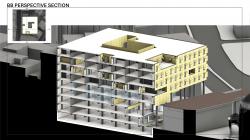
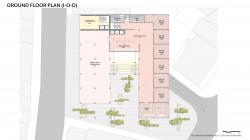
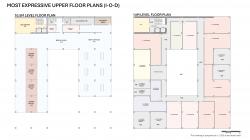
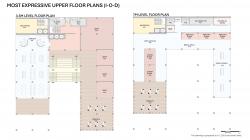
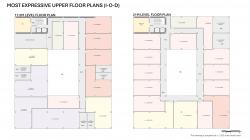
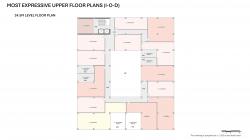
This project addresses the transformation of a location squeezed within the urban fabric, thereby fulfilling the function of a multifunctional center for the city. The lower floors of the building consist of public spaces, while the upper floors house office and residential areas.
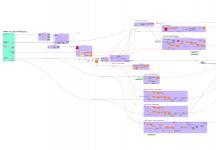
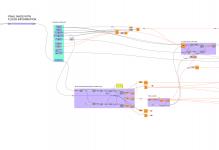
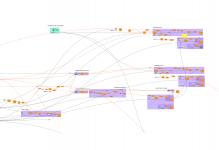
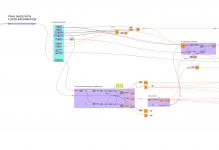
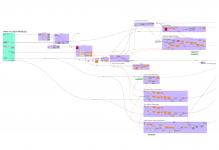
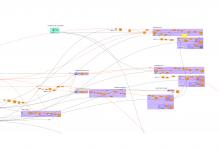
This architectural project, developed in Şişli, was produced in the Grasshopper environment using a parametric system in line with the computational design approach. The process began by defining a main axis and reference plane referencing the site context. A two-dimensional grid (voxel/pixel system) was designed on the defined area, with large grid cells used to create the main mass modules and sub-grids used to develop facade, window, and detail decisions. Grid cells were separated into public and private areas according to their functions; ground floor and public programs were shaped using defined filters and Boolean operations, while residential/office masses were organized according to distance, view, and void criteria. The number of floors, floor height, and column axis spacing were defined as parametric variables in the system; any change in a parameter allowed for the simultaneous updating of the mass, floor slabs, and structural system. Floor slabs and facade boundaries were obtained through the merging and offsetting of voxel surfaces; columns, beams, and shear walls were derived from grid intersections. In the facade system, the pixel logic is preserved, with window openings automatically defined in relation to column axes, while in residential units, scale control is ensured by dividing them into smaller modules. As a result, a holistic and fully parametric architectural system has been created where mass, space, structure, and facade decisions work together in an interconnected manner.
2026
The building is technically designed as a steel structure, with concrete also used for support. A mesh system is used on the facade to take advantage of its sun-breaking properties. The building consists of a total of 8 floors. Each floor has a height of approximately 3.5 meters. The ground floor has a different height than the other floors. The parking entrance and exit are located on the east side of the building. The parking lot is located at a level of -3.5 meters.
Project Team: Hakan Şahin, Azat Kılınç, Buse Kule, Elif Erkol, Fatma Nur Dicleli
Supervisor: Assoc. Prof. Dr. Michael S. Bittermann
Hakan Şahin
Favorited 2 times