Four Seasons Hotel Diriyah: A Journey Through Najdi Architecture
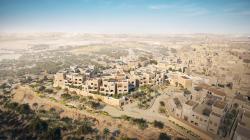
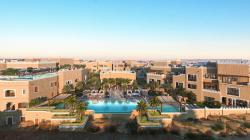
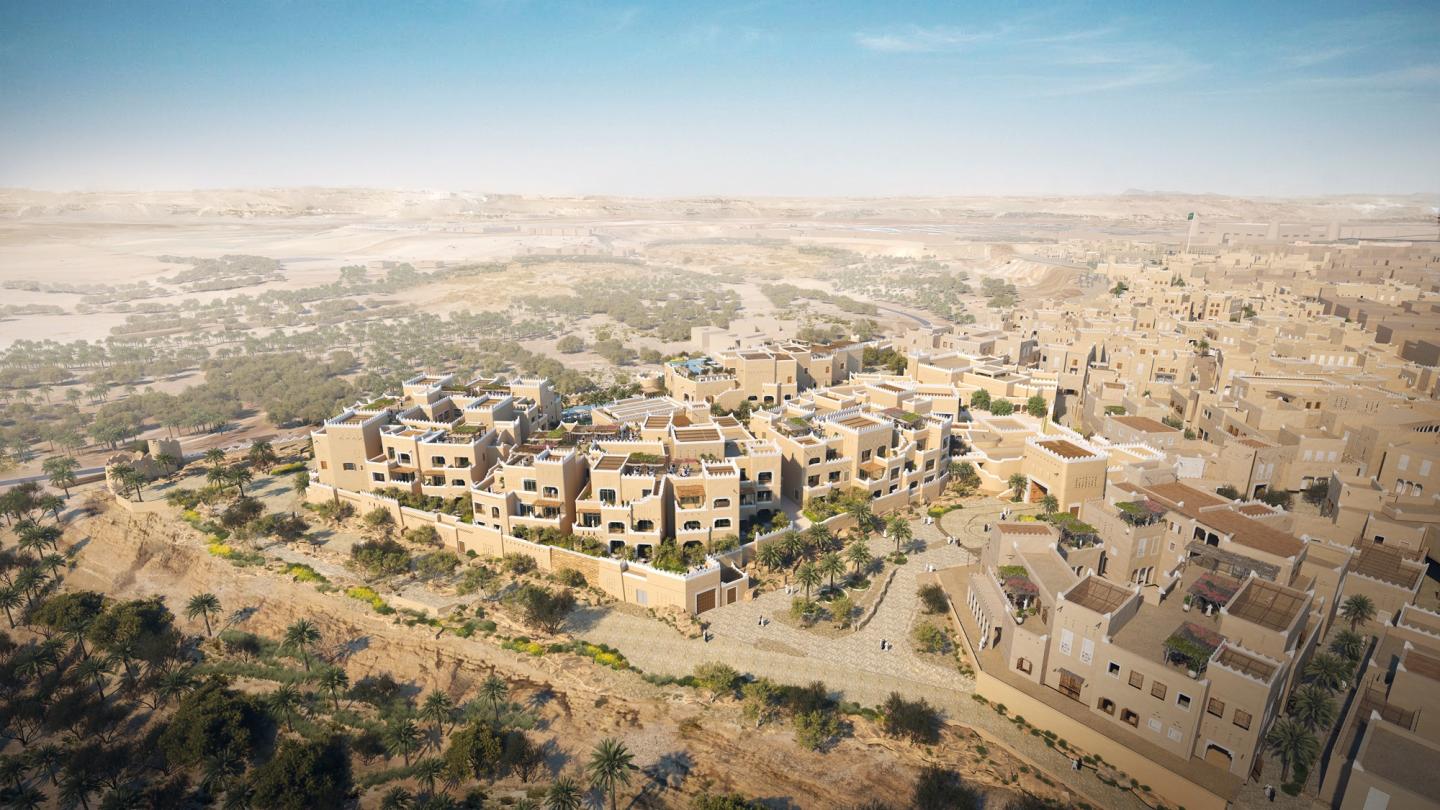
Located within Diriyah’s Qurain Cultural District in Saudi Arabia, the Four Seasons Hotel Diriyah designed by Aedas introduces a hospitality destination rooted in the cultural legacy of Diriyah. The 150-key resort is conceived as an immersive environment where contemporary hospitality is shaped by the architectural traditions, landscapes, and social rhythms of the Najd region, overlooking the historic heritage wall and set within a culturally significant and historically rich location.
Diriyah holds profound historical significance as the birthplace of the Saudi dynasty and home to the UNESCO World Heritage Site of At-Turaif. Characterised by its earthen architecture, courtyards, and defensive urban fabric, the historic settlement provides an important reference point for the hotel’s design. Drawing from this legacy, the project reinterprets the principles of Najdi architecture to create a contemporary resort that reflects the identity and memory of the place.
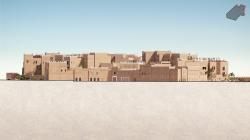
The design responds to Diriyah’s architectural language through a contemporary interpretation of Najdi vernacular. Traditional settlements in the region are defined by compact massing, inward-looking courtyards, and earthen materials that provide climatic protection and privacy.
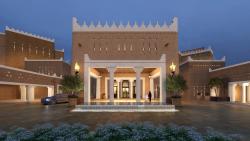
The palette of muted earth tones, thick plastered walls, and textured façades echoes the material character of historic Najdi buildings while employing modern construction techniques. This approach establishes a sense of continuity between the historic fabric of Diriyah and the contemporary development surrounding it.
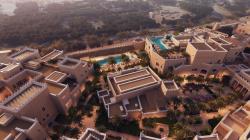
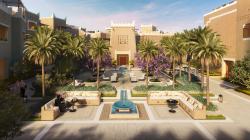
The spatial organisation of the hotel draws inspiration from the traditional neighbourhood structures of Najdi settlements. Courtyards serve as the primary organising elements, creating a sequence of outdoor rooms that provide shade, social gathering spaces, and moments of calm within the resort environment.
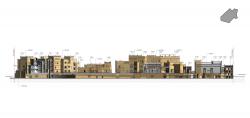
Guests experience the hotel through a gradual transition of spaces—from arrival courtyards and public hospitality areas to more private guest accommodations and rooftop terraces. This layered spatial hierarchy reflects the cultural emphasis on privacy while fostering a strong connection between interior and exterior environments.
Architectural details throughout the project reinterpret traditional elements found in Najdi architecture. Carefully positioned openings allow daylight and natural ventilation while maintaining privacy. Wooden doors and crafted details introduce warmth and texture, reinforcing the tactile qualities associated with regional craftsmanship.
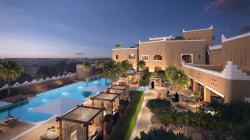
Rooftop terraces inspired by the traditional “Sharfat” typology provide elevated spaces for relaxation and gathering, offering panoramic views across the Diriyah landscape and the surrounding Wadi Hanifah valley.
The resort comprises 150 guest rooms distributed across three levels, alongside a range of hospitality amenities including specialty dining venues, all-day restaurants, meeting spaces, a ballroom, and a kids club, as well as spa facilities, pools, and fitness areas.
By integrating hospitality functions within a network of outdoor spaces, terraces, and gathering areas, the design fosters a sense of cultural immersion where guests experience the atmosphere, materiality, and spatial qualities associated with Najdi architecture.
Environmental performance is integrated into the design approach, reflecting the climatic intelligence inherent in traditional architecture.
The project targets LEED certification alongside SITES and MOSTADAM ratings. Passive design strategies, environmentally responsible materials, and energy-efficient systems contribute to reducing the environmental footprint while supporting comfortable interior environments.
2026
Project: Four Seasons Hotel Diriyah
Location: Diriyah, SA
Client: Diriyah Company
Design and Project Architect: Aedas
Gross Floor Area: 21,000 sq m
Design Directors: Ignacio Gomez, Global Design Principal
Design and Project Architect: Aedas
Design Directors: Ignacio Gomez, Global Design Principal
Aedas -