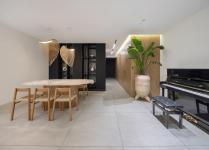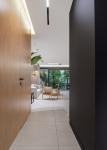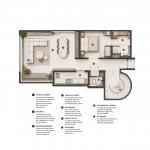
Joust is the transformation of a sixty-year-old house into a quiet, inward-oriented home, shaped by the desire to create a sense of retreat within the density and rhythm of urban life. Originally, part of the house had been used as a parking area and basement. The redesign redefined the entrance and circulation, establishing a clearer transition between the street and the interior while creating a sense of separation from the surrounding urban environment.
The project emerged from the resident’s desire to disconnect from the noise, movement, and constant pace of the city. A generous green courtyard in front of the house became the central spatial focus, introducing nature as an essential part of everyday life. Beyond its visual presence, the garden creates a gradual transition into the home, allowing the interior to feel more private, grounded, and connected to the natural environment.
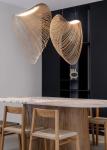
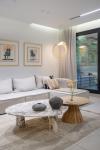
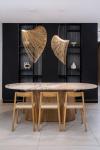
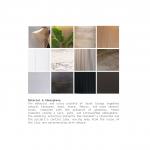
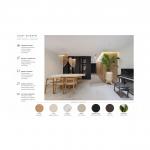
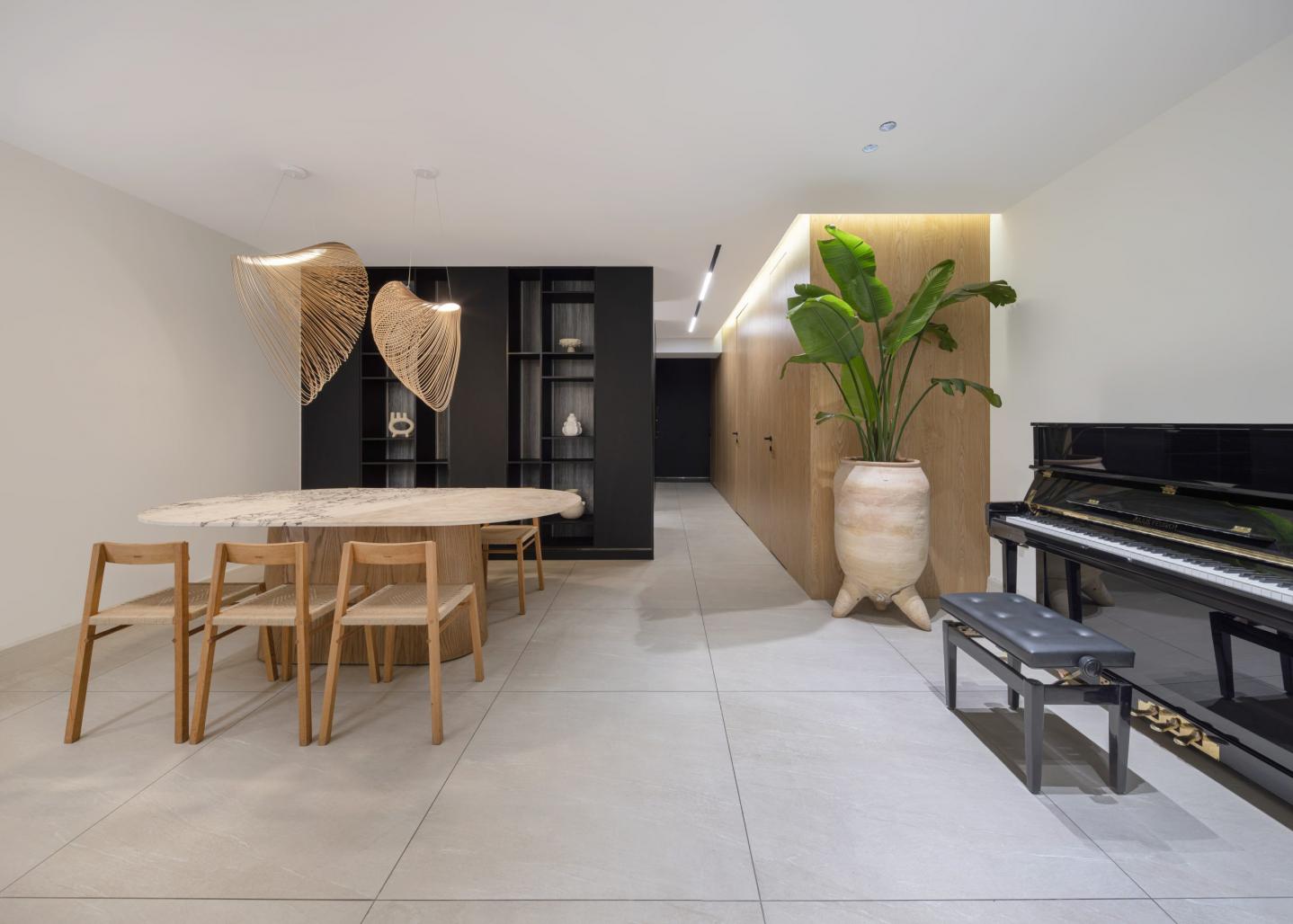
The resident’s calm personality and strong connection to music informed the design approach. Warm tones, natural materials, and the extensive use of wood establish a soft and intimate atmosphere. These elements, combined with the continuous relationship between interior spaces and the garden, create an environment that encourages stillness, comfort, and a slower rhythm of living.
Rather than imposing a predefined architectural language, the project seeks to align the space with the specific lifestyle and character of its inhabitant. The entrance, circulation, material palette, and relationship with the garden were carefully developed around this principle, allowing architecture to respond to the person who lives within it.
The name Joust refers to the language of music, rhythm, and tuning. Just as music finds harmony through the relationship between its elements, the house brings together space, material, nature, and everyday routines into a coherent whole.
Joust is a house tuned to its inhabitant.
2025
2025
he project emerged from the resident’s desire to disconnect from the noise, movement, and constant pace of the city. A generous green courtyard in front of the house became the central spatial focus, introducing nature as an essential part of everyday life. Beyond its visual presence, the garden creates a gradual transition into the home, allowing the interior to feel more private, grounded, and connected to the natural environment.
The resident’s calm personality and strong connection to music informed the design approach. Warm tones, natural materials, and the extensive use of wood establish a soft and intimate atmosphere. These elements, combined with the continuous relationship between interior spaces and the garden, create an environment that encourages stillness, comfort, and a slower rhythm of living.
Rather than imposing a predefined architectural language, the project seeks to align the space with the specific lifestyle and character of its inhabitant. The entrance, circulation, material palette, and relationship with the garden were carefully developed around this principle, allowing architecture to respond to the person who lives within it.
The name Joust refers to the language of music, rhythm, and tuning. Just as music finds harmony through the relationship between its elements, the house brings together space, material, nature, and everyday routines into a coherent whole.
Joust is a house tuned to its inhabitant.
Azadeh Azizie
Azadeh azizie