Submitted by WA Contents
The architecture of Casa San Francisco creates timeless "terroir" amidst vineyards in Mexico
Mexico Architecture News - Nov 05, 2025 - 05:51 3842 views
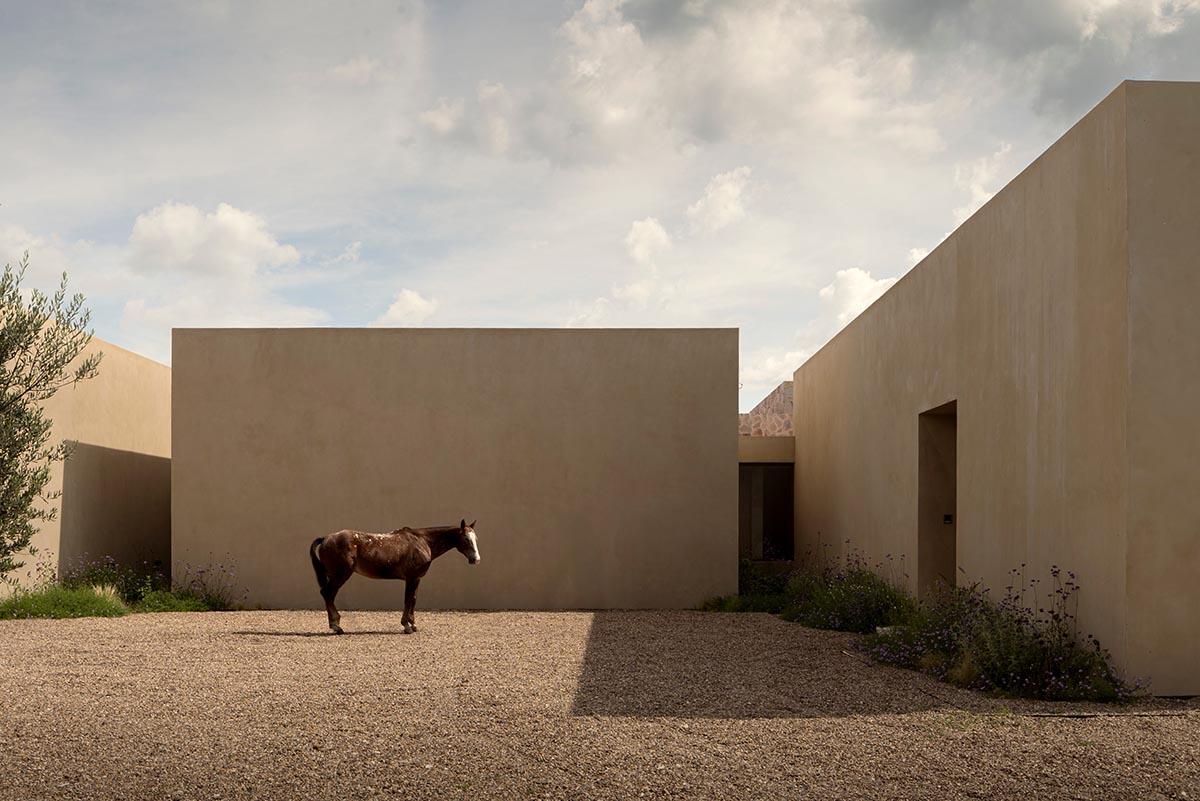
Jorge Garibay Architects has designed a house influenced by winemaking and convent architecture, situated on the outskirts of a charming town in Mexico.
Named Casa San Francisco, the project originated from a request for a vacation home situated in a vineyard on the outskirts of San Miguel de Allende, a charming colonial town in the Mexican state of Guanajuato.
Given its location, the primary aim was to establish a connection between architecture and winemaking while exploring the theme of time.
When Franciscan friars brought grape planting to Mexico in the 16th century, San Miguel de Allende—originally known as San Miguel el Grande—was established.
The missionaries' enormous undertaking of Catholic evangelization of the nation also gave rise to a movement that had an impact on colonial city layout and construction, especially the architecture of monasteries and convents.
Terroir, as used in winemaking, describes how a wine's distinct qualities, such its structure, flavor, and aroma, are influenced by both human and environmental influences, including cultivation practices and climate, soil, and altitude.
Similarly, the new setting had an impact on the architectural style used to provide refuge and facilities for catechesis to the religious who crossed the Atlantic.
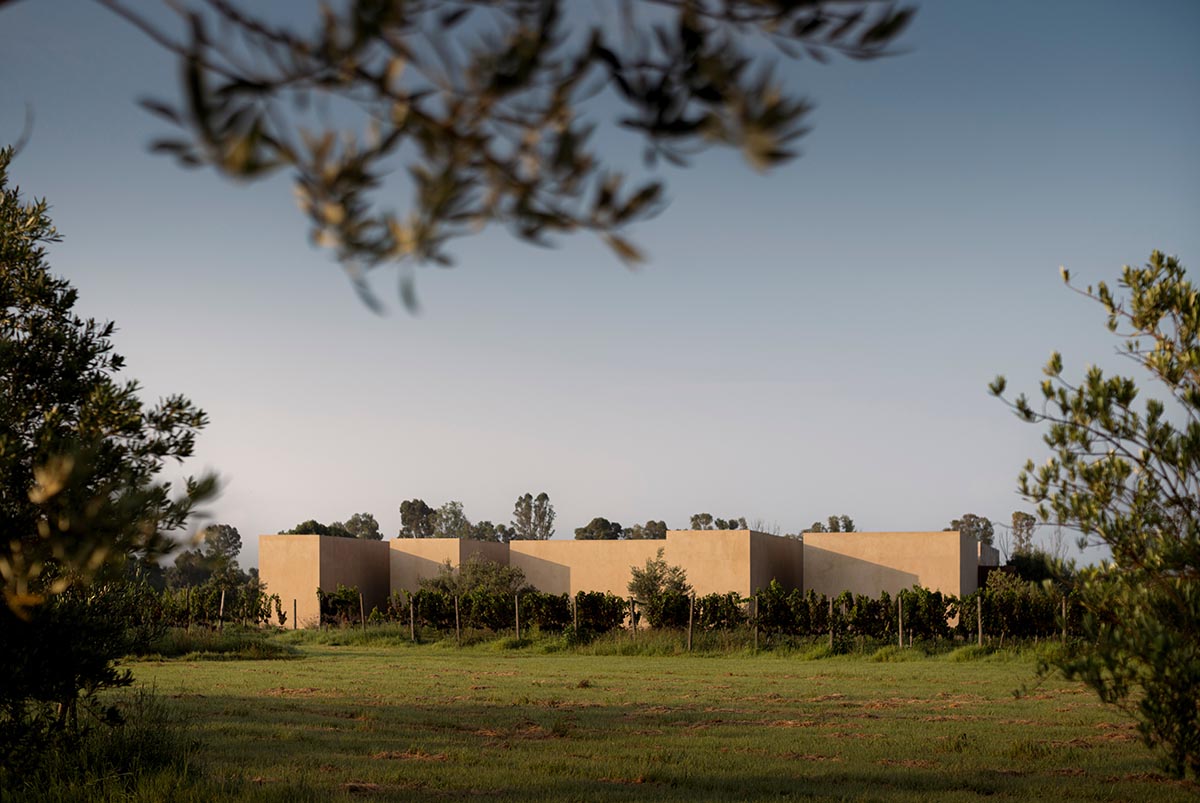
According to the studio, this style was a response to Mediterranean psychological procedures that were very different from pre-Cortesian architecture.
Thus, in order to achieve distinct and original outcomes, architecture and viticulture that were brought to Mexico in the 16th century were planted in new locations.
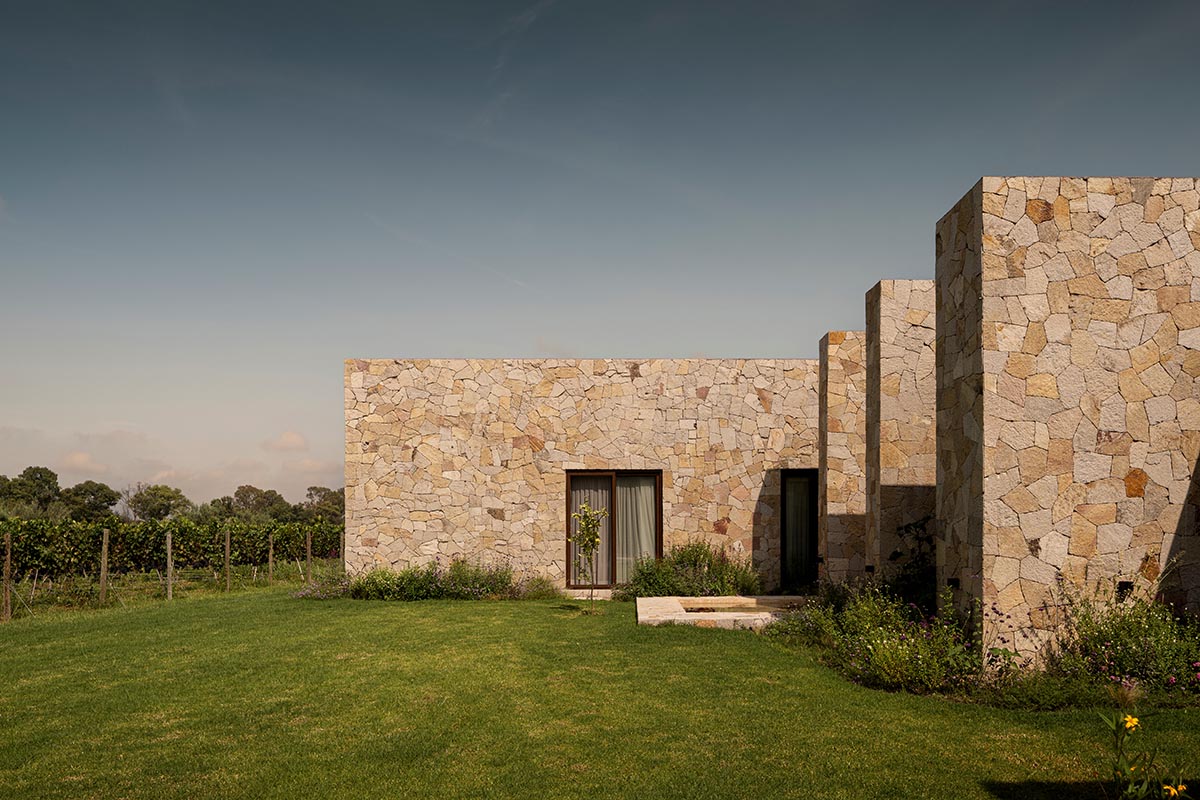
A third element of the Casa San Francisco design idea was inspired by the surrounding environment and the property's function as a place to rest and unwind.
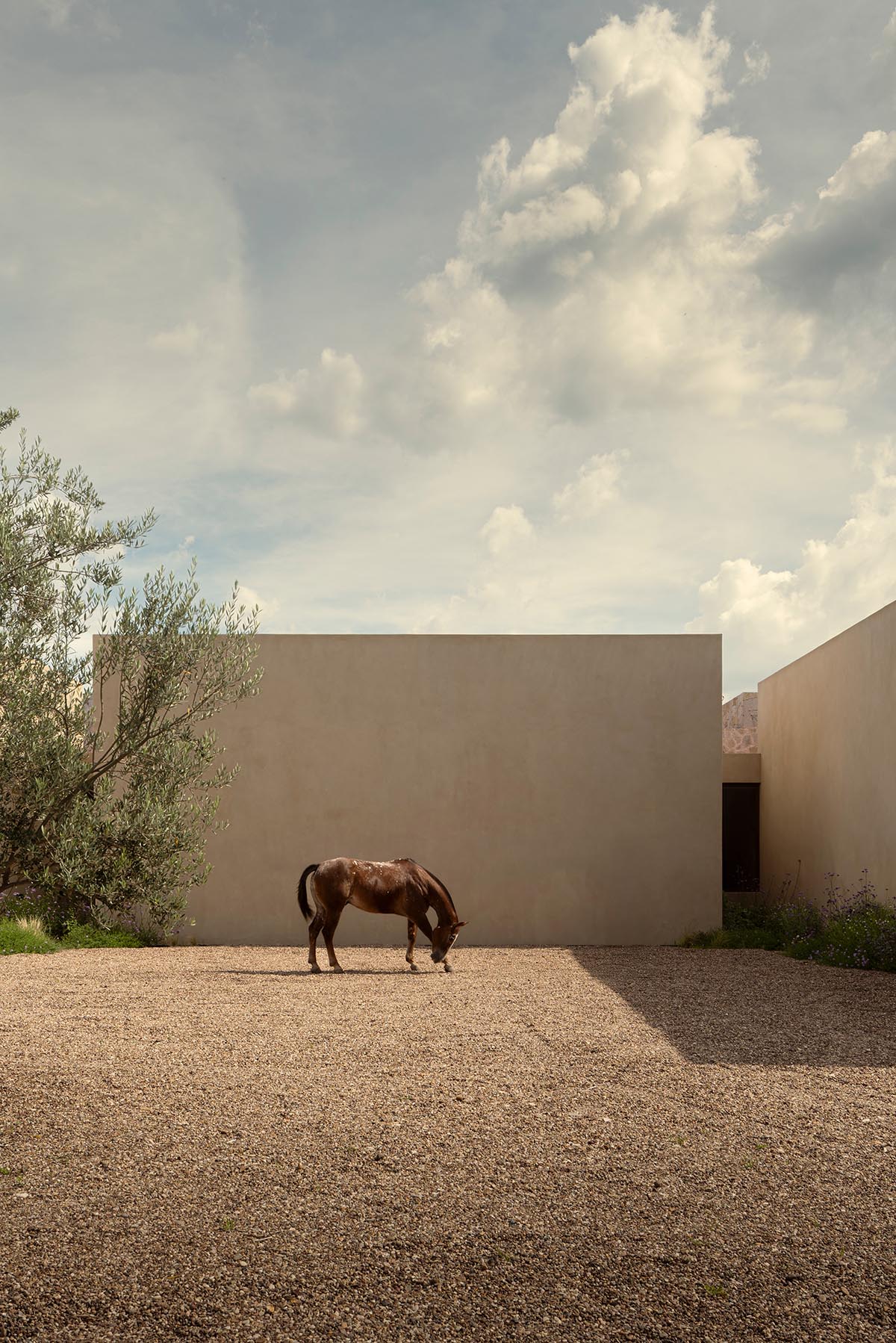
In addition to celebrating the seasonal processes of growth, change, decay, and entropy, the intention was to create a contemplative environment that would enable reflection on the world's natural order.
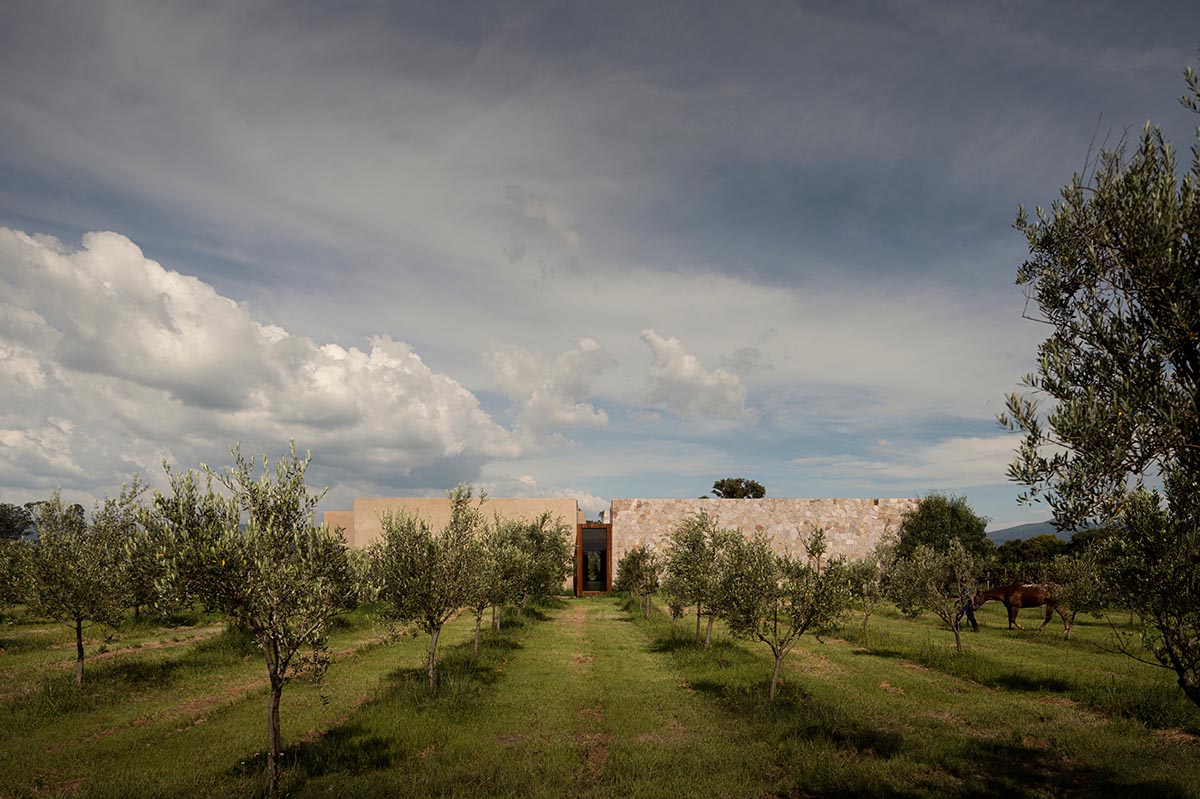
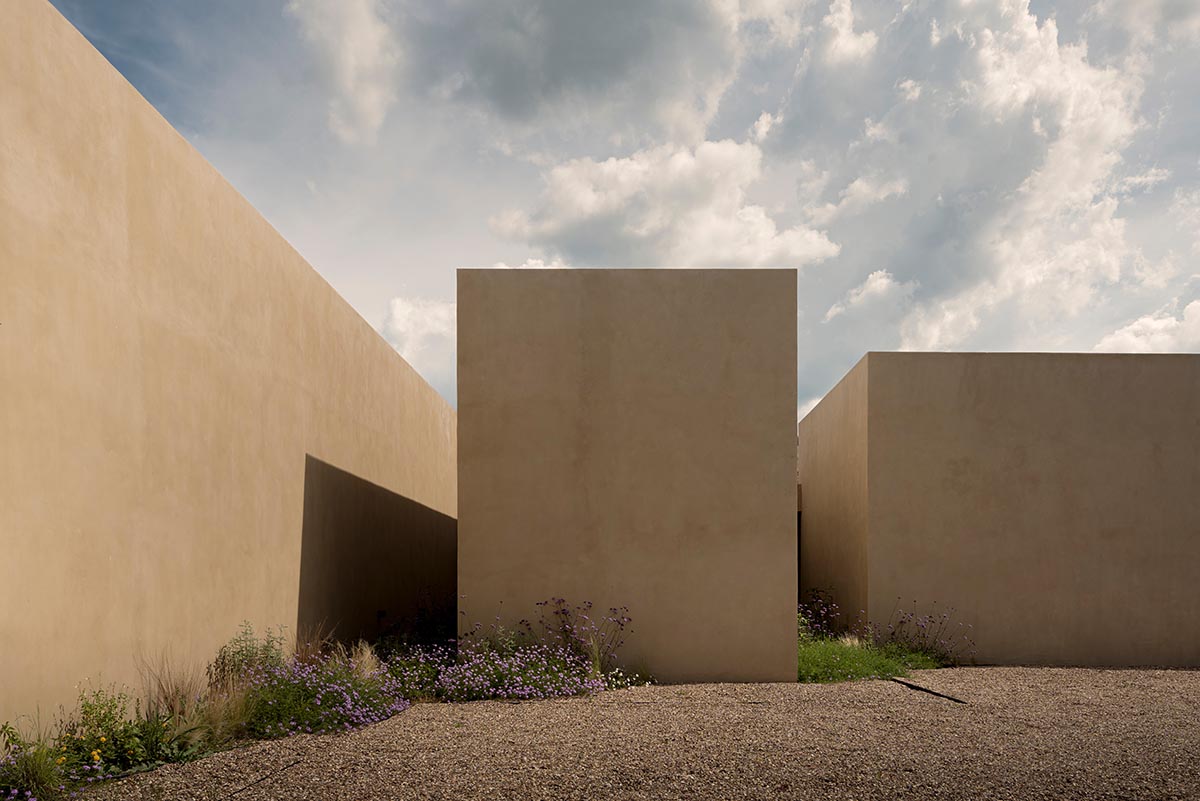
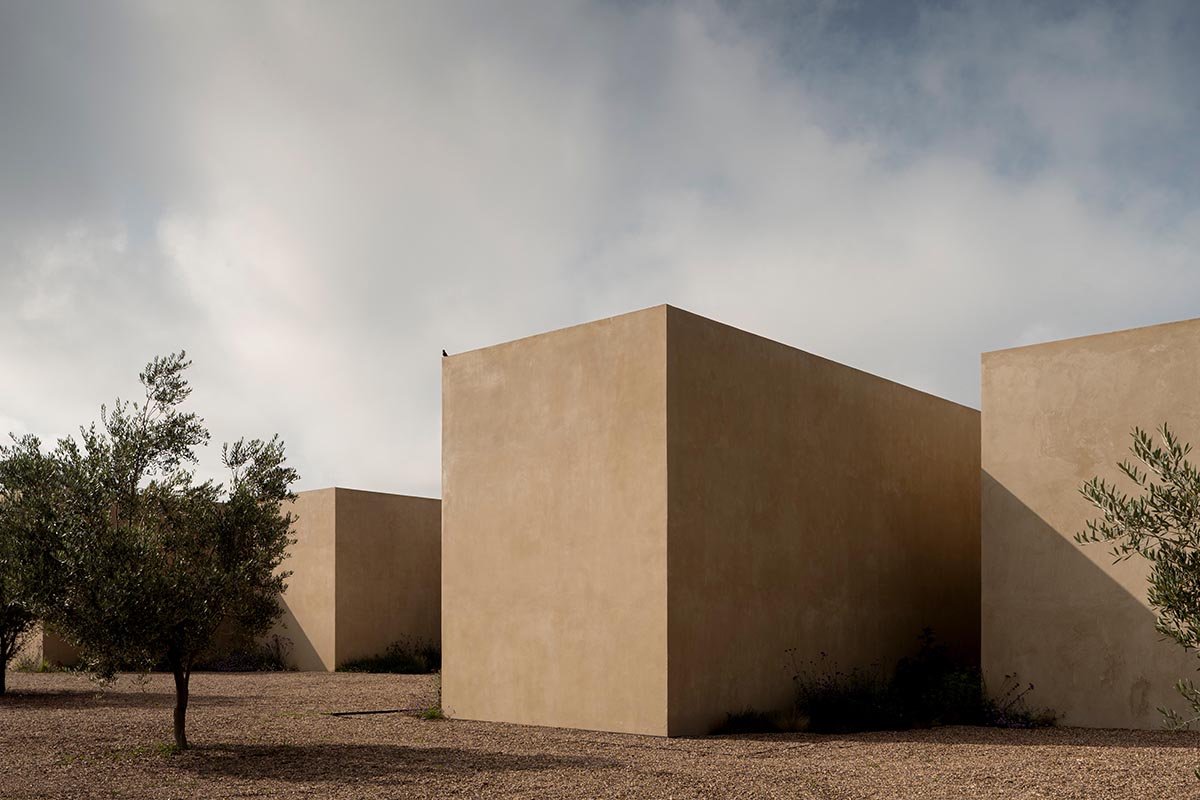
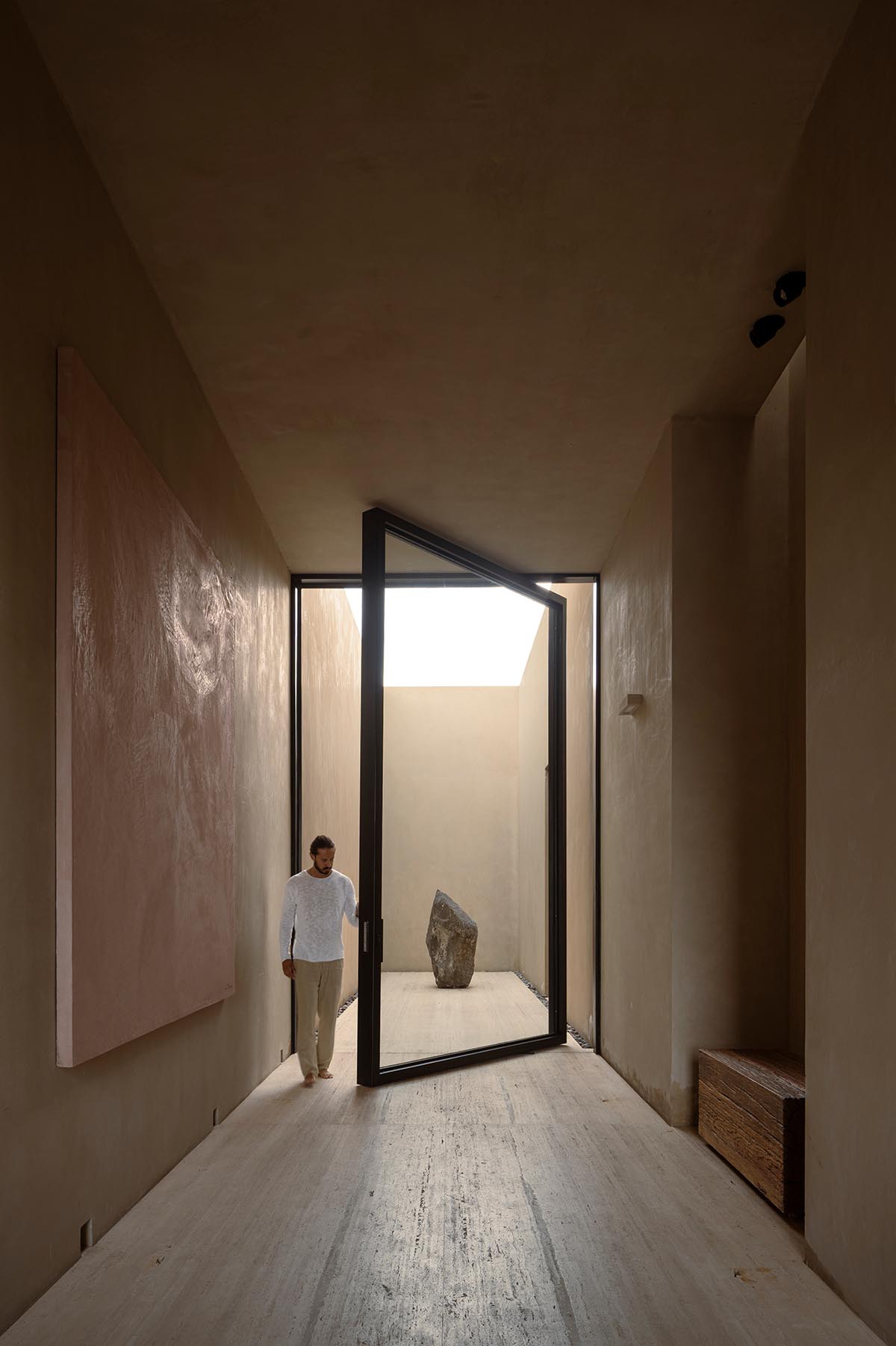
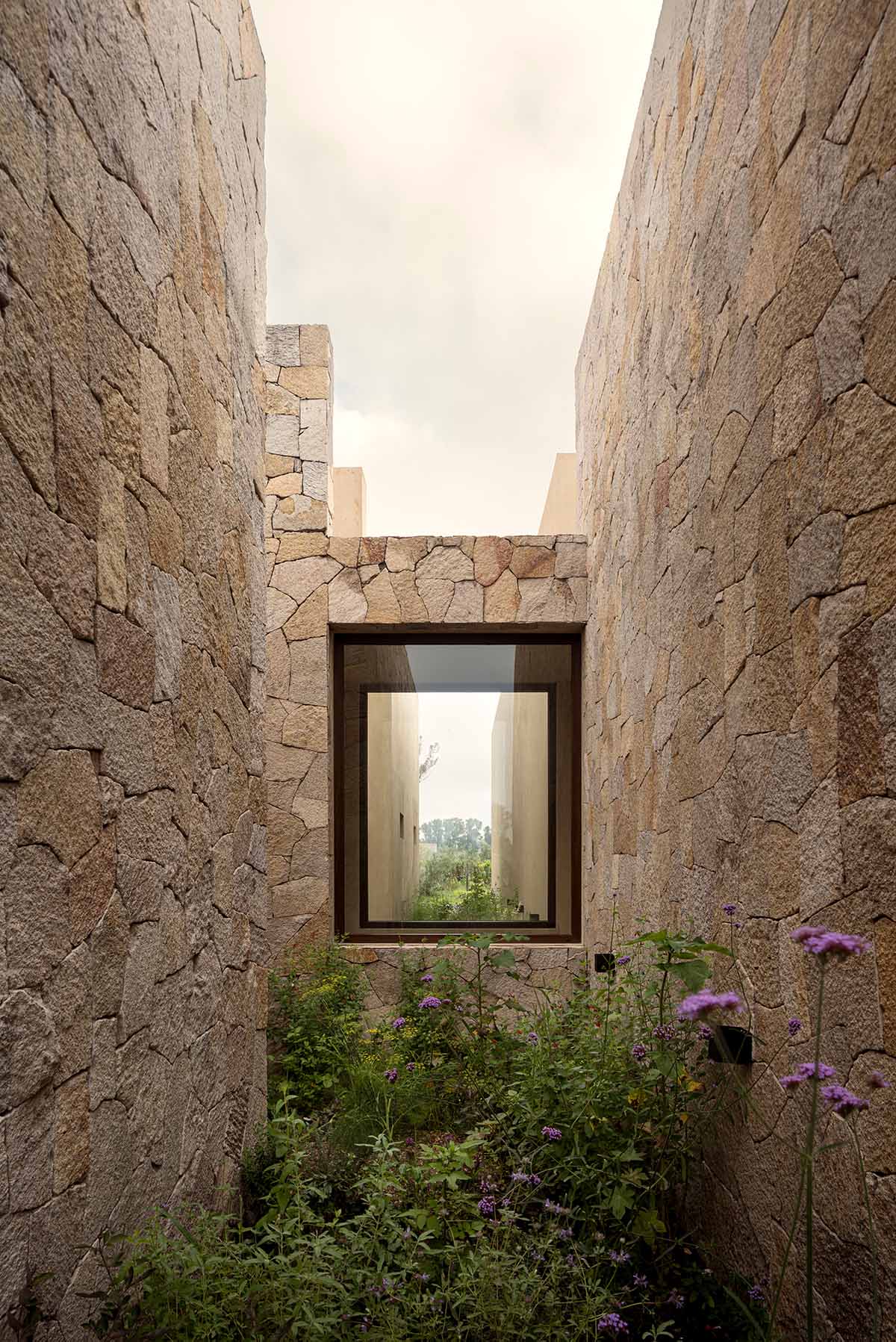
This was accomplished by dividing the house's spaces into five volumes that open to various landscaped areas, providing unobstructed views of the surrounding natural environment and the vineyards.
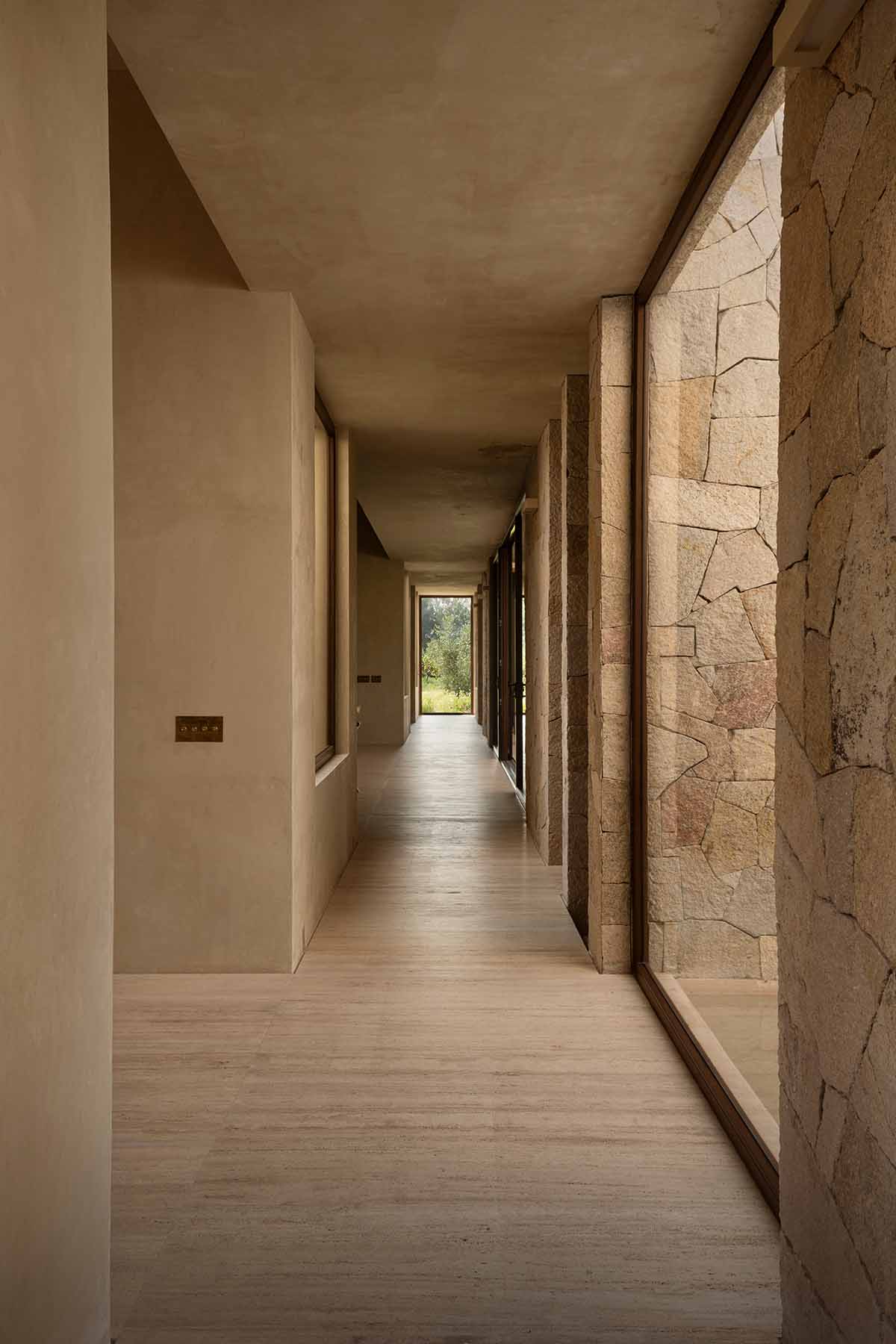
The spaces are arranged according to a transverse corridor that passes through the volumes.
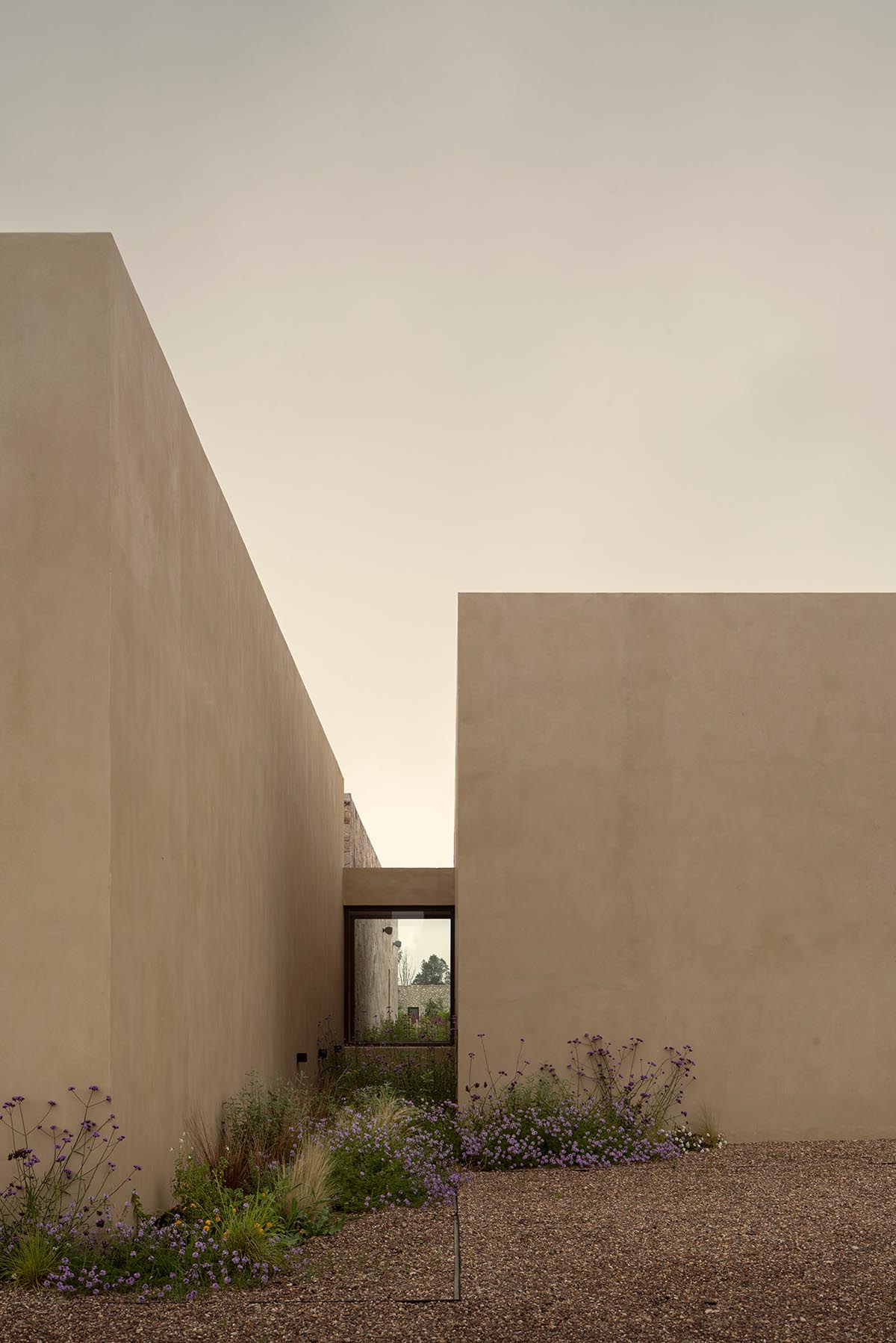
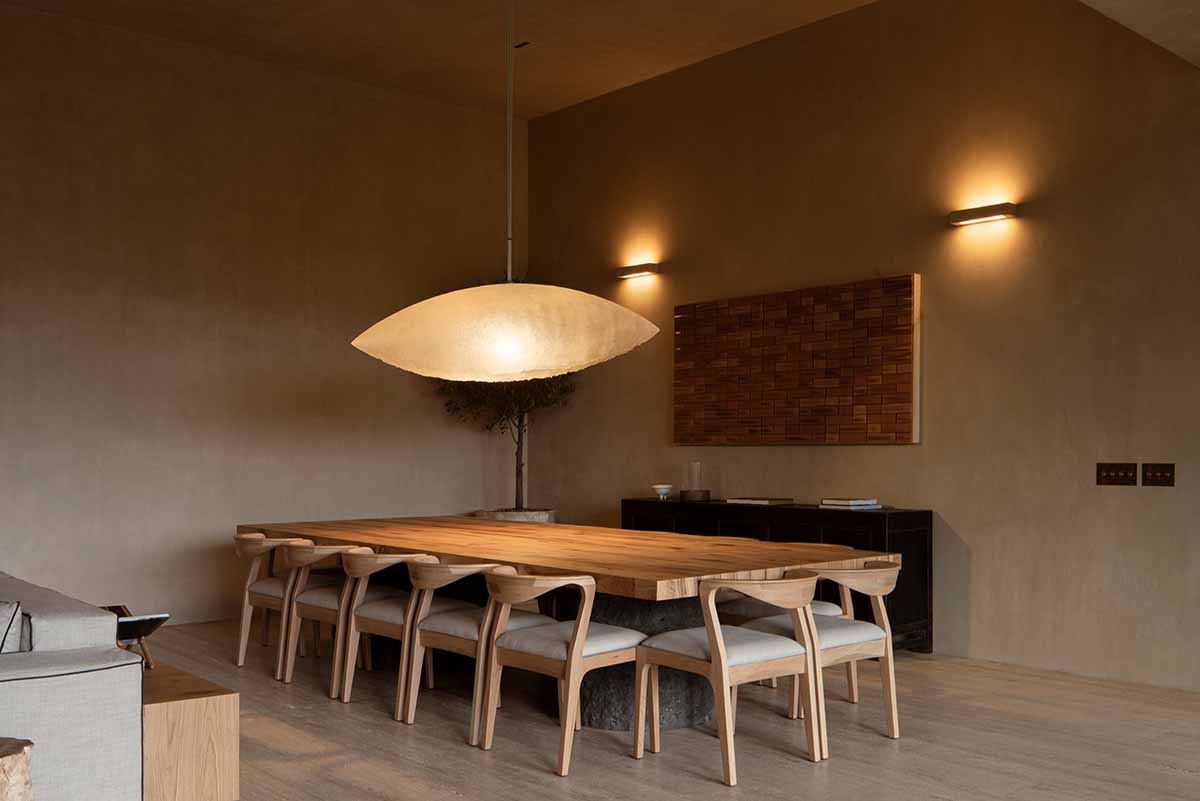
The entry to the corridor, which acts as a transitional area between the inside and exterior, has a double-height ceiling. The dining room, patio, kitchen, living room, garage, and service areas are all located on the west wing of the house. To the east are the four private bedrooms.
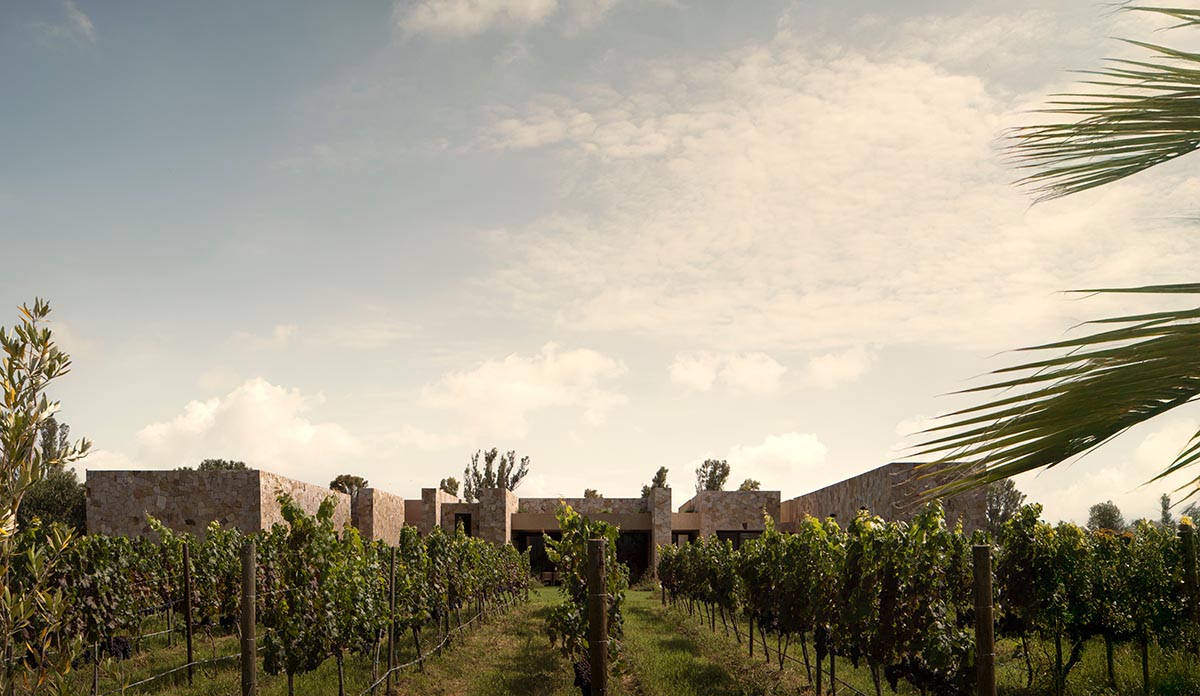
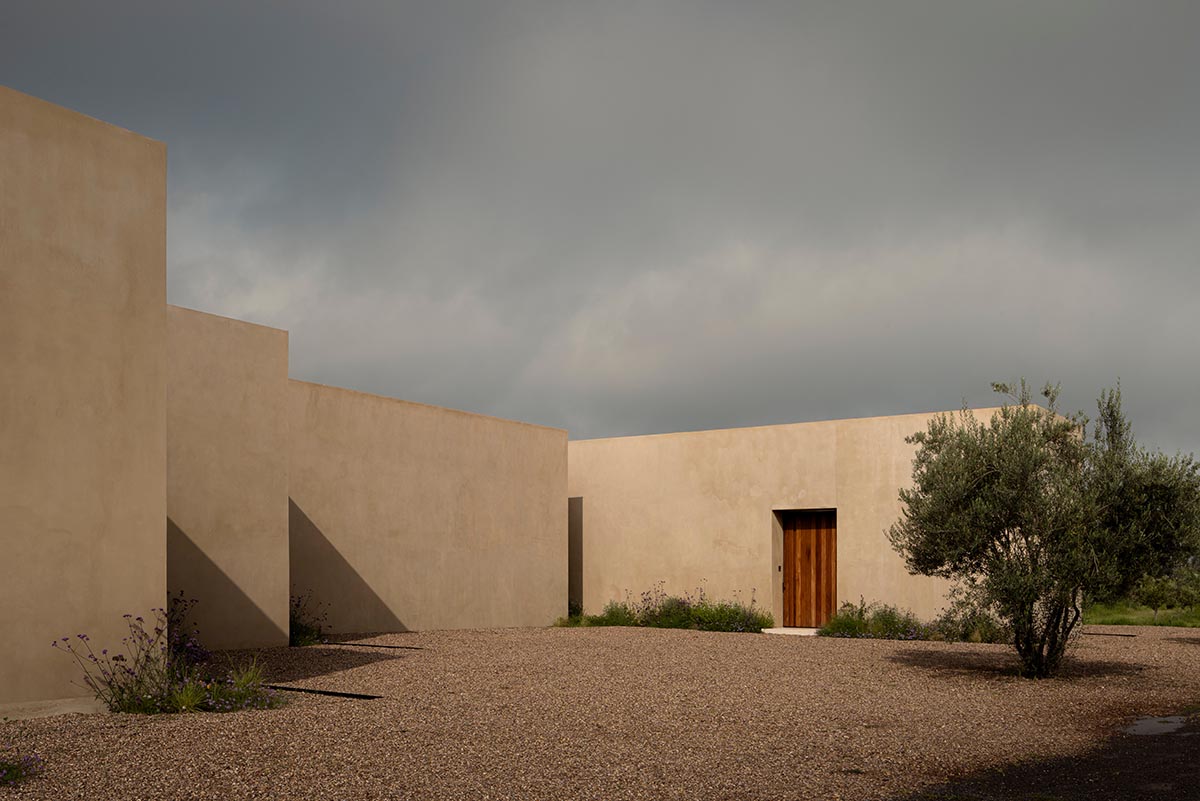
"In order to convey, through materiality, the principle of nature traversed by time and the conventual architectural style brought into a contemporary language, the aim was to use a minimum of materials to achieve maximum results," said Jorge Garibay Architects.
"To give the house a sober form and color, noble materials that would endure over time were used, and traditional construction methods were revived."
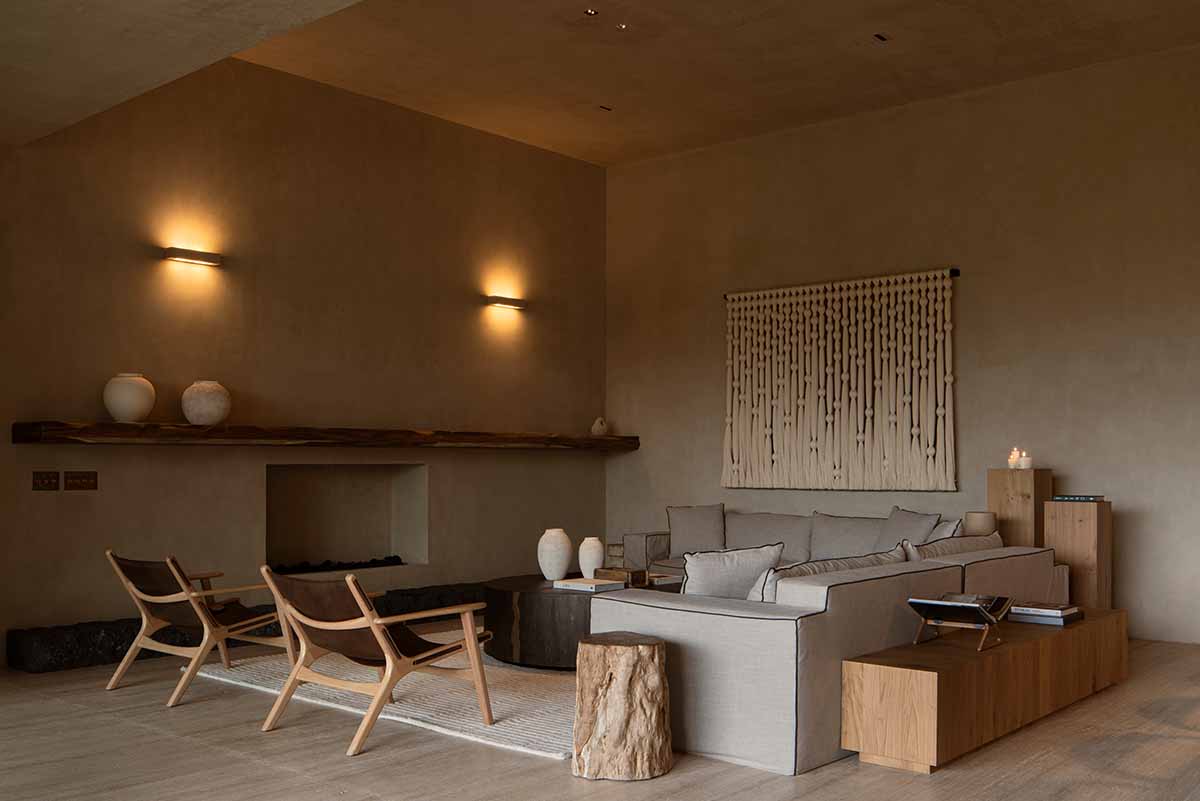
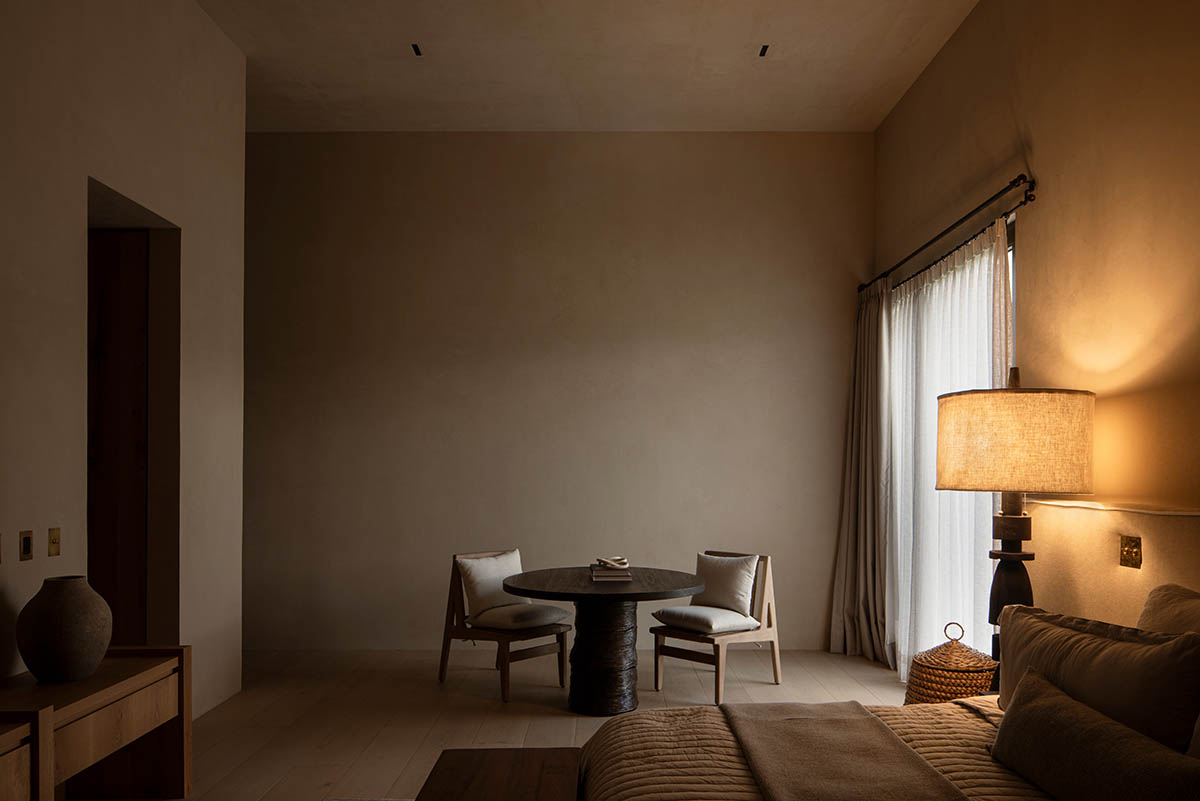
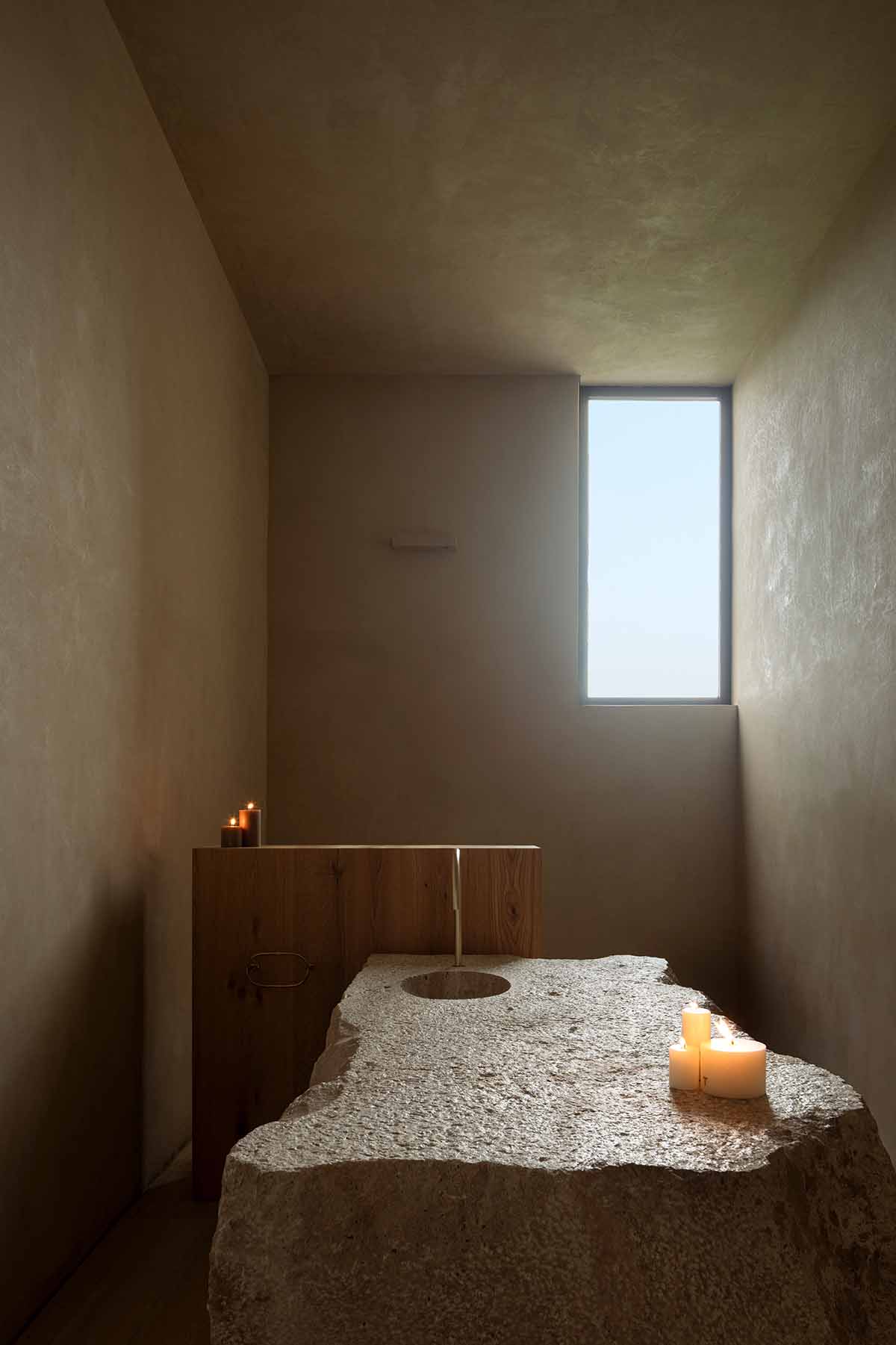
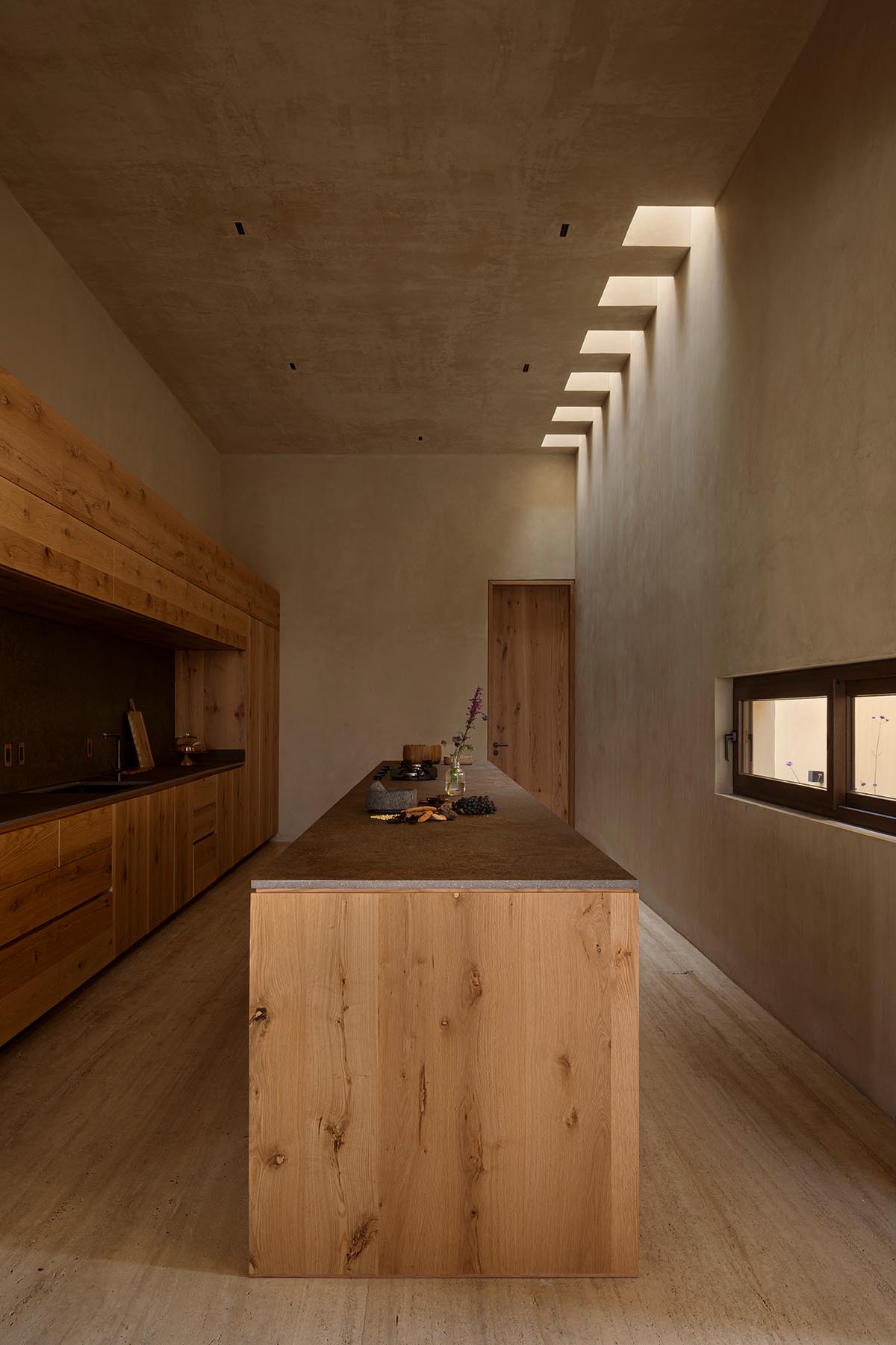
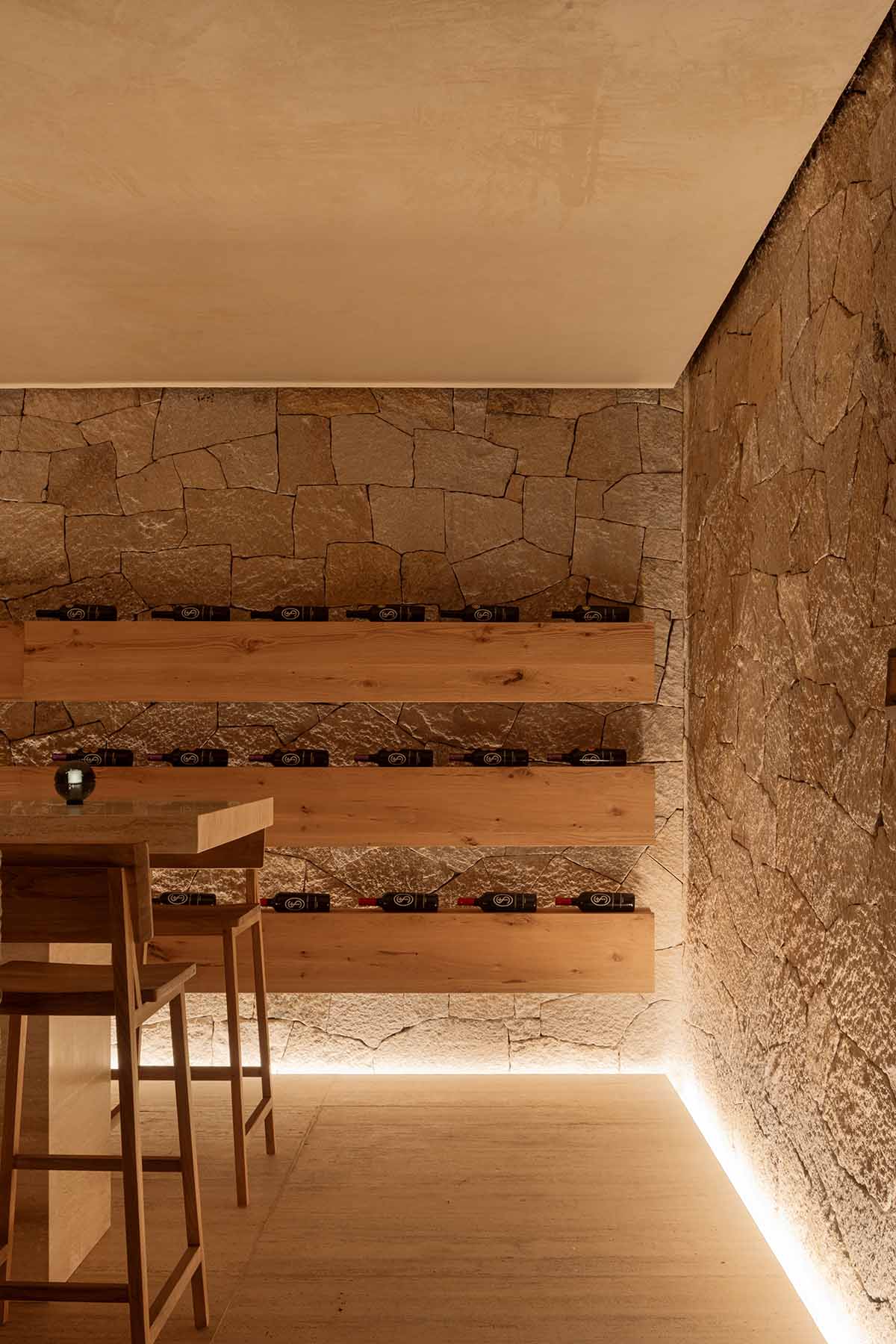
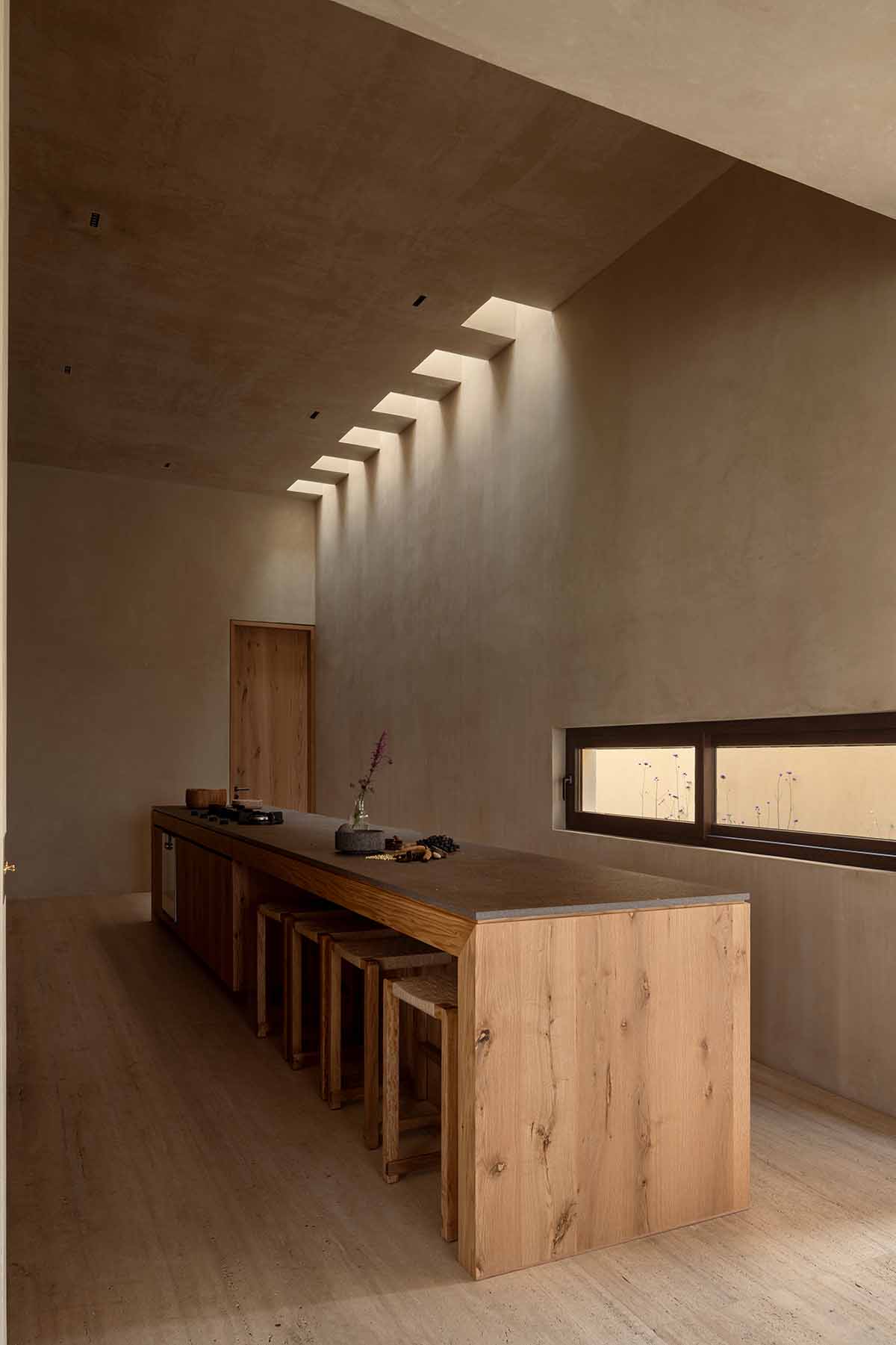
"The predominant materials chosen were locally sourced stone from a nearby site; unpolished Mexican marble for the floors; and lime-based paint applied by hand in a color that complements the stone's natural color, resulting in monochromatic monoliths," the studio explained.
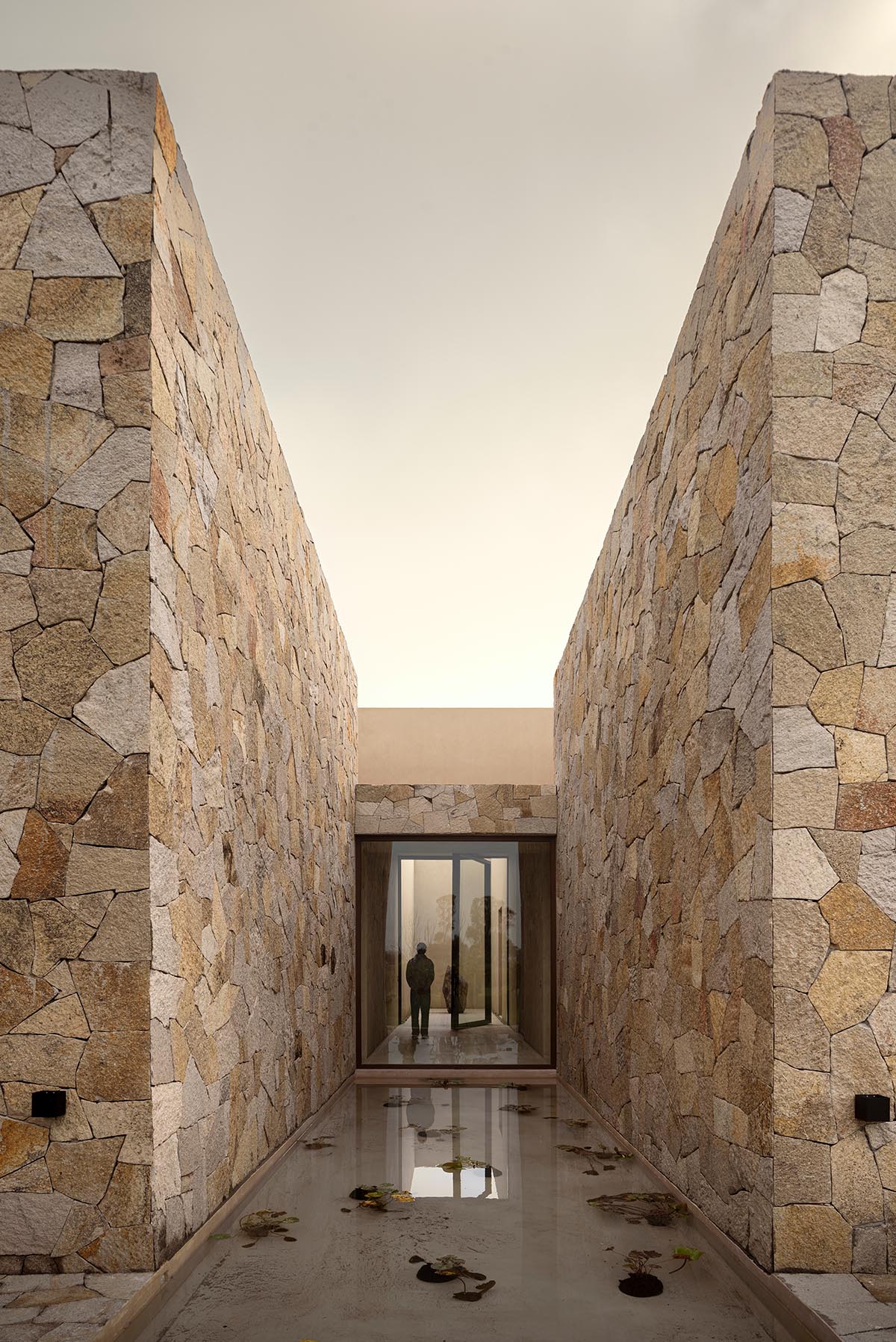
The lighting design mimics the light temperature in 16th-century convents without compromising illuminance levels, and the interior design features simple oak furniture. This mix produced cozy spaces with a significant amount of natural light.
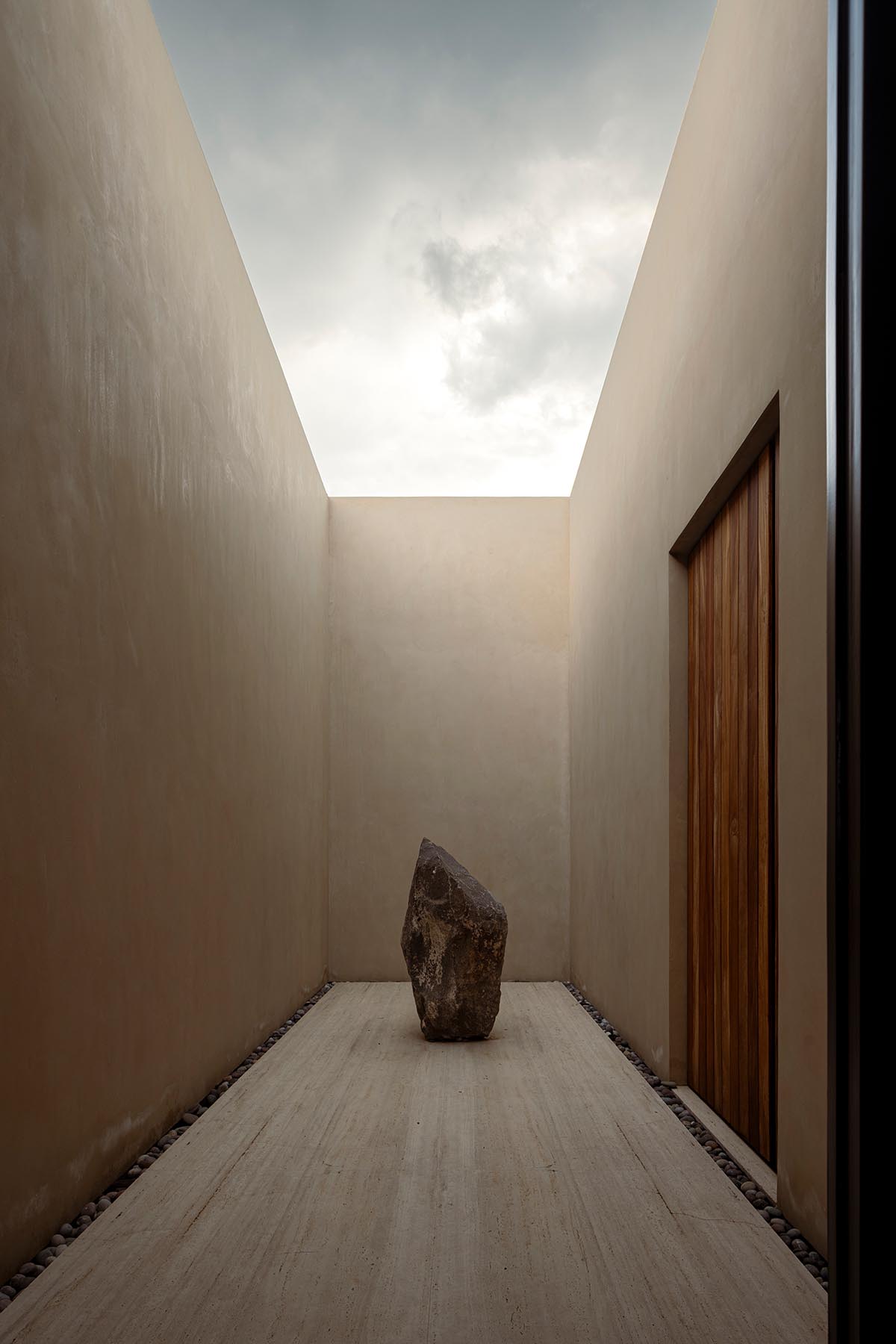
The modest style of this endeavor is consistent with Luis Barragán's belief that "time also paints" and that beauty is a process that develops over time and is not flawless.

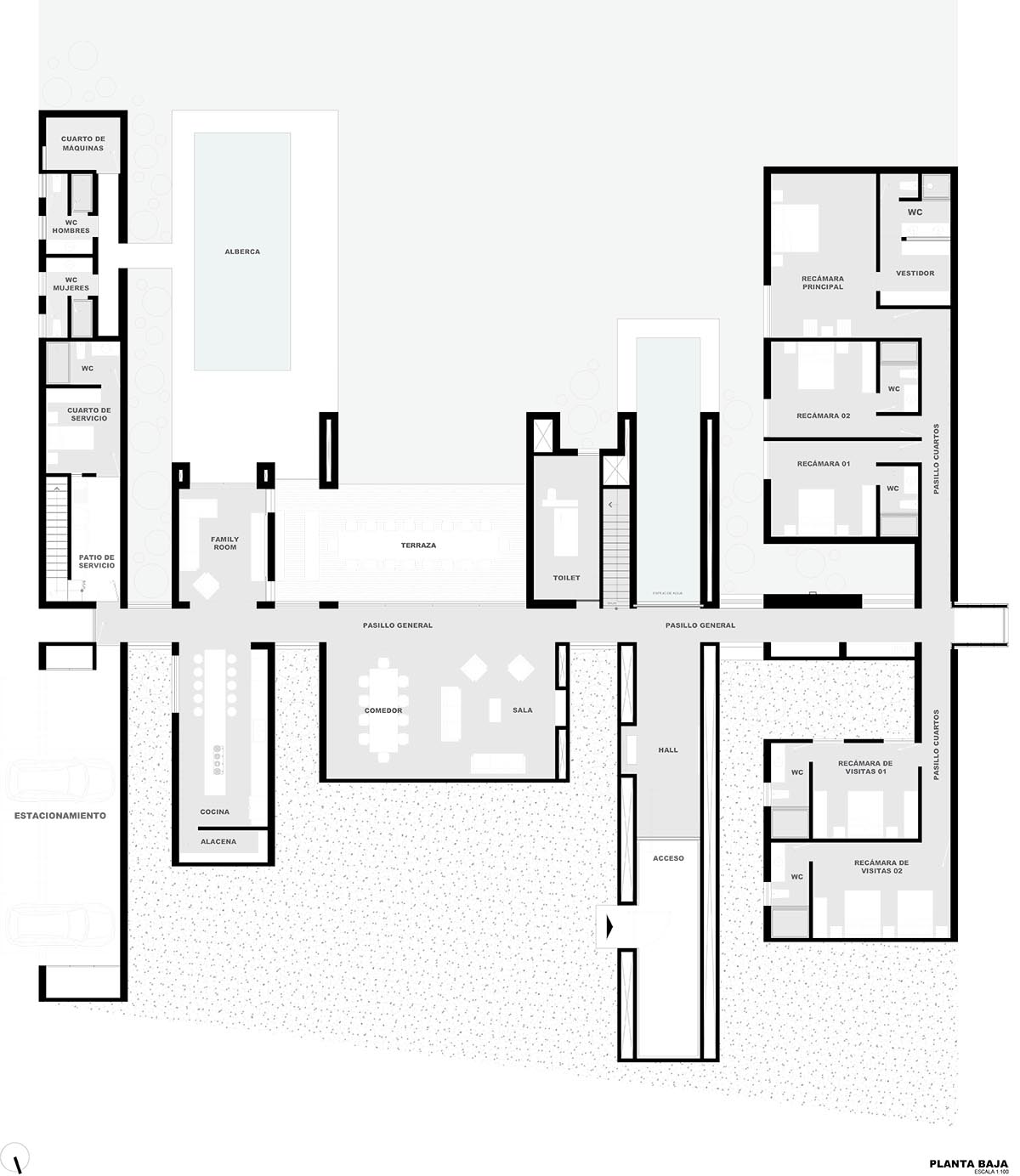
Floor plan
The team at Jorge Garibay Arquitectos is dedicated to designing spaces that highlight the impact of emotional architecture and simplicity. In each project, they are distinguished by cultivating a close relationship with the people, the location, their identity, needs, and constraints.
Project facts
Project name: Casa San Francisco
Architects: Jorge Garibay Architects
Location: Mexico
Completion date: 2025
All photographs © Cesar Belio.
All drawings © Jorge Garibay Architects.
> via Jorge Garibay Architects