Submitted by WA Contents
Symbolplus creates a harmonious blend of old and new for its new office in Tokyo
Japan Architecture News - Mar 24, 2026 - 07:47 46895 views
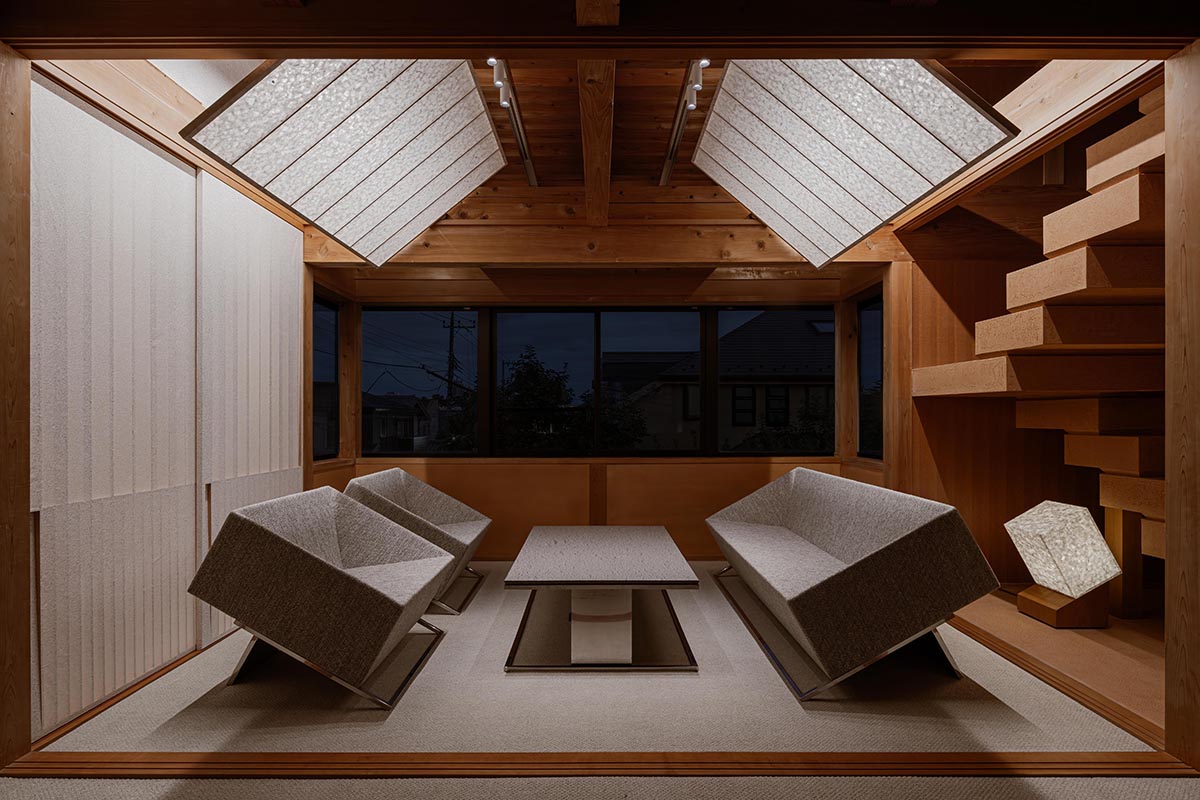
Symbolplus has presented Symbolplus Office, the renovation of its own workspace within a timber building in Tokyo, Japan.
The project investigates how embracing natural materials, reuse, and architectural restraint might help an office stay relevant in the age of hybrid work.
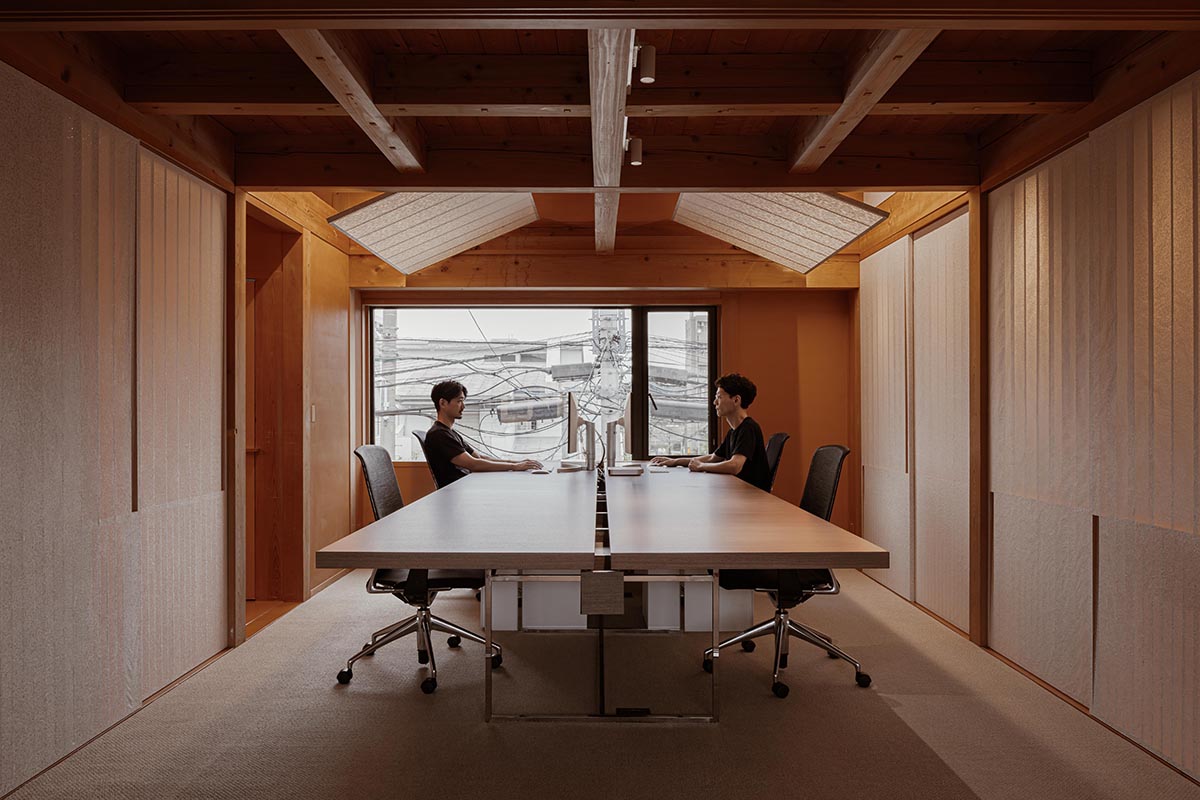
Office area enclosed by shoji screens
Architect Akio Hayashi, whose long-standing support of natural materials served as the impetus for the refurbishment, owns the timber building where the office is situated.
The instructions were straightforward: use what already existed and stay away from artificial stuff. The proposal emphasizes continuity between architecture, material, and time rather than visual impact.
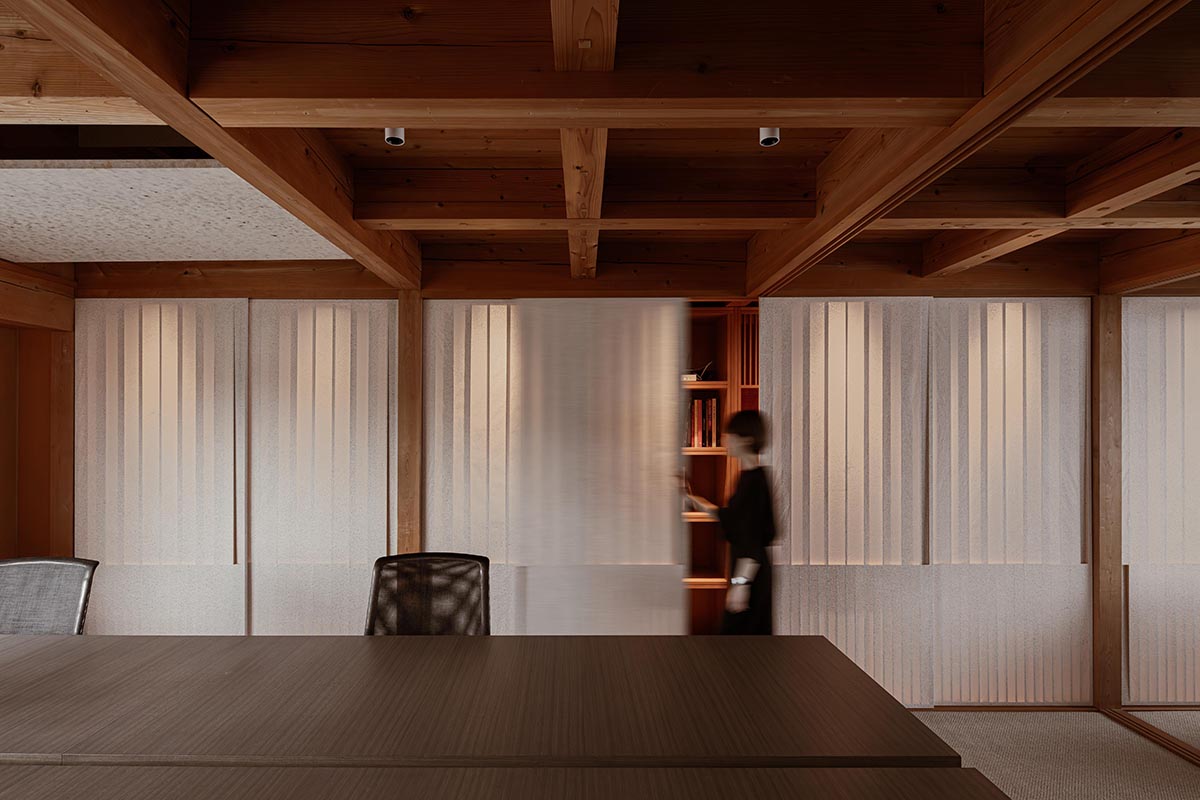
Shoji screens and office storage. Shoji screens also serve to conceal shelves and equipment as needed
To the greatest extent feasible, the design maintains the original timber structure. The building's warmth, rhythm, and proportions are followed by new elements, allowing the old and the new to coexist harmoniously.
The office is transformed into a space where work is done in silence, influenced by the architecture rather than thrust upon it.
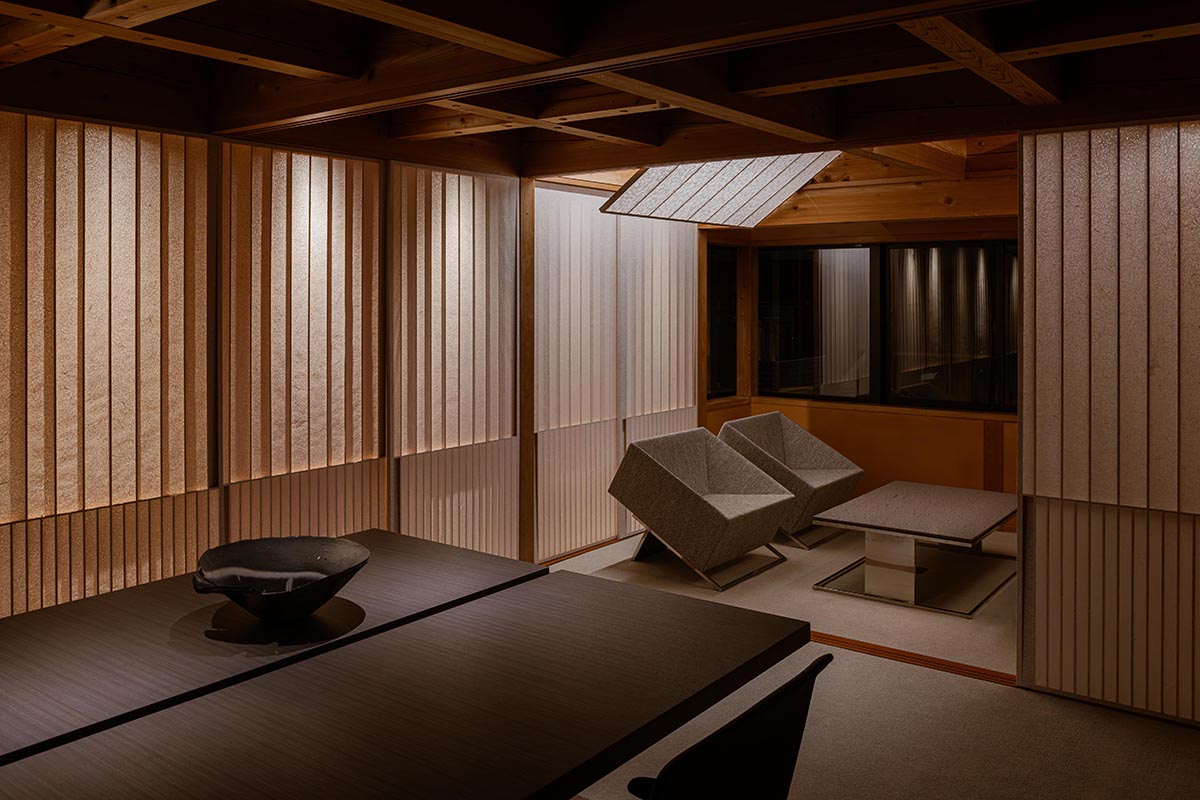
Viewing the living room from the kitchen
Material as memory
Material decisions support this mindset. Artists placed Ishikawa-sourced red dirt in layers of plaster, meticulously adjusting its tone to blend in with the wood structure.
Reclaimed Tosa washi, which was initially meant for disposal, was used to create shoji dividers. The paper was layered to achieve resilience and translucency because it was too thin for architectural usage.
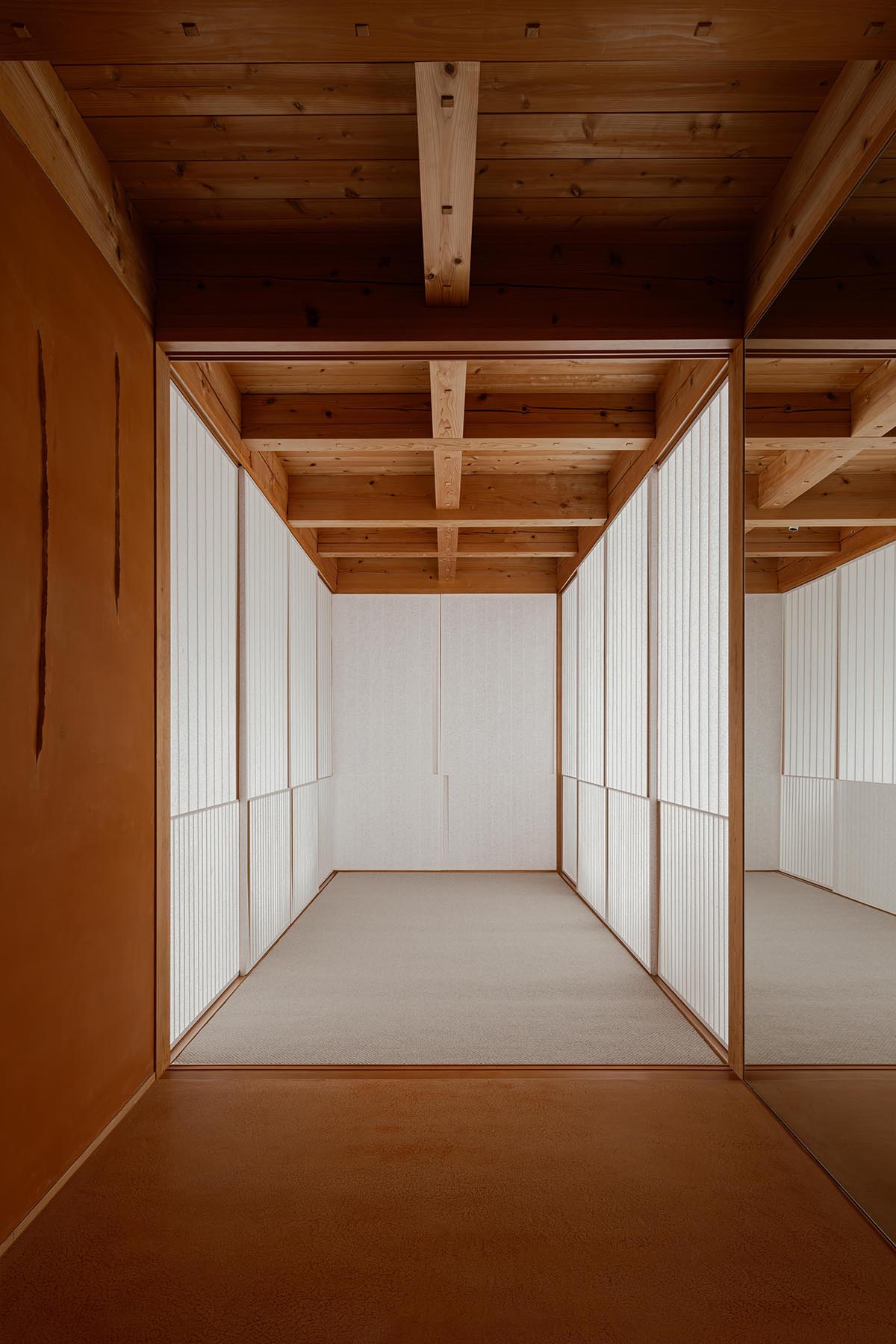
Corridor partitioned by shoji screens
The area may alternate between openness and privacy thanks to these shoji's adaptable dividers. When necessary, they hide equipment and shelves in meeting spaces to preserve aesthetic harmony without sacrificing functionality.
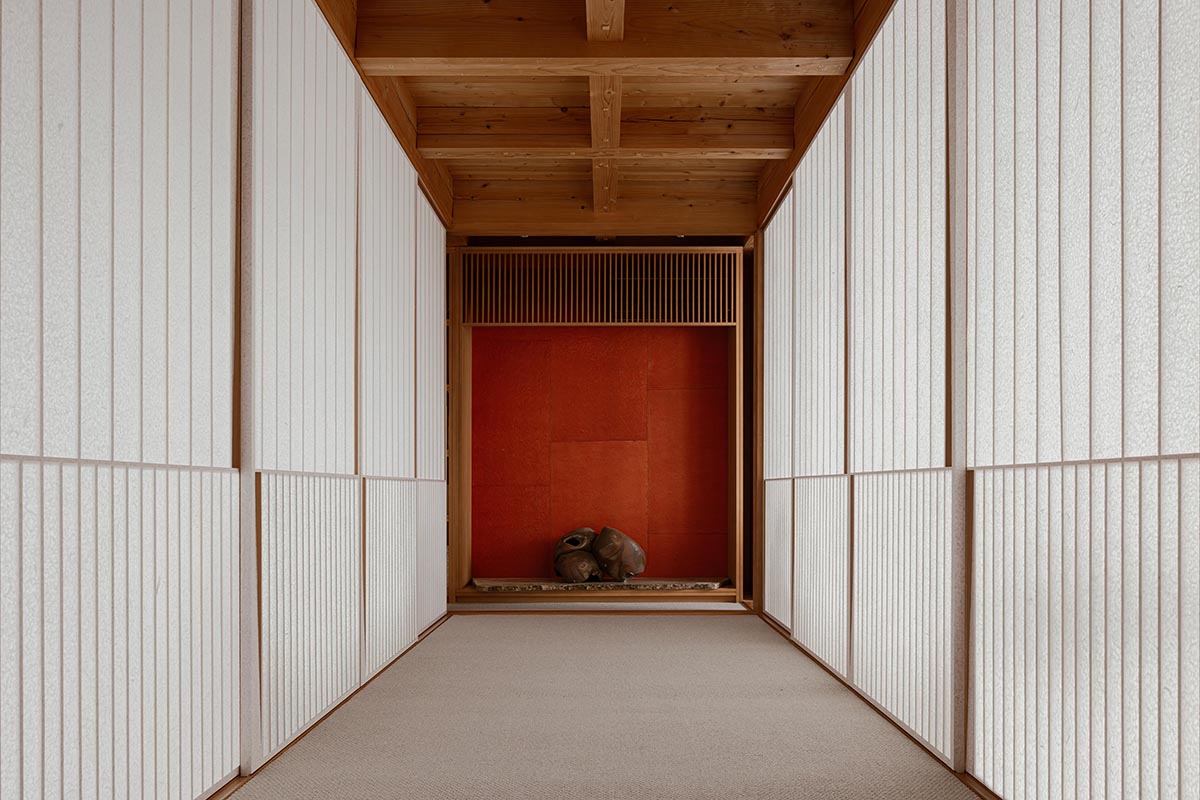
Viewing the tokonoma from an approach separated by shoji screens
Adaptability through restraint
Innovation manifests as moderation. Shoji panels use traditional carpentry methods to slide without the need for metal fittings.
Rotating ceiling panels minimize visual noise by only revealing lighting when needed. These specifics are functional features that enable the office to change throughout time rather than sentimental gestures.
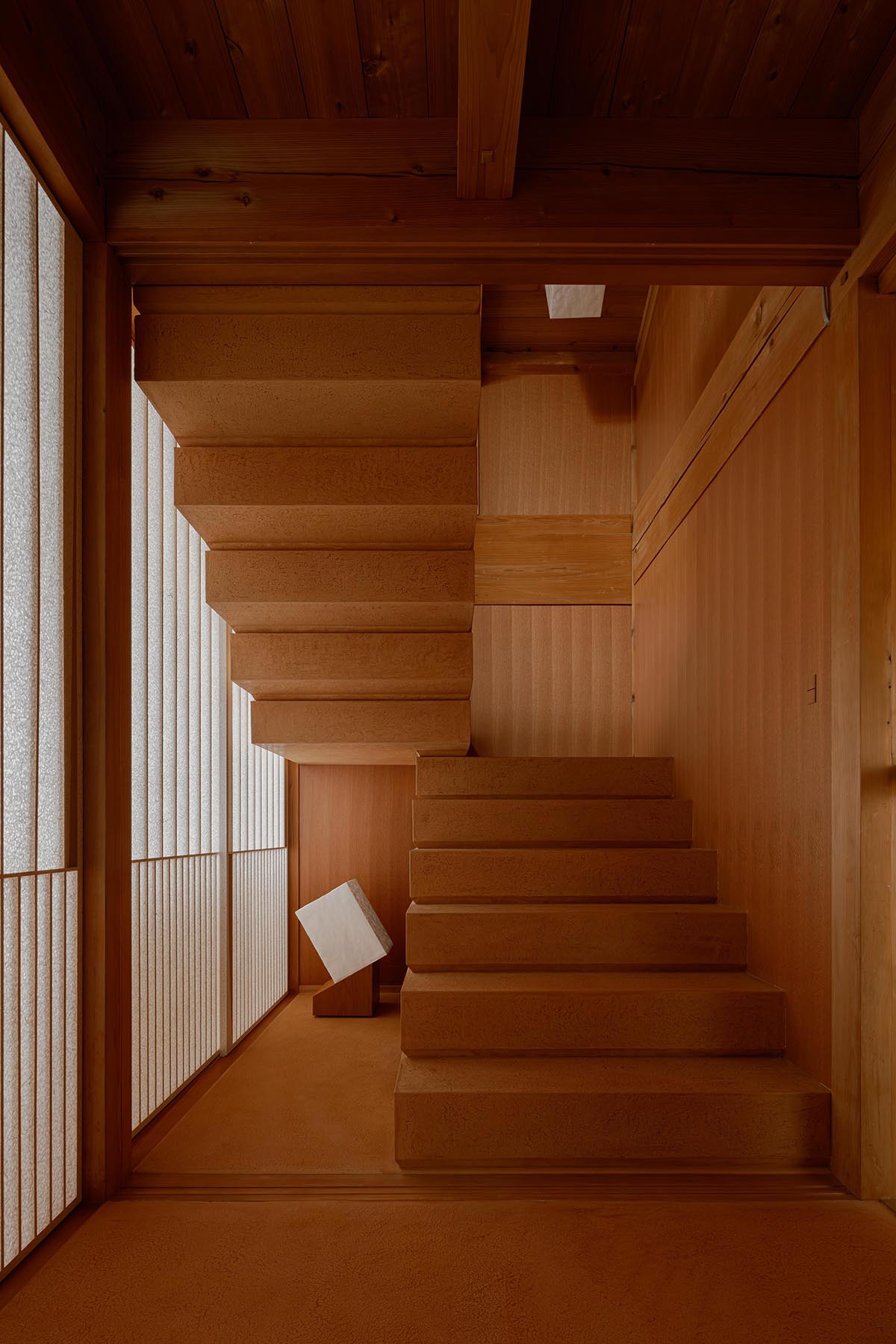
Stairs constructed horizontally, as if nestled against the building
The proposal embraces change as a component of architecture rather than overdesigning. Through daily occupation, light, and use, the space changes, staying grounded in its past while remaining open to the future.
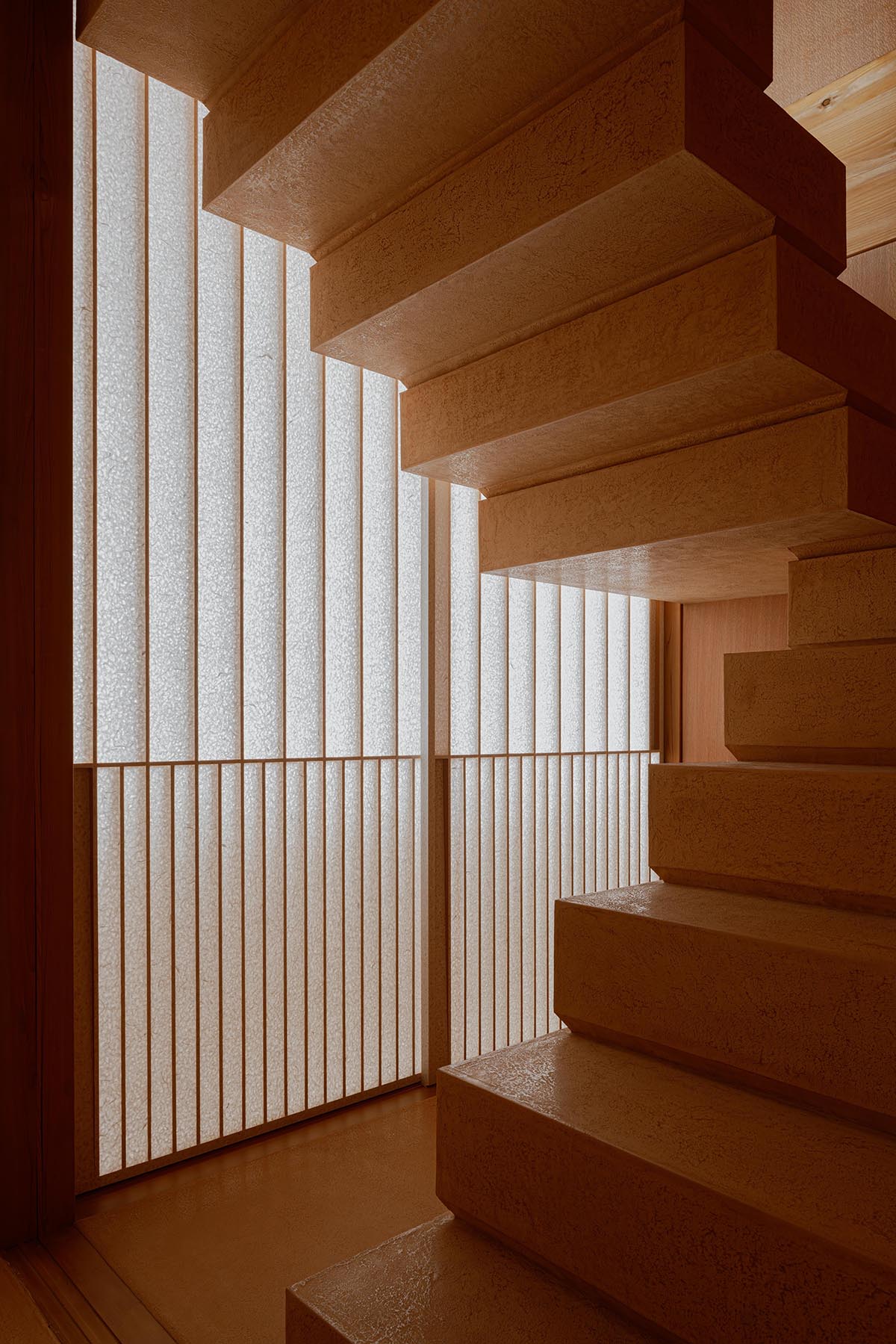
Stairs constructed horizontally, as if nestled against the building
An office as a vessel
Instead of being a display, Symbolplus Office is intended to be a workplace that is influenced by the principles of durability, reuse, and respect for pre-existing architecture.
The project shows how small changes can prolong the life of architecture while still being socially and environmentally responsible by enhancing what already existed.
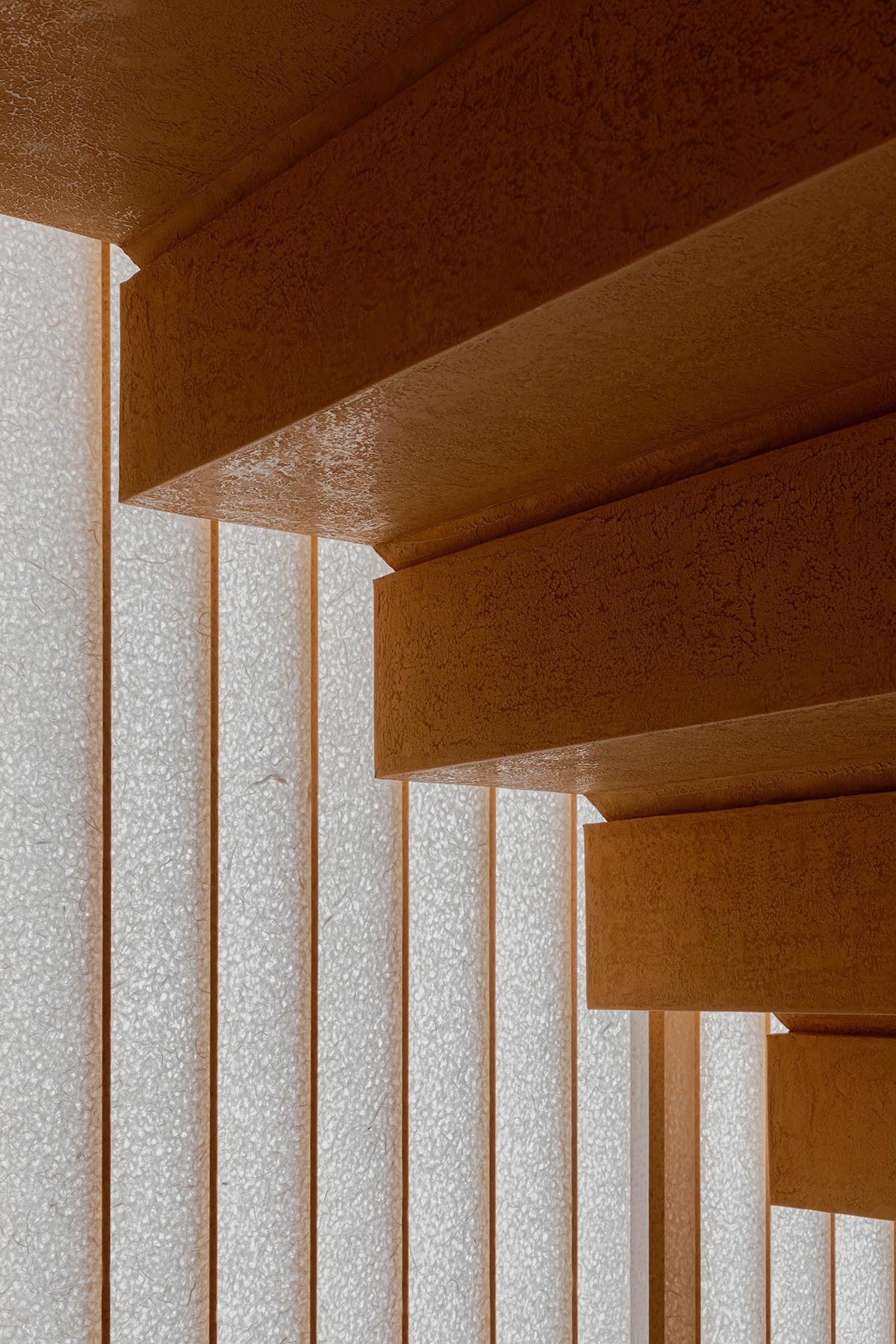
Staircase Details
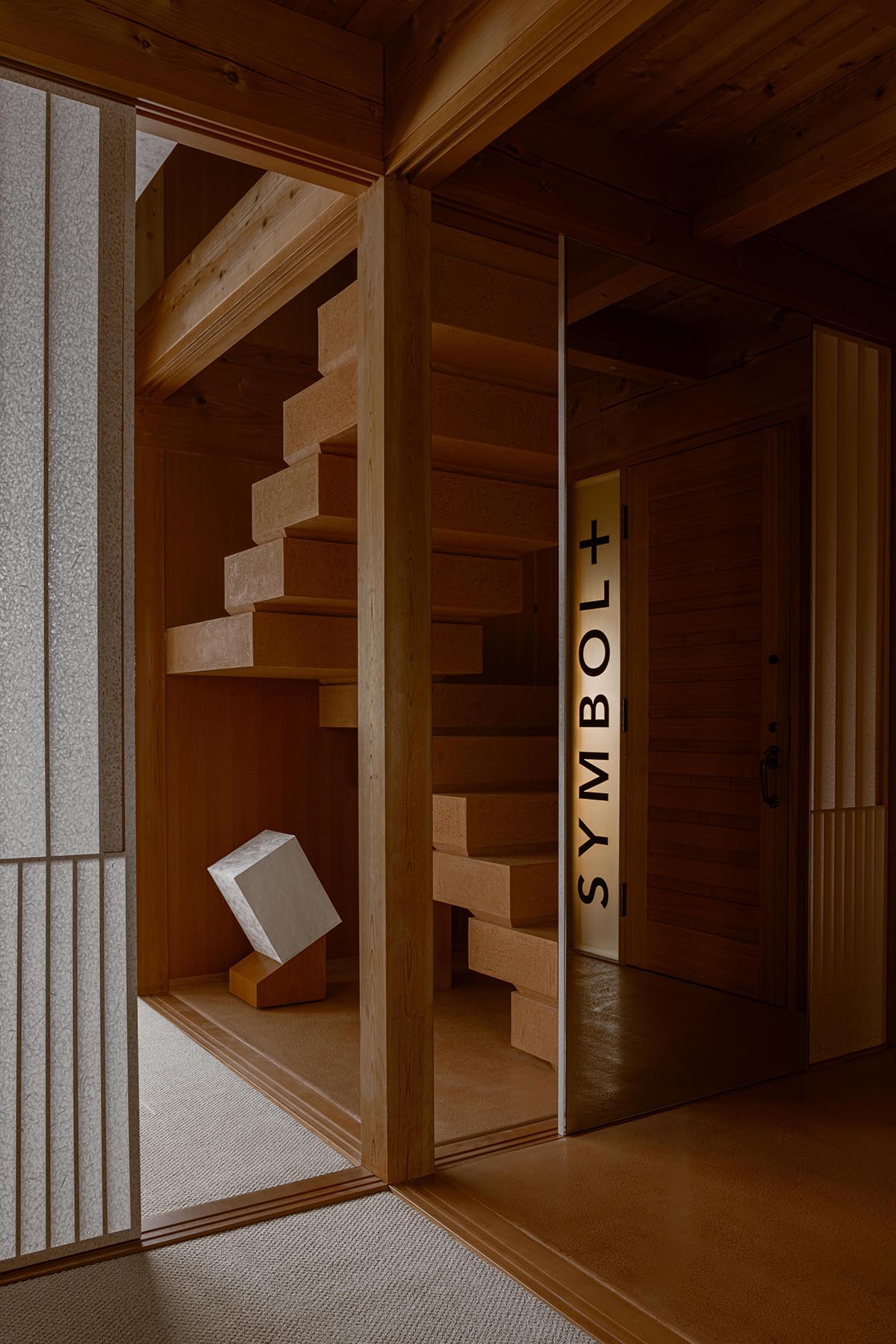
Signs reflected on the stairs and mirror
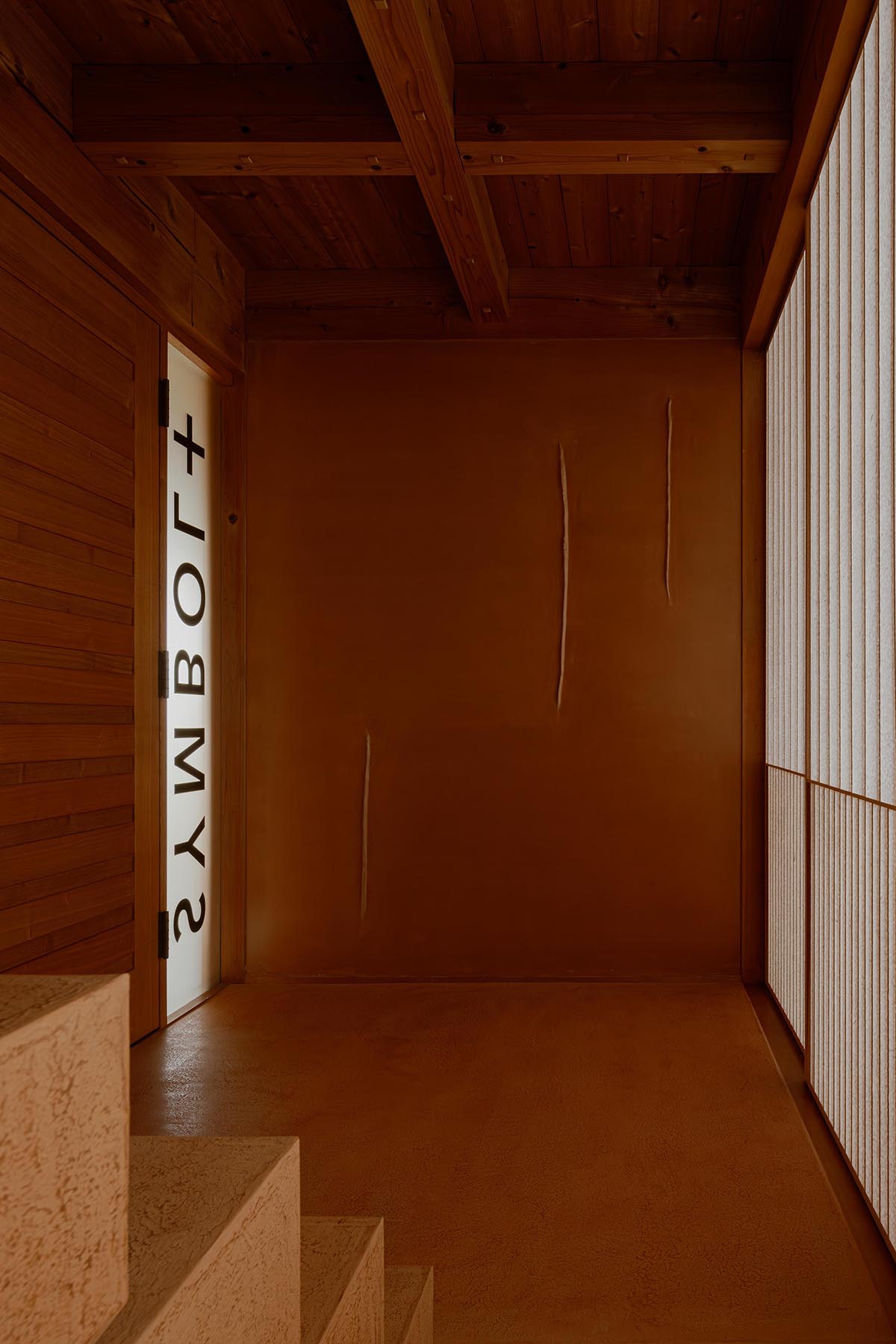
Traditional plasterwork with a glossy finish
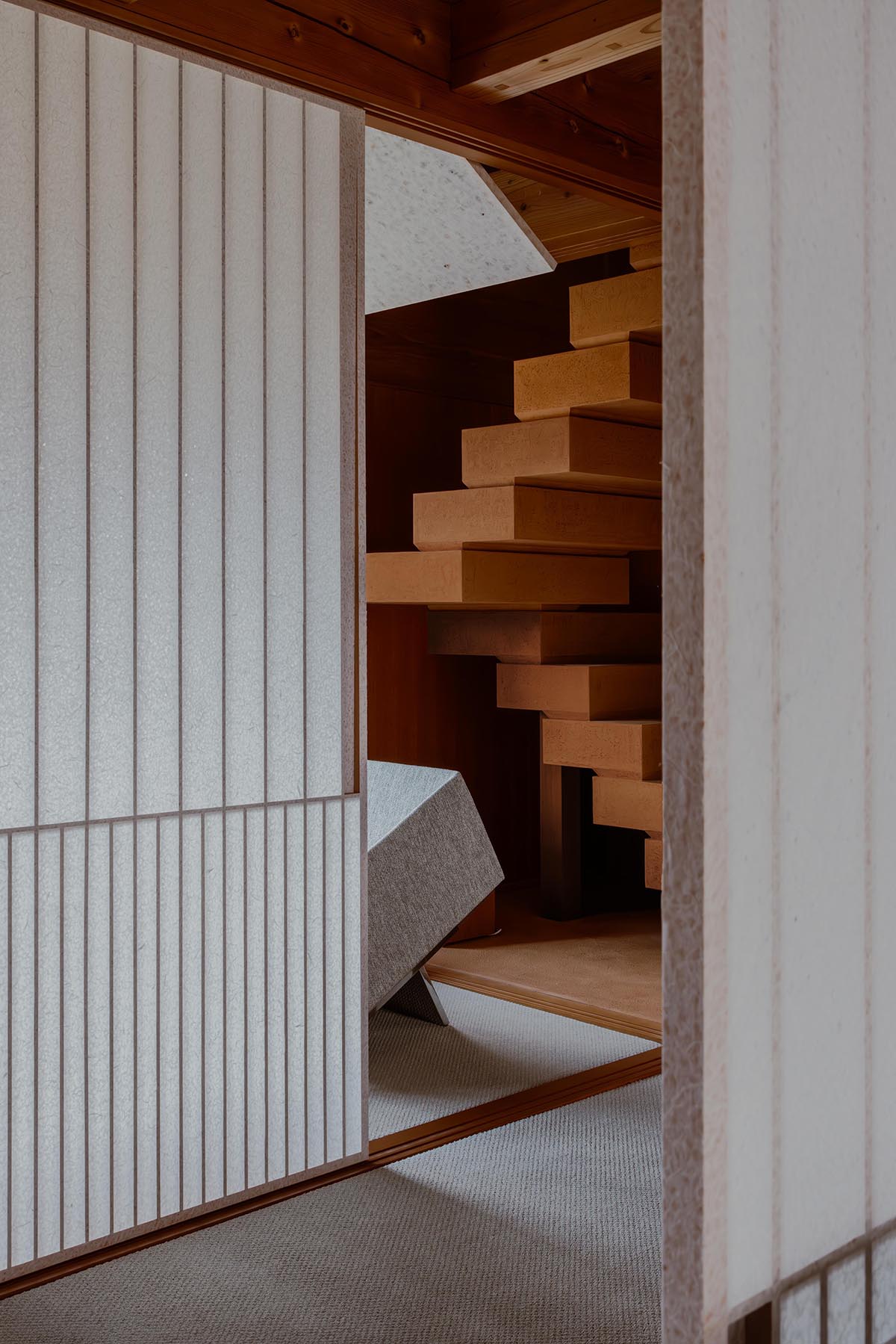
Shoji screens also serve as partitions that block sightlines
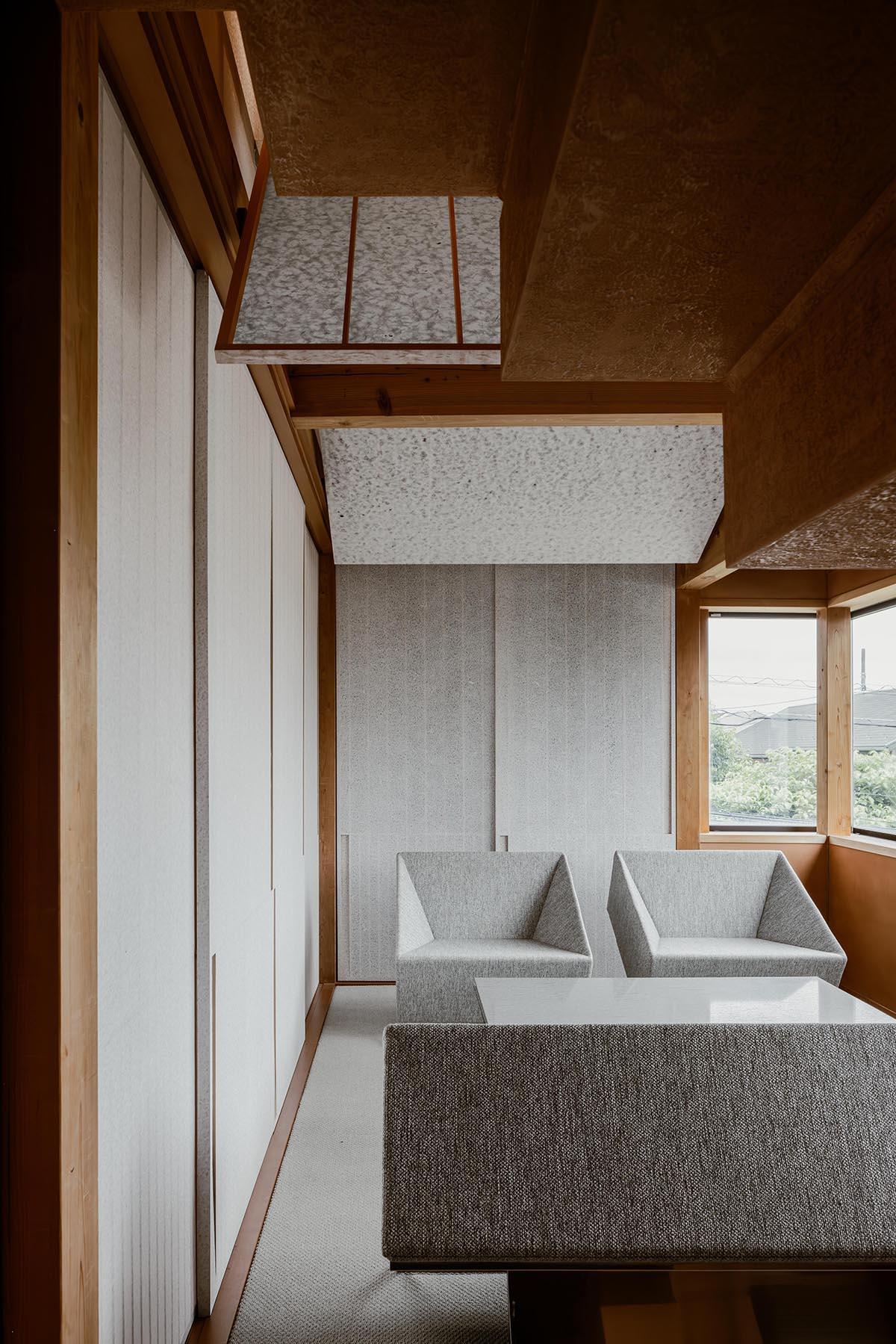
View of the reception room through a gap in the staircase
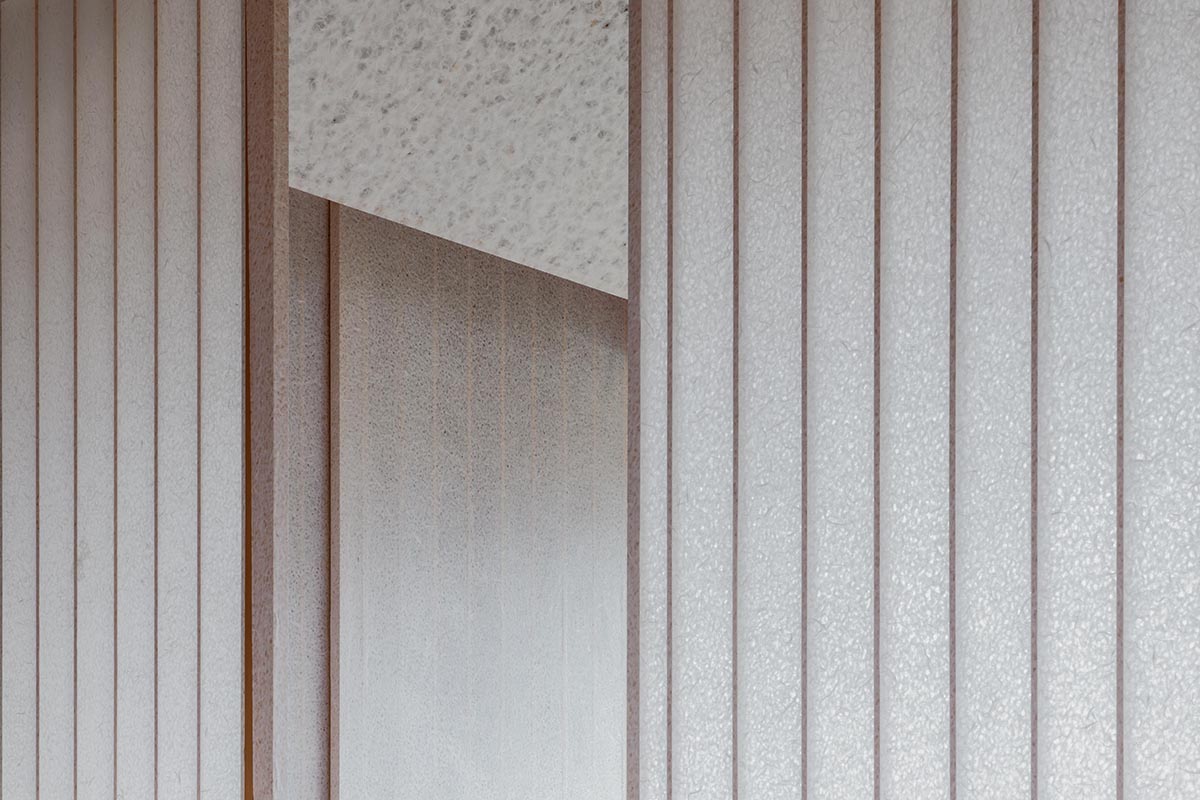
Detail of the shoji screens made from recycled washi that was to be discarded
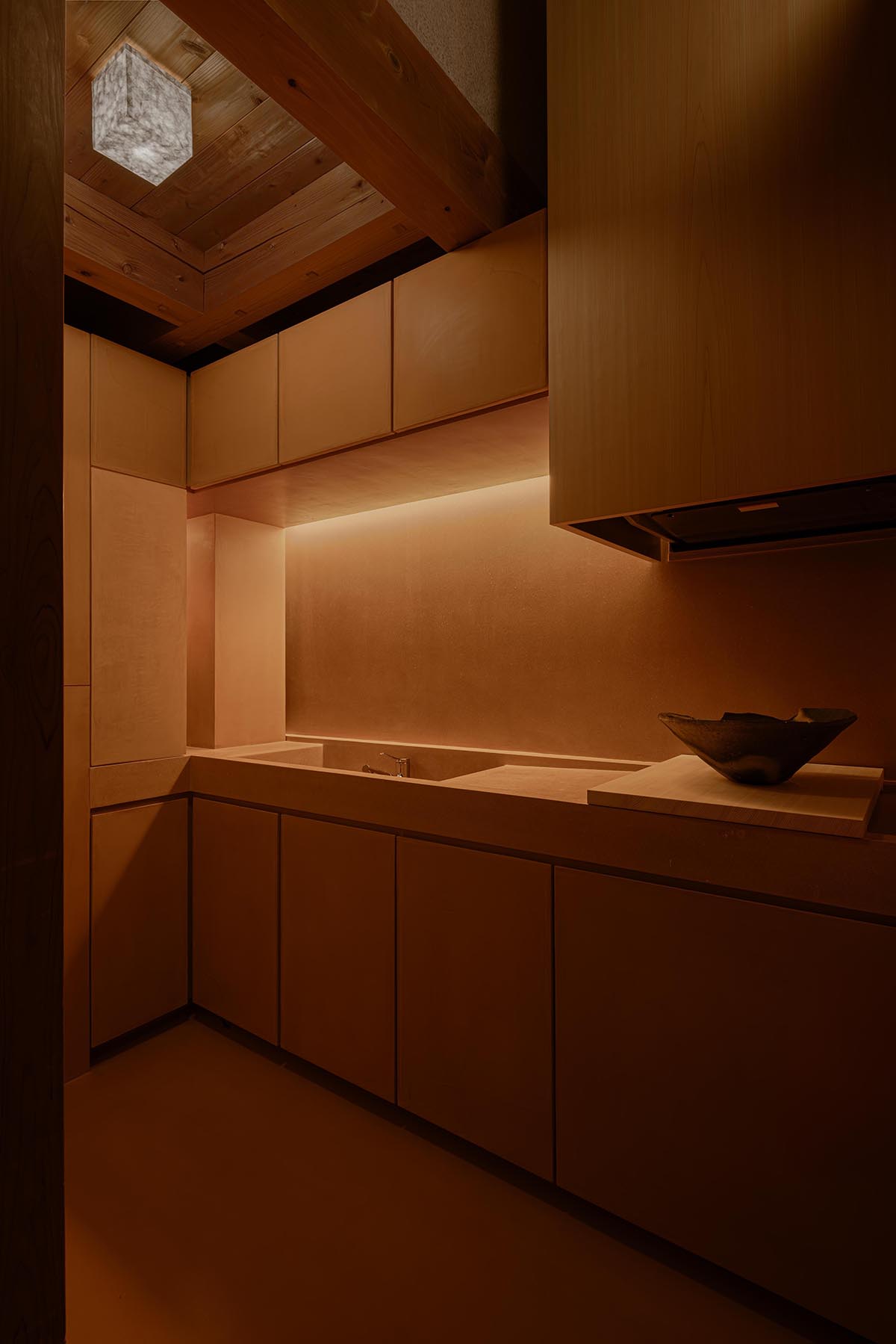
Kitchen area entirely red earth plastered
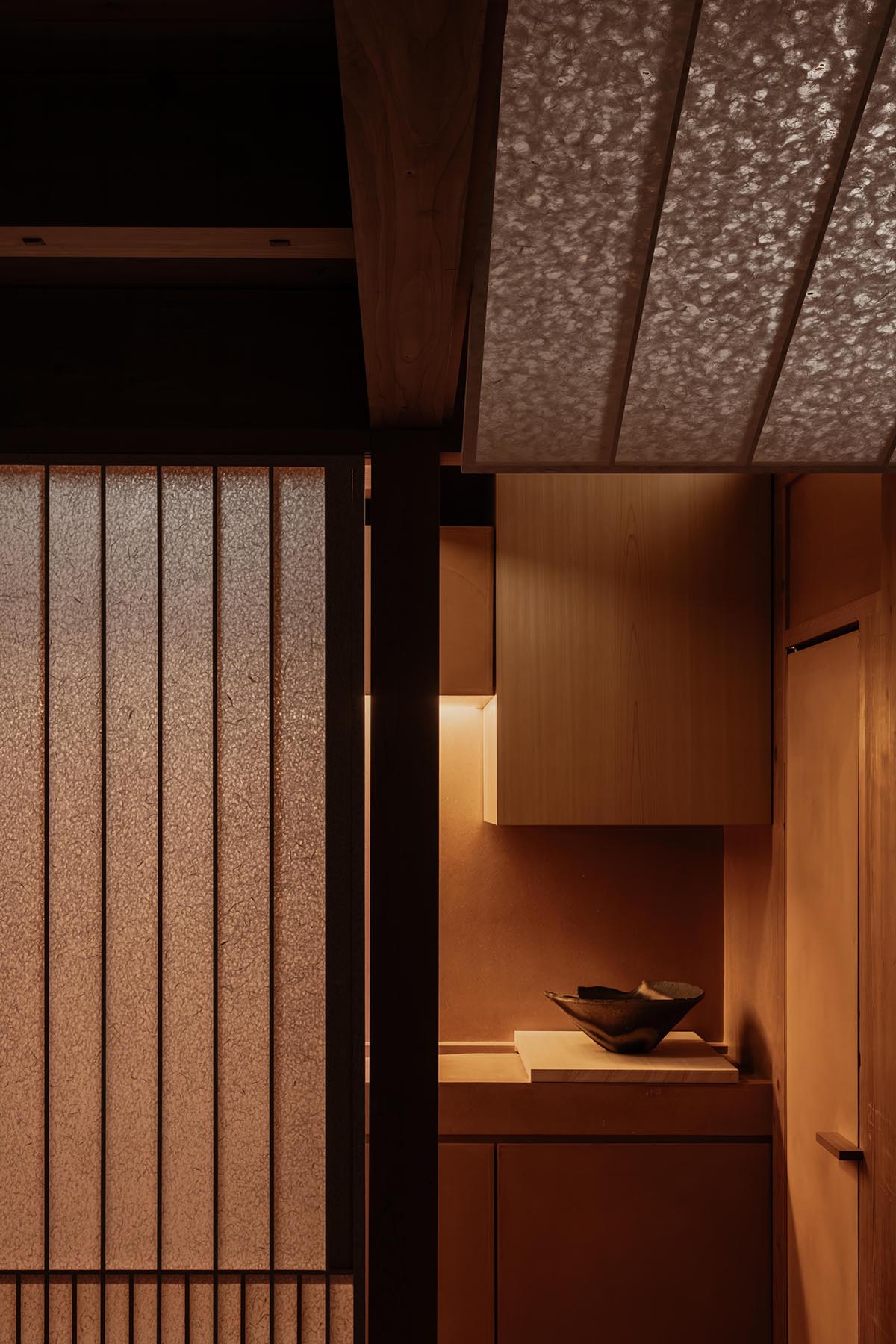
Light leaking from kitchen and shoji screens
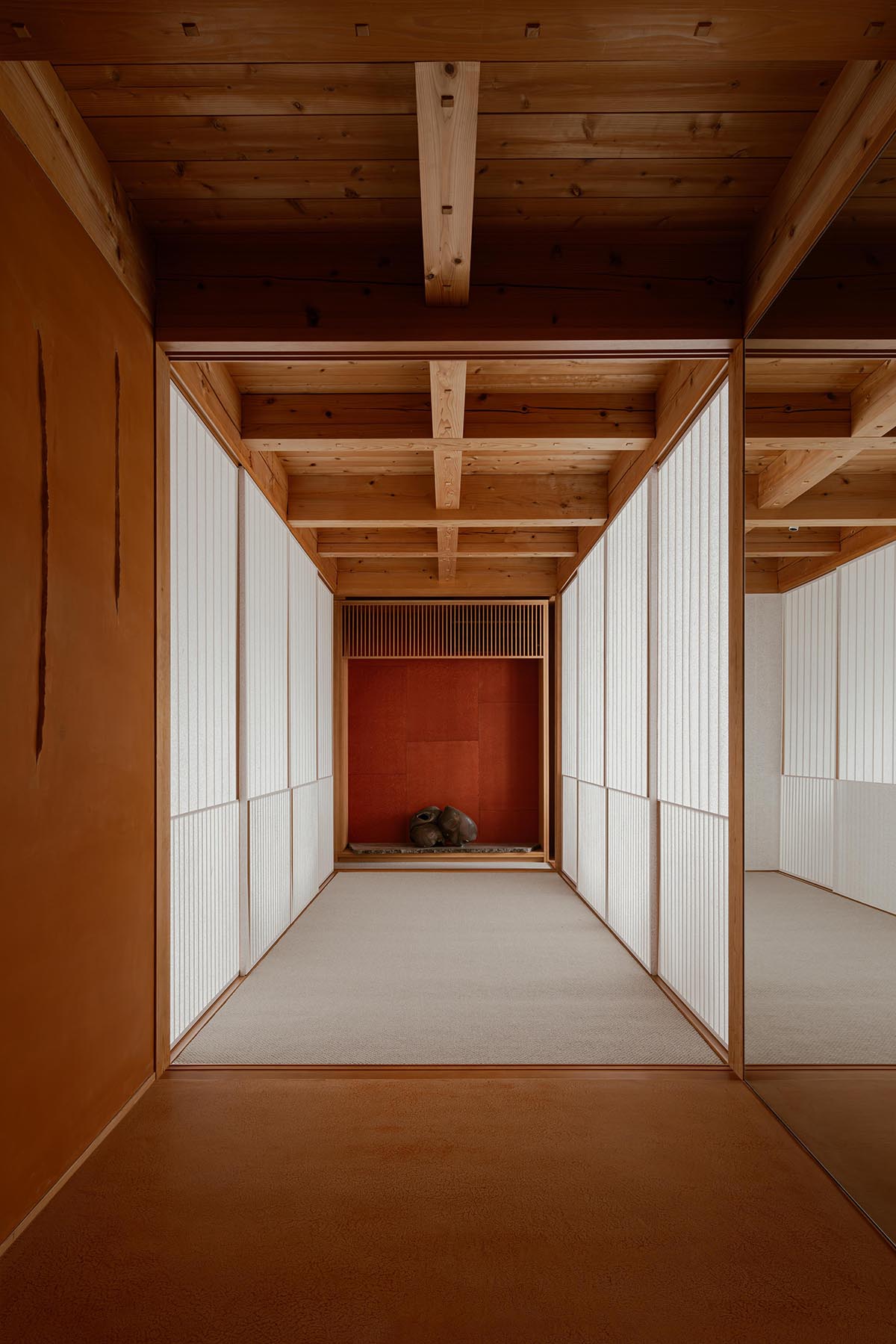
Viewing the tokonoma from an approach separated by shoji screens
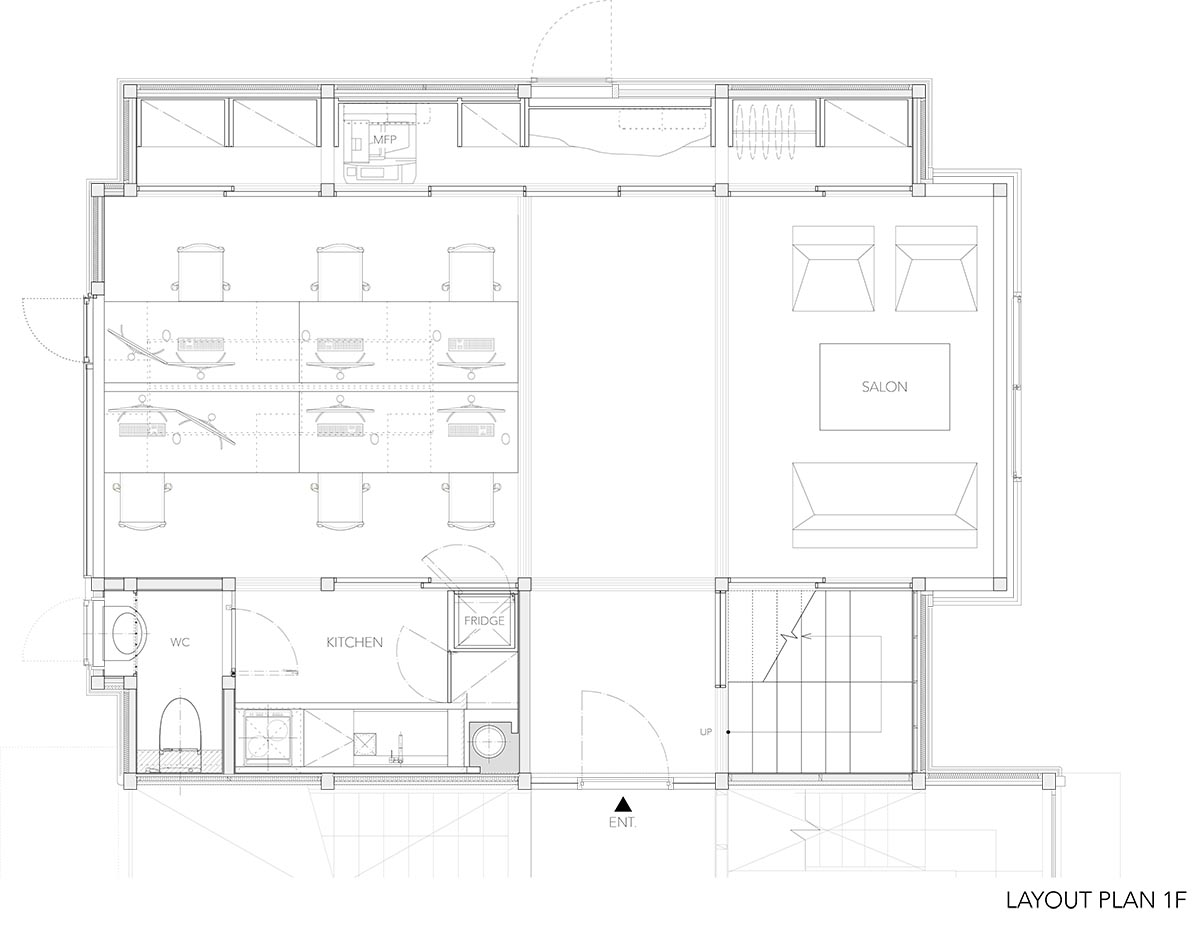
Layout first floor plan
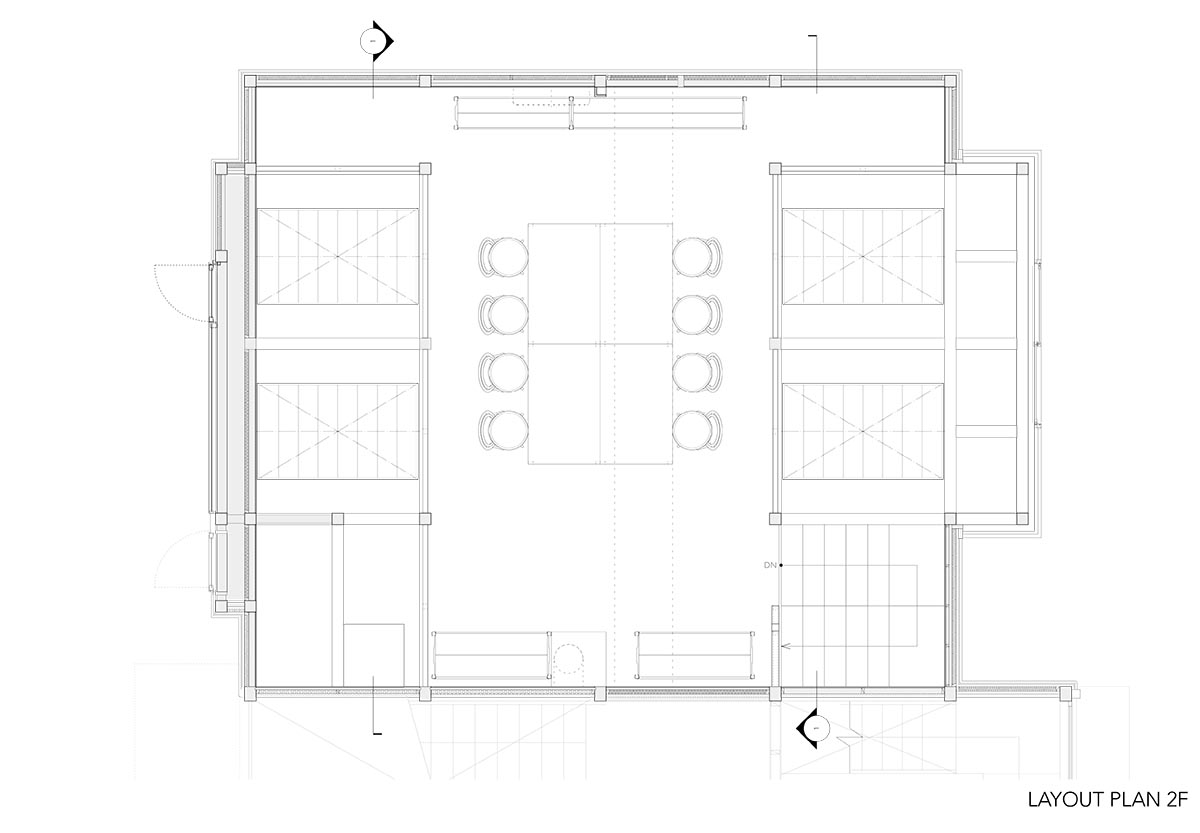
Layout second floor plan
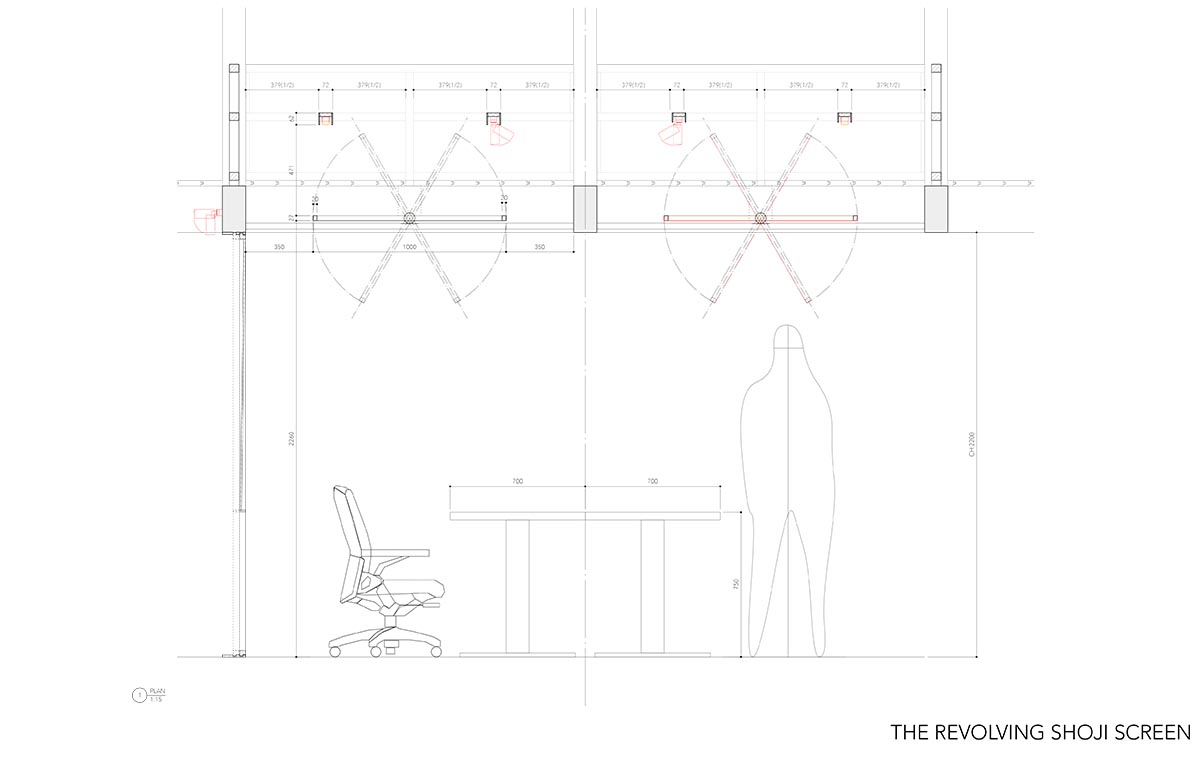
The revolving detail drawing
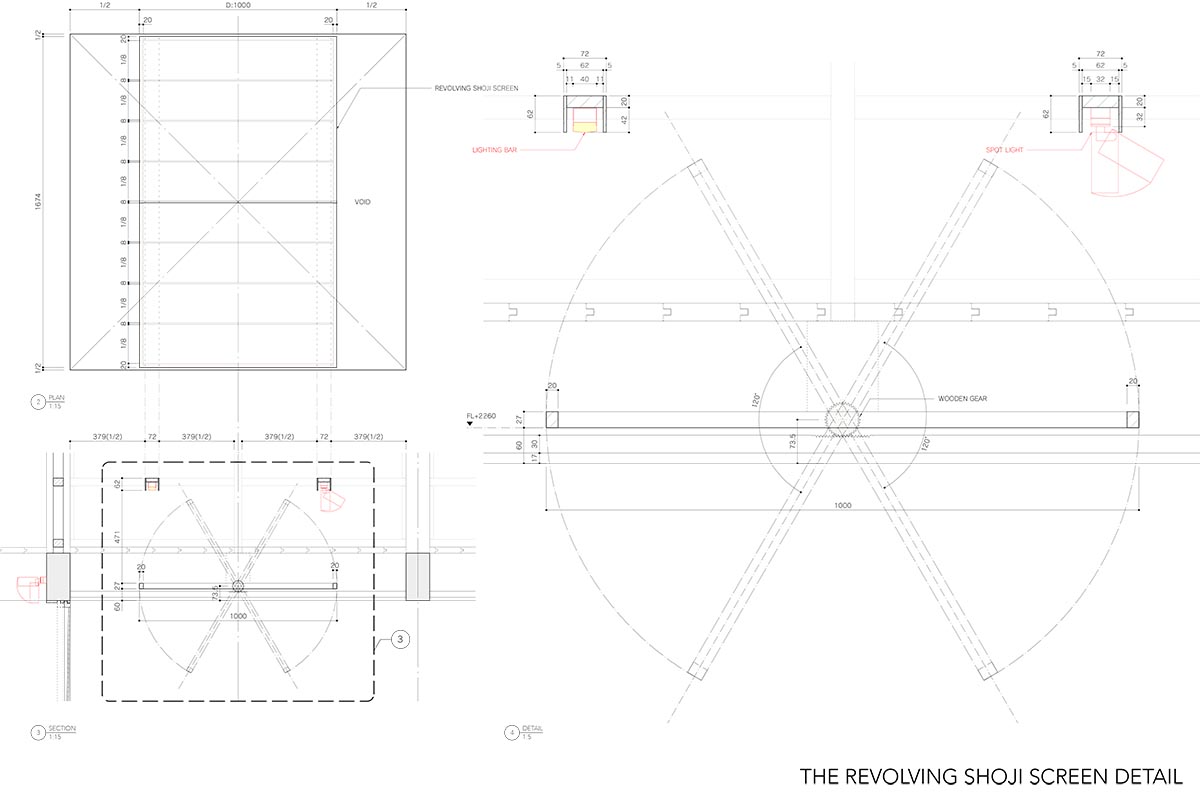
The revolving screen detail
Symbolplus Inc. is a Tokyo-based design practice working across architecture, interiors, and spatial strategy. The studio focuses on projects that value context, material honesty, and long-term relevance. Rather than following trends, Symbolplus approaches design as a continuous inquiry into what endures—culturally, socially, and materially.
Project facts
Project name: Symbolplus Office
Client: Symbolplus
Location: #2F 5-16-9 Shimoigusa, Suginami, Tokyo, Japan
Building Type: Office renovation (timber structure)
Total Area: 76.3sqm
Design Firm: SYMBOLPLUS INC.
Design Team: Satoshi Nobekawa, Co-founder and Designer / Sho Watanabe, Co-founder and Designer
Construction: SET UP CO.,LTD.
Lighting Planner: Filaments Inc.
FF&E Constructor: mirai sousaku-jo co.,ltd.
Plasterer: SAKAN TKURA | Tatsuya Tokura
Japanese Wallpaper Supplier: Wajue Inc.
Glass Supplier: Chunichi Stained Art Co.,Ltd.
Stone Supplier: Matsushita Sangyo Co.,Ltd.
Wood Supplier: Yasuta Veneered Surfaces&Design
Carpet Supplier: Sangetsu Corporation
Project Completion: July 2024
All images © Keishin Horikoshi.
All drawings © Symbolplus.
> via Symbolplus